你这耽误我们多长时间 对不起对不起 我不知道
“You've delayed us for so long. Sorry, sorry. I didn't know.”
THE DIALOGUE REEL
我们就问点儿情况
“We just want to ask a few questions.”
你这 耽误我 们多长 时间 对不起对不起 我不知道
“You've delayed us for so long. Sorry, sorry. I didn't know.”
“I seriously suspect you're involved in other cases. No, no.”
“You're obstructing our work and making us suspicious! / Please don't look any closer at me, it was an honest mistake!”
When confronted by police or officials in China, repeating rapid apologies ('duibuqi, duibuqi') and claiming ignorance is a common reflex to de-escalate tension and show submission.
LEARNING CHUNKS & PARTICLES
to delay, hold up, or waste (time or business)
Very common in daily and professional life when apologizing for or complaining about wasted time.
how much time / what a long time
In complaints, this functions as an exclamation meaning 'way too much time' rather than a genuine question about duration.
VOCABULARY & EXPRESSIONS
Parallel Spoken Cinema Scenes (语义近邻切片)

“You cops can't solve the case, and now you're wasting our time?”
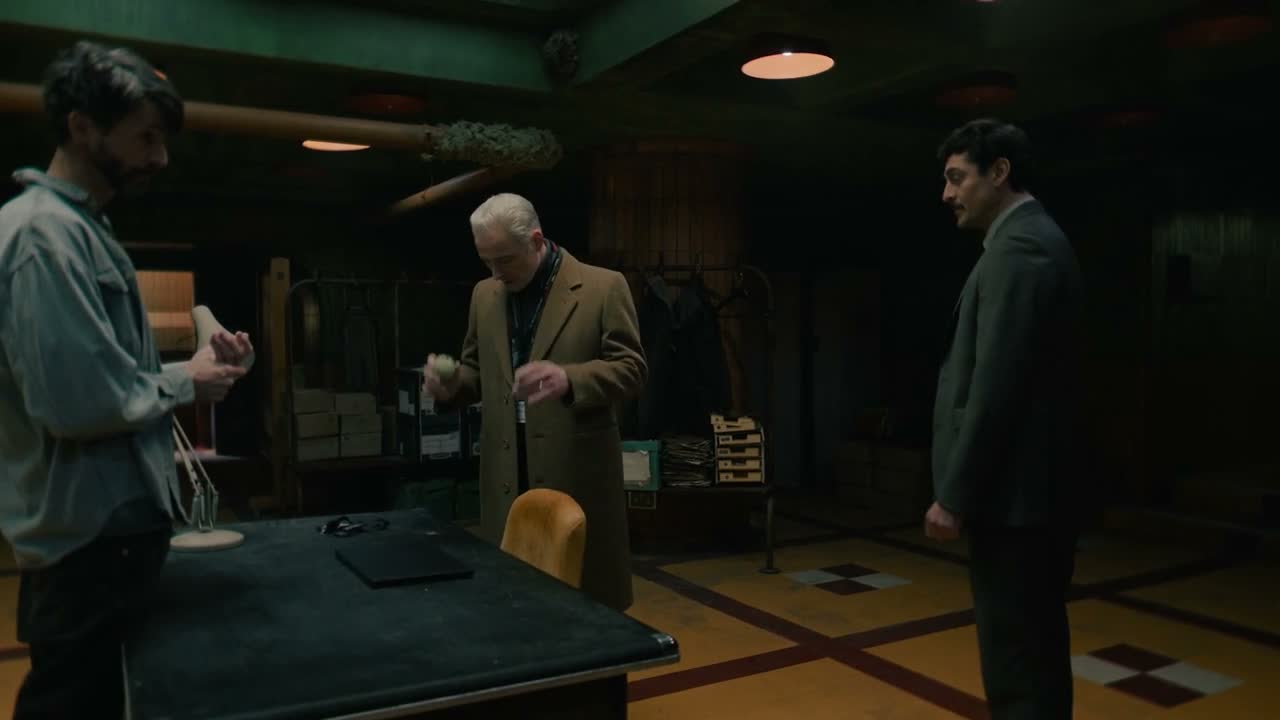
“Excuse me. [chuckles] I didn't mean to keep you.”

“Sorry for keeping you waiting today. We were two hours late.”

“That bureaucratic process will take forever! Right now,”