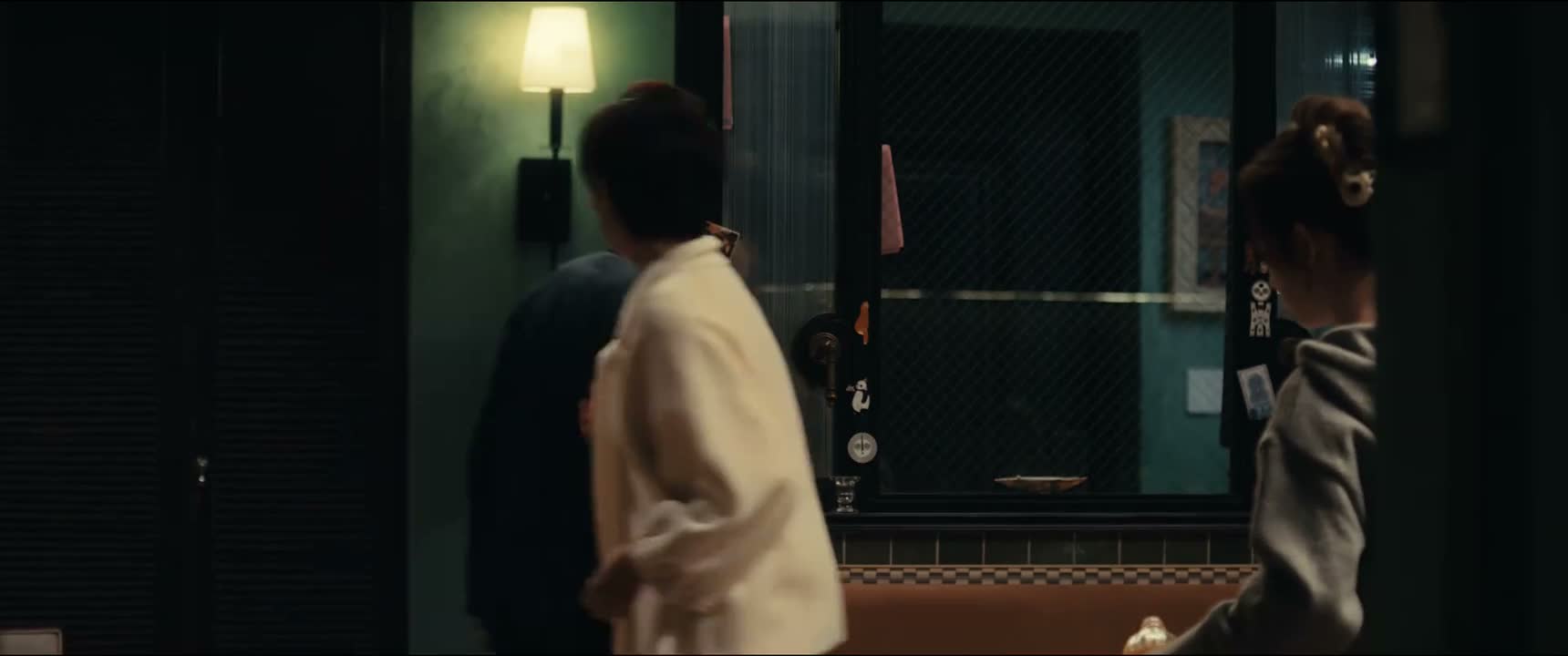
不好意思啊 你这儿有日子没这么热闹了啊
“Sorry. We haven't seen this place so lively for a while.”
THE DIALOGUE REEL
还缺什么 说
“Need anything else?”
不好意思啊 你这儿 有日子没 这么热闹 了啊
“Sorry. We haven't seen this place so lively for a while.”
我喂你 来
“Let me feed you. Here.”
“Sorry about the commotion, but honestly, your place hasn't seen this much life in ages!”
Chinese culture places great value on a lively, vibrant atmosphere filled with warmth and laughter during gatherings. 'Re nao' does not merely mean loud or bustling, but signifies human presence, vitality, warmth, and a thriving life.
LEARNING CHUNKS & PARTICLES
for quite a while; for a long time
A very common colloquial expression in Northern dialects, often paired with 'mei...' to mean 'haven't done something in a long time'.
excuse me; sorry (polite conventional phrase)
Not used here as a genuine apology, but as a conversational lubricant between acquaintances when joking or transitioning topics.
Appearing consecutively mid-sentence and sentence-finally, the first softens the apologetic tone while the second enhances the lighthearted, teasing, and exclamatory mood.
VOCABULARY & EXPRESSIONS
Parallel Spoken Cinema Scenes (语义近邻切片)
“Sorry to keep you waiting.”
“Sorry, I was tied up just now.”

“Sorry. What brings you here? Sorry about that.”

“Sorry, Wanzhi. I actually didn't have time to get one.”
“Sorry, I'm in the middle of moving today,”
“I'm really sorry. I'm not quite sure what's going on either.”

“I'm sorry. She's old.”

“I'm sorry. Is it too sudden?”

“Sorry to disturb you again.”

“Sorry, I'll just... It's fine.”

“Sorry, I got the wrong room.”
“I'm sorry to trouble you with that.”

“I'm sorry. I was just too busy this afternoon. Wait a moment here.”
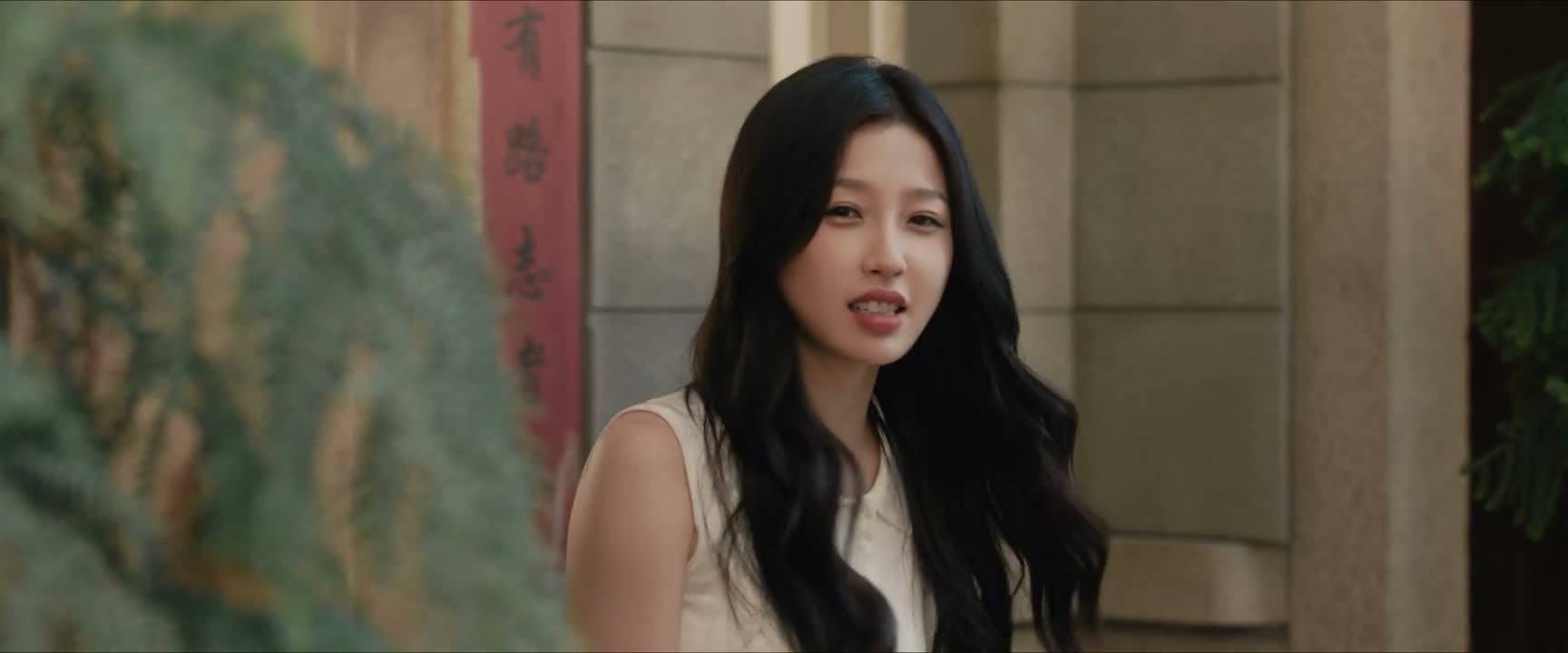
“I'm sorry. I got up too early this morning and couldn't help you out.”