不好意思啊 对不起不好意思 实在是太着急
“[Nanping Station] Excuse me. Sorry. Excuse me. I'm in a real hurry.”
THE DIALOGUE REEL
“Don't worry about me. Let's go buy tickets. Let's go.”
不好意思啊 对不起 不好 意思 实在是太 着急
“[Nanping Station] Excuse me. Sorry. Excuse me. I'm in a real hurry.”
“Excuse me. Hello. Two tickets to Huacheng, please.”
Direct spoken expression in this communicative setting.
Repeating phrases like '不好意思' and combining them with '对不起' signals extreme humility and urgency when inconveniencing strangers in public.
LEARNING CHUNKS & PARTICLES
excuse me; sorry
The most versatile and polite colloquial formula for mild apologies, requests, and expressing embarrassment.
truly; really
Used as an intensifier to emphasize sincerity, hardship, or extreme circumstances.
in too much of a rush; overly anxious
Used to justify or excuse unconventional, rude, or hasty behavior.
Softens the opening apology to sound more pleading and sincere rather than curt.
VOCABULARY & EXPRESSIONS
Parallel Spoken Cinema Scenes (语义近邻切片)
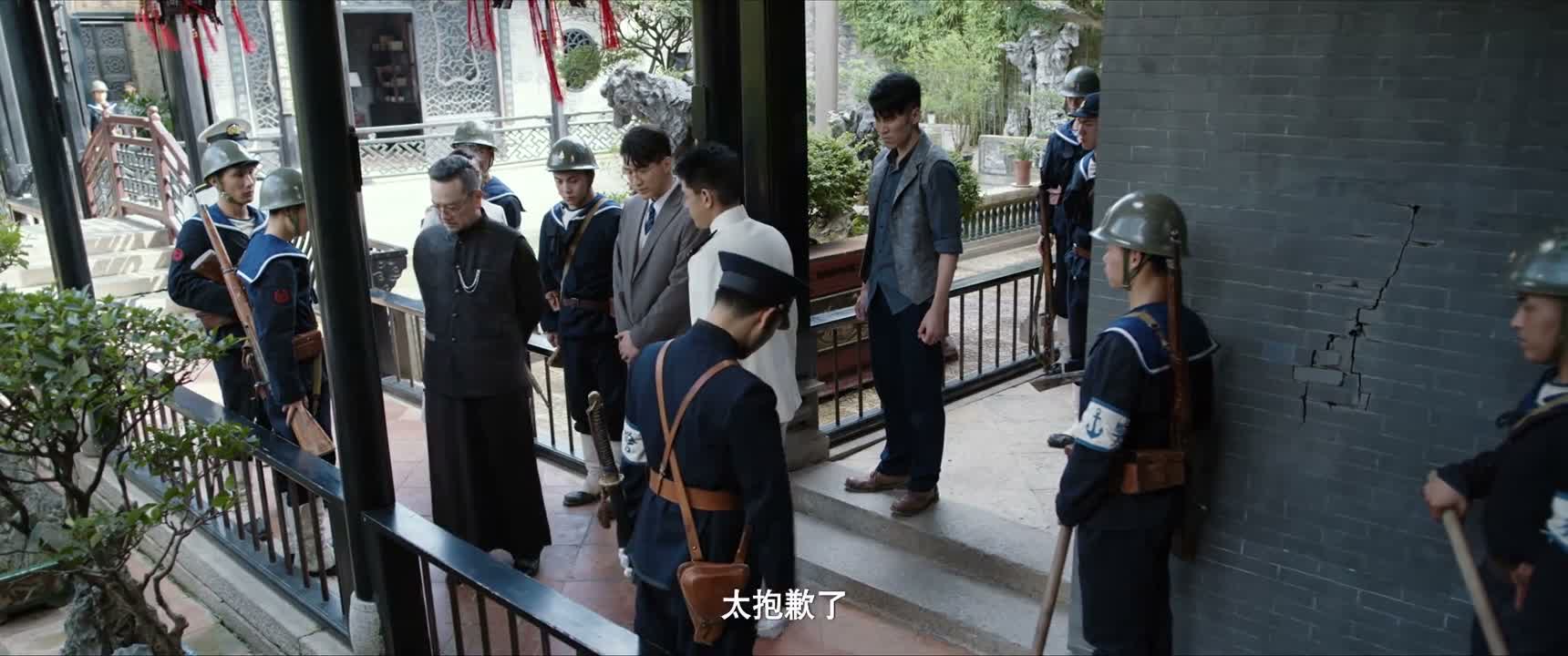
“I am terribly sorry”
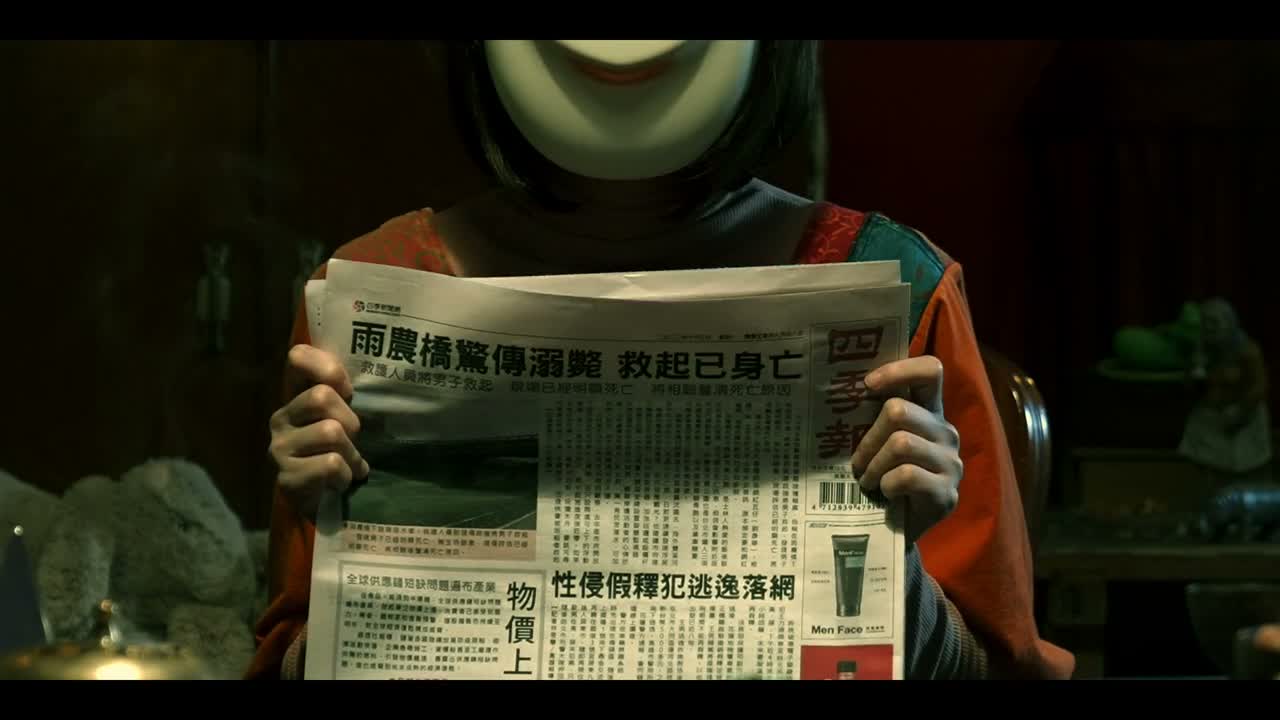
“YUNONG BRIDGE SHOCKING DROWNING INCIDENT I'm really sorry.”
“Apologies, everyone. So sorry.”

“Sorry about this. You just wait. What?”

“Now that you mention it, I'm so sorry.”

“Excuse me. Coming through.”
“I'm really sorry for the trouble.”

“I'm sorry. Is it too sudden?”

“Sorry, Mr. Xia. Sorry, I'm sorry. I'm leaving now.”

“Sorry about that just now.”
“It's okay. I'm really sorry.”

“I'm so sorry. We were having a teleconference just now.”
“I'm sorry. I'm sorry. Sorry.”

“I'm so sorry. I apologize.”

“Sorry, I'll just... It's fine.”

“Sorry. I'm really anxious,”

“I'm terribly sorry.”
“Deepest apologies.”

“If you're really too embarrassed,”