对...不好
[主语/条件] + 对 + [动词/短语] + 不好
Core sentence pattern in modern spoken Mandarin.
[Variation: 肯定建议式]
(27 clips) 00:02
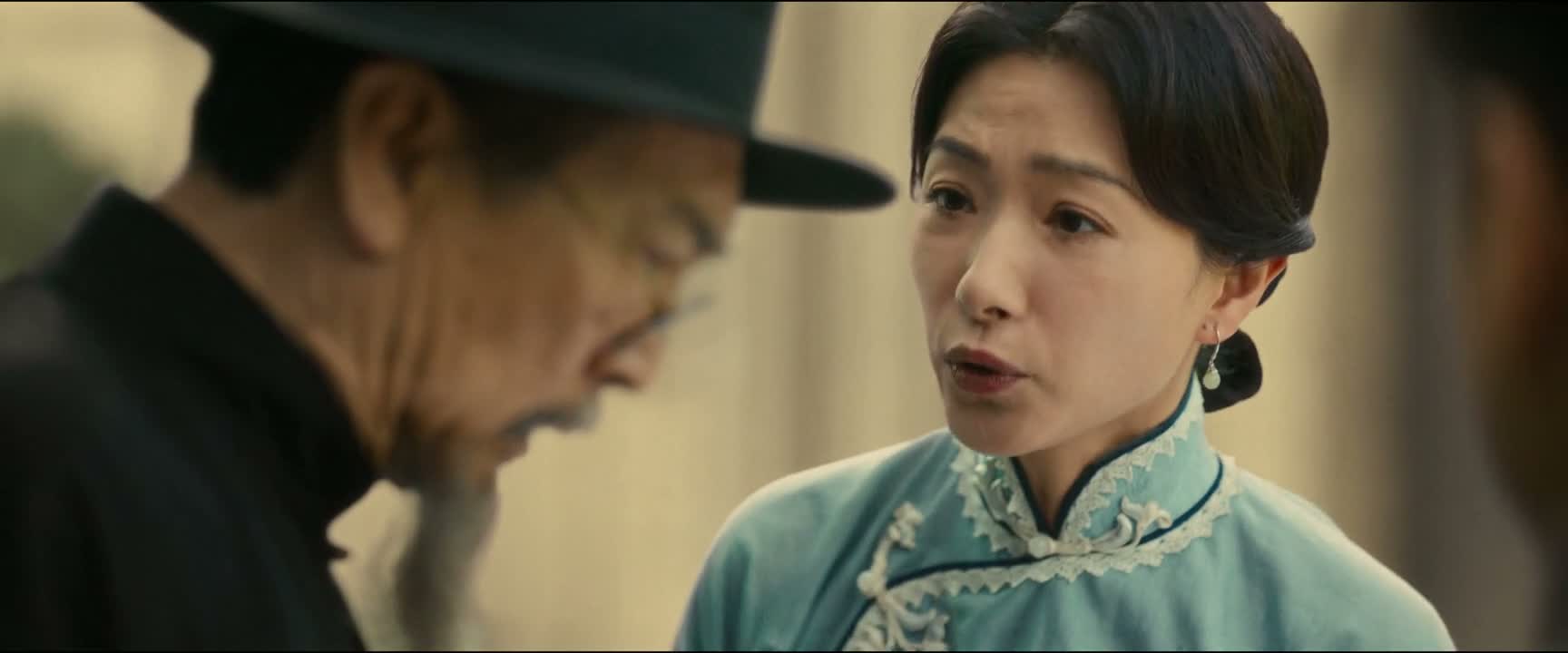 00:03
(他们不听咱们的 咱们登报总会有人听吧) ── Previous context
“Let's use the power of public opinion to clear Yunkui's name, okay? Yes.”
 00:03
(你脖子不舒服啊 倒茶) ── Previous context
“I'm so sorry, Mr. Zhou. I'm not familiar with these yet. But don't worry.”
 00:02
 00:02
(否则) ── Previous context
“Otherwise, that double-flower hunter would've been hard to handle.”
 00:02
 00:02
(刚看到 那群里全是园区的常客) ── Previous context
“If this spreads out, it would be terrible for us.”
 00:02
 00:03
(你 你一有点什么事 你就找张家李家 张家) ── Previous context
“the Zhang family treated the Li family badly? What are they talking about?”
 00:03
(我去筑翎的时候 就是顺带 帮裴总那么一个小忙) ── Previous context
“He wanted to thank me. I couldn't really turn him down, right?”
 00:03
(小尤妈妈瘫痪在床) ── Previous context
“Her stepfather treats them very badly— always hitting or scolding them.”
 00:02
 00:02
 00:02
 00:02
(不好意思 不好意思 真的不好意思 出去) ── Previous context
“See you. - So sorry. - Sorry. Are you insane?”
 00:03
(没事不用管我了 走 去买票 走) ── Previous context
“[Nanping Station] Excuse me. Sorry. Excuse me. I'm in a real hurry.”
 00:02
 00:02
 00:03
(一切定会顺顺利利的) ── Previous context
“And anyway, even if His Highness dared to hurt you,”
 00:03
(您的意思是 我今晚还不能在家里) ── Previous context
“Right, Mr. Wang. This old house has terrible waterproofing,”
 00:03
(只要我见到秦宵一 我说一句话 我立马就走) ── Previous context
“How about this? You can follow me. I promise I won't cause any trouble, okay? No.”
 00:02
(放心啦 我很有原则的 别人的老婆 我是不会碰的) ── Previous context
“But if I hear that you treat her badly,”
 00:02
(满大街的问) ── Previous context
“"Does Commandery Prince An treat the Princess Consort well?”
 00:03
(是顾家 是能扛事) ── Previous context
“I'm telling you, if he ever treats Ni badly, I'll beat him up.”
 00:03
(所以你们的脑袋 现在可能还不是很清楚) ── Previous context
“That's why it might not be clear to you right now, that what you're doing's not good for the boy.”
 00:03
 00:02
[Variation: 否定劝阻式]
(6 clips) 00:02
 00:02
(那天在武川) ── Previous context
“That day in Wuchuan, I didn't do anything bad to you. I know.”
 00:02
 00:02
 00:03
 00:03
(全公司所有人都知道 我对你好 无可挑剔) ── Previous context
“If you still tell people I treat you badly, then you're really just being unreasonable.”
[Variation: 自我商量式]
(1 clips) 00:02
[Variation: 疑问反问式]
(1 clips) 00:02
(为 为什么这么说呀 他最近心情不错啊) ── Previous context
“He never apologizes to me if he's in a bad mood.”
📐 不用
→Nuance: 同向近义词根配对: [对不起 ↔ 不好意思]
📐 太...了
→Nuance: 口语中完全同义的致歉表达
📐 一定
→Nuance: 同向近义词根配对: [非常 ↔ 那个]
📐 对……不利
→Nuance: 同样担忧事情公开对己不利
📐 不能再...了
→Nuance: 同向近义词根配对: [以后 ↔ 今后]
📐 什么...的
→Nuance: 同向近义词根配对: [对不起 ↔ 不好意思]
📐 不是...是
→Nuance: 同向近义词根配对: [对不起 ↔ 不好意思]
📐 有...没
→Nuance: 同向近义词根配对: [对不起 ↔ 不好意思]
📐 实在是太
→Nuance: 同向近义词根配对: [对不起 ↔ 不好意思]