当年要不是他对平殊不好
“If he hadn't treated Pingshu badly,”
THE DIALOGUE REEL
当年要不是他对平殊不好
“If he hadn't treated Pingshu badly,”
“she wouldn't have left Peiqiong Manor”
“Everything that went wrong afterwards is entirely his fault for mistreating Pingshu in the first place.”
In Chinese Wuxia (martial arts) fiction, a 'Shanzhuang' (mountain manor) often serves as the headquarters of a prominent clan or sect, functioning like both a family estate and a martial arts academy.
LEARNING CHUNKS & PARTICLES
back then; in those years
Use at the beginning of a sentence to refer to a specific period in the distant past when recounting a story.
if it were not for; had it not been for
Use to introduce a counterfactual condition, often to express gratitude or assign blame for a past outcome.
to treat someone badly
Put the person being mistreated in the middle to describe poor treatment in relationships.
VOCABULARY & EXPRESSIONS
Parallel Spoken Cinema Scenes (语义近邻切片)
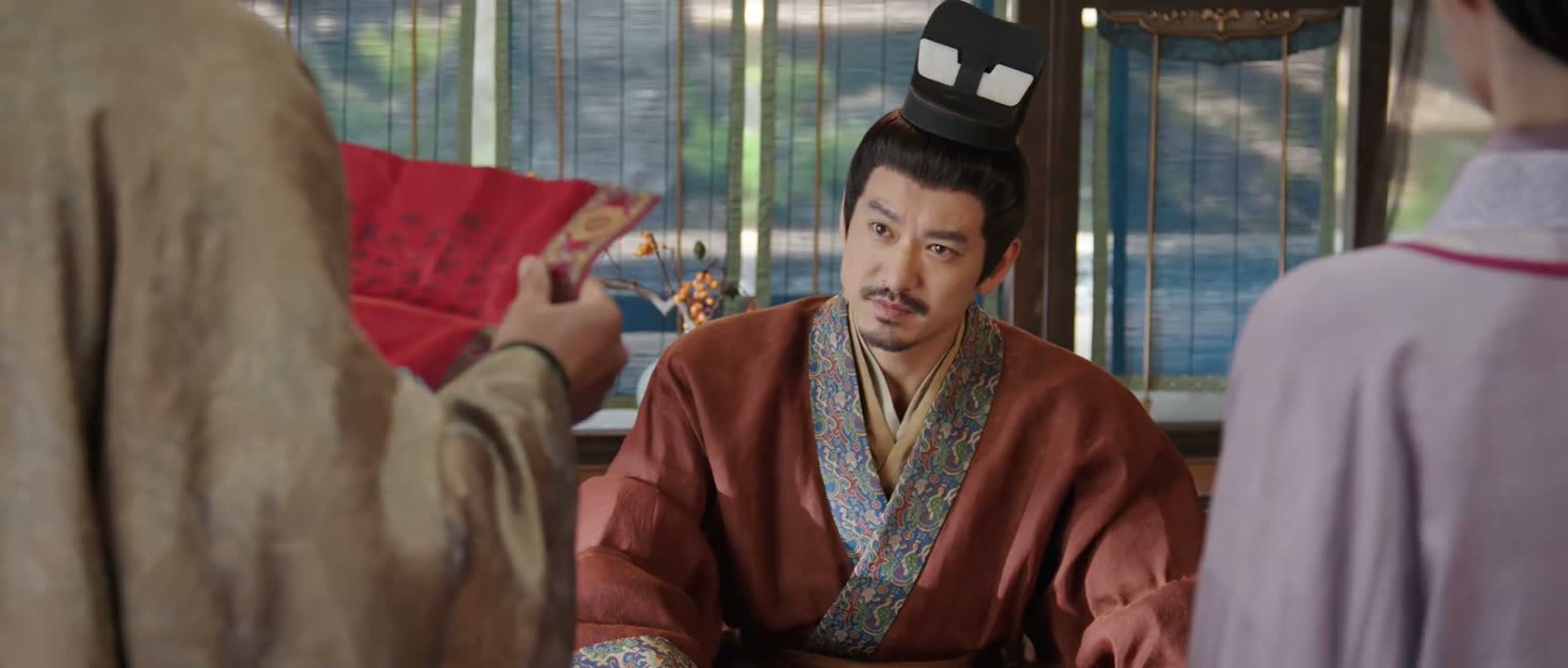
“you can't blame Pingshu for this.”
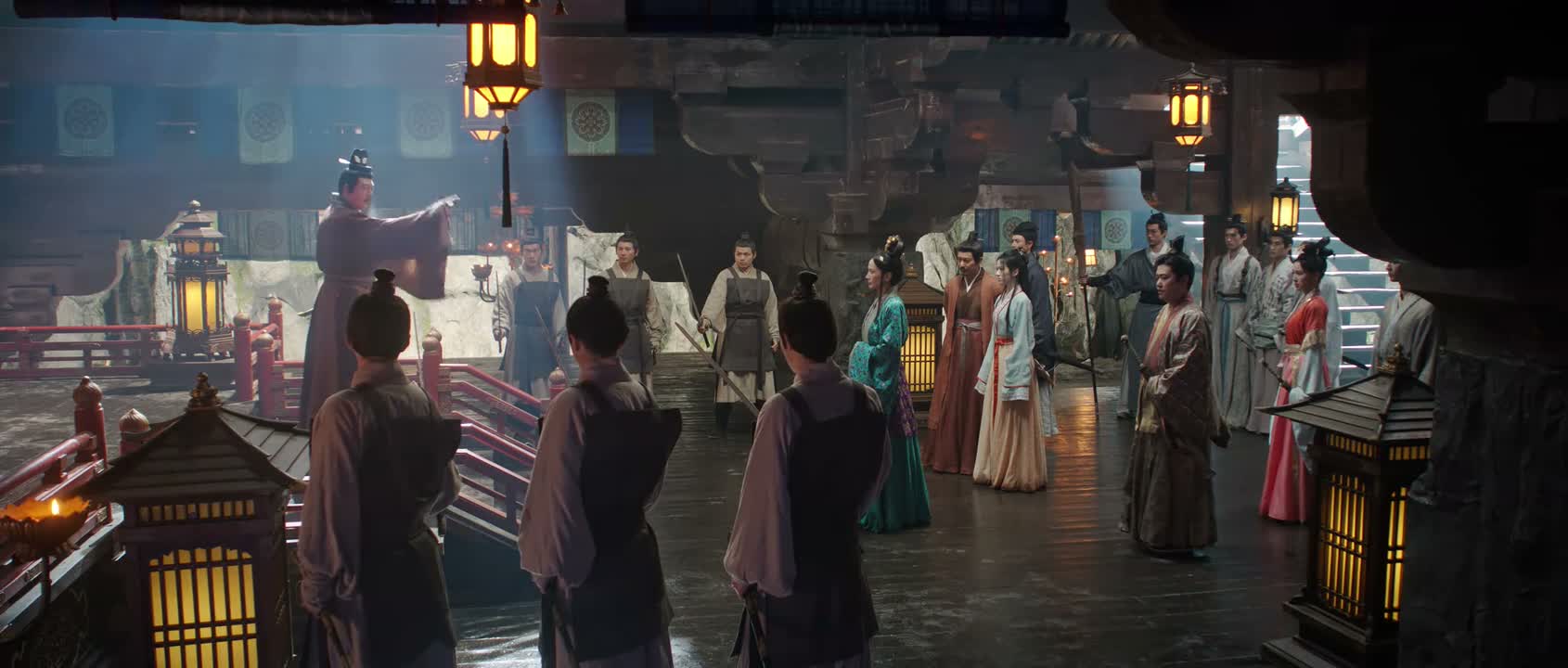
“why did he steal Cai Pingshu's credit?”
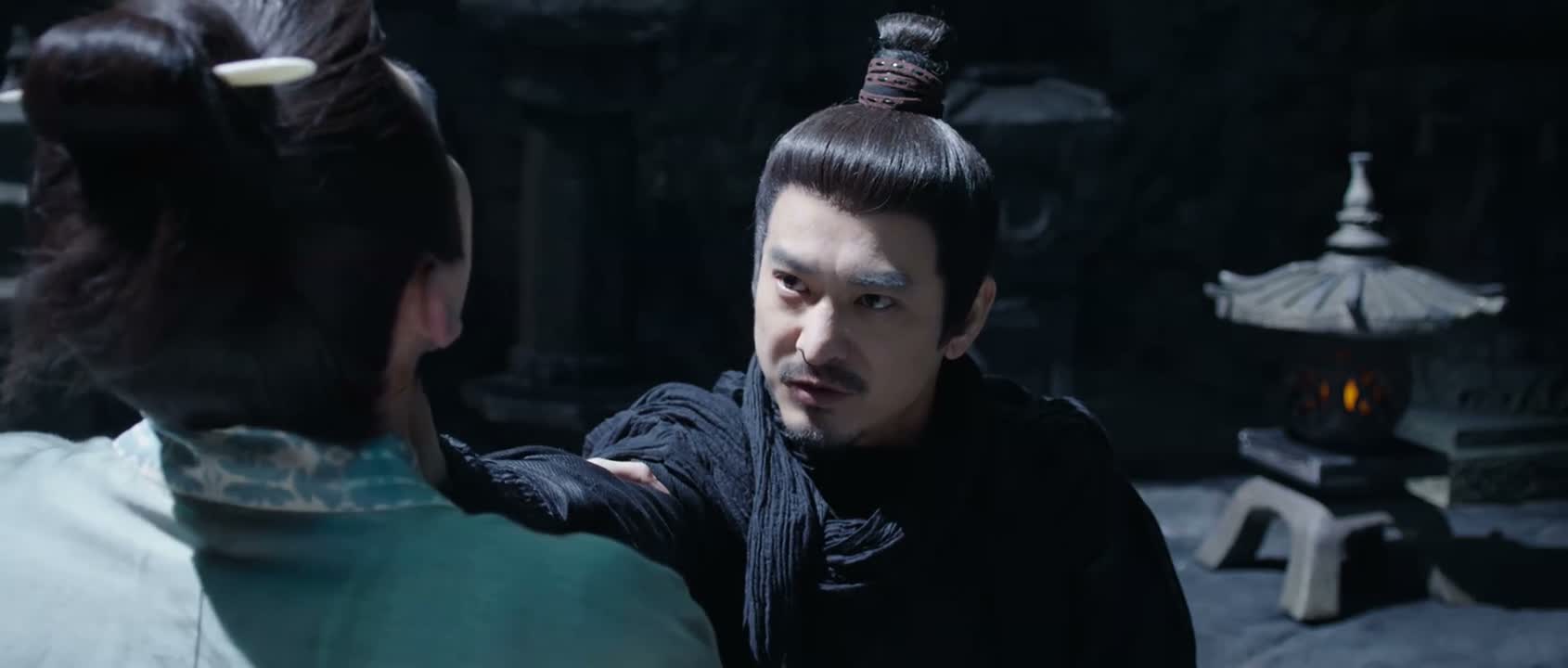
“Pingshu even saved your life.”
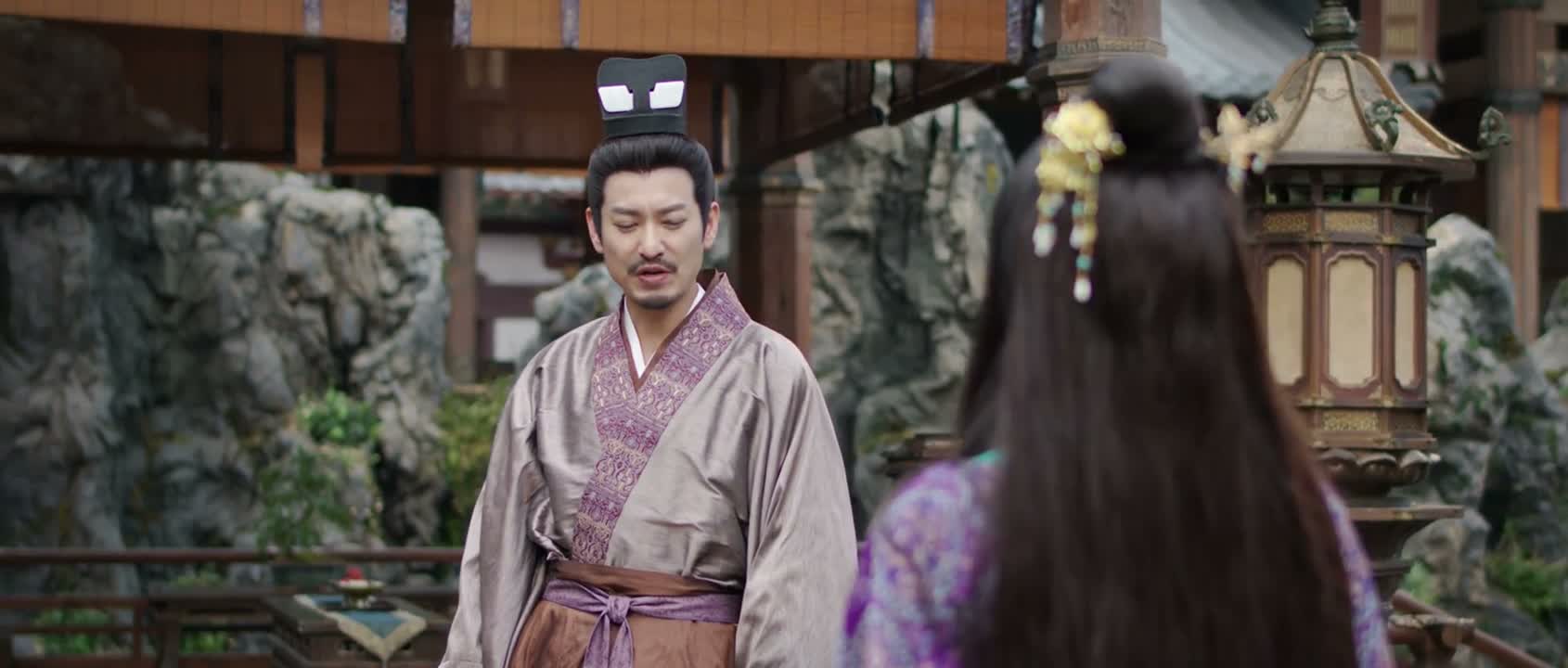
“Pingshu did have concerns.”

“Pingshu treated them as friends,”

“He must be the one from back then.”