平殊不会离开佩琼山庄
“she wouldn't have left Peiqiong Manor”
THE DIALOGUE REEL
“If he hadn't treated Pingshu badly,”
平殊不会离开佩琼山庄
“she wouldn't have left Peiqiong Manor”
“and wouldn't have encountered Mu Zhengyang's schemes.”
“You drove him away, and his tragic fate is entirely on your hands.”
In martial arts narratives, characters frequently trace present tragedies back to an initial moral failing or breach of loyalty by an elder or associate.
LEARNING CHUNKS & PARTICLES
to leave; to depart from
A common verb used to indicate departing from a location or person.
VOCABULARY & EXPRESSIONS
Parallel Spoken Cinema Scenes (语义近邻切片)
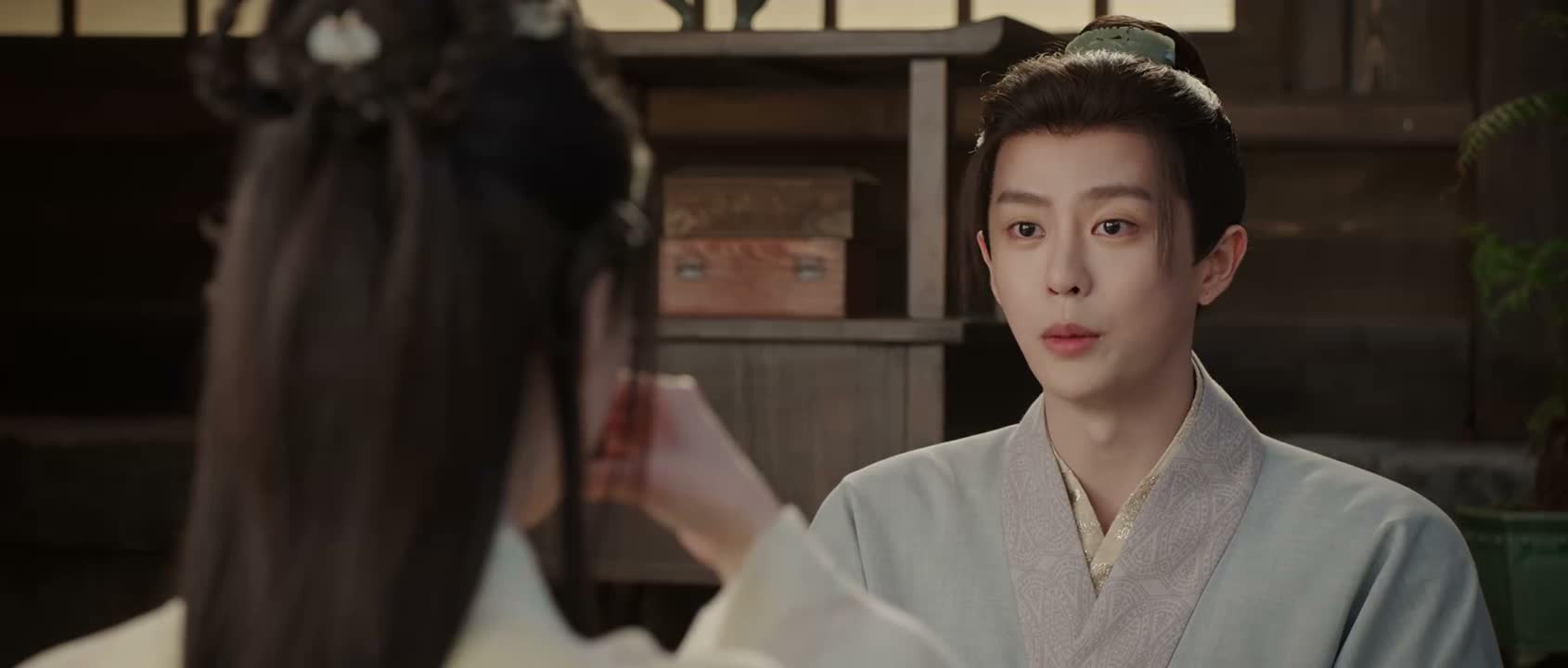
“Once you marry into Peiqiong Manor,”
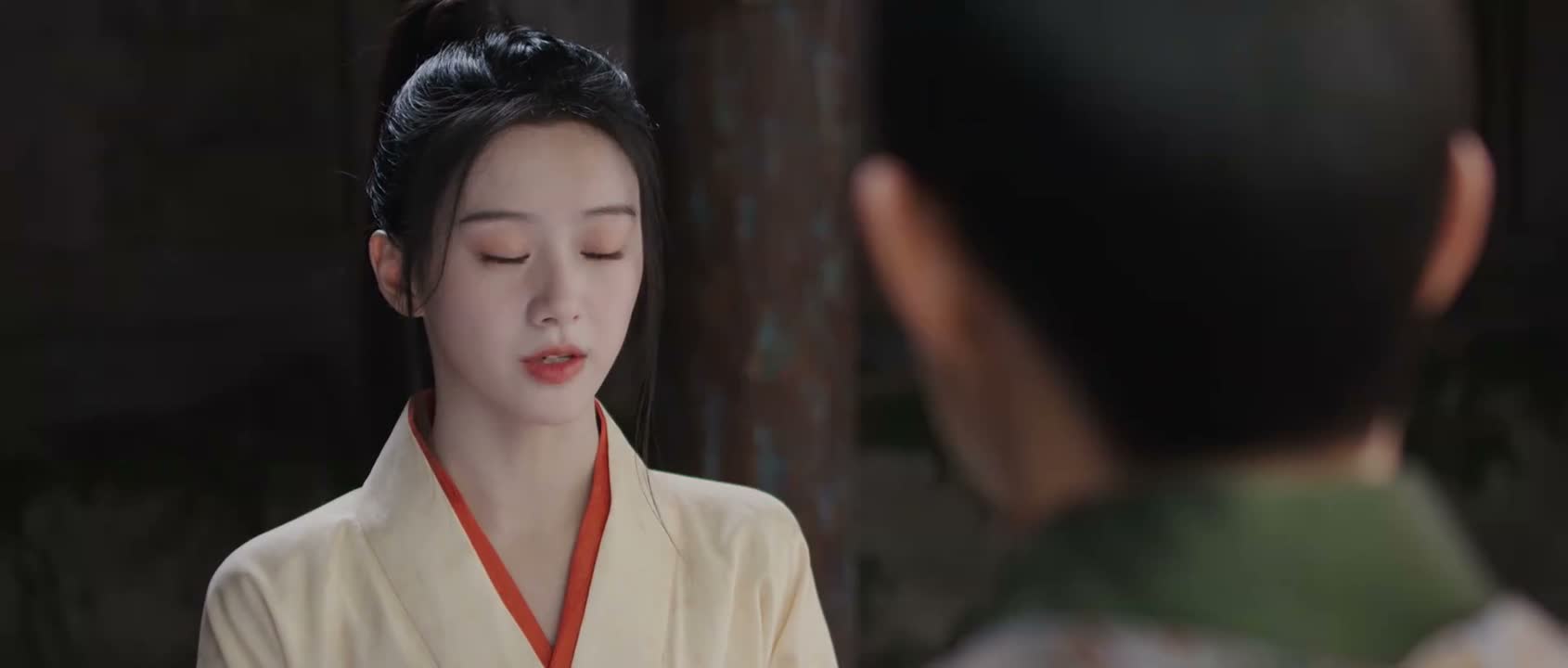
“that at Peiqiong Manor,”
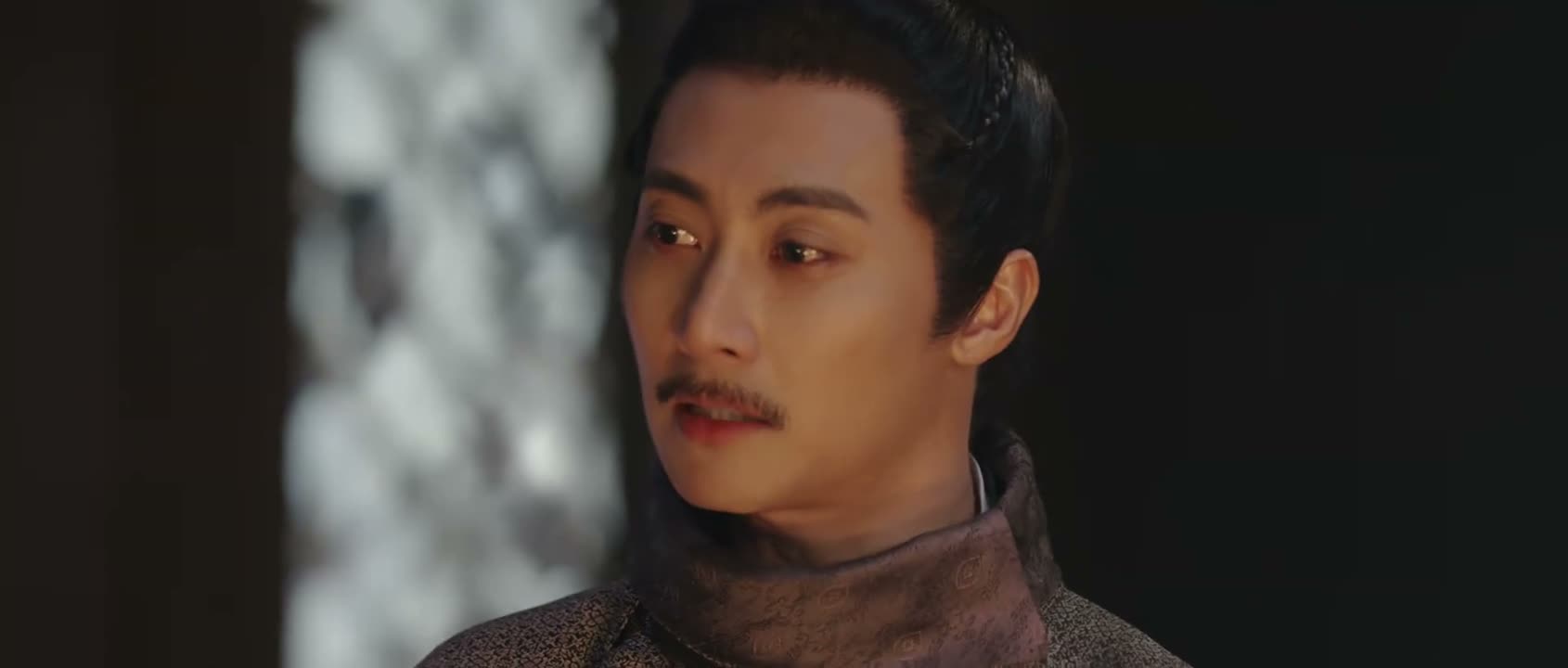
“obviously to become the Lord of Peiqiong Manor,”
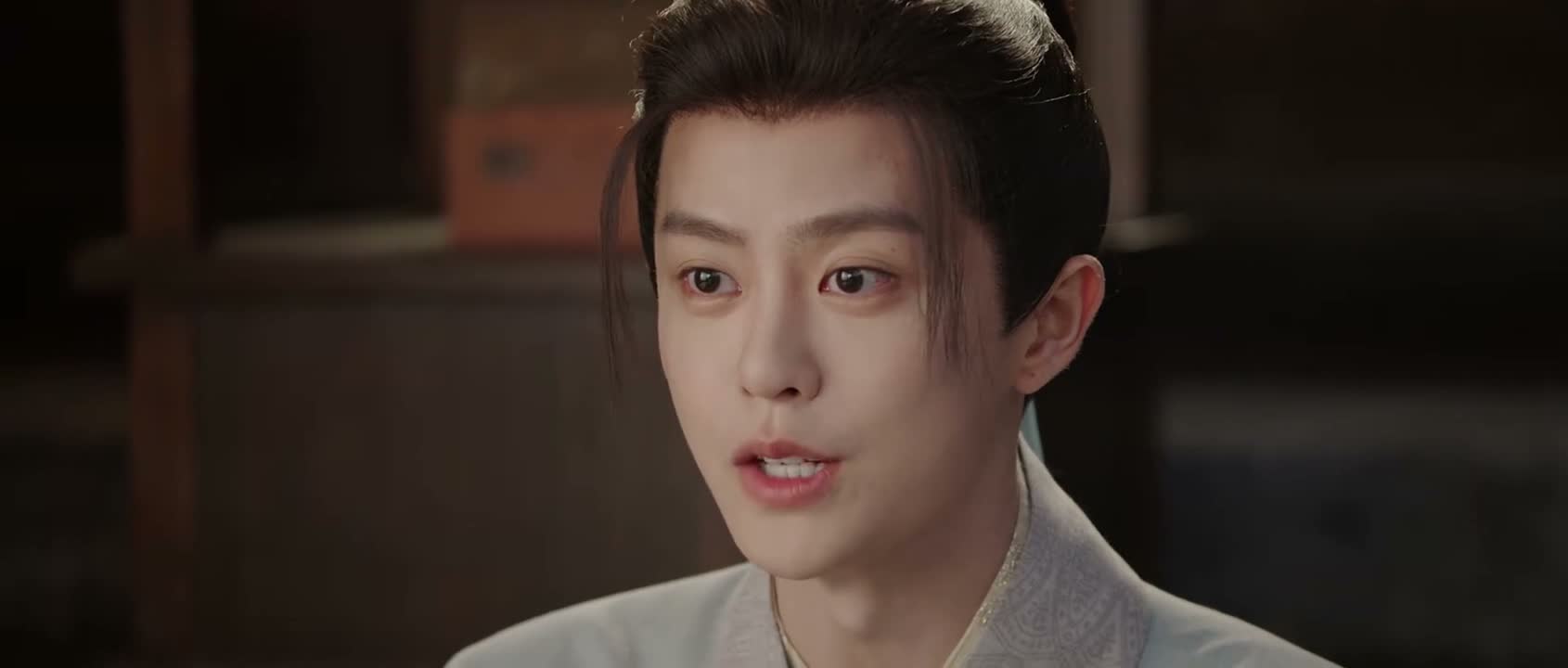
“you will be the Manager of Peiqiong Manor.”
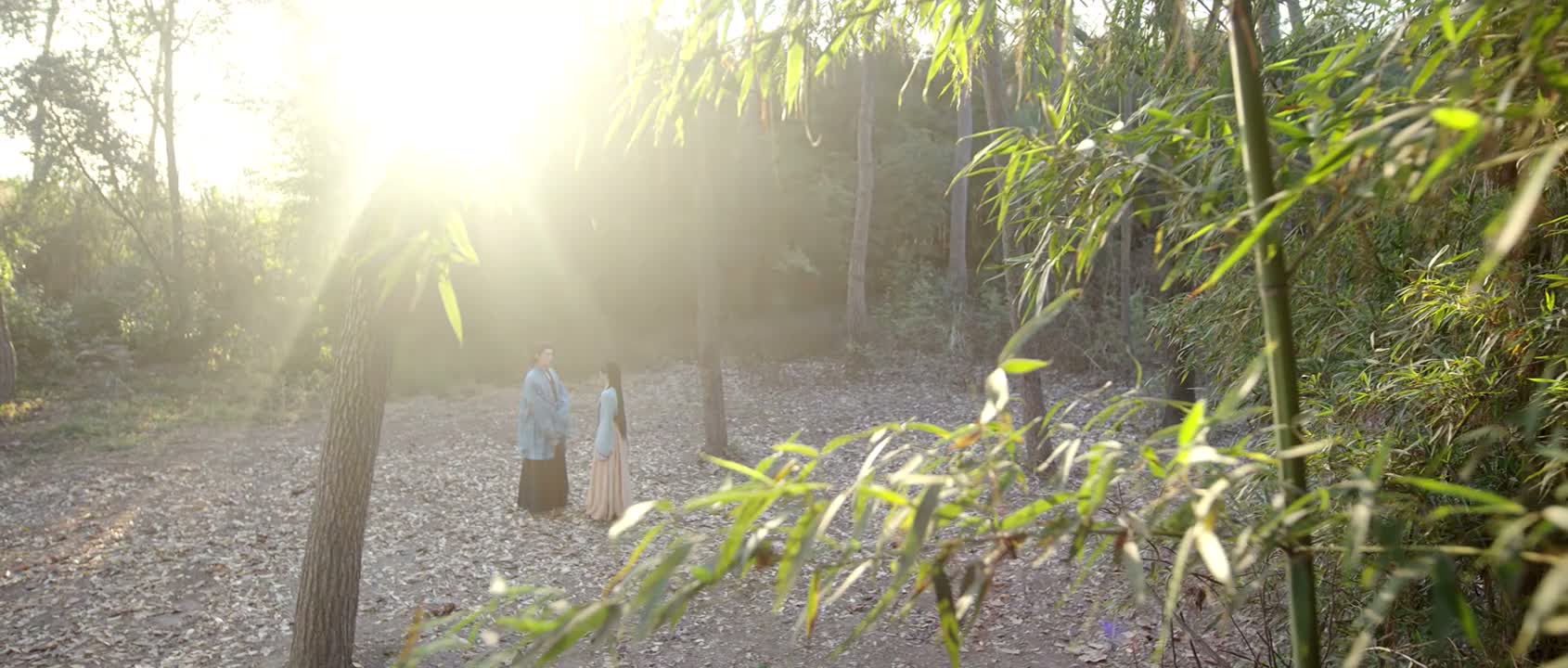
“Do you like the splendor and wealth of Peiqiong Manor”
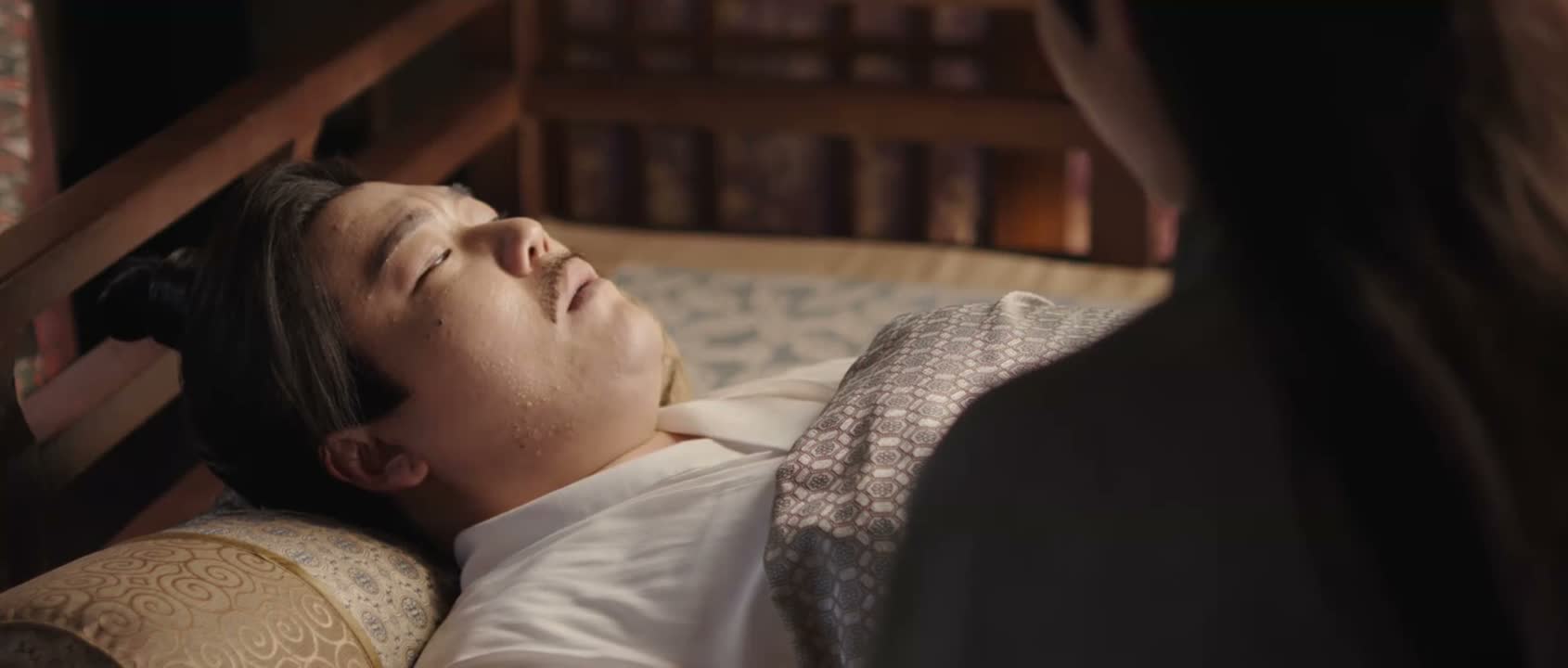
“I recognize his internal power.”