对不起啊 对不起啊 不好意思
“I'm sorry. I'm sorry. Sorry.”
THE DIALOGUE REEL
那
“Then...”
对不起啊 对不起啊 不好意思
“I'm sorry. I'm sorry. Sorry.”
不好意思
“Sorry.”
Direct spoken expression in this communicative setting.
Stacking expressions like 对不起 and 不好意思 consecutively emphasizes polite deference and ensures face is preserved during unexpected awkward encounters.
LEARNING CHUNKS & PARTICLES
I'm sorry (softened)
Adding the final particle softens the apology, making it sound more natural and conversational.
excuse me / pardon me / my apologies
The most versatile and polite colloquial expression for minor inconveniences, bumping into people, or catching attention.
Softens the repeated apologies to sound sincere, courteous, and non-confrontational.
VOCABULARY & EXPRESSIONS
Parallel Spoken Cinema Scenes (语义近邻切片)

“I'm so sorry. I'm sorry.”
“I'm sorry. It's okay, Guo.”

“Sorry, hope I didn't cause you any trouble.”

“You don't need to apologize to anyone.”
“Sorry. - Do you think apologizing helps? - Do you think apologizing helps?”
“I'm sorry. I'm sorry.”
“Sorry! Are you okay?”

“I'm sorry for causing you trouble today. I'm fine.”

“I'm sorry. I'm sorry.”

“I'm sorry. I'm sorry.”

“Excuse me. Coming through.”

“Sorry for what? Is sorry useful? What are you sorry for?”

“Sorry. I'm really sorry.”
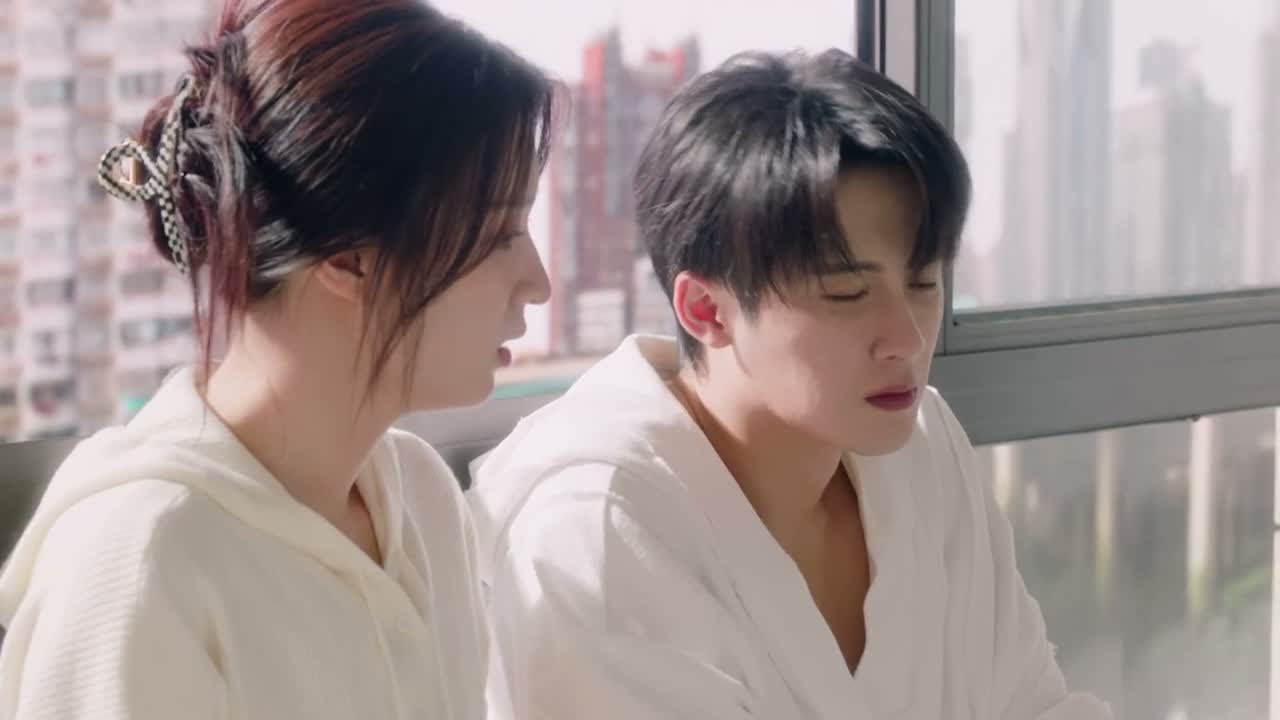
“Sorry for making a fool of myself.”

“will now... Sorry.”
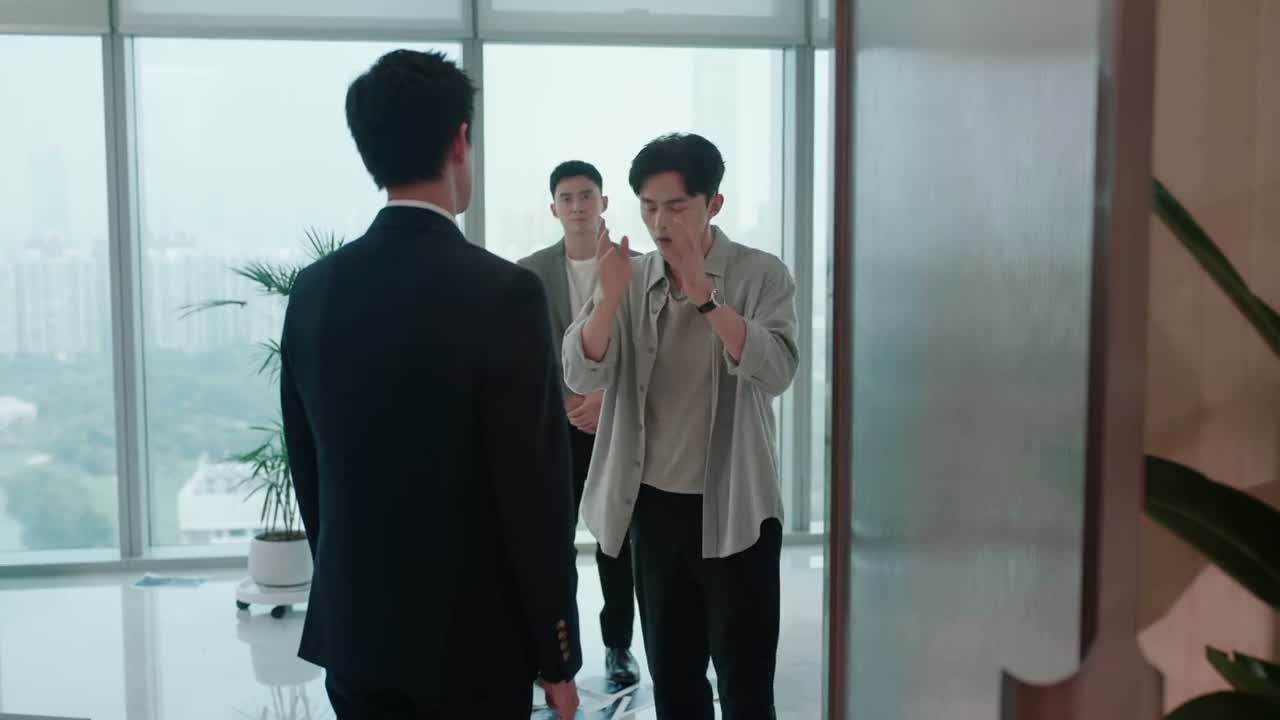
“Sorry. I'm sorry.”

“Sorry, Mr. Xia. Sorry, I'm sorry. I'm leaving now.”

“[Nanping Station] Excuse me. Sorry. Excuse me. I'm in a real hurry.”

“I'm sorry. I really... No, it's me. It was my negligence. Let go of me.”

“I... I'm sorry.”

“Sorry. Sorry. I didn't mean to.”
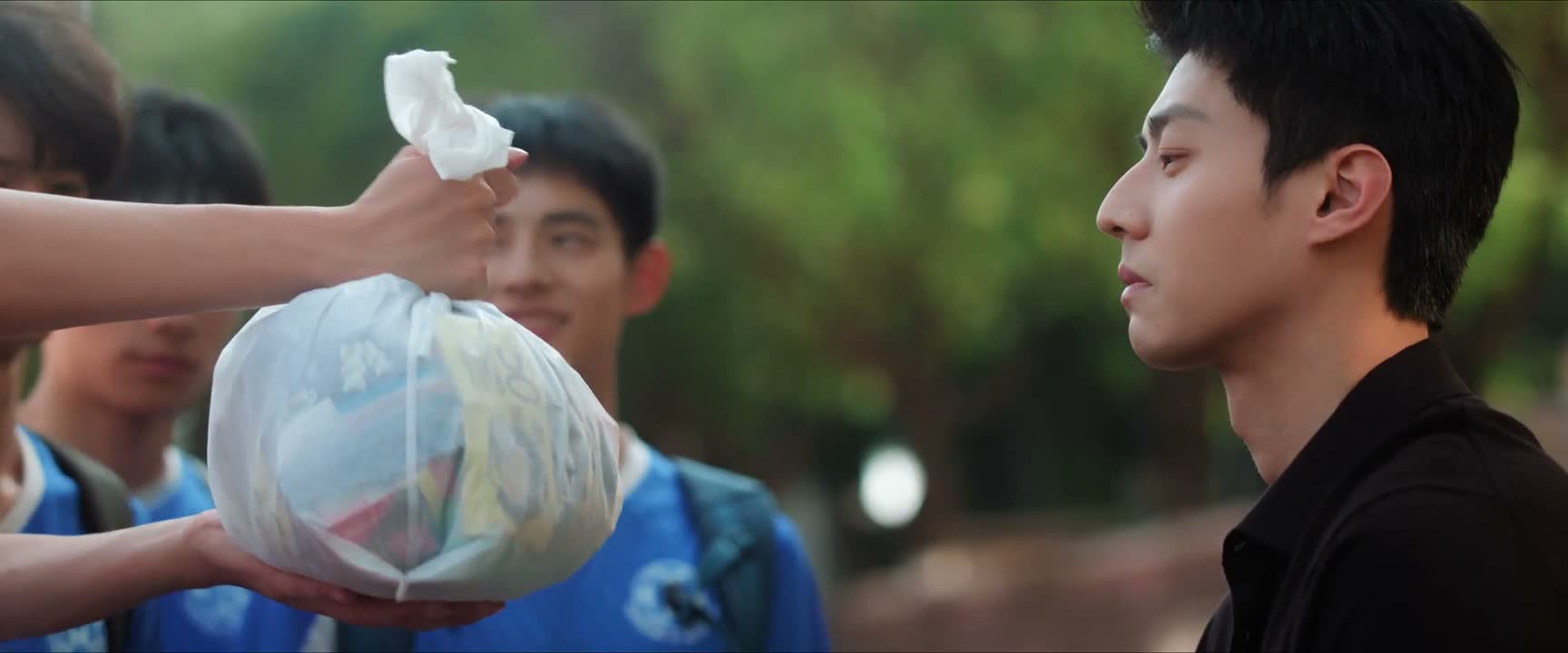
“Sorry. We were a bit loud yesterday. We apologize.”

“I'm sorry for that. Just keep quiet.”