不用对不起这个 对不起那个
“You don't need to apologize to anyone.”
THE DIALOGUE REEL
“your own future is your own decision to make.”
不用 对不起 这个 对不起 那个
“You don't need to apologize to anyone.”
“I just hope you can be true to yourself.”
“Stop trying to please everyone else; live your own life without feeling guilty.”
Chinese youth often feel heavily indebted to parents and relatives; here, a modern mother subverts traditional expectations by liberating her child from filial pressure.
LEARNING CHUNKS & PARTICLES
apologizing to this person and that person / constantly feeling guilty to everyone
A colloquial parallel structure used to criticize or relieve someone's excessive people-pleasing tendencies.
no need to / do not have to
Used to negate obligation or reassure someone that an action or feeling is unnecessary.
VOCABULARY & EXPRESSIONS
Parallel Spoken Cinema Scenes (语义近邻切片)

“I'm sorry. I'm sorry. Sorry.”

“I'm so sorry. I apologize.”

“Yes, I'm sorry. I'm really sorry. You haven't improved at all.”

“Always "I'm sorry." Is saying sorry useful?”

“I'm so sorry. I'm sorry.”

“I... I'm sorry, sir.”

“I broke the vow I made under the national emblem.”

“I'm sorry. To whom?”

“Sorry. - Do you think apologizing helps? - Do you think apologizing helps?”

“I'm sorry. I'm sorry.”

“Sorry! Are you okay?”

“I'm sorry. I'm sorry.”

“I'm sorry. I'm sorry.”

“Sorry. Go ahead.”

“anyone in this life... it's you...”

“- Jeez. - I'm so sorry. - What is this all about? - Let's go.”
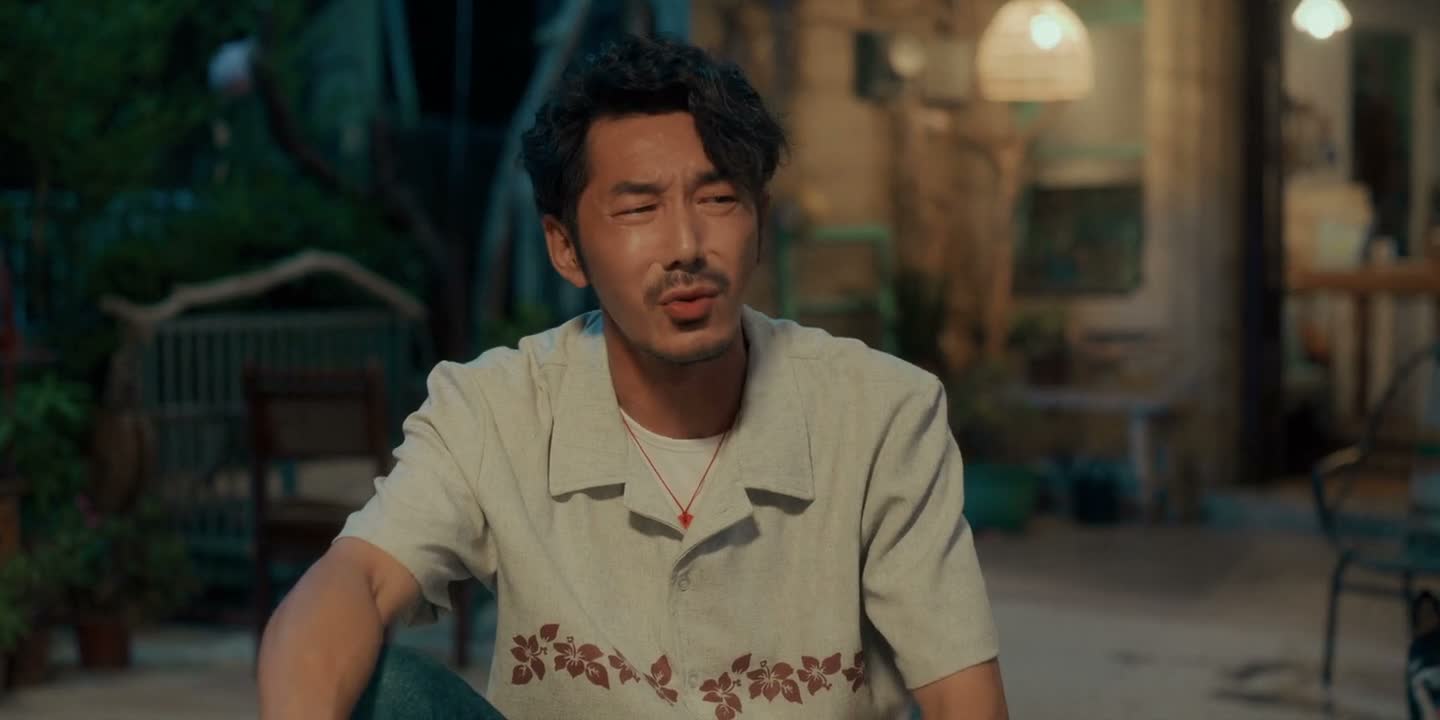
“What are you sorry for?”

“Sorry for what? Is sorry useful? What are you sorry for?”

“To apologize, you should say, "I'm sorry."”

“Sorry. I'm really sorry.”

“will now... Sorry.”

“Sorry. I'm sorry.”

“I'm sorry. I'm sorry. I'm really sorry.”
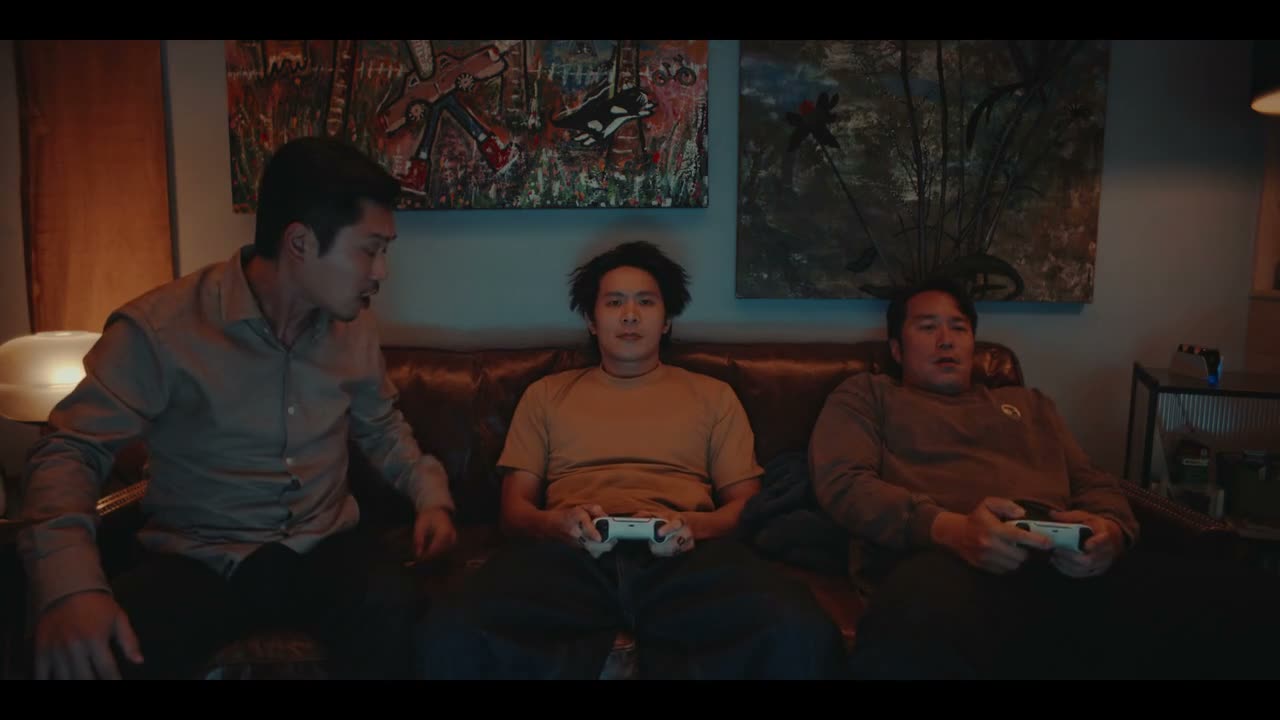
“Not even a real apology. And you're standing there laughing?”

“the two people I owe the most”

“I... I'm sorry.”

“Sorry. Sorry. I didn't mean to.”

“I'm really sorry. It's okay. No need...”