对不起 对不起 真的对不起
“I'm sorry. I'm sorry. I'm really sorry.”
THE DIALOGUE REEL
“I'm really sorry. I didn't do it on purpose.”
对不起 对不起 真的对不起
“I'm sorry. I'm sorry. I'm really sorry.”
“I truly didn't mean to. Sorry.”
Direct spoken expression in this communicative setting.
In Chinese communicative culture, rapidly repeating an apology several times signals extreme humility and urgent desire to restore social harmony after an accident.
LEARNING CHUNKS & PARTICLES
I'm sorry; excuse me
Use this as the standard phrase to apologize for mistakes or causing inconvenience.
I am truly sorry
Add 真的 before an apology to increase sincerity and emphasize genuine remorse.
VOCABULARY & EXPRESSIONS
Parallel Spoken Cinema Scenes (语义近邻切片)

“I'm sorry. I'm sorry. It was really our oversight.”

“Yes, I'm sorry. I'm really sorry. You haven't improved at all.”

“Always "I'm sorry." Is saying sorry useful?”

“I'm so sorry. I'm sorry.”
“Sorry. Zixuan.”

“Sorry, sorry. A grown man though he is, he surely acts like a child.”
“I'm sorry. I'm on a business trip.”

“You don't need to apologize to anyone.”

“I'm sorry. To whom?”
“Sorry. - Do you think apologizing helps? - Do you think apologizing helps?”

“I'm sorry. I'm sorry.”
“Sorry! Are you okay?”
“I'm sorry. I'm sorry.”
“I'm sorry. I'm sorry.”
“Sorry. Go ahead.”

“Sorry. I'm really sorry.”
“Sorry. Don't say sorry.”

“I'm sorry. I'm sorry. S-Something suddenly cropped up.”
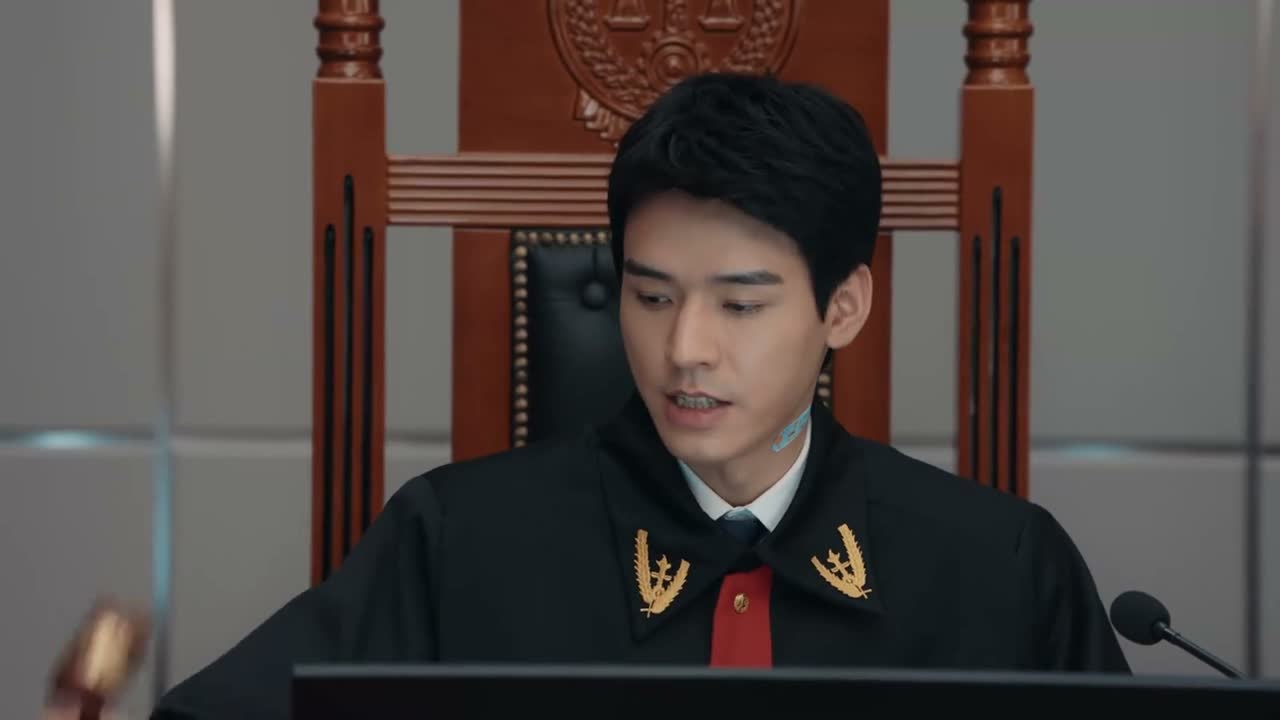
“will now... Sorry.”
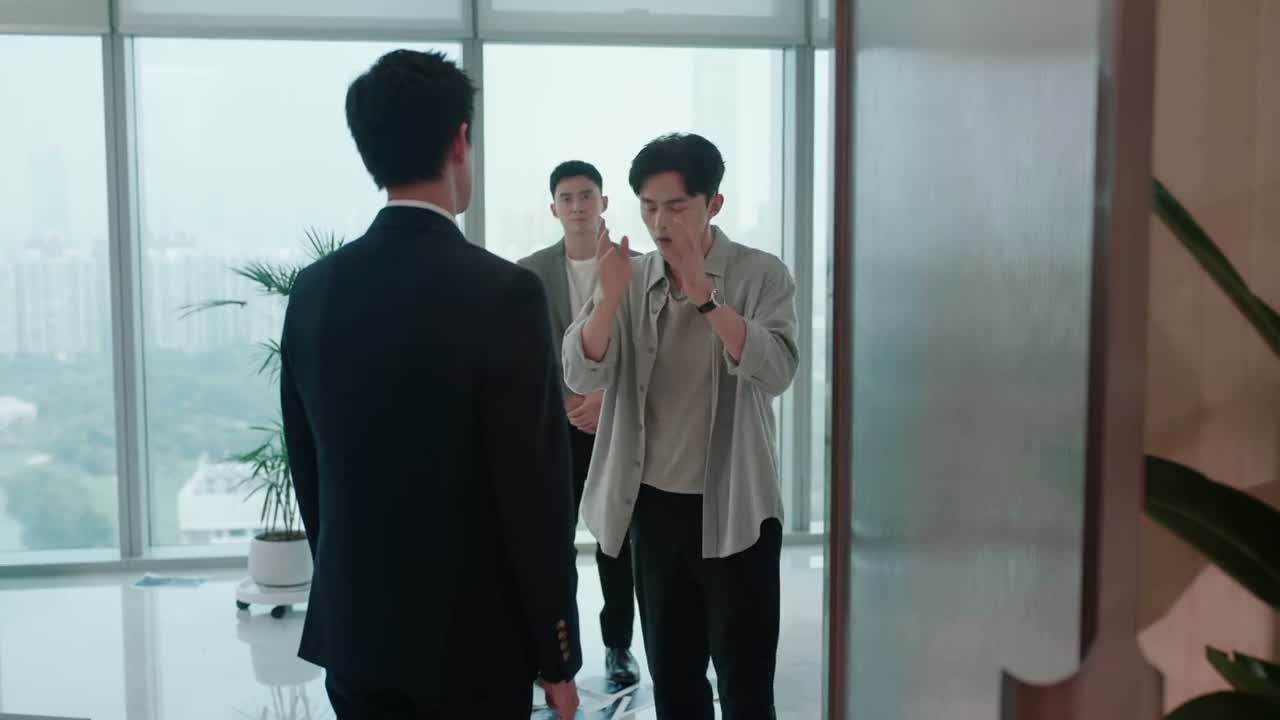
“Sorry. I'm sorry.”

“I'm really sorry. I thought she came looking for Zhangzhu,”

“I really am so sorry. It's all my fault. You should know”
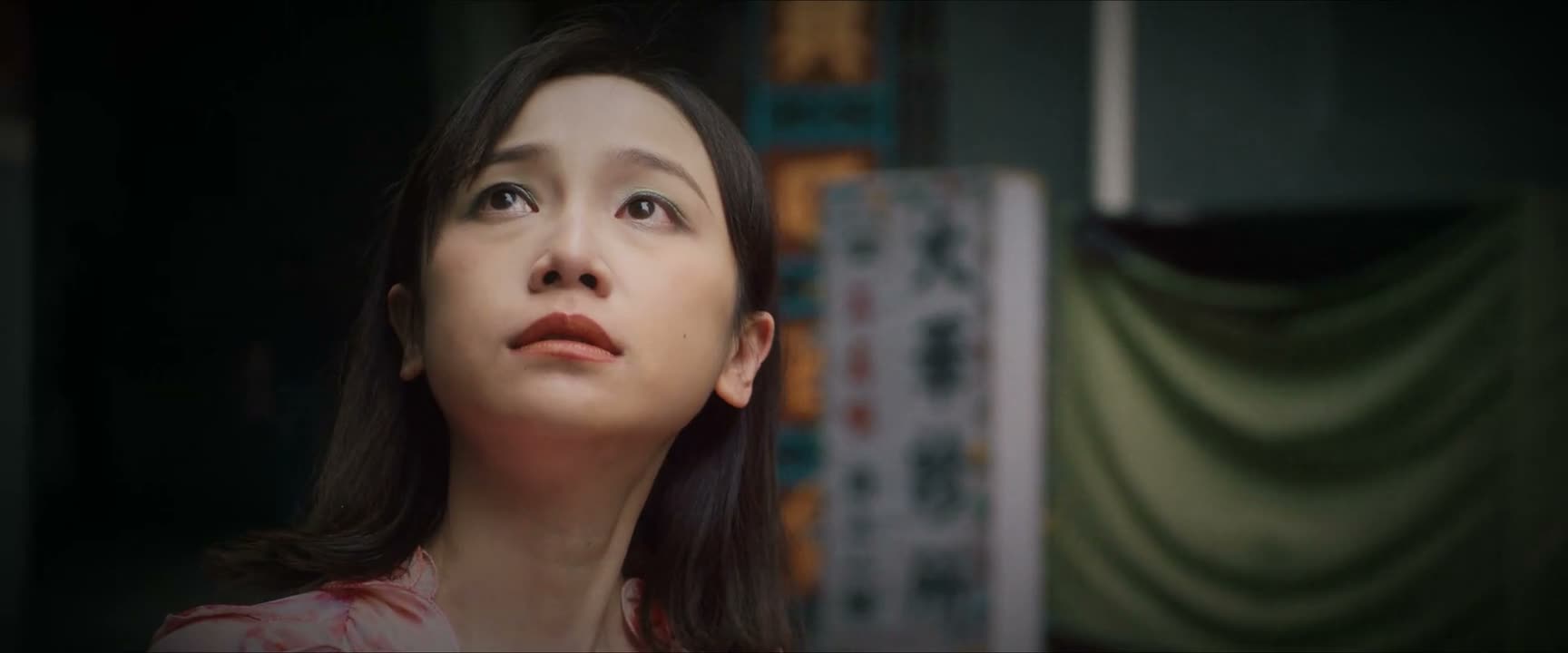
“Sorry. Sorry. I didn't mean to.”
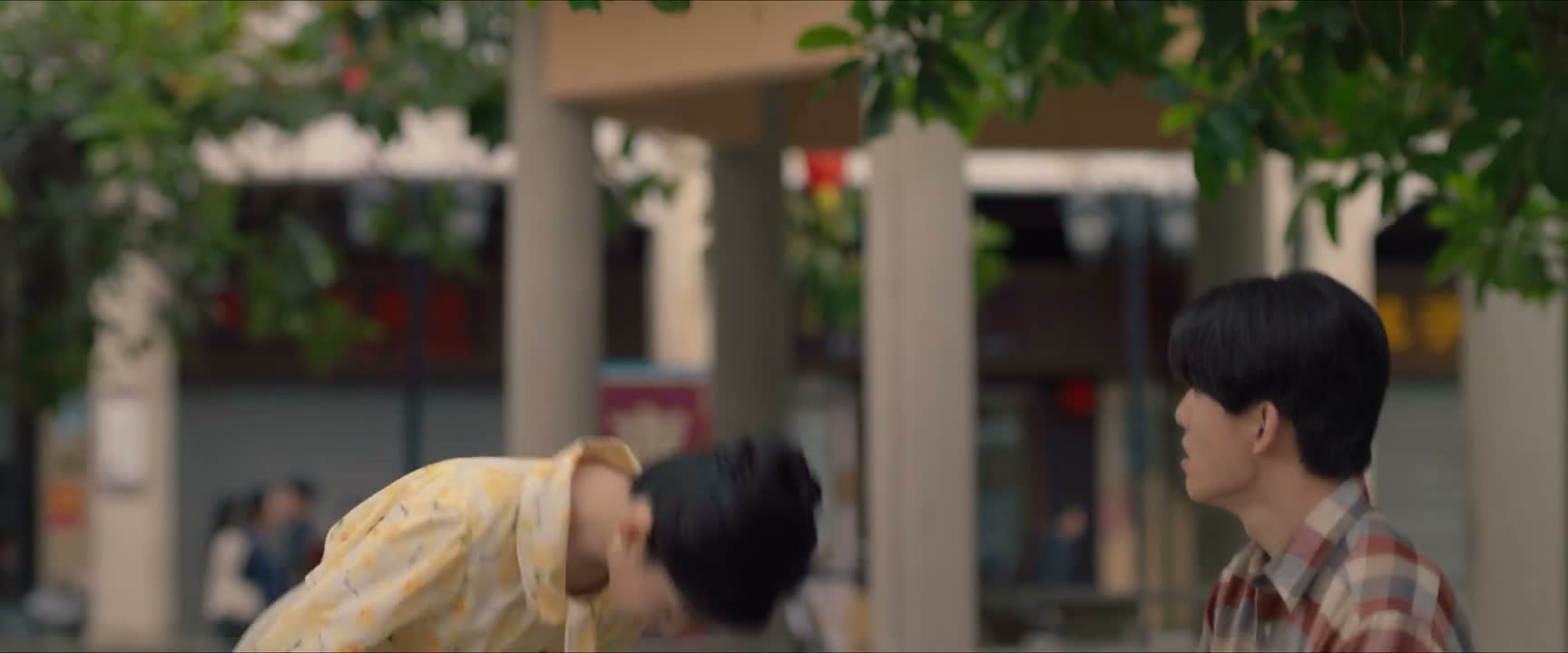
“I'm really sorry. It's okay. No need...”