真对不起啊 我还以为她是去找掌珠呢
“I'm really sorry. I thought she came looking for Zhangzhu,”
THE DIALOGUE REEL
和激烈的冲突
“or serious conflict between them.”
真对不起 啊 我还以为 她是 去找 掌珠 呢
“I'm really sorry. I thought she came looking for Zhangzhu,”
“since she knows Zhangzhu lives with Ms. Lin.”
Direct spoken expression in this communicative setting.
When making an apology, explaining one's mistaken assumption ('I thought that...') helps show that the blunder was not due to ill intent, preserving interpersonal harmony.
LEARNING CHUNKS & PARTICLES
I actually thought / I was under the impression that
Used to explain an innocent mistaken belief after realizing the reality is different.
really sorry / truly apologetic
A straightforward and polite way to express sincere regret for an oversight or error.
Softens the delivery of the apology to make it sound heartfelt and approachable.
Adds a mild interrogative or lingering reflective tone to the clause about the mistaken assumption.
VOCABULARY & EXPRESSIONS
Parallel Spoken Cinema Scenes (语义近邻切片)

“After all, it's a fact that we failed her before.”

“I'm sorry. Oh, so now you know?”

“I'm really sorry.”

“I have failed her.”
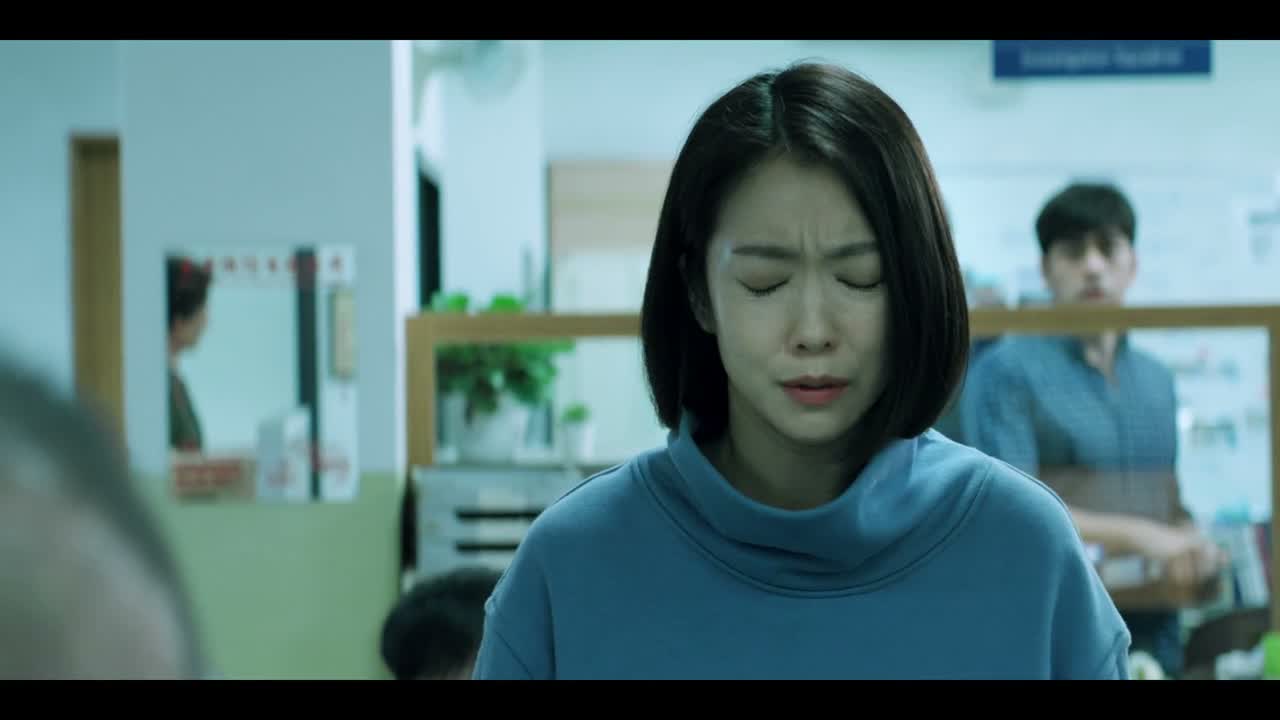
“It's my fault, sir. I misspoke, but I really didn't mean to. I'm sorry. [sighs]”
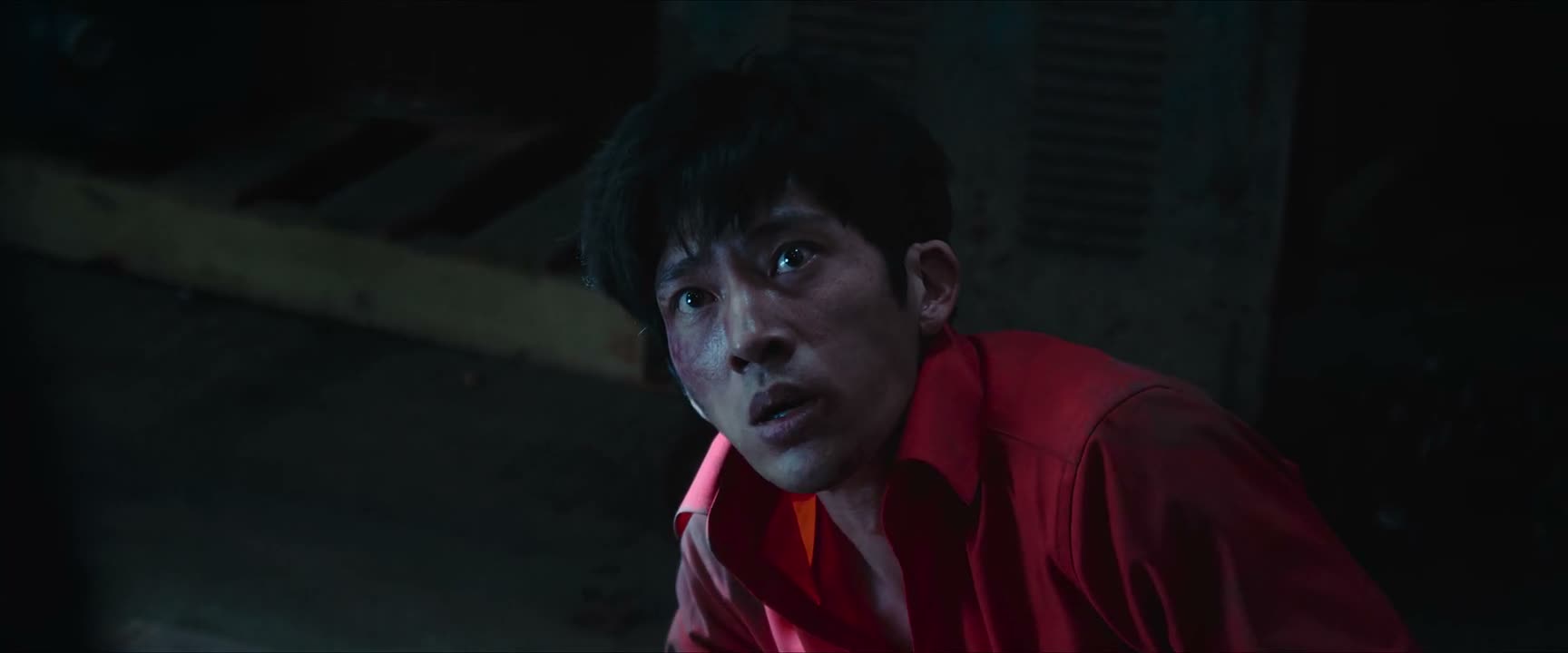
“I'm sorry. I'm sorry. I'm really sorry.”
“I'm really sorry. I didn't do it on purpose.”

“I really am so sorry. It's all my fault. You should know”
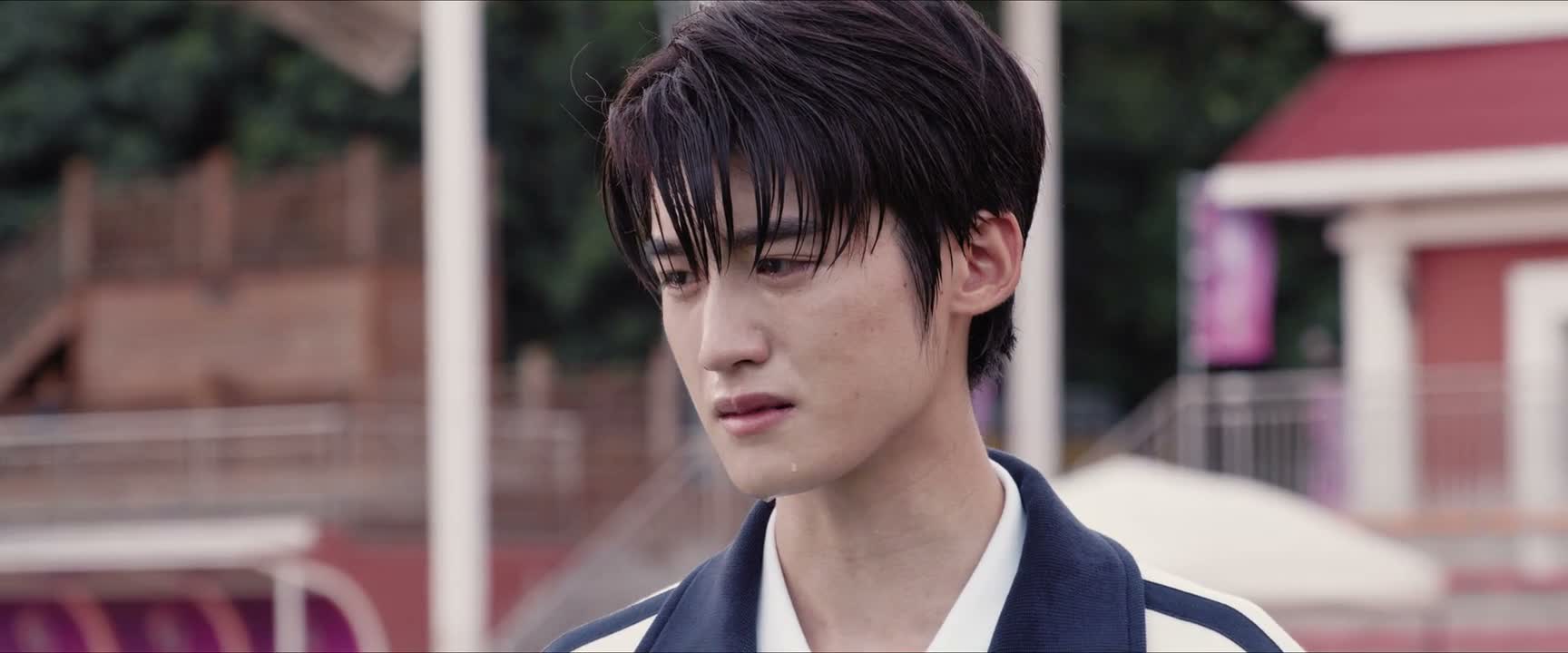
“I'm truly sorry.”

“I'm really sorry.”

“I'm really sorry. It's okay. No need...”