毕竟咱们对不起她 是事实
“After all, it's a fact that we failed her before.”
THE DIALOGUE REEL
“to hold it back for so long. Don't be mad at her.”
毕竟 咱们 对不起她 是事实
“After all, it's a fact that we failed her before.”
你怎么穿我衣服啊
“Why do you wear my clothes?”
Direct spoken expression in this communicative setting.
Chinese interpersonal ethics heavily emphasize reciprocal fairness; feeling indebted or admitting 'duibuqi' reflects an internal moral burden toward the wronged party.
LEARNING CHUNKS & PARTICLES
after all; when all is said and done
Used at the start of a clause to introduce a fundamental reality or compelling justification.
to let someone down; to be unfair to someone
Here used as a transitive predicate meaning to treat someone unjustly or owe them an apology, not merely as 'excuse me'.
VOCABULARY & EXPRESSIONS
Parallel Spoken Cinema Scenes (语义近邻切片)

“She apologized to me, which made me feel bad.”

“I'm sorry. I'm sorry. It was really our oversight.”

“I let him down this time.”

“I feel I really sorry about all this.”

“I'm really sorry about what happened last time.”

“I'm sorry. I'm so sorry.”
“will now... Sorry.”
“I have failed her.”
“I feel like I've let you down.”
“I'm really sorry. I didn't do it on purpose.”

“I'm really sorry. I thought she came looking for Zhangzhu,”

“The one who should be apologizing is me.”

“But what if things don't work out the way she hopes? Is it fair?”
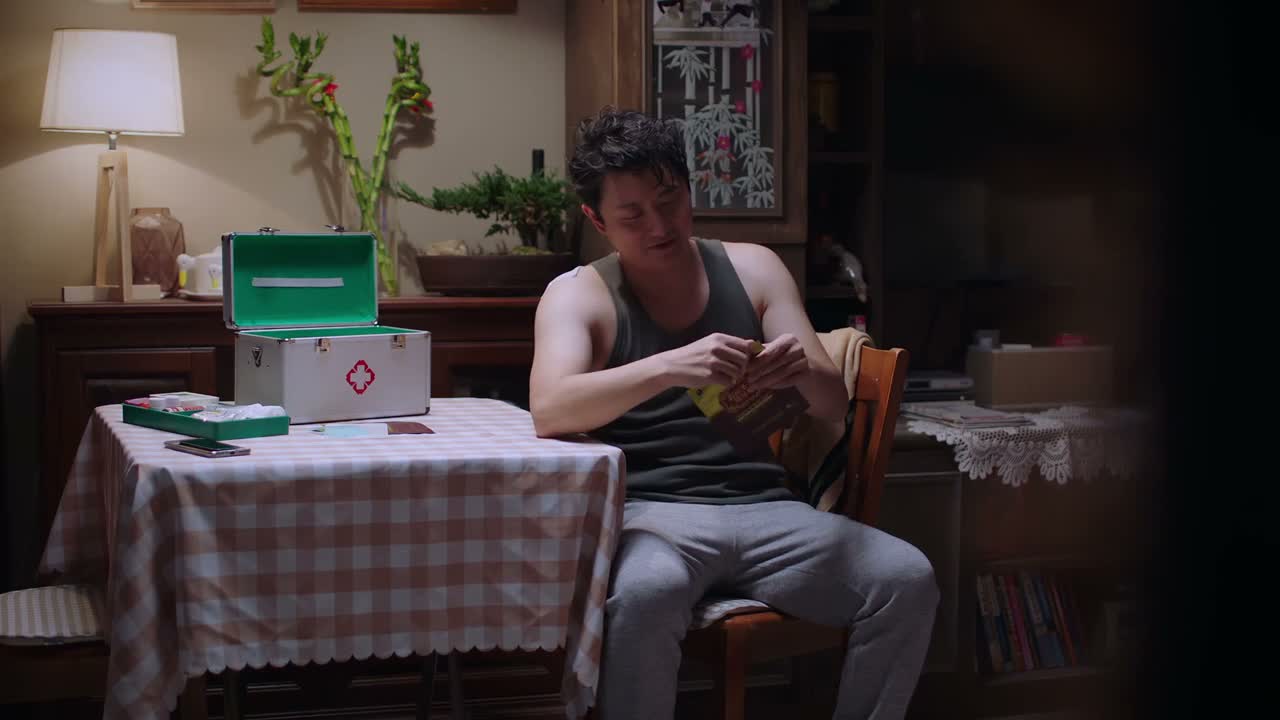
“How can it get to the point of saying sorry?”

“I'm truly sorry.”
“I'm really sorry. It's okay. No need...”