又怎么扯到对不起上了
“How can it get to the point of saying sorry?”
THE DIALOGUE REEL
对不起
“Sorry.”
又 怎么 扯到 对不起 上了
“How can it get to the point of saying sorry?”
你说说
“Tell me about it.”
“You don't need to apologize; that's not the issue at all.”
In close Chinese relationships, overusing formal apologies like '对不起' can create unwanted emotional distance (见外), often prompting impatience.
LEARNING CHUNKS & PARTICLES
to drag [a topic] into the conversation / to digress into
Highly colloquial idiom meaning to force an unrelated or unnecessary issue into an ongoing discussion.
I'm sorry / apology
Here treated as a noun concept representing an apology rather than an active interjection.
Indicates the shift in topic that the speaker finds unexpected or inappropriate.
VOCABULARY & EXPRESSIONS
Parallel Spoken Cinema Scenes (语义近邻切片)

“Yes, I'm sorry. I'm really sorry. You haven't improved at all.”

“Always "I'm sorry." Is saying sorry useful?”
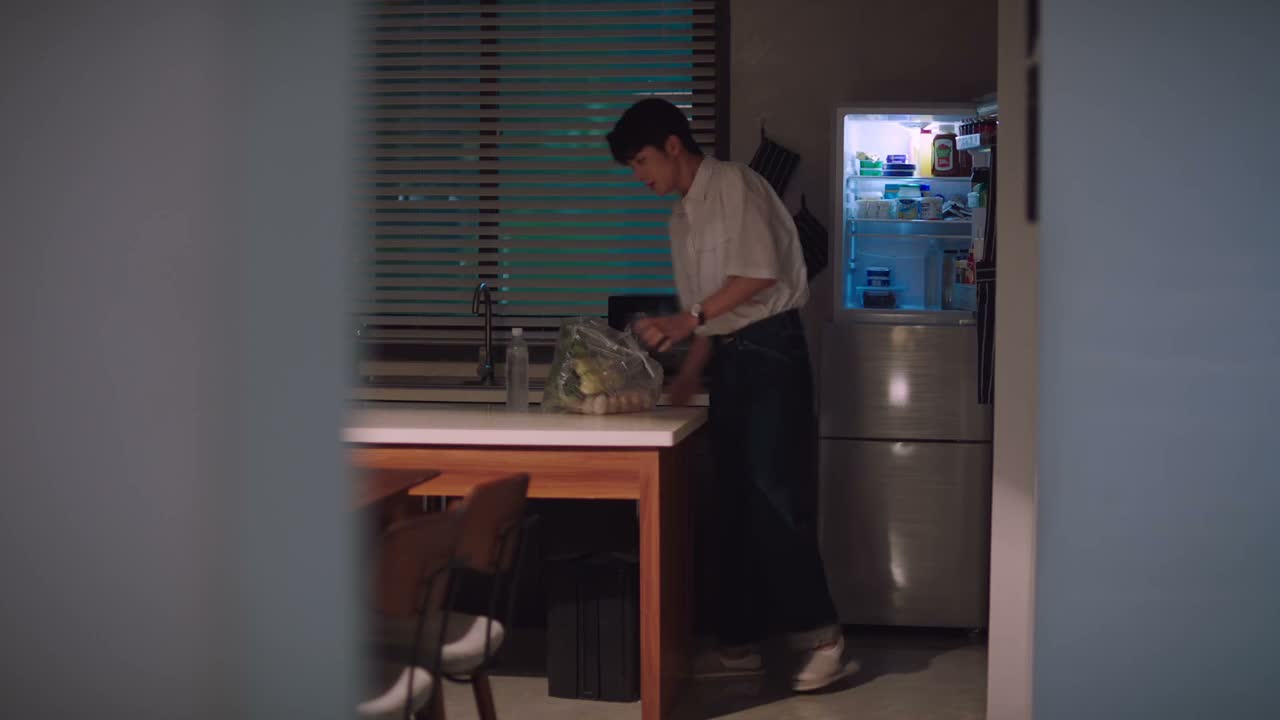
“After all, it's a fact that we failed her before.”
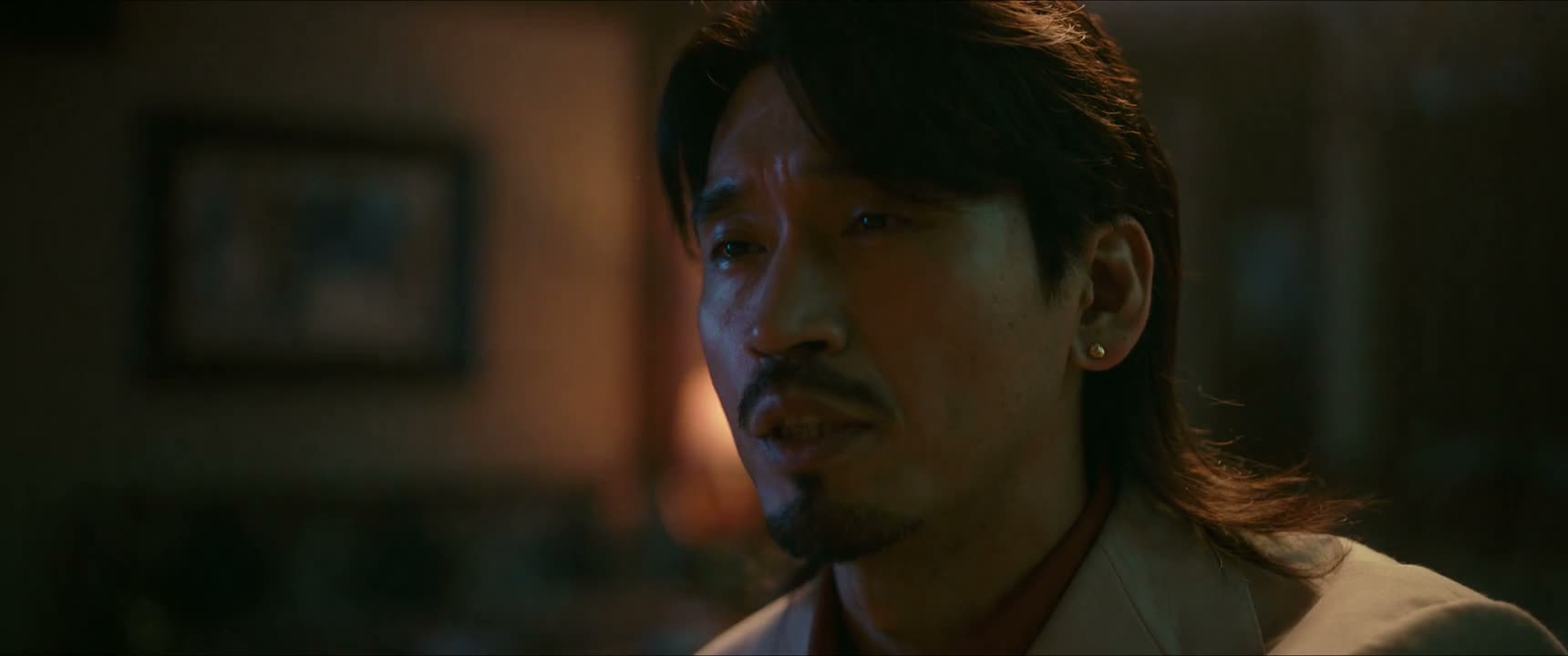
“How did he let Mr. Rong down?”

“I let him down this time.”

“I feel I really sorry about all this.”

“I'm really sorry about what happened last time.”
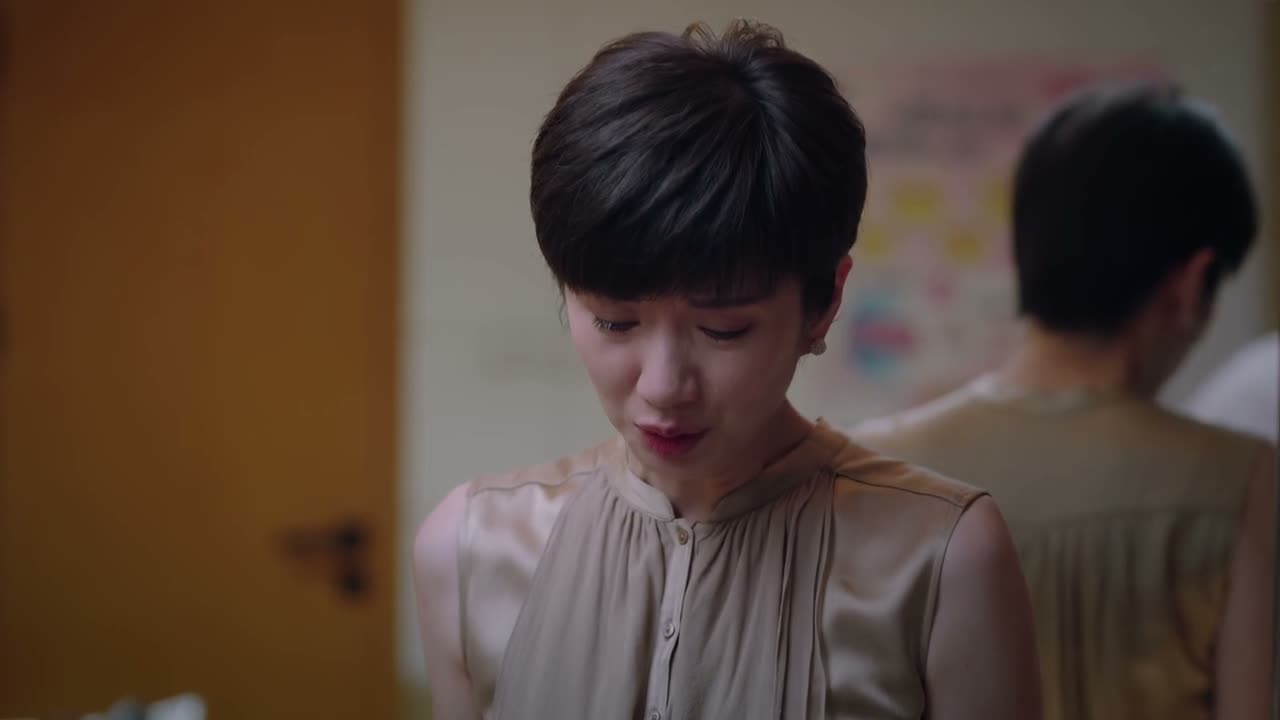
“Sorry. Don't say sorry.”

“I always feel sorry for you.”

“I'm sorry. I'm so sorry.”
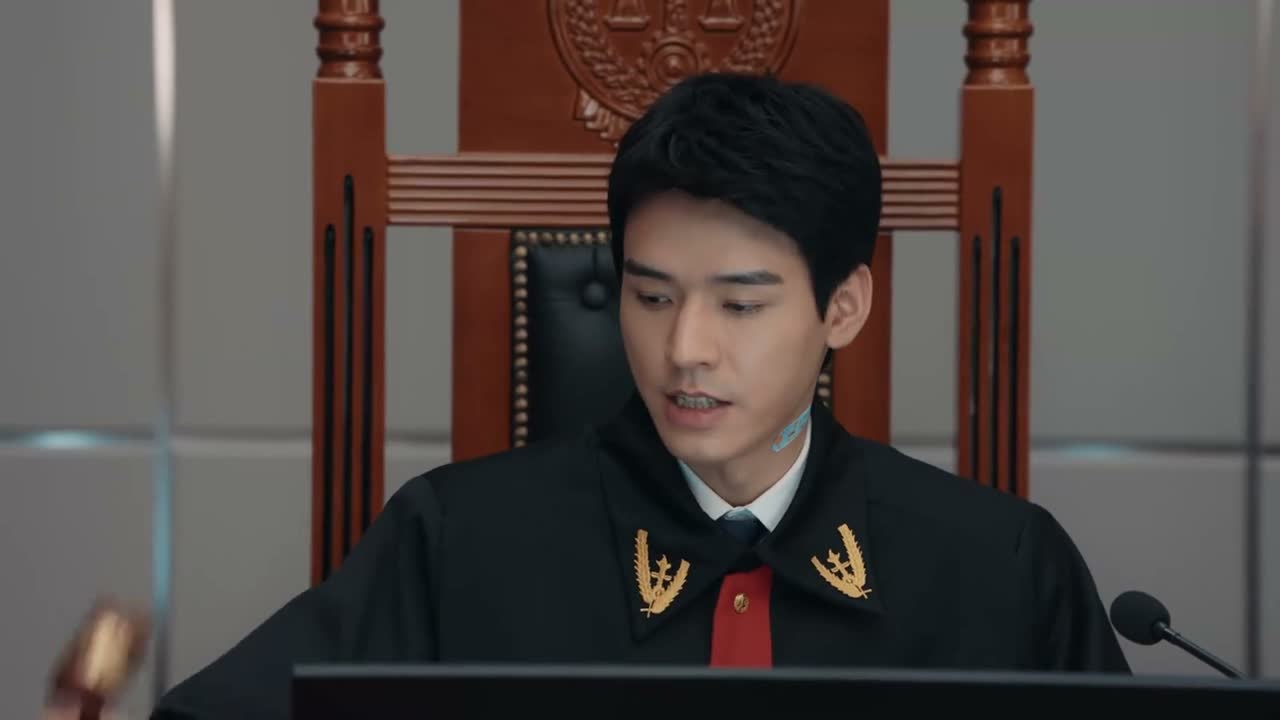
“will now... Sorry.”

“You don't need to feel sorry.”

“I feel like I've let you down.”

“it would be unfair to what he suffered.”

“I'm the one who should say sorry.”