对不起 你别说对不起
“Sorry. Don't say sorry.”
THE DIALOGUE REEL
给从来不曾抛弃我的人
“to those who hadn't abandoned me.”
对不起 你别说 对不起
“Sorry. Don't say sorry.”
我求你了
“I beg you.”
“You have nothing to apologize for, and hearing you blame yourself is breaking my heart.”
In close Chinese relationships, formal apologies like 'duibuqi' can feel distancing or agonizing, as intimate partners are expected to share burdens rather than exchange formal apologies.
LEARNING CHUNKS & PARTICLES
don't say you're sorry; stop apologizing
Spoken urgently when someone feels the other person is unjustifiably taking the blame or when apologies cause emotional pain.
VOCABULARY & EXPRESSIONS
Parallel Spoken Cinema Scenes (语义近邻切片)

“Do you think the whole world owes you?”

“I've always owed you an apology. Stop right there.”

“so I could apologize to you in person.”
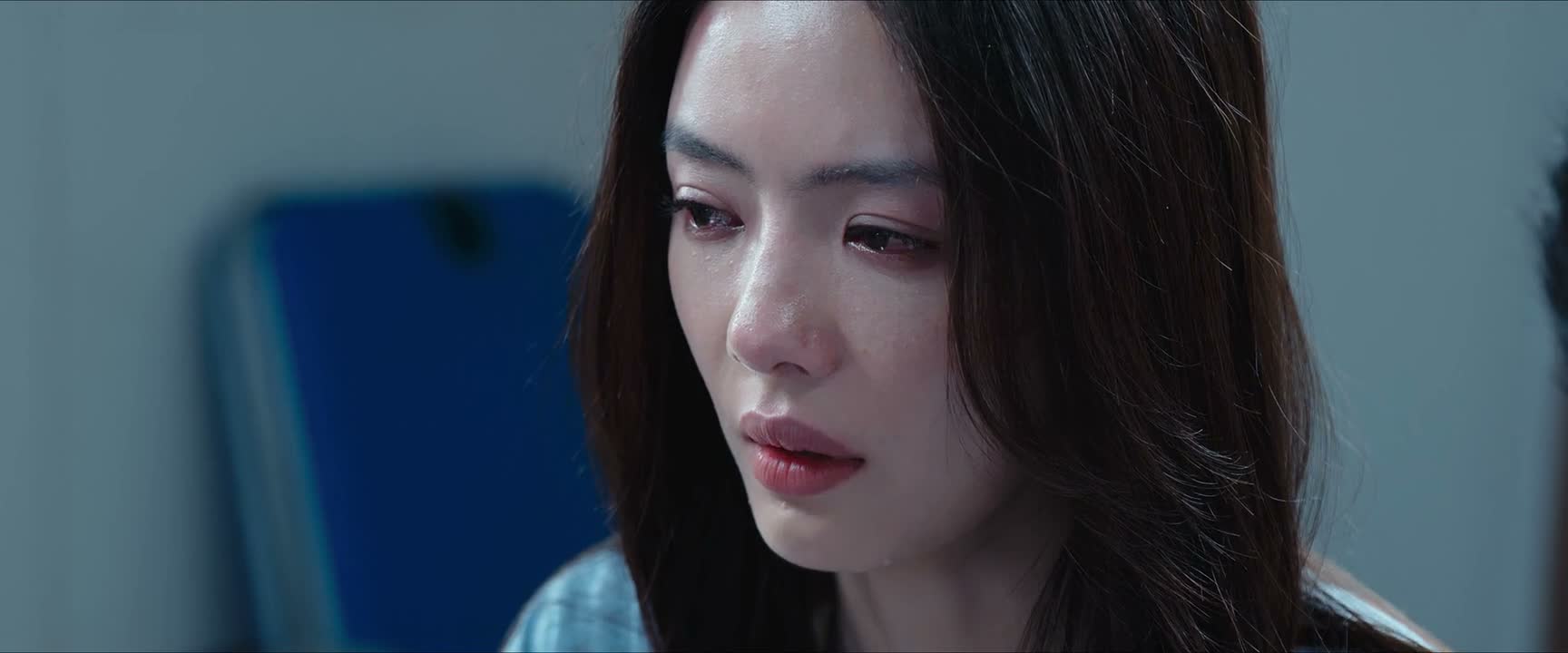
“You're always apologizing to me.”

“So you do know you did wrong.”
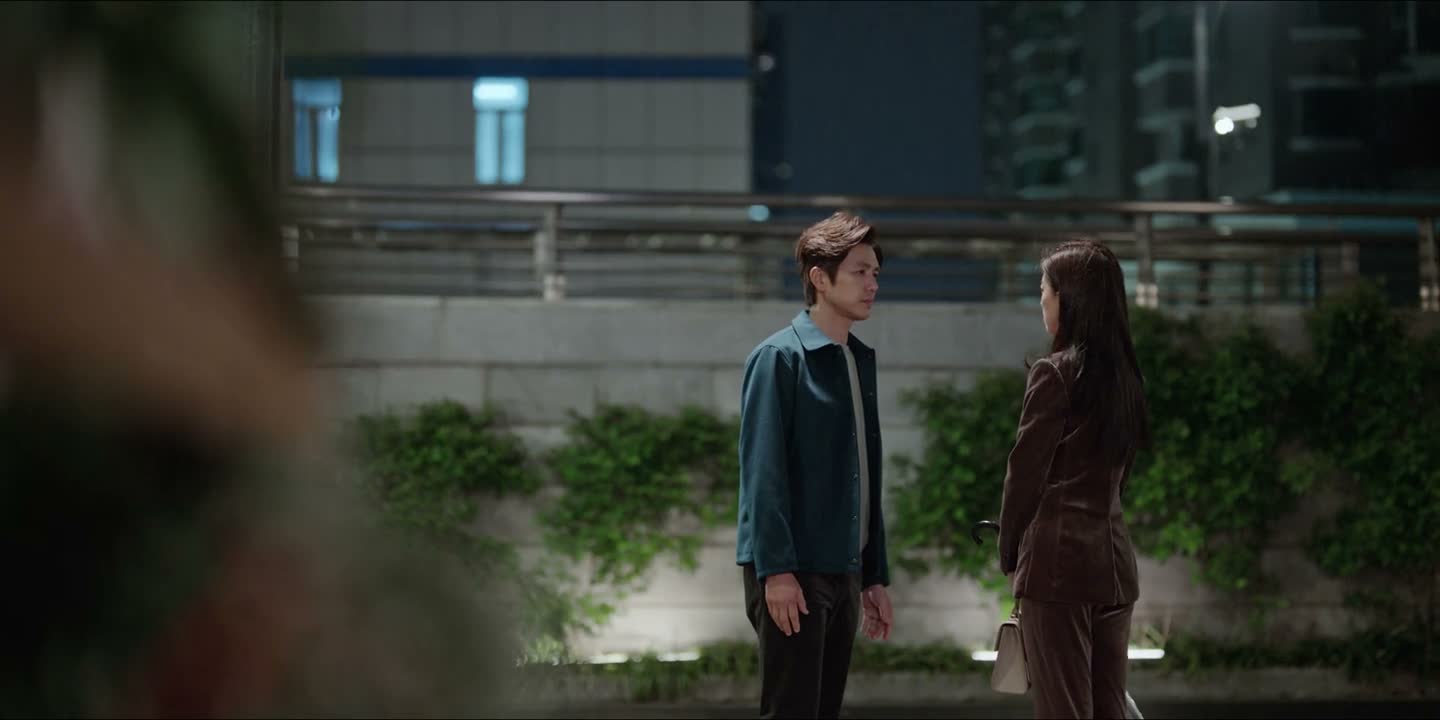
“you just say sorry to coax me.”
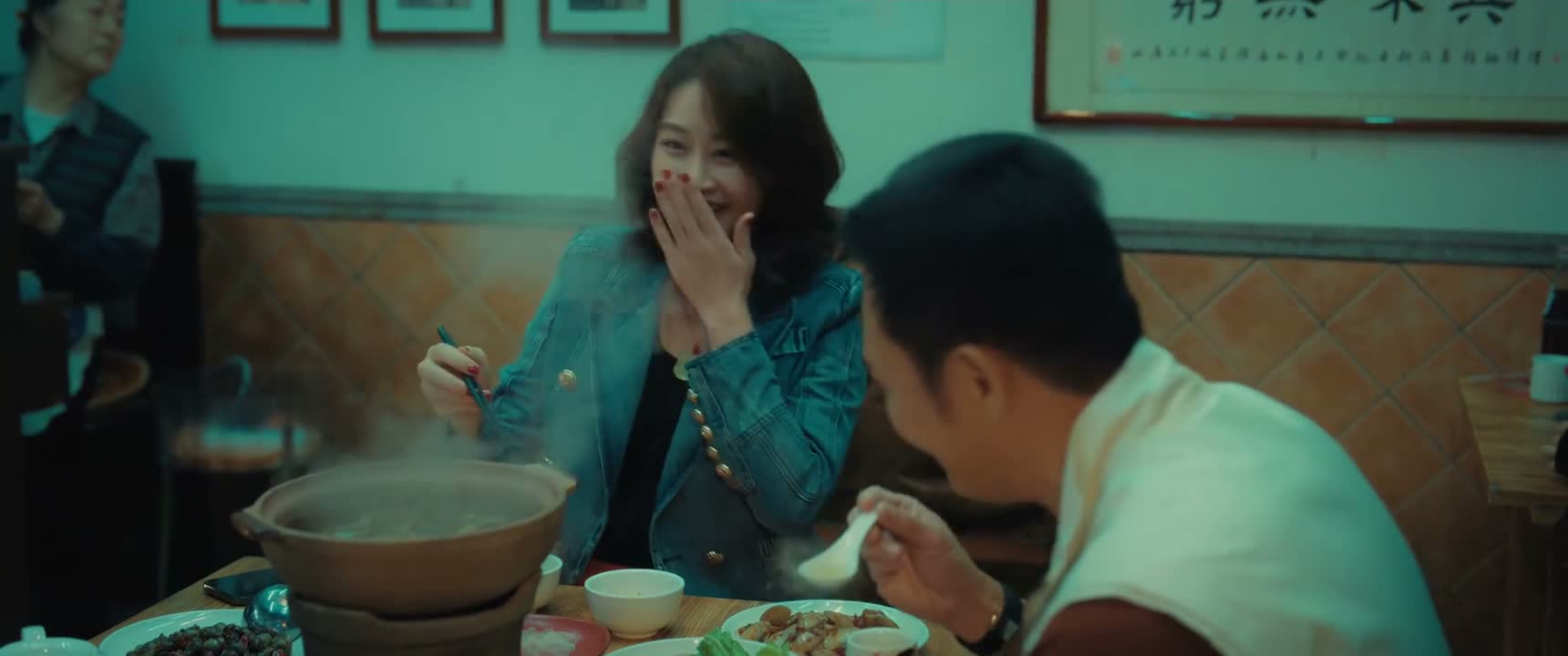
“Sorry. Pretend I didn't say that.”

“Don't apologize to me. If you'd act a little more ladylike, I'd be grateful.”

“Sorry. I'm really sorry.”

“I always feel sorry for you.”

“Sorry. Hearing you go on like this makes me”

“Sorry, Ling. I'm so sorry.”

“I'm sorry. I'm so sorry.”

“will now... Sorry.”

“Why are you saying sorry? This is what I wanted to do.”

“I should apologize to you.”

“I feel like I've let you down.”
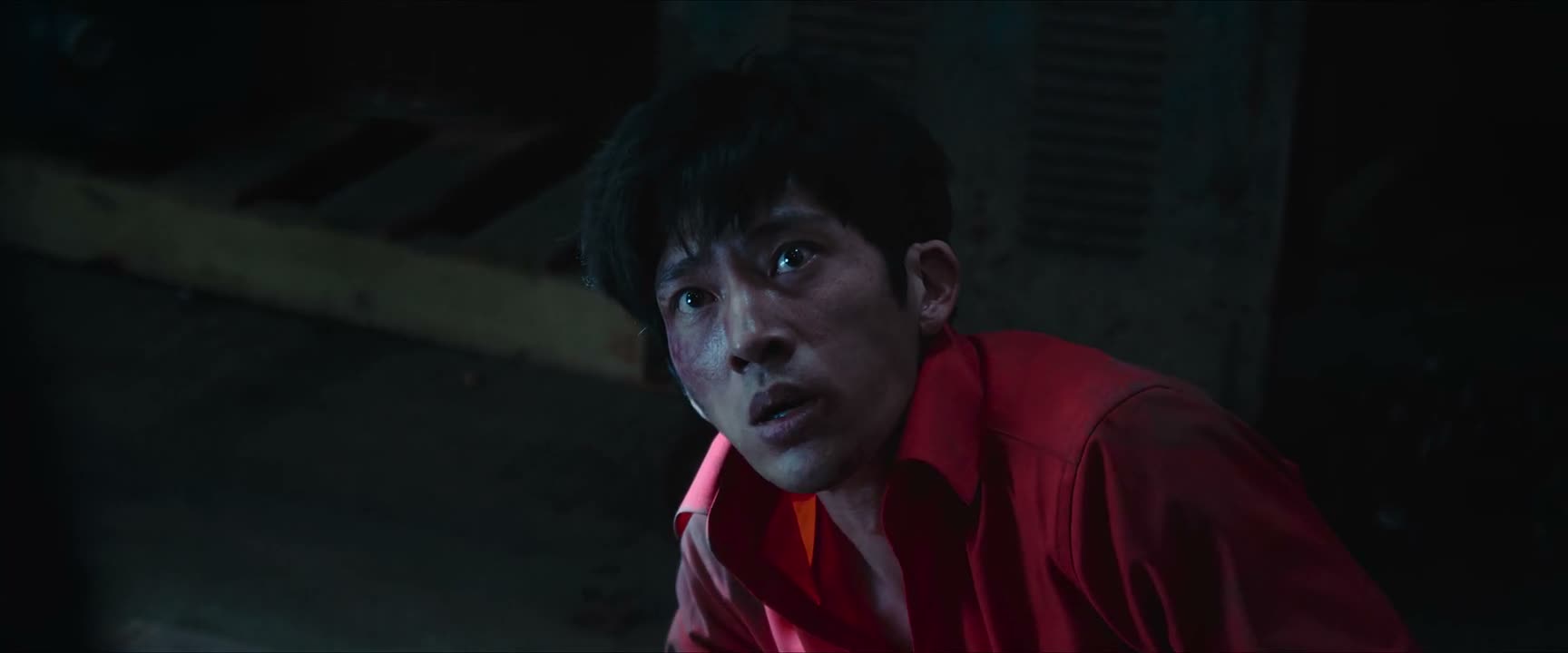
“I'm sorry. I'm sorry. I'm really sorry.”
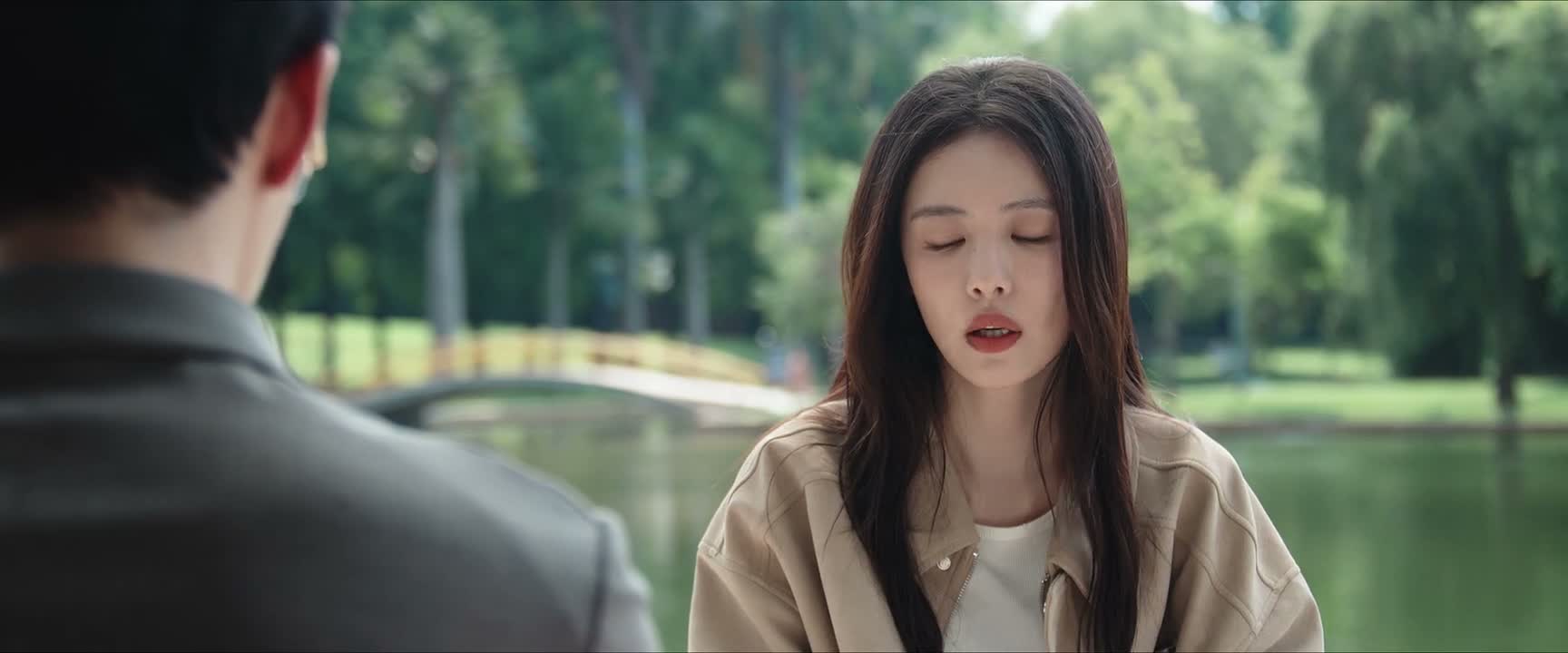
“The one who should be apologizing is me.”

“I told you to say "Mom, I'm sorry."”

“How can it get to the point of saying sorry?”
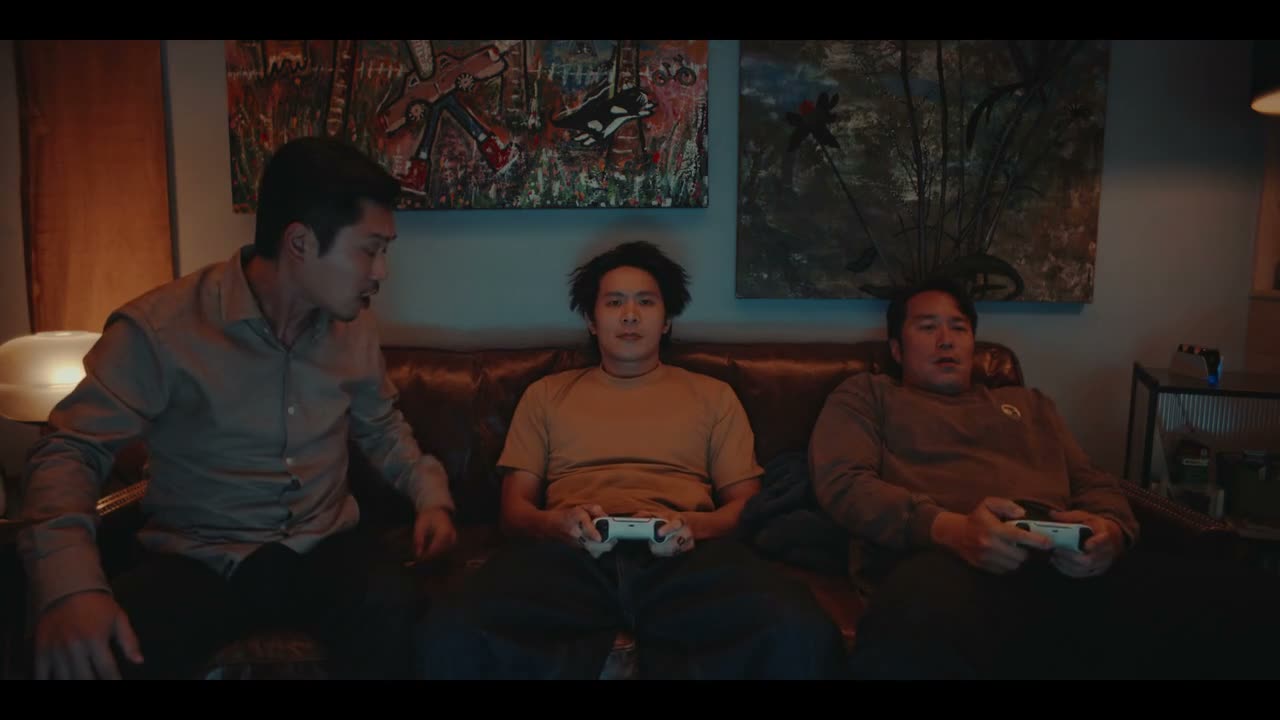
“Not even a real apology. And you're standing there laughing?”
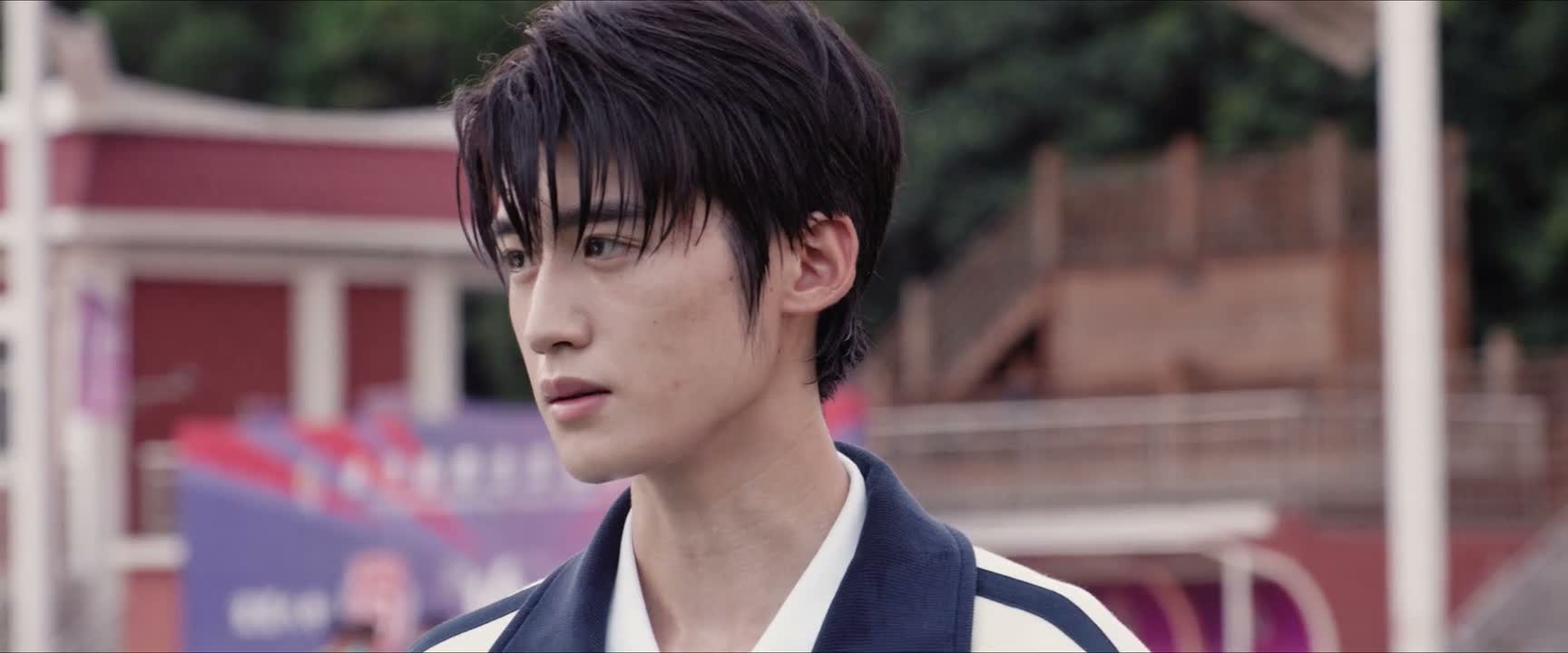
“I'm the one who should say sorry.”
“I… I'm sorry.”