你说什么对不起 这是我自己想干的事
“Why are you saying sorry? This is what I wanted to do.”
THE DIALOGUE REEL
对不起啊
“I'm sorry.”
你说什么对不起 这 是我自己 想 干的 事
“Why are you saying sorry? This is what I wanted to do.”
就算不是为了你 不为了蕾蕾
“Even if it wasn't for you or Leilei,”
“Don't feel guilty on my account; I made this choice willingly.”
In Chinese culture, explicit apologies ('duibuqi') between close family or friends can feel overly formal and distancing. Rejecting the apology with a mild rhetorical question is a common way to show closeness and alleviate the other person's burden.
LEARNING CHUNKS & PARTICLES
what are you apologizing for? / why say sorry?
A warm, slightly blunt way to brush off an unnecessary apology from someone close to you.
something one wants to do oneself
Used to assert personal willpower and take full responsibility for an action.
VOCABULARY & EXPRESSIONS
Parallel Spoken Cinema Scenes (语义近邻切片)

“Do you think the whole world owes you?”

“I've always owed you an apology. Stop right there.”

“so I could apologize to you in person.”
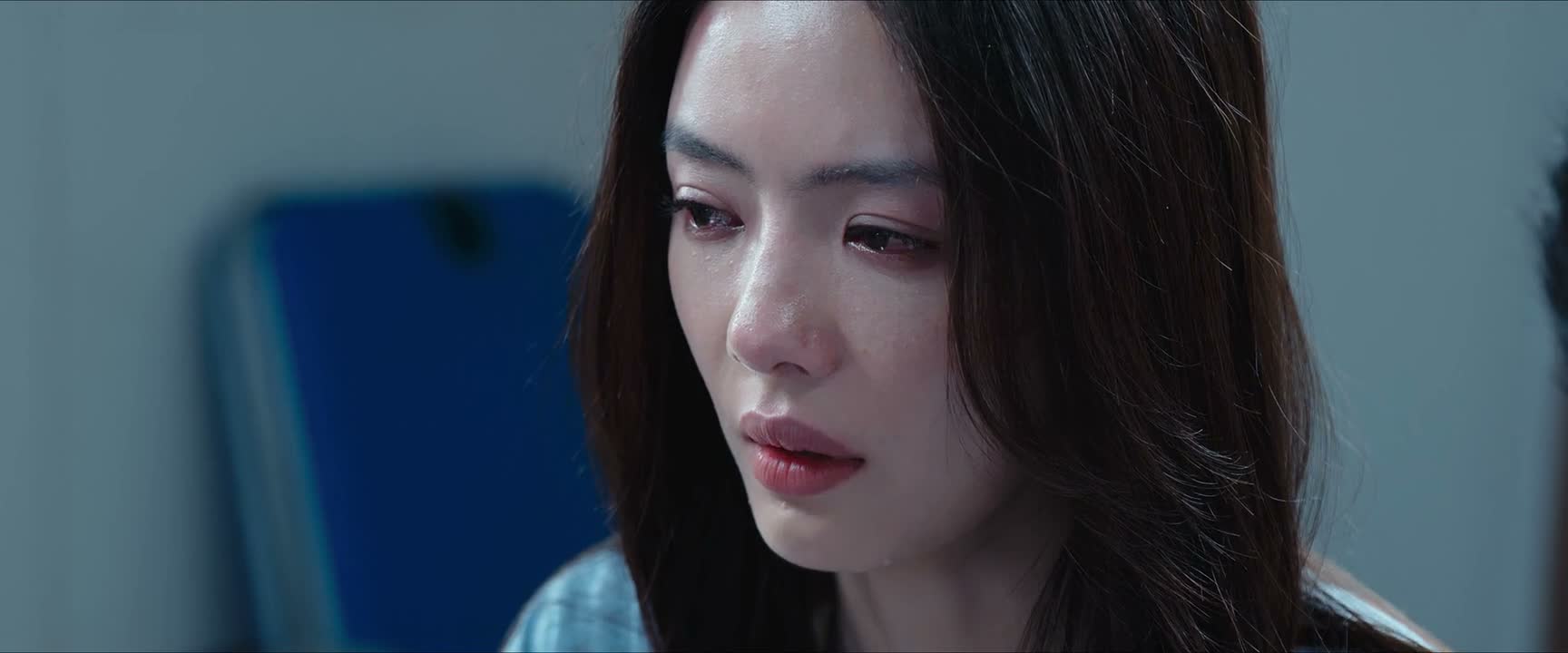
“You're always apologizing to me.”
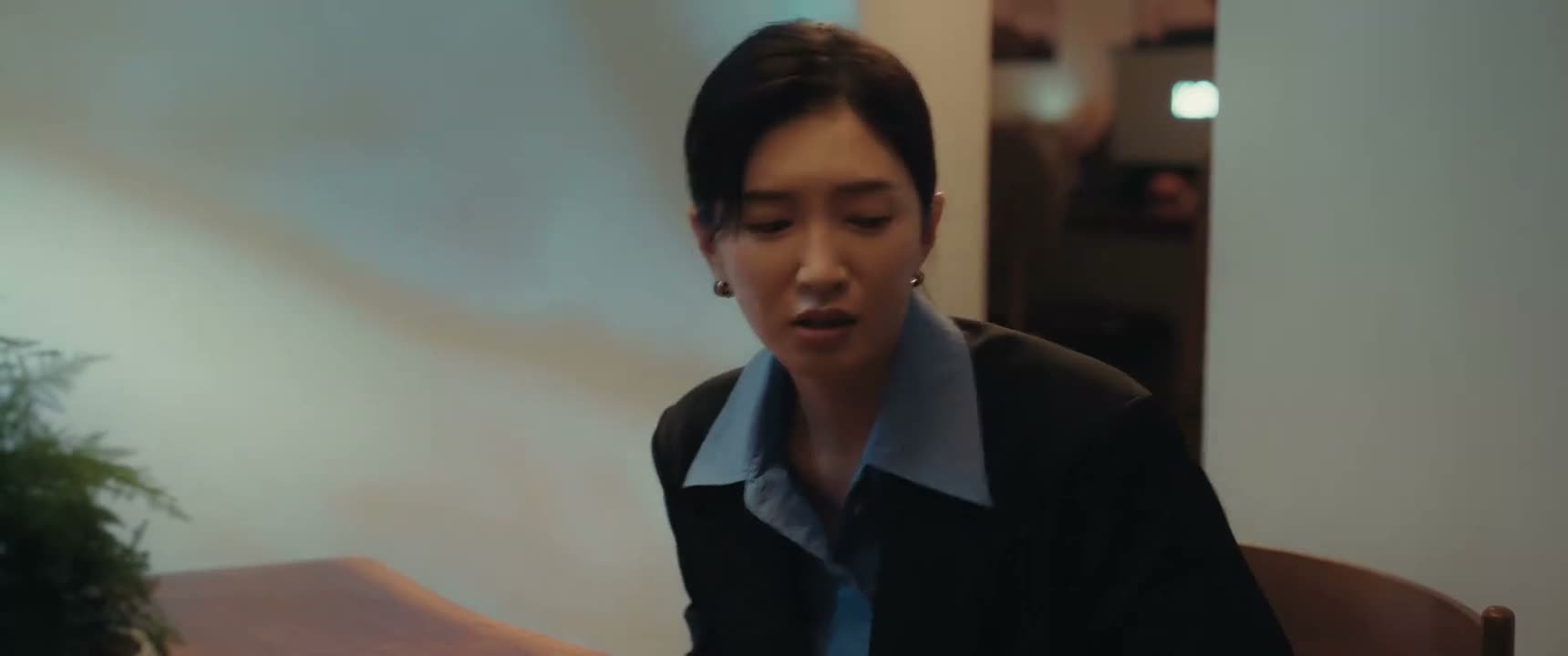
“What for? You didn't take the photo.”

“Have I ever done you wrong?”
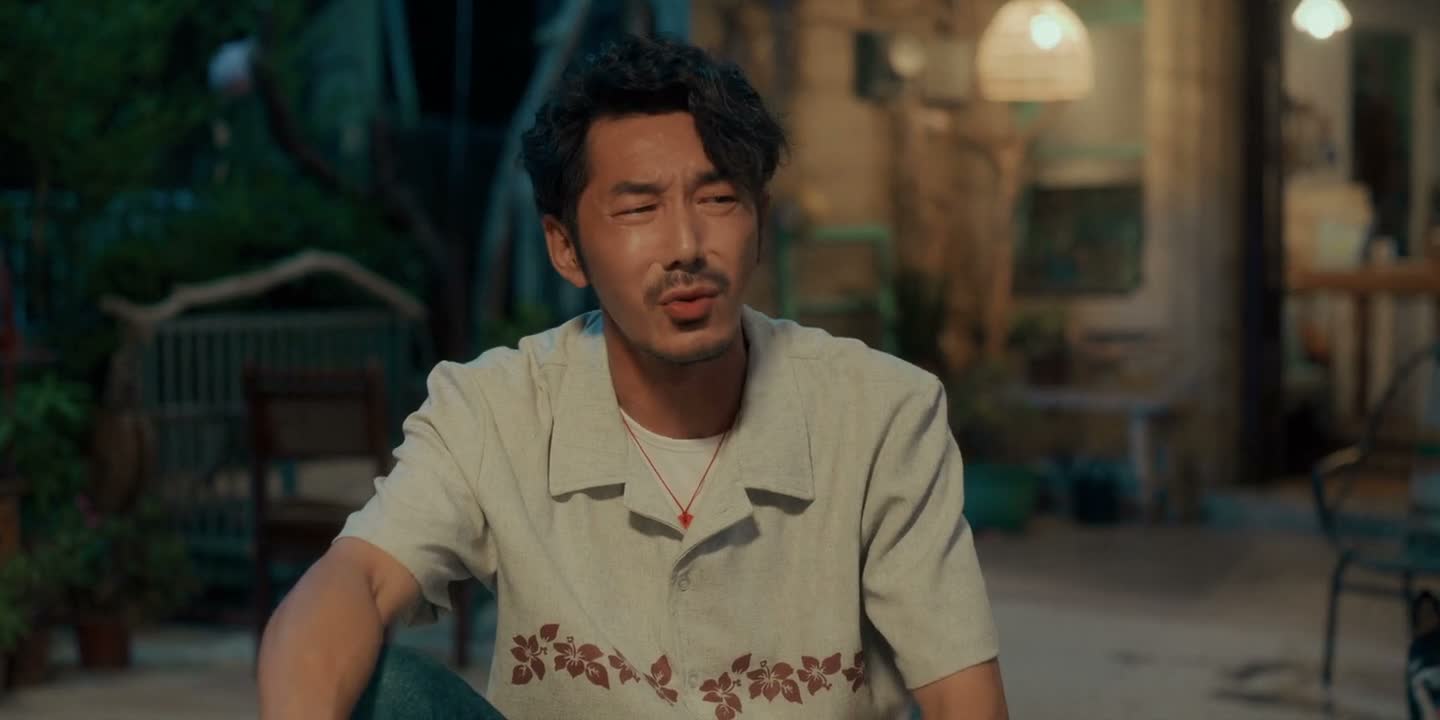
“What are you sorry for?”

“Don't apologize to me. If you'd act a little more ladylike, I'd be grateful.”

“Sorry. Don't say sorry.”

“I always feel sorry for you.”

“I'm sorry. I'm so sorry.”

“will now... Sorry.”

“You don't need to feel sorry.”

“So I've always wanted to apologize to you.”

“I feel like I've let you down.”

“The one who should be apologizing is me.”

“I told you to say "Mom, I'm sorry."”
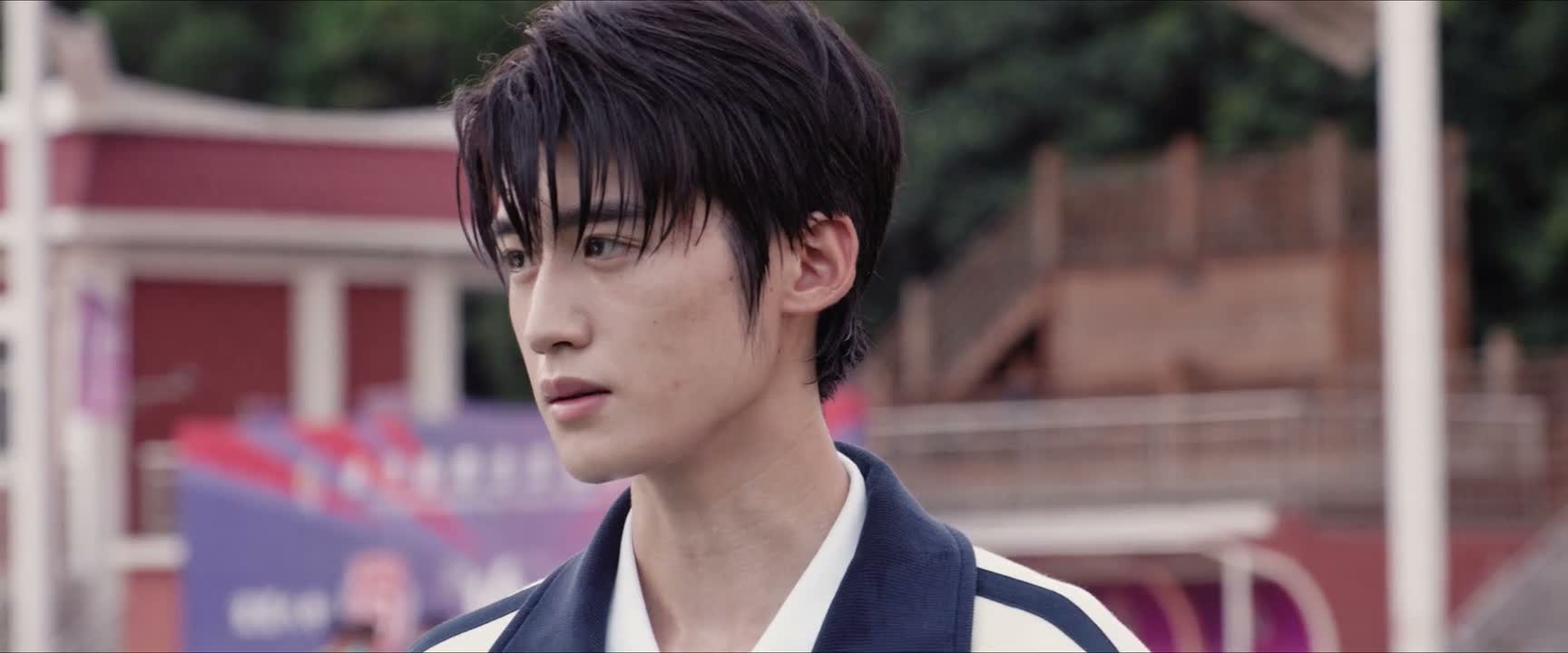
“I'm the one who should say sorry.”

“You've let yourself down!”