该说对不起的人 应该是我
“The one who should be apologizing is me.”
THE DIALOGUE REEL
对不起
“I'm sorry.”
该说对不起的人 应该是 我
“The one who should be apologizing is me.”
“I really thought I could do this. I wanted to give it a try.”
“Do not blame yourself; I am the one who messed up and caused this.”
In Chinese close relationships, preempting or redirecting an apology shows mutual consideration and a desire to protect the other person's feelings.
LEARNING CHUNKS & PARTICLES
the person who ought to apologize
Use this structure to graciously shoulder responsibility when someone else tries to apologize to you.
should be me
A common phrase used to redirect fault, credit, or obligation back onto oneself.
VOCABULARY & EXPRESSIONS
Parallel Spoken Cinema Scenes (语义近邻切片)

“Actually, I should be the one to apologize.”

“I'm sorry, Mr. Xiao. I really can't recall anything.”

“Do you think the whole world owes you?”

“After all, it's a fact that we failed her before.”

“I've always owed you an apology. Stop right there.”

“so I could apologize to you in person.”
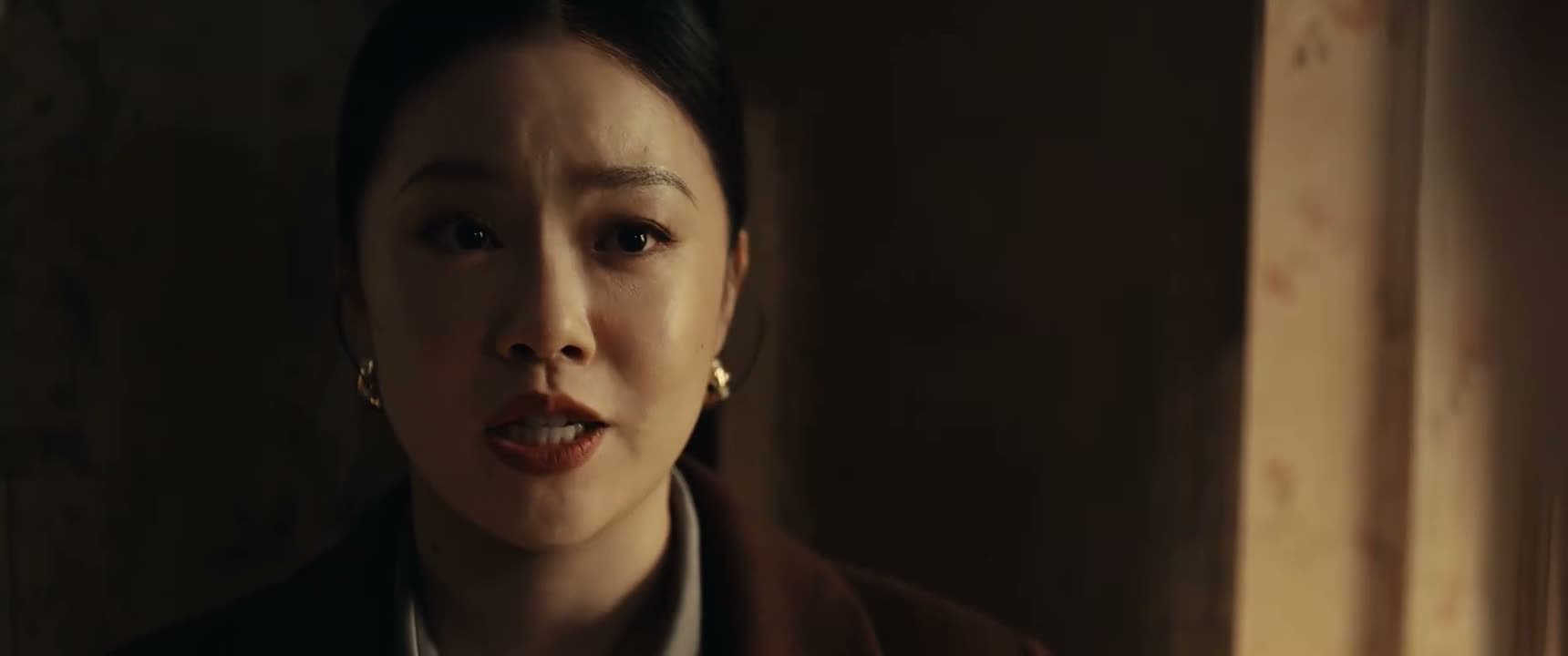
“and also the two people you believe you've hurt the most.”
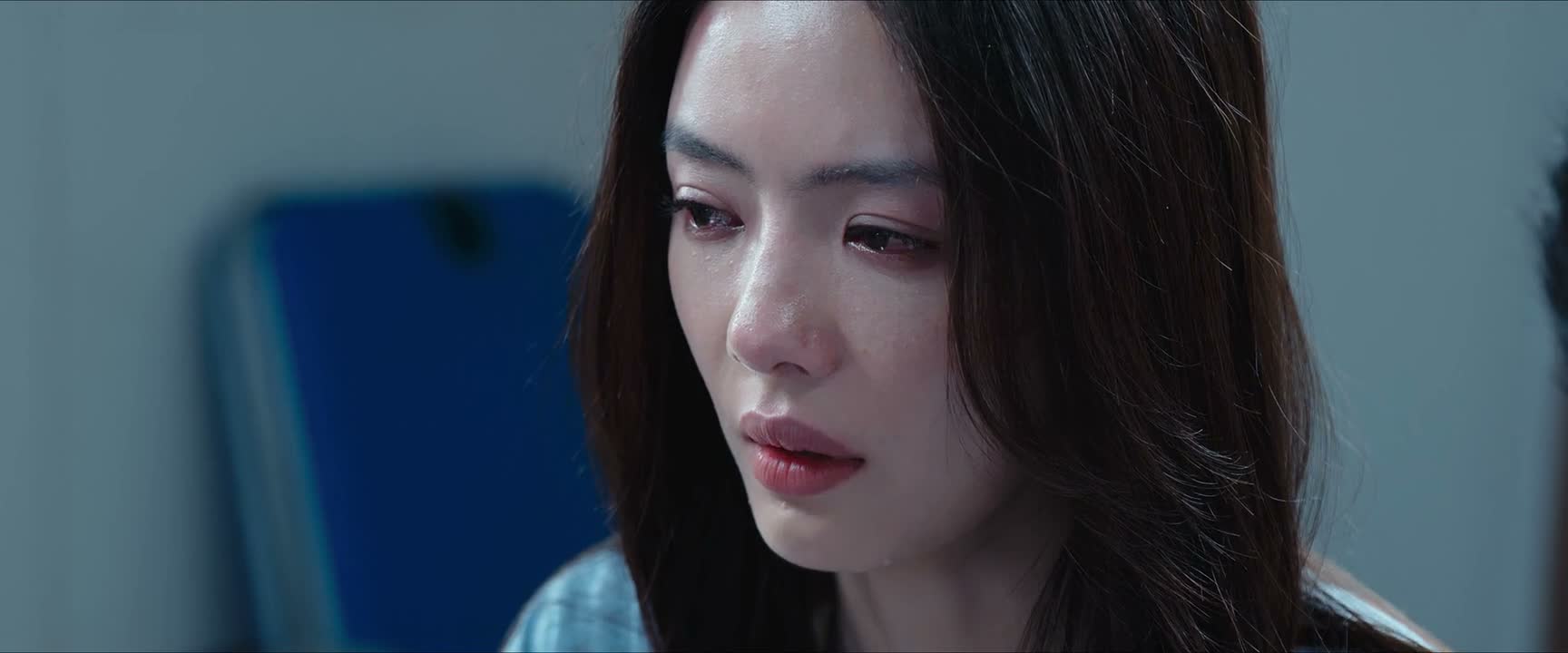
“You're always apologizing to me.”

“or perhaps from the very beginning, I never should have... Your Highness, I'm sorry.”
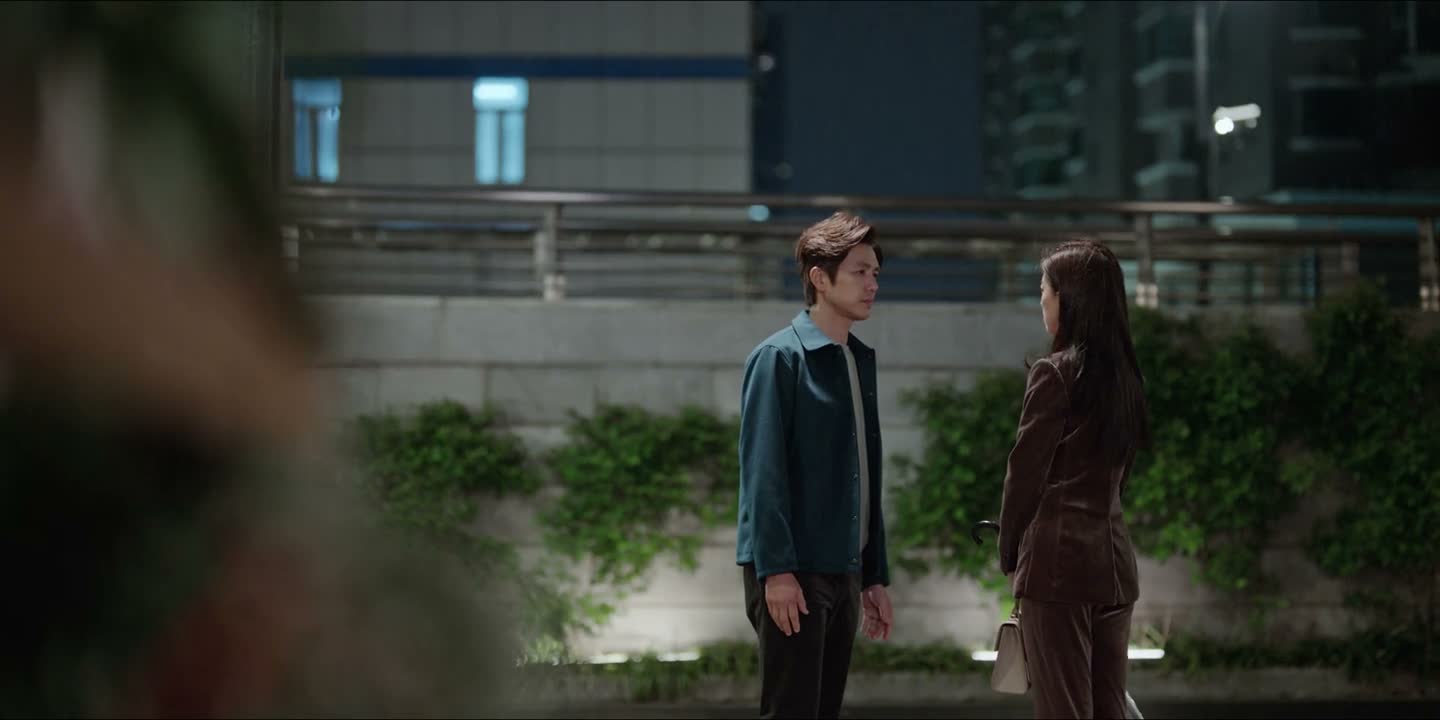
“you just say sorry to coax me.”

“I feel I really sorry about all this.”
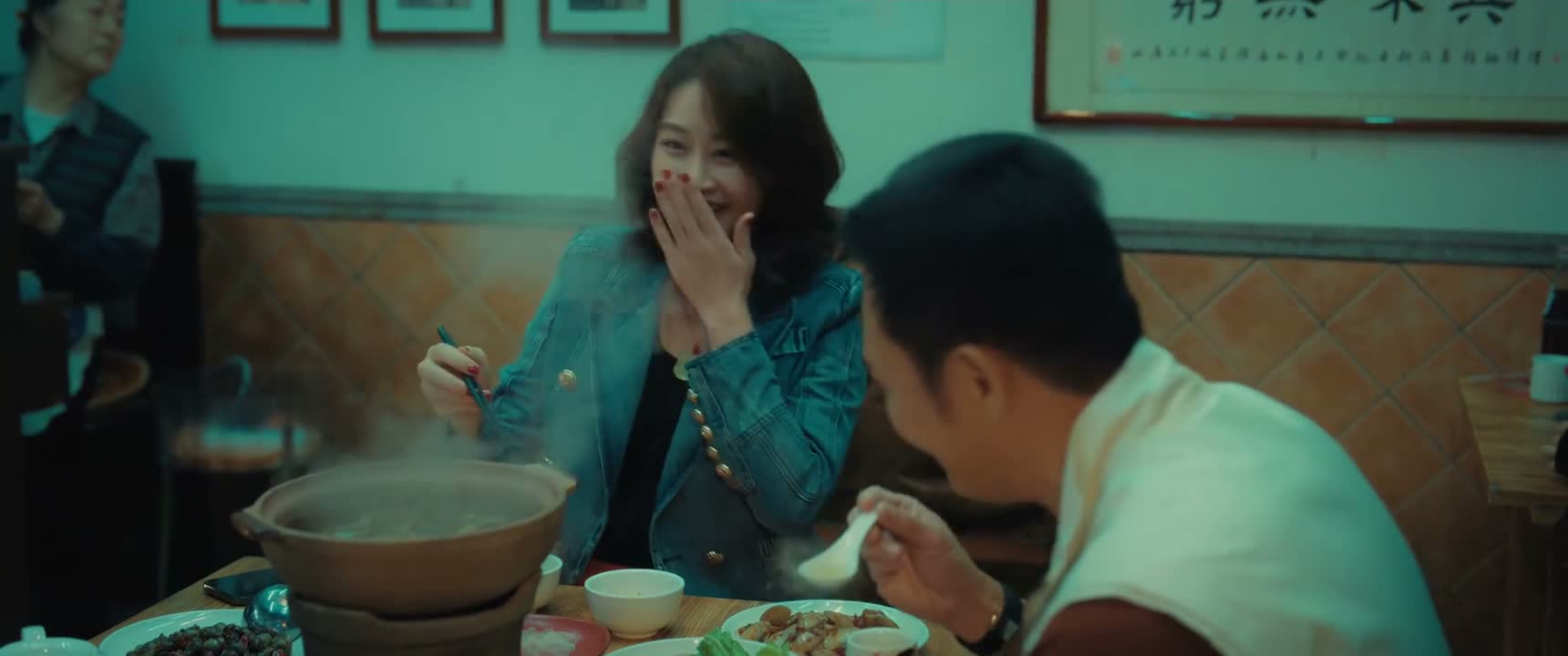
“Sorry. Pretend I didn't say that.”

“And to your friend. Satisfied now? Not yet.”

“anyone in this life... it's you...”
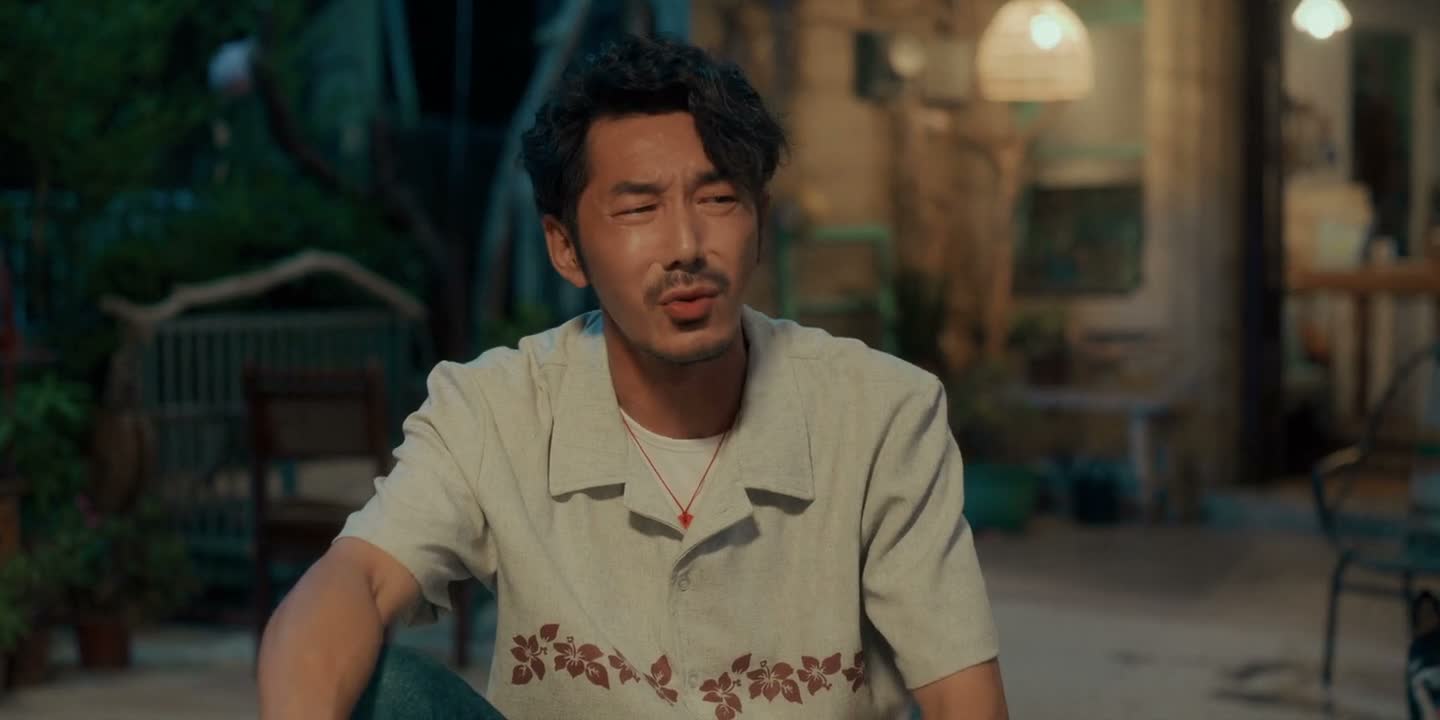
“What are you sorry for?”

“Don't apologize to me. If you'd act a little more ladylike, I'd be grateful.”

“Sorry. Don't say sorry.”

“I always feel sorry for you.”

“Sorry, Ling. I'm so sorry.”

“I'm sorry. I'm so sorry.”

“will now... Sorry.”
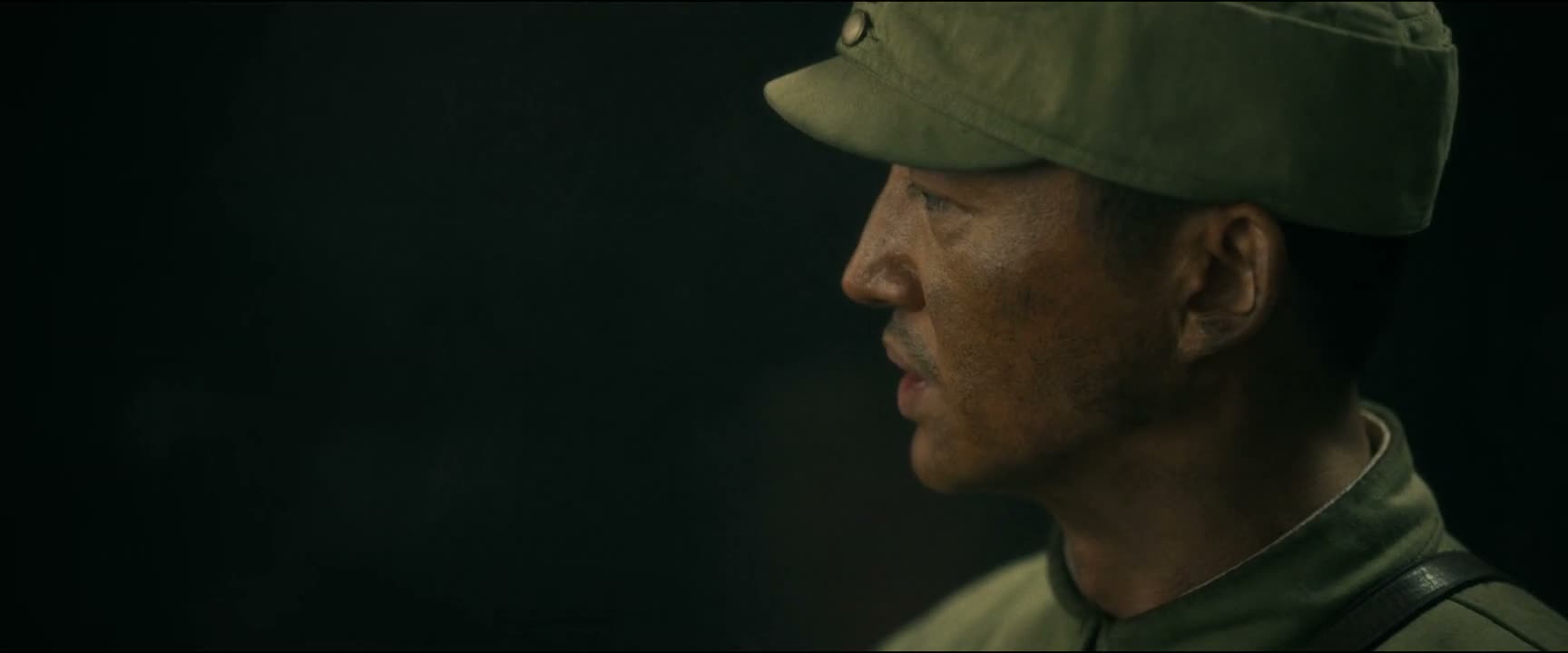
“But I'm sorry. I broke my promise again.”

“Why are you saying sorry? This is what I wanted to do.”

“I should apologize to you.”

“Please also tell Uncle He that I'm sorry.”
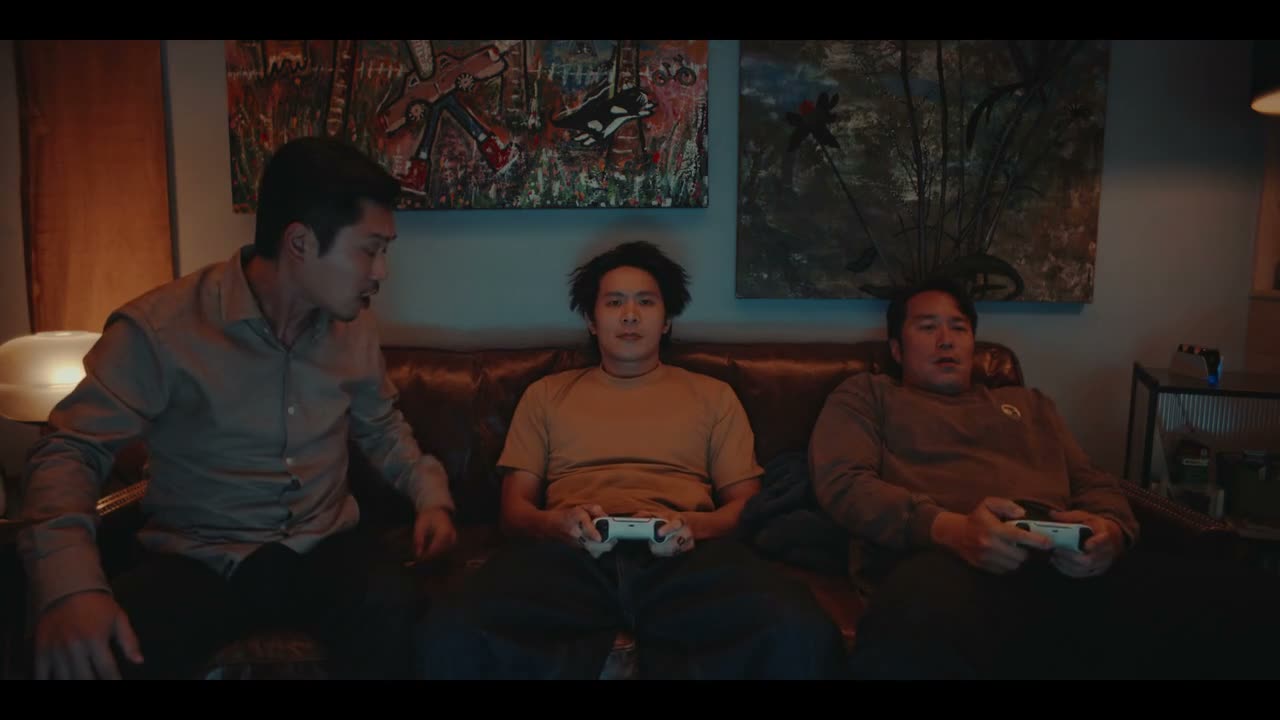
“Not even a real apology. And you're standing there laughing?”

“the two people I owe the most”
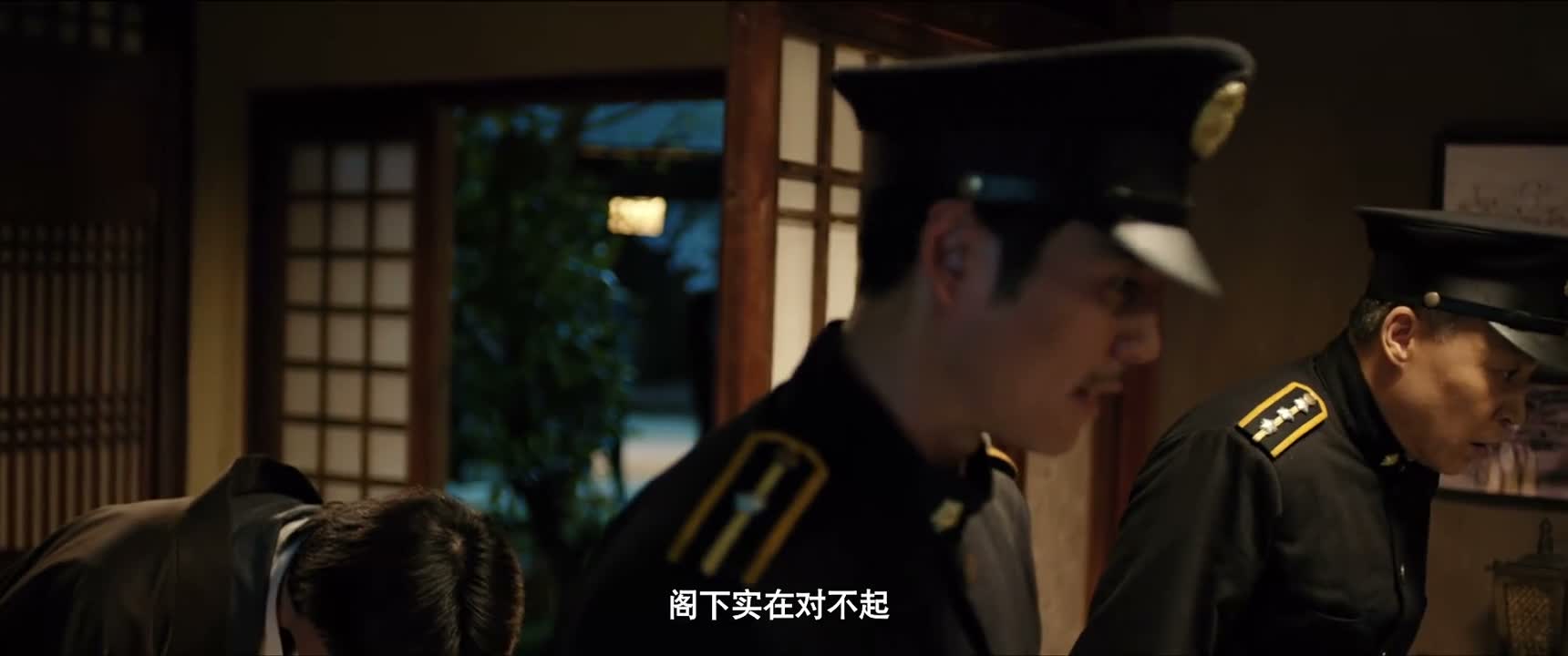
“Sir, I am truly sorry.”
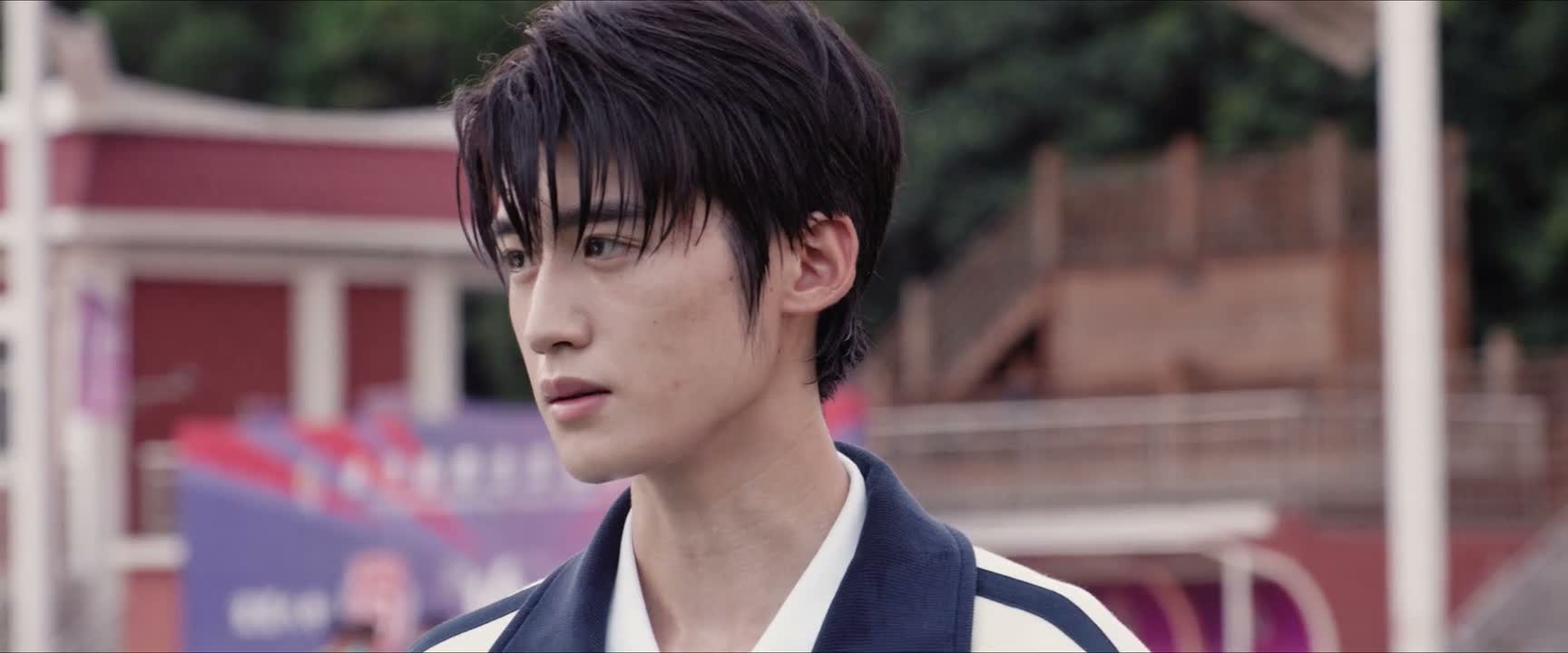
“I'm the one who should say sorry.”

“I'm really sorry.”

“You've let yourself down!”