我应该给你说一声对不起
“I should apologize to you.”
THE DIALOGUE REEL
对于这些
“For all of this,”
我应该 给你 说一声 对不起
“I should apologize to you.”
我为你付出的这些
“Everything I did for you”
Direct spoken expression in this communicative setting.
Direct apologies often carry a strong weight in Chinese intimate bonds, reflecting deep remorse over failing to reciprocate someone's emotional or practical sacrifices.
LEARNING CHUNKS & PARTICLES
to say sorry / to offer an apology
A natural, idiomatic oral pattern used to deliver an earnest apology directly to someone.
ought to give you / owe you
Expresses moral obligation or relational accountability before stating the action.
VOCABULARY & EXPRESSIONS
Parallel Spoken Cinema Scenes (语义近邻切片)

“I owe you an apology.”
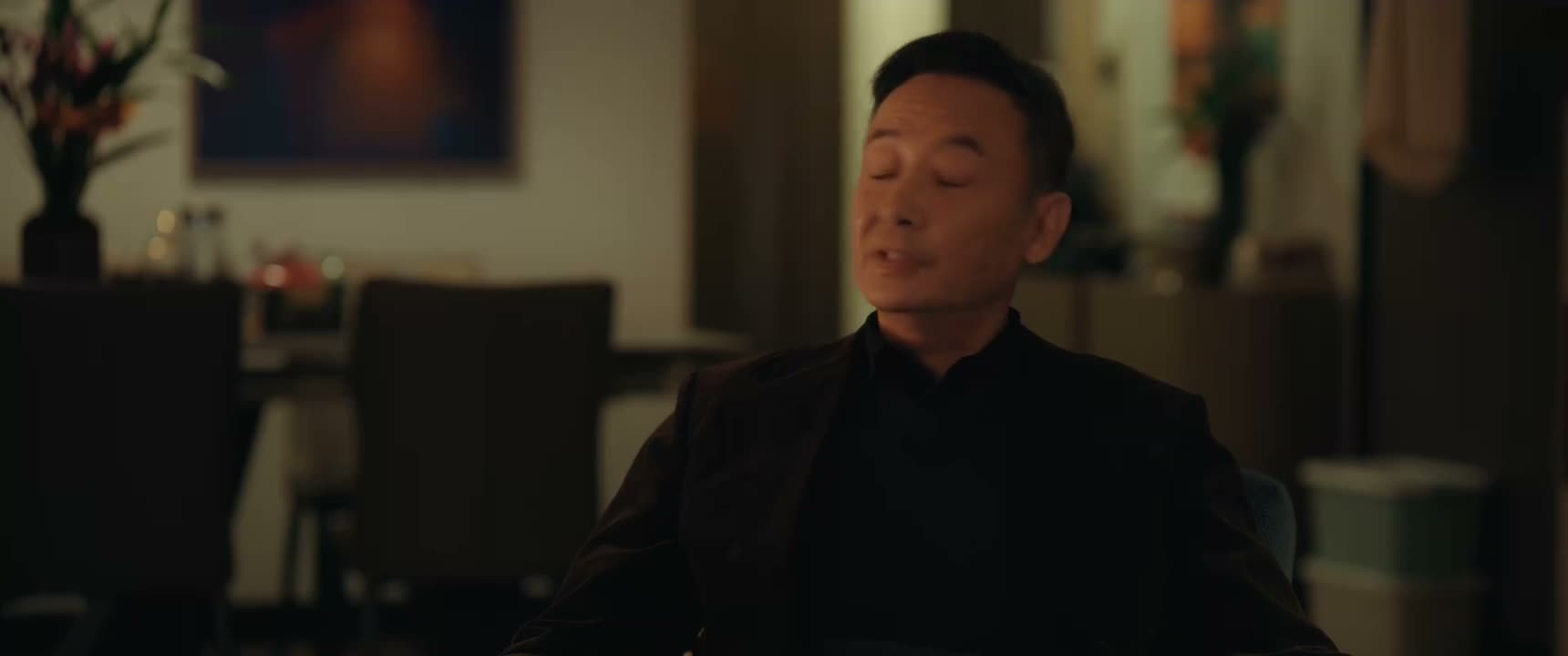
“Second, as Dongming's father, I must apologize to you.”

“I apologize.”

“so I could apologize to you in person.”

“You're always apologizing to me.”

“I apologize to you now. I'm sorry.”

“you just say sorry to coax me.”

“Don't apologize to me. If you'd act a little more ladylike, I'd be grateful.”

“To apologize, you should say, "I'm sorry."”

“He never apologizes to me if he's in a bad mood.”

“Sorry. Don't say sorry.”

“will now... Sorry.”

“Why apologize all of a sudden?”

“Please also tell Uncle He that I'm sorry.”

“Actually, I also owe you an apology.”

“The one who should be apologizing is me.”
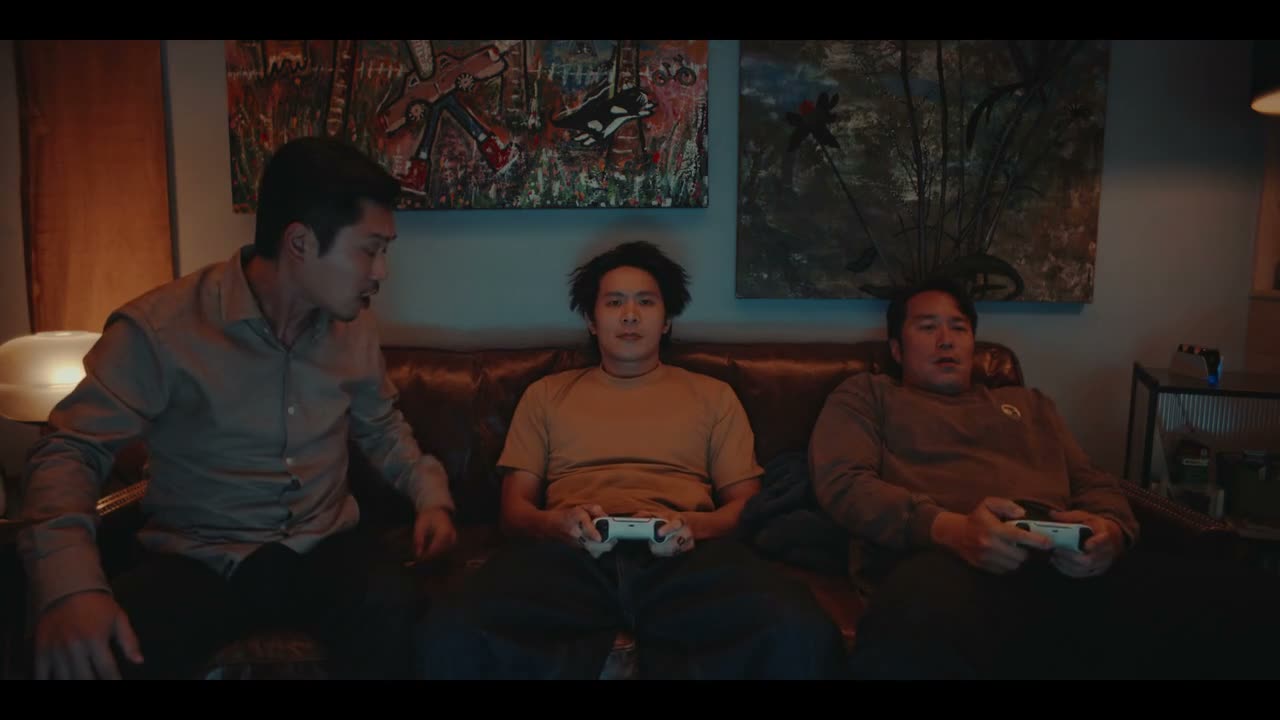
“Not even a real apology. And you're standing there laughing?”
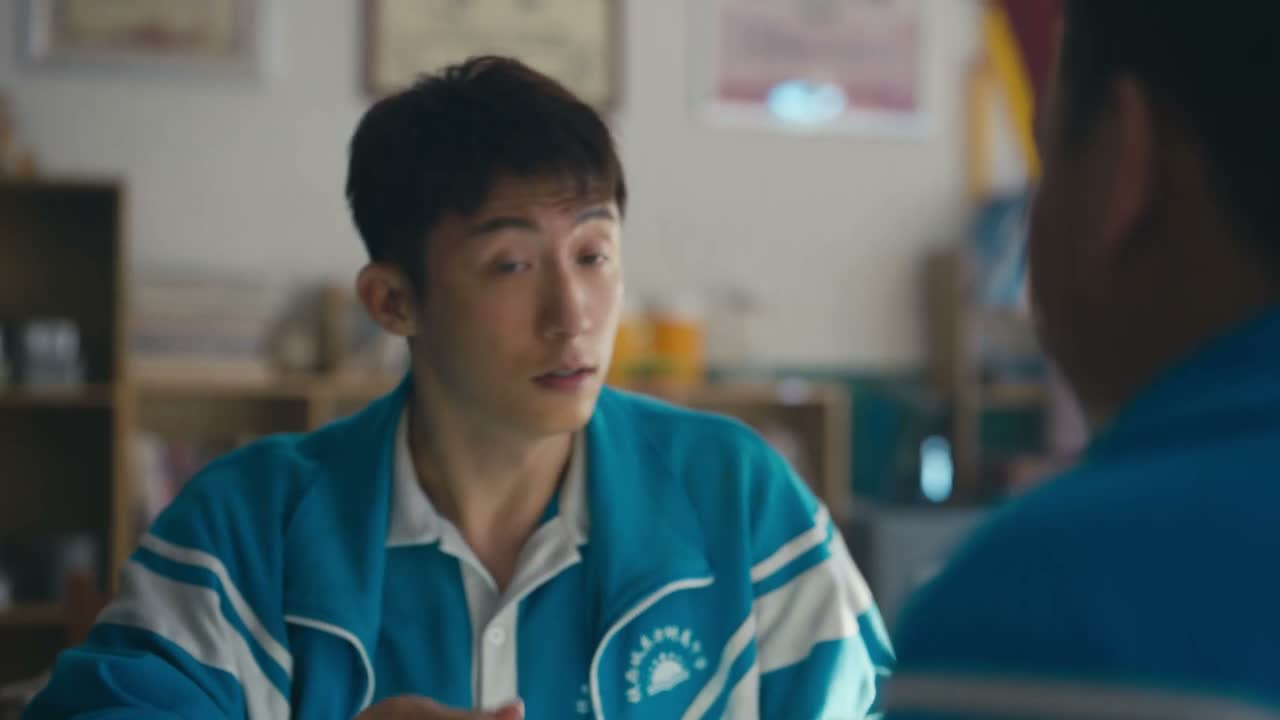
“Just say sorry and be done with it.”
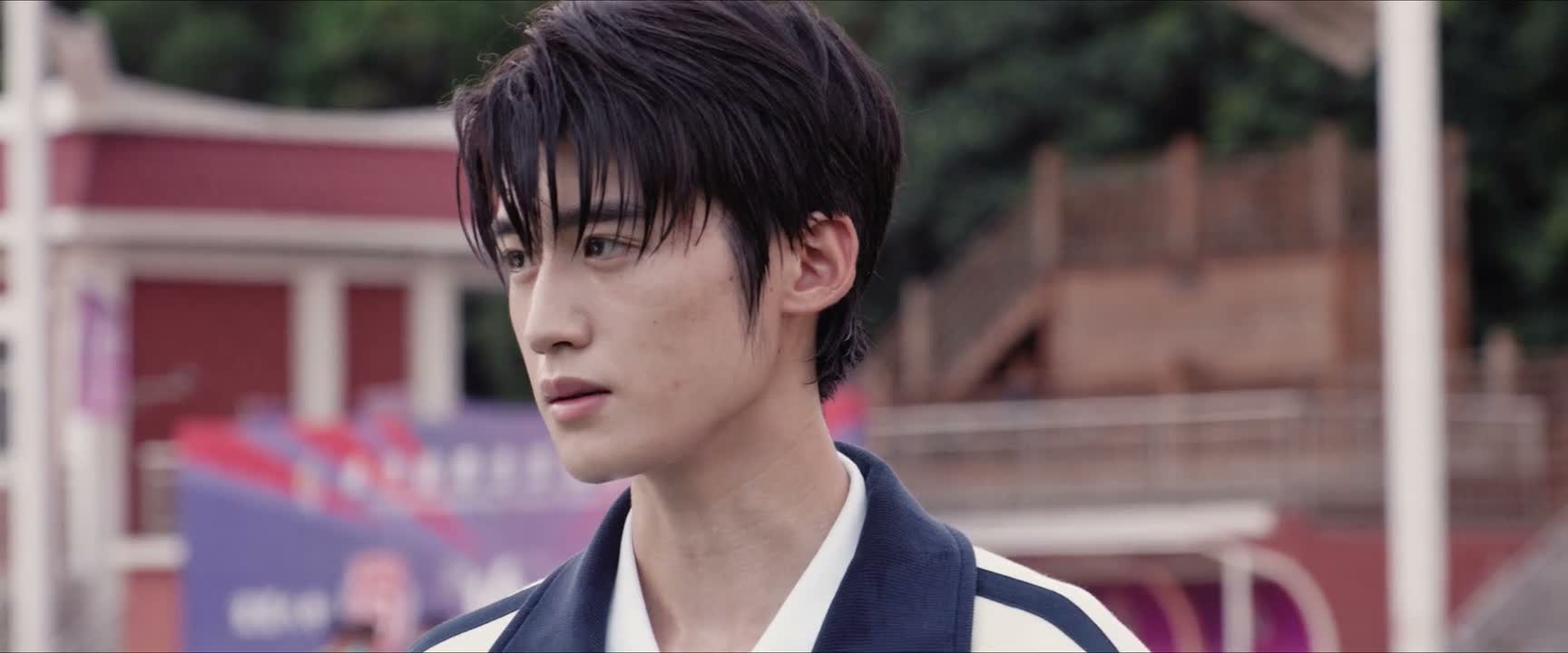
“I'm the one who should say sorry.”