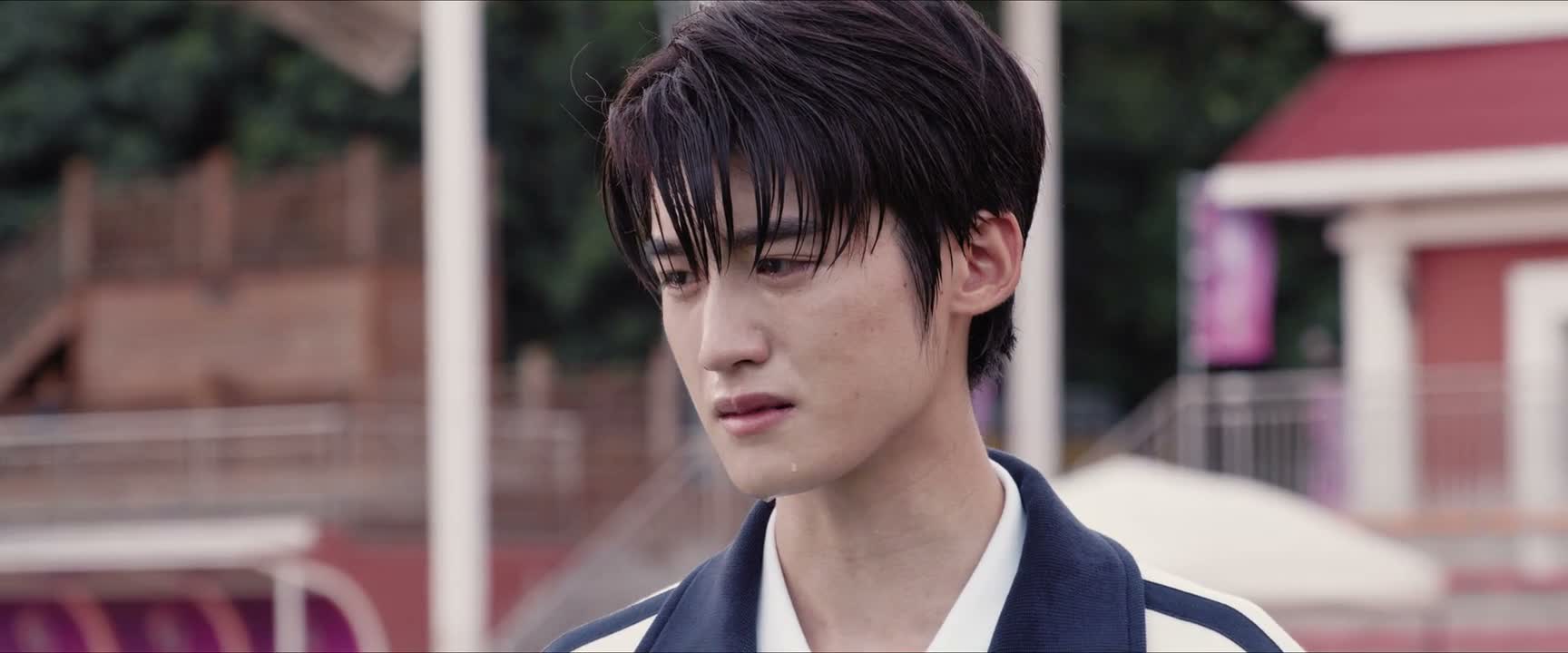
想亲口跟你说一声对不起
“so I could apologize to you in person.”
THE DIALOGUE REEL
我一直期待能再见到您
“I've been dreaming of the day I see you again”
想亲口跟 你说 一声 对不起
“so I could apologize to you in person.”
好 我明白了
“OK, I understand.”
Direct spoken expression in this communicative setting.
Apologizing 'in person' (亲口/面呈) carries immense moral weight in Chinese culture, demonstrating true accountability and respect compared to third-party messages.
LEARNING CHUNKS & PARTICLES
with one's own mouth; in person
Used before verbs of speaking to emphasize that a statement is made directly and authentically by the person themselves.
say 'I'm sorry'
A standard, polite collocation for offering an apology to someone.
VOCABULARY & EXPRESSIONS
Parallel Spoken Cinema Scenes (语义近邻切片)

“I just wanted to apologize to you.”
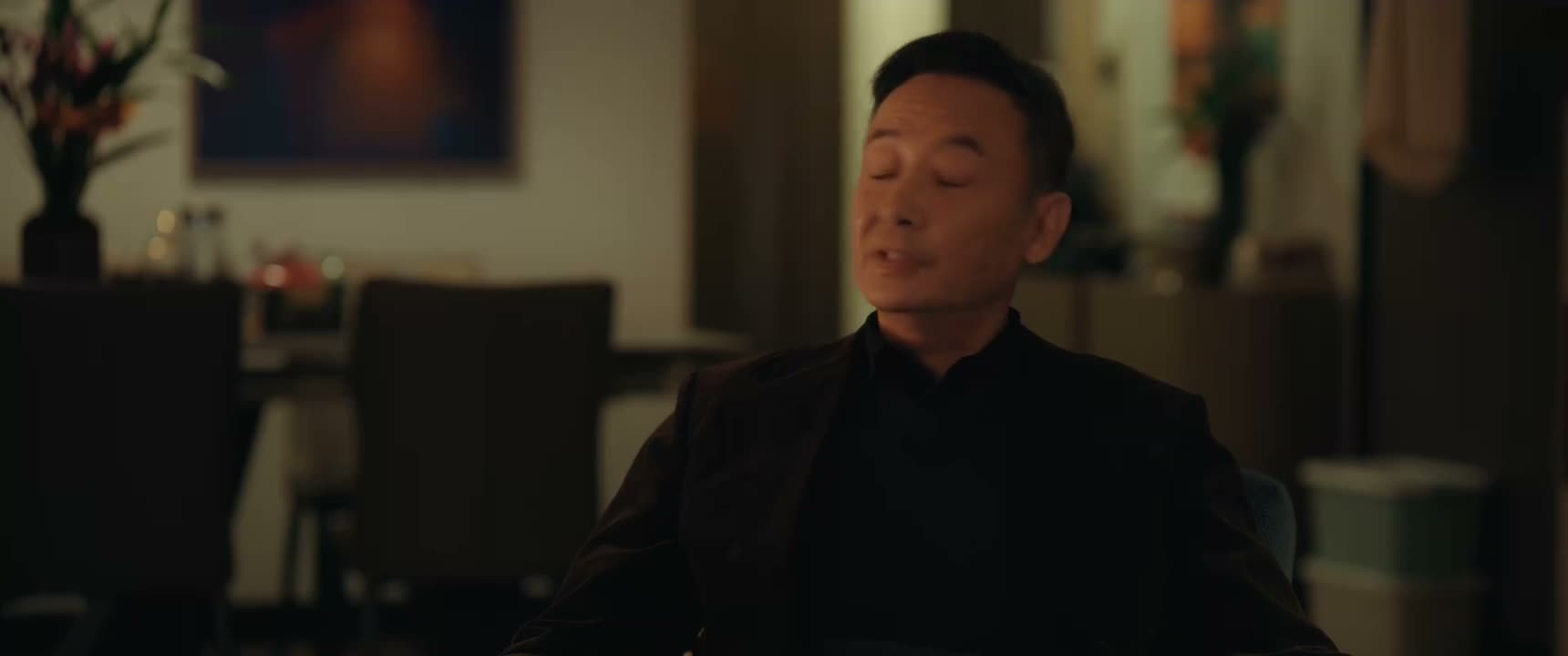
“Second, as Dongming's father, I must apologize to you.”

“I apologize.”

“I've always owed you an apology. Stop right there.”

“You're always apologizing to me.”

“you just say sorry to coax me.”
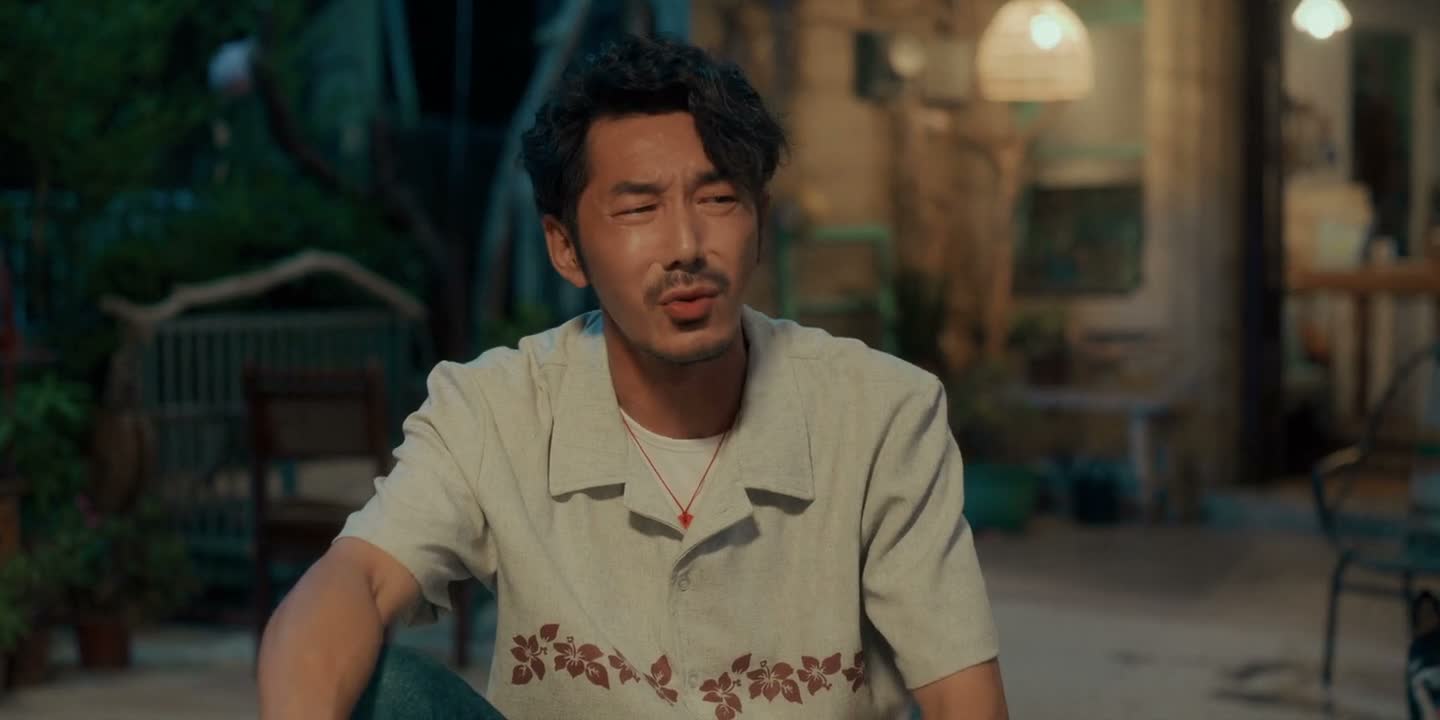
“What are you sorry for?”

“Don't apologize to me. If you'd act a little more ladylike, I'd be grateful.”

“He never apologizes to me if he's in a bad mood.”

“Sorry. Don't say sorry.”

“Sorry, Ling. I'm so sorry.”

“will now... Sorry.”

“Why are you saying sorry? This is what I wanted to do.”

“I should apologize to you.”

“Why apologize all of a sudden?”

“Please also tell Uncle He that I'm sorry.”

“So I've always wanted to apologize to you.”

“Actually, I also owe you an apology.”

“The one who should be apologizing is me.”
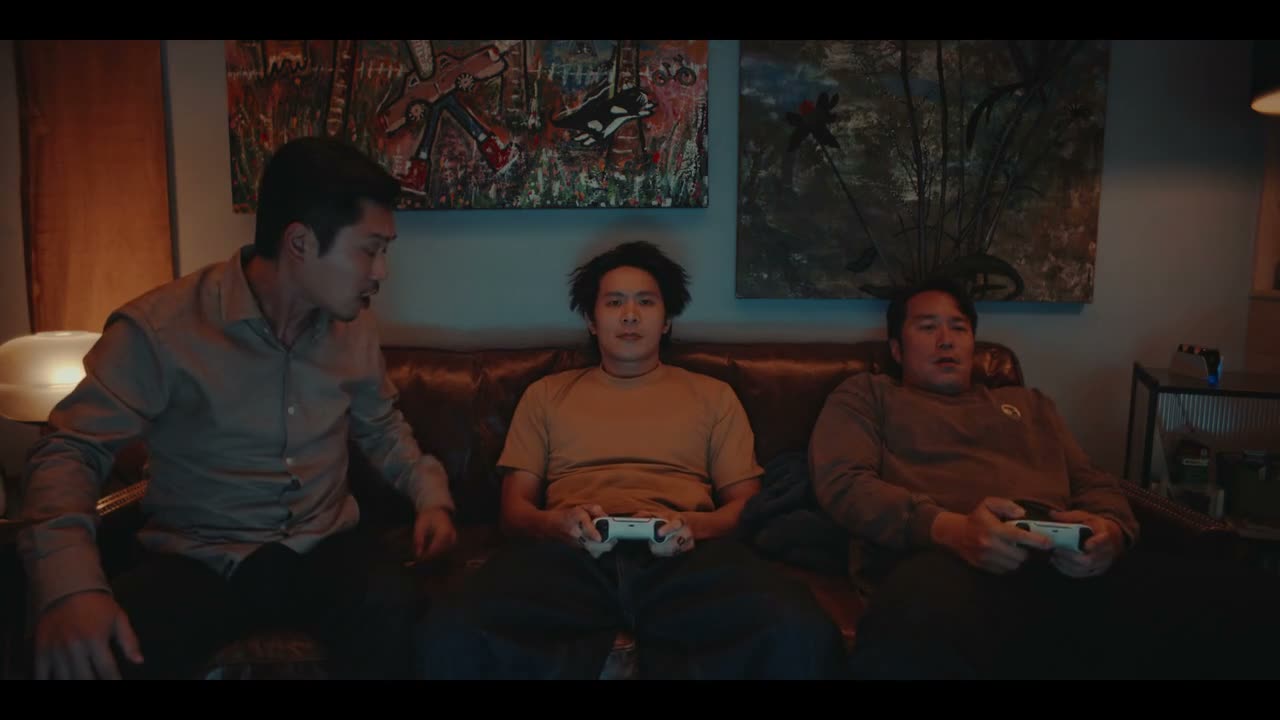
“Not even a real apology. And you're standing there laughing?”
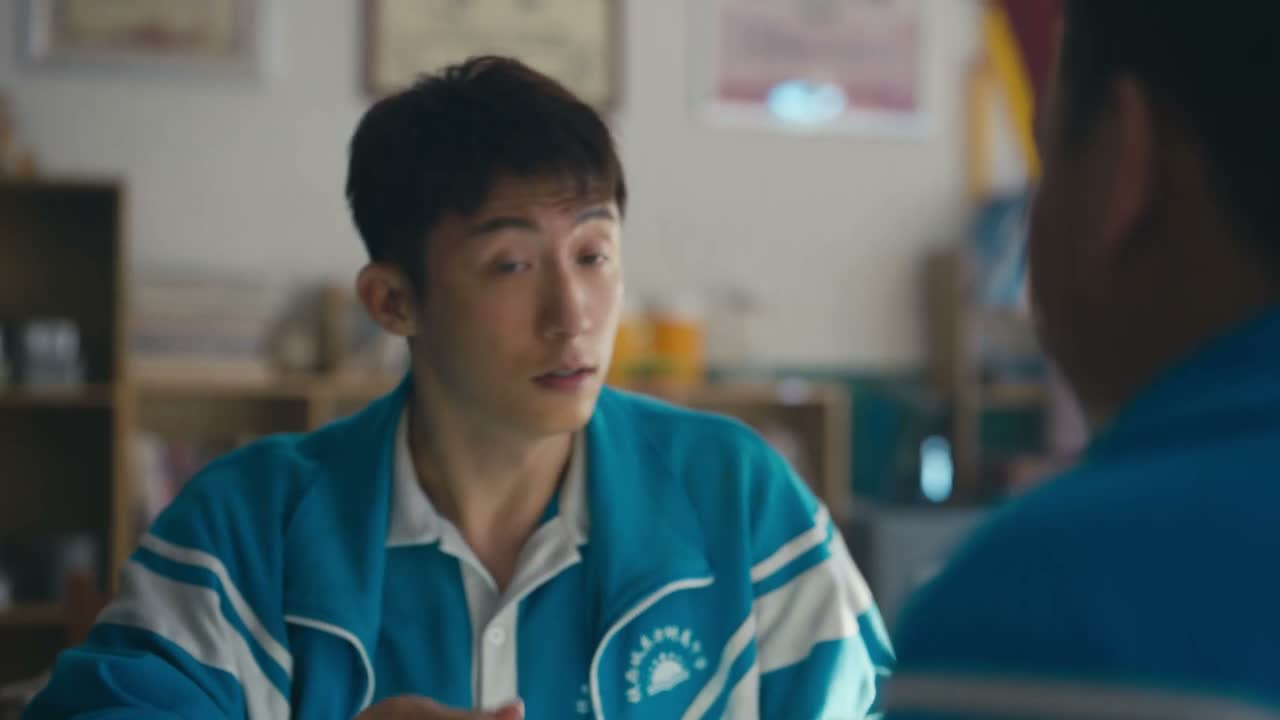
“Just say sorry and be done with it.”

“I'm the one who should say sorry.”
“I'm truly sorry.”