对不起 聆聆 我对不起你
“Sorry, Ling. I'm so sorry.”
THE DIALOGUE REEL
对不起 聆聆 我对不起你
“Sorry, Ling. I'm so sorry.”
Direct spoken expression in this communicative setting.
Saying '我对不起你' to a family member implies moral debt and failing in one's duty of care, revealing intense emotional vulnerability.
LEARNING CHUNKS & PARTICLES
I have let you down / I owe you an apology
Carries significantly deeper emotional weight than a casual '对不起', indicating profound personal guilt or failure toward someone.
VOCABULARY & EXPRESSIONS
Parallel Spoken Cinema Scenes (语义近邻切片)

“so I could apologize to you in person.”

“I'm sorry, Father.”

“I let him down this time.”

“you just say sorry to coax me.”

“I feel I really sorry about all this.”
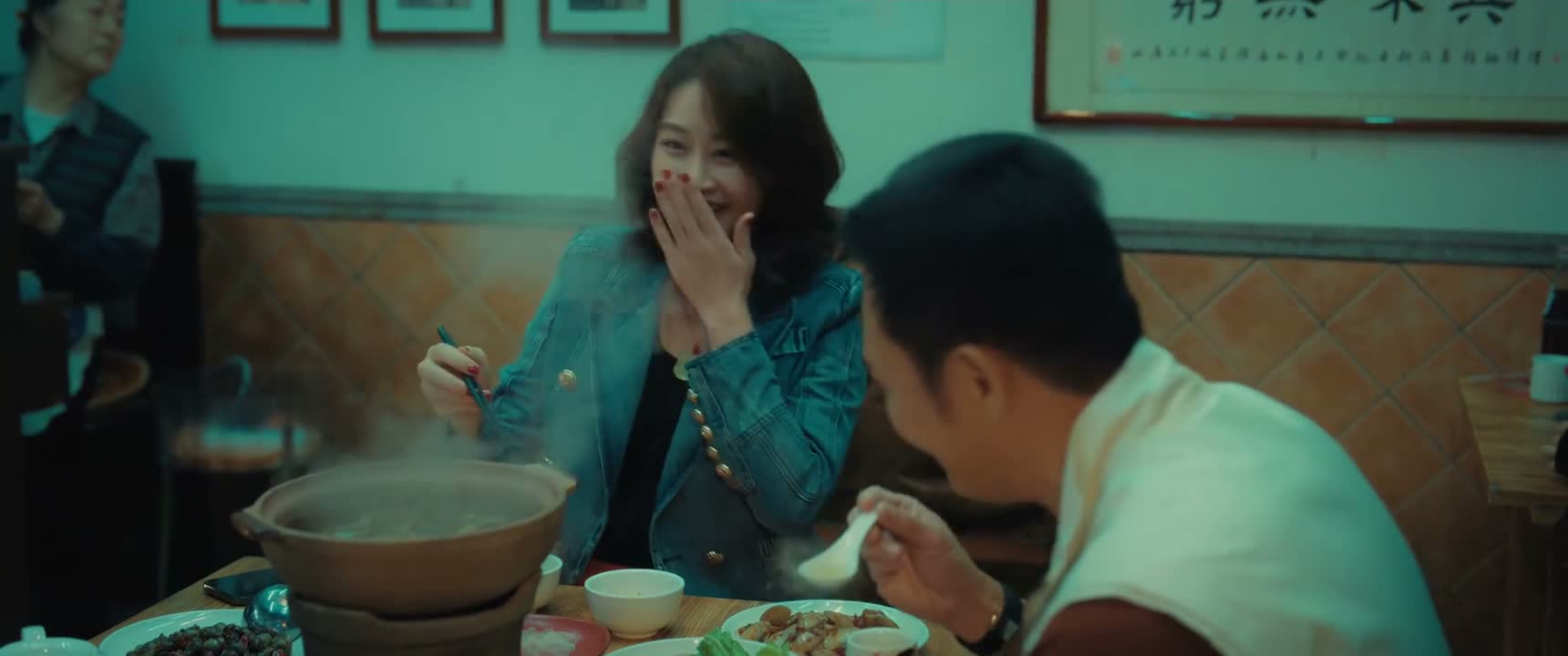
“Sorry. Pretend I didn't say that.”

“What are you sorry for?”

“Sorry. Don't say sorry.”

“I always feel sorry for you.”

“Sorry. Hearing you go on like this makes me”

“I'm sorry. I'm so sorry.”
“But I'm sorry. I broke my promise again.”

“The one who should be apologizing is me.”
“I… I'm sorry.”