这次是我对不起他
“I let him down this time.”
THE DIALOGUE REEL
“and not to bother you. It's fine.”
这次 是我 对不起 他
“I let him down this time.”
说话不算话
“I broke my word.”
Direct spoken expression in this communicative setting.
In Chinese culture, letting someone down touches deep relational obligations (义气 or 仁), where failing a promise weighs heavily on one's conscience.
LEARNING CHUNKS & PARTICLES
this time it's on me / this time it was my fault
Used to assume direct responsibility for an unfortunate outcome or error.
let him down / wronged him
Beyond a simple apology, '对不起某人' often means to fail in one's moral or relational obligations toward someone.
VOCABULARY & EXPRESSIONS
Parallel Spoken Cinema Scenes (语义近邻切片)

“After all, it's a fact that we failed her before.”

“I'm sorry, Father.”

“So you do know you did wrong.”

“I feel I really sorry about all this.”

“I truly failed your painstaking efforts.”

“I'm really sorry.”

“I let the Dragon Deity down.”

“I always feel sorry for you.”

“I feel really sorry for him.”

“Sorry, Ling. I'm so sorry.”

“I'm sorry. I'm so sorry.”

“I did you wrong. I understand your anger.”
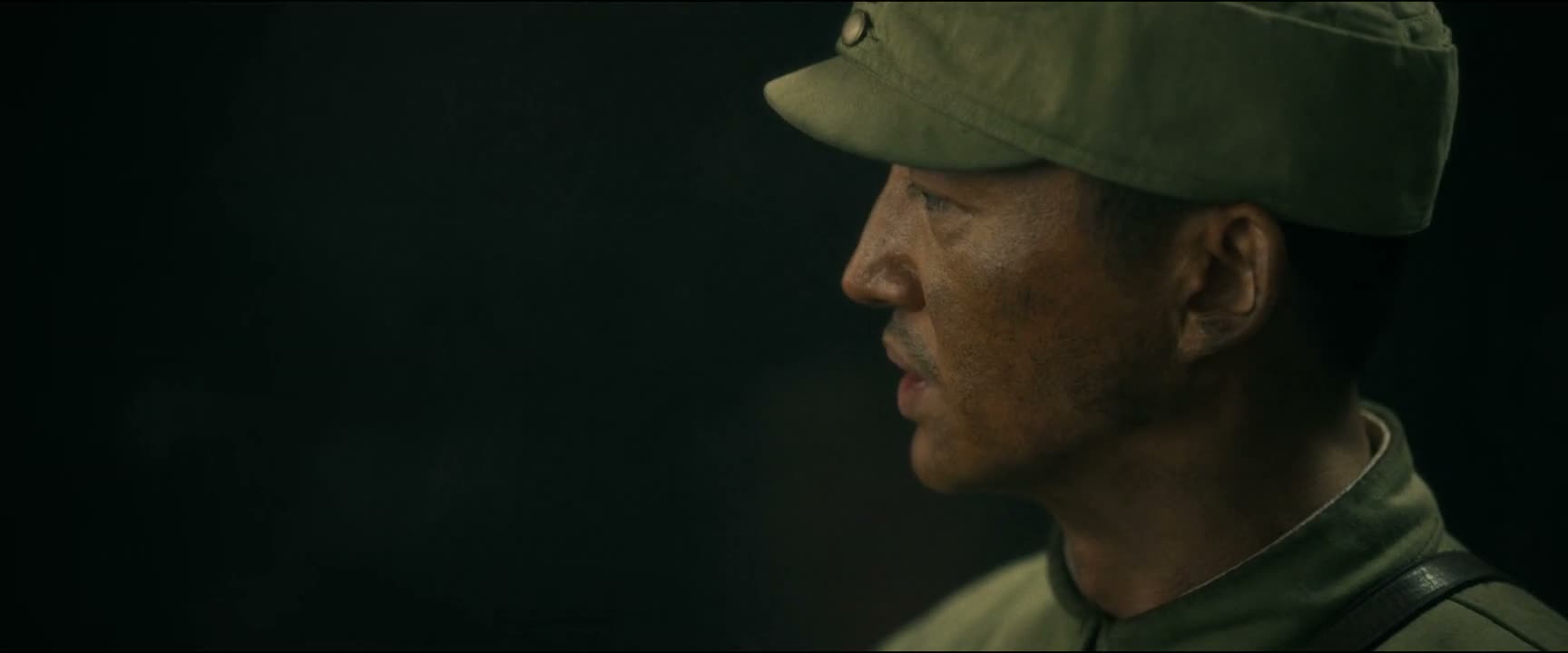
“But I'm sorry. I broke my promise again.”

“I have failed her.”

“I feel like I've let you down.”

“I failed my parents too.”

“it would be unfair to what he suffered.”

“Don't say sorry to me.”

“How can it get to the point of saying sorry?”

“I'm truly sorry.”
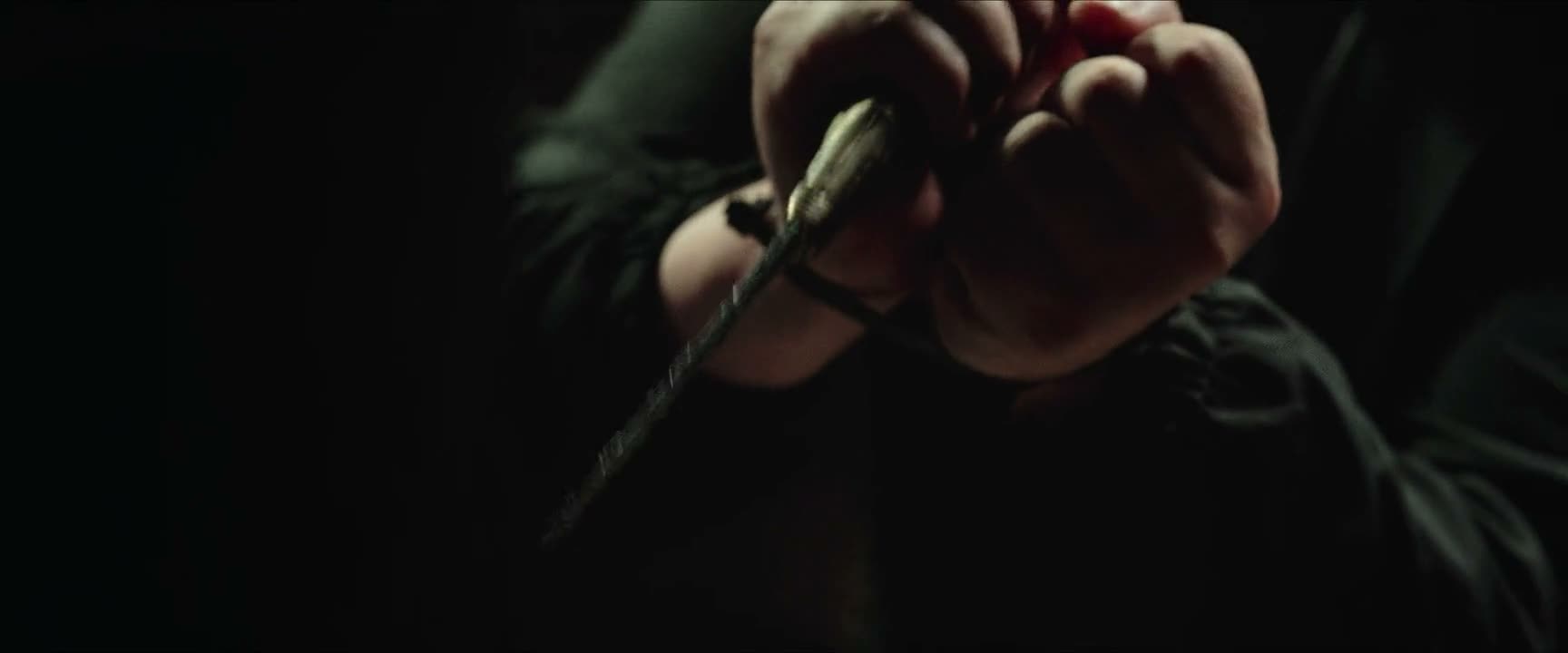
“I… I'm sorry.”

“Apologizing to me is useless.”