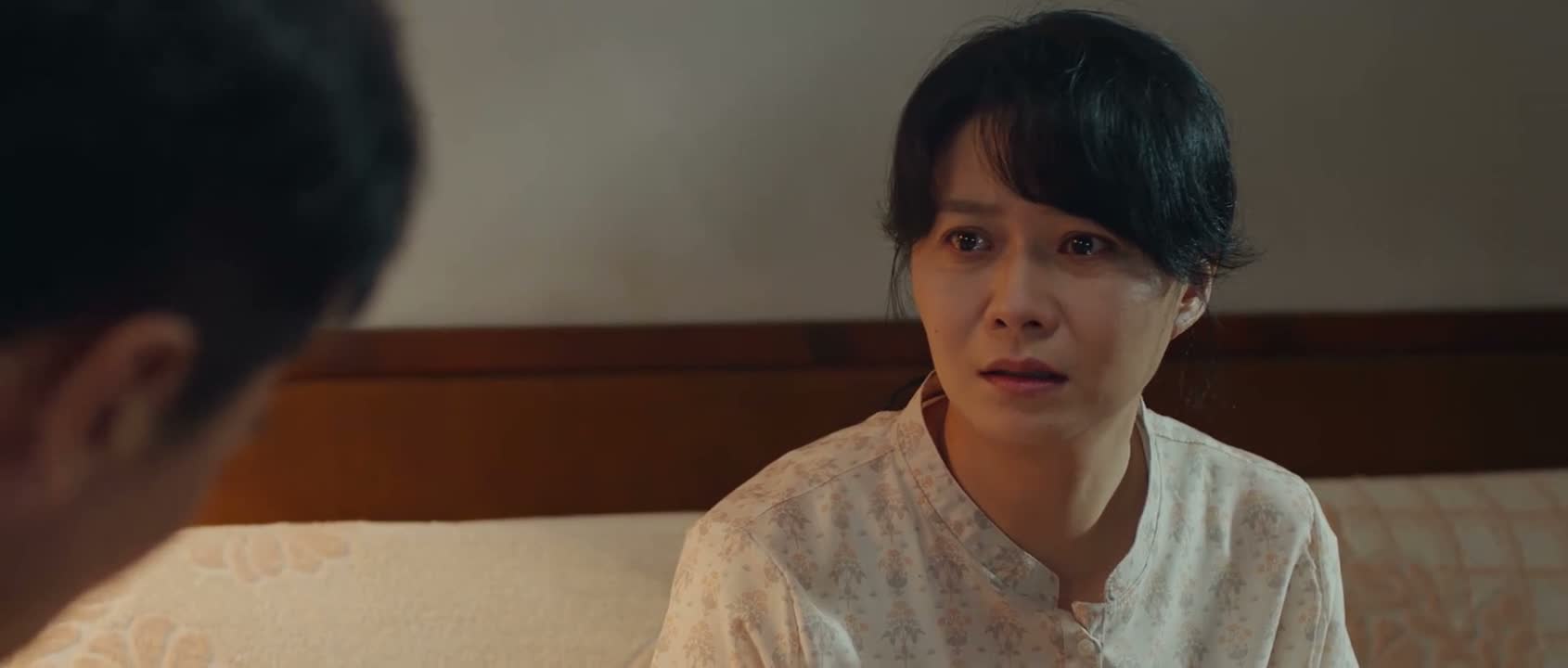
是我对不起你
“I'm sorry, Father.”
THE DIALOGUE REEL
对不起
“Sorry.”
是我对不起你
“I'm sorry, Father.”
阿爹
“Father.”
Direct spoken expression in this communicative setting.
Because traditional Confucian culture emphasizes parental authority and filial piety, an elder directly apologizing to a child conveys extraordinary remorse and emotional vulnerability.
LEARNING CHUNKS & PARTICLES
let you down; wronged you
Unlike the casual polite apology '对不起', putting a pronoun directly after it signifies heavy moral culpability and emotional debt.
VOCABULARY & EXPRESSIONS
Parallel Spoken Cinema Scenes (语义近邻切片)

“Do you think the whole world owes you?”

“We're so sorry! Captain Zhou!”

“I let him down this time.”
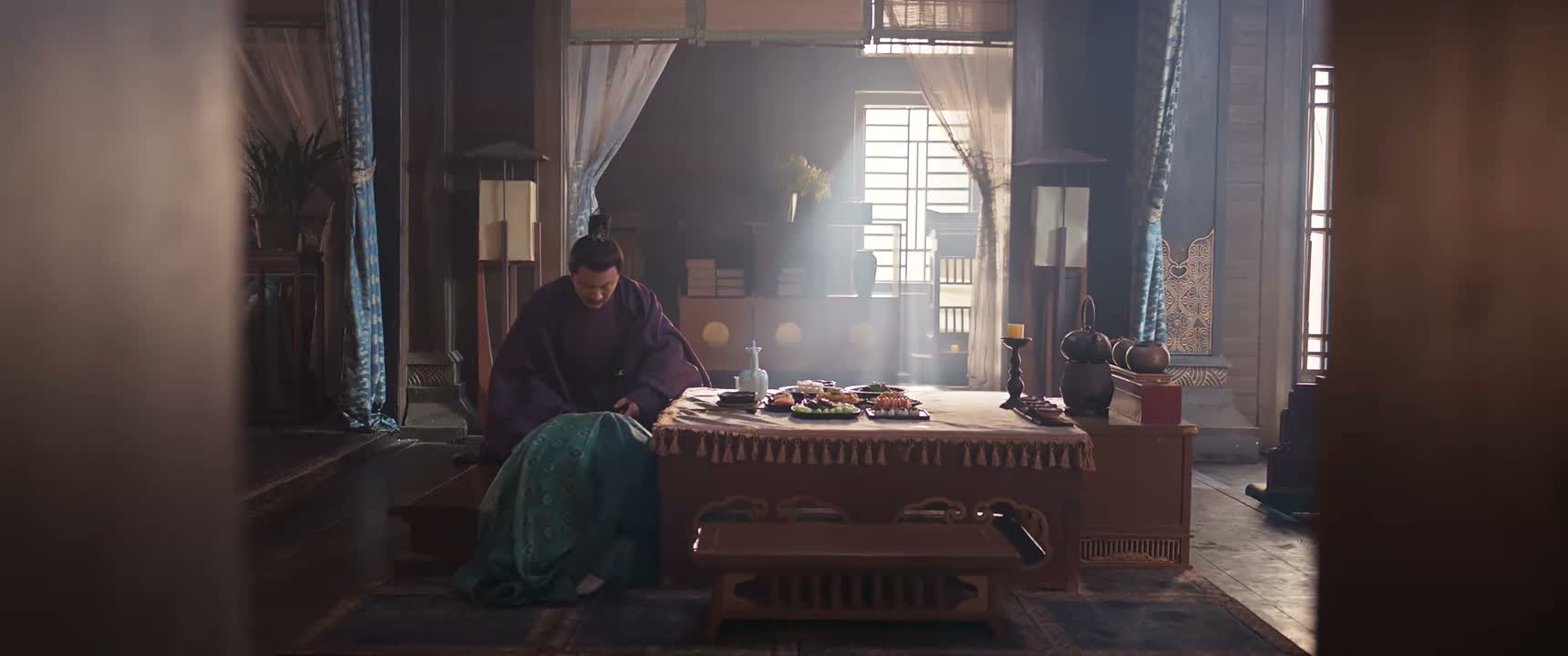
“I have wronged you.”

“So you do know you did wrong.”

“I feel I really sorry about all this.”
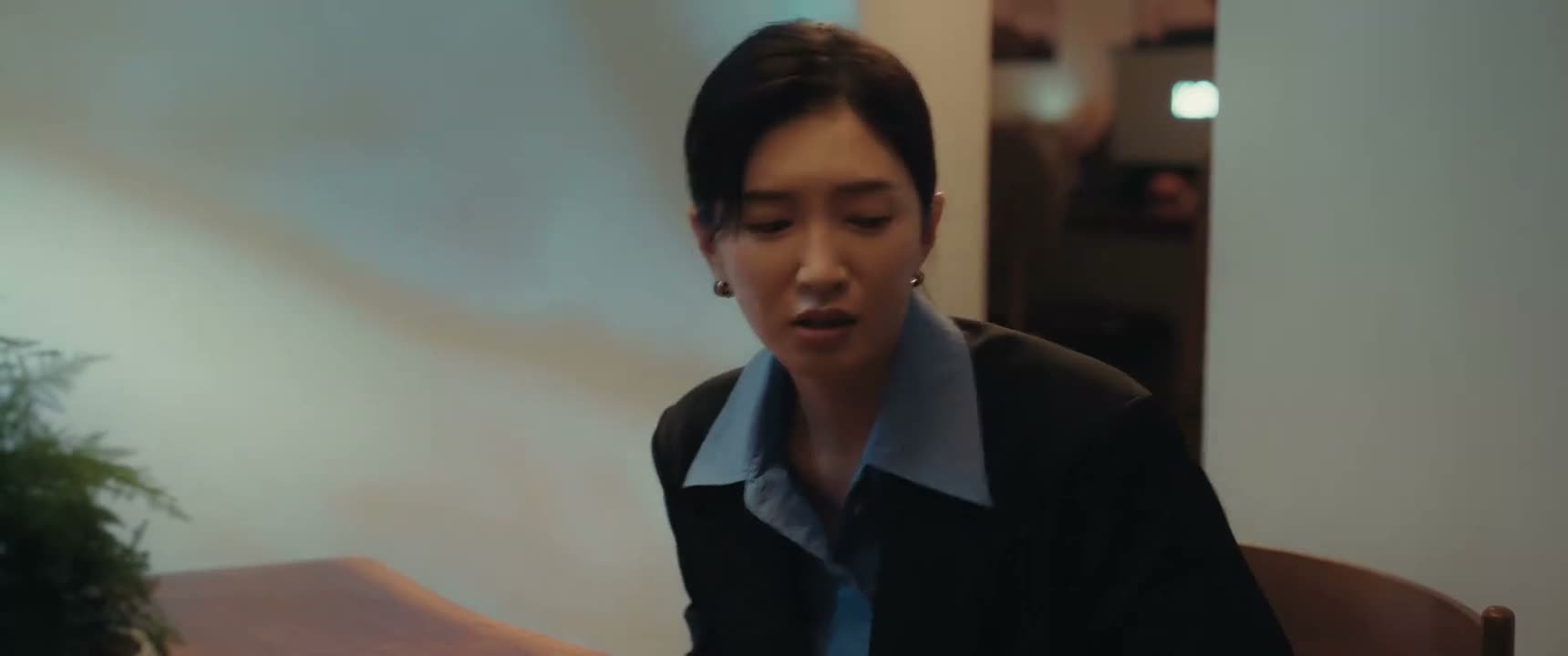
“What for? You didn't take the photo.”

“I truly failed your painstaking efforts.”

“I'm really sorry.”

“Don't apologize to me. If you'd act a little more ladylike, I'd be grateful.”

“I let the Dragon Deity down.”

“I always feel sorry for you.”

“It's the family's fault.”

“Sorry, Ling. I'm so sorry.”

“I'm sorry. I'm so sorry.”

“I did you wrong. I understand your anger.”

“I have failed her.”

“Mentor, I'm sorry.”

“Mentor, I am so sorry.”

“I feel like I've let you down.”

“I failed my parents too.”

“Don't say sorry to me.”

“I really am so sorry. It's all my fault. You should know”
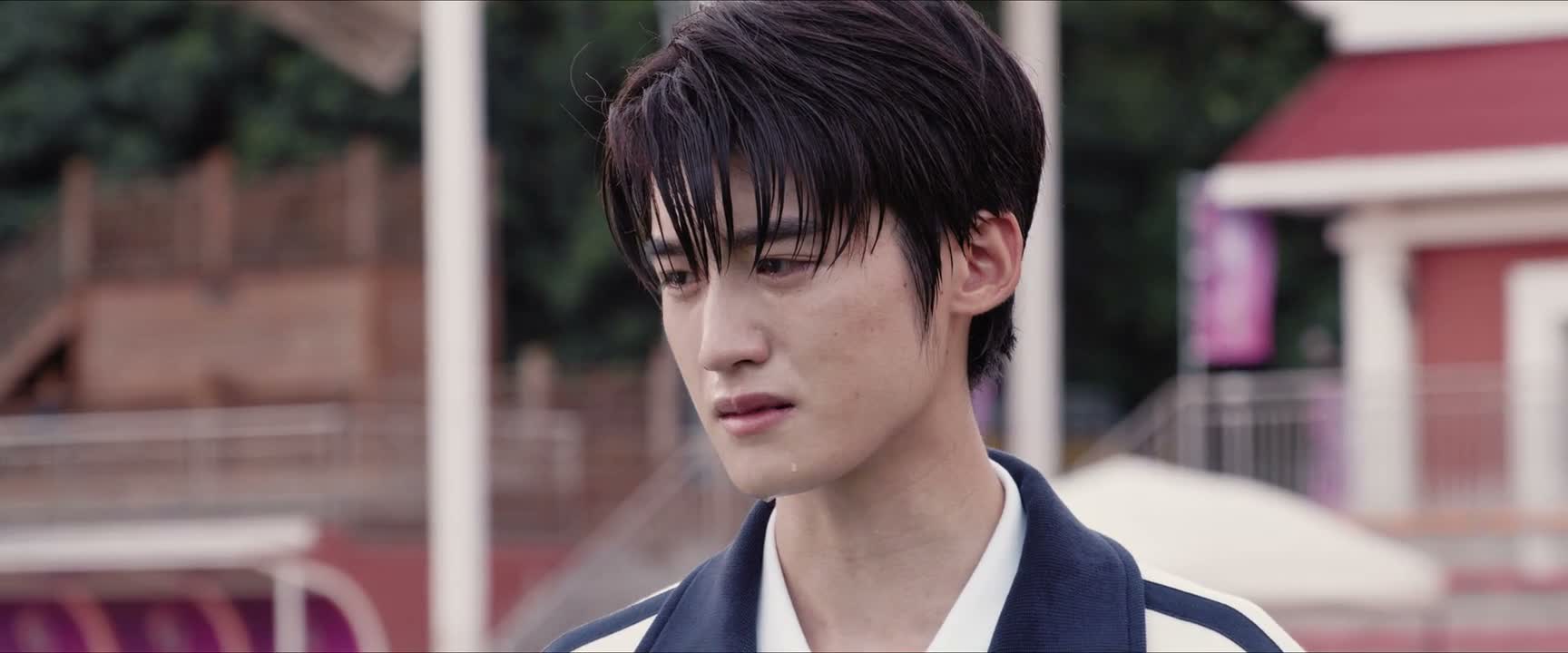
“I'm truly sorry.”
“I… I'm sorry.”

“Apologizing to me is useless.”
“I also know, all these years, the person I've wronged the most is you.”

“You've let yourself down!”