师父 我对不起你
“Mentor, I'm sorry.”
THE DIALOGUE REEL
你师父死多少年了
“How many years has your mentor been dead?”
师父 我对不起你
“Mentor, I'm sorry.”
Direct spoken expression in this communicative setting.
In Chinese culture, a master (师父) holds status equivalent to a parent ('a teacher for a day is a father for life'); failing them brings profound moral guilt and shame.
LEARNING CHUNKS & PARTICLES
to let down; to fail someone (or 'sorry')
When paired with a direct object like '对不起你', it means 'I have failed you' or 'I have done you wrong', carrying much heavier emotional weight than a simple apology.
VOCABULARY & EXPRESSIONS
Parallel Spoken Cinema Scenes (语义近邻切片)
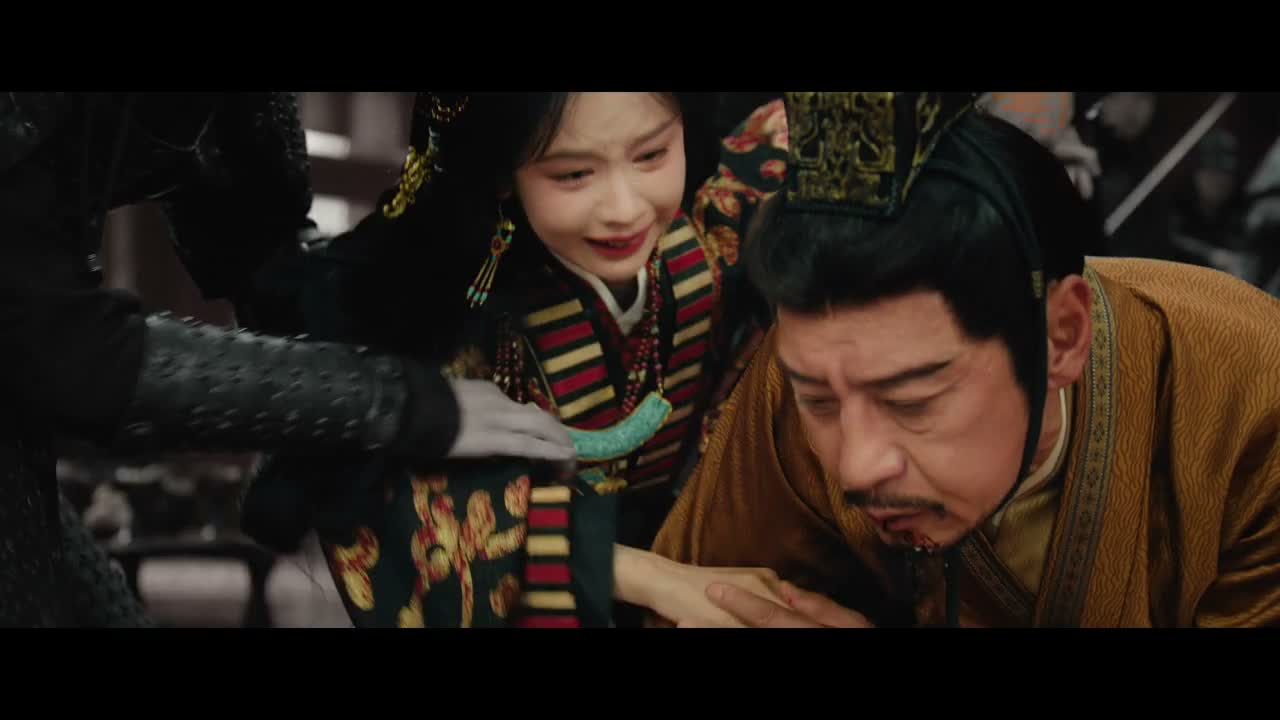
“I'm sorry, Father.”

“I always feel sorry for you.”

“I'm sorry. I'm so sorry.”
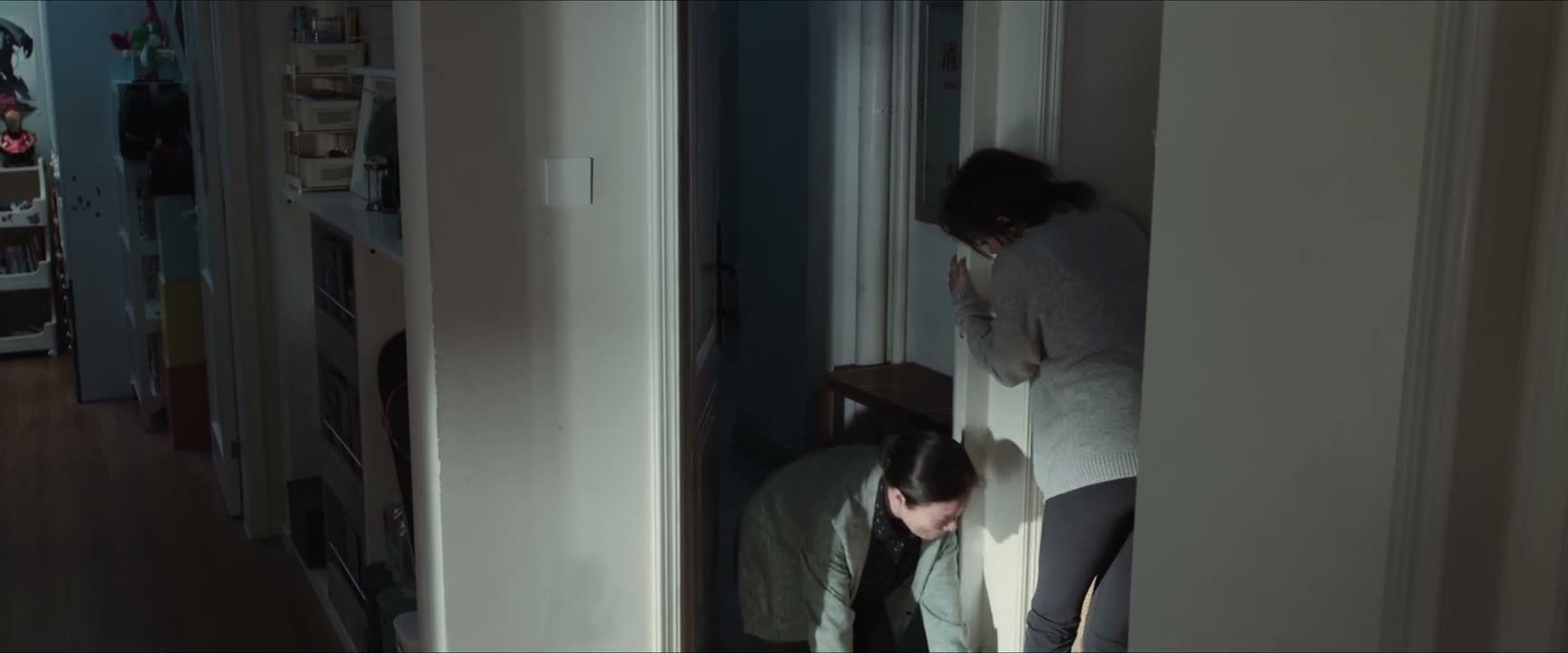
“I'm guilty. I'm so sorry.”

“Mentor, I am so sorry.”

“I admit I've done you wrong. Don't come find me again.”
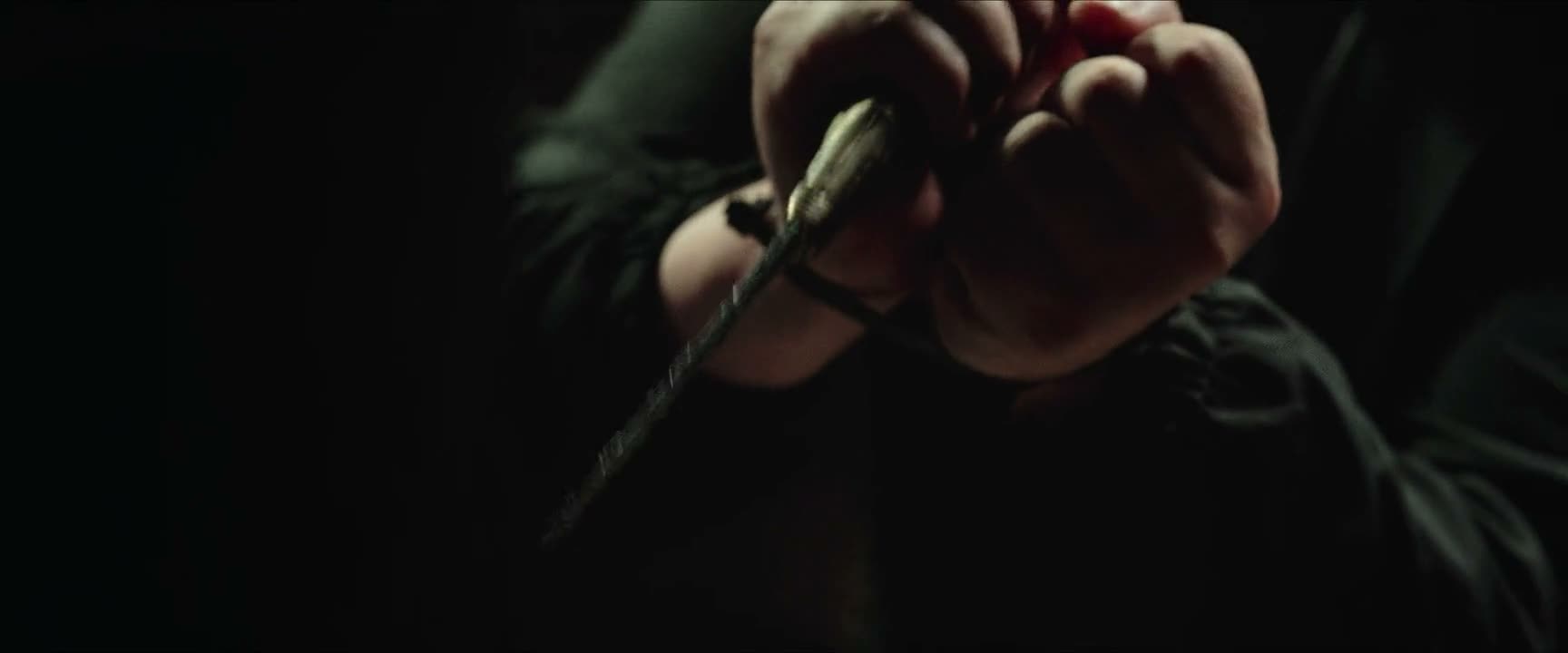
“I… I'm sorry.”