我真的是对不起你
“I'm really sorry.”
THE DIALOGUE REEL
妈妈 你要早点回来接我
“Mom, you should come to fetch me as soon as you can.”
我 真的是 对不起你
“I'm really sorry.”
你能原谅我吗
“Could you forgive me?”
Direct spoken expression in this communicative setting.
Chinese parents often feel profound guilt (kuijiu) toward children when unable to provide constant companionship, framing physical absence as an emotional failure.
LEARNING CHUNKS & PARTICLES
sorry; to let someone down
Beyond a simple apology, it frequently expresses a profound sense of failing to fulfill relational duties to loved ones.
truly; really
Used as an intensifier before predicates to emphasize sincere emotion or earnestness.
VOCABULARY & EXPRESSIONS
Parallel Spoken Cinema Scenes (语义近邻切片)

“Do you think the whole world owes you?”

“I apologize to you now. I'm sorry.”

“I'm sorry, Father.”

“I let him down this time.”
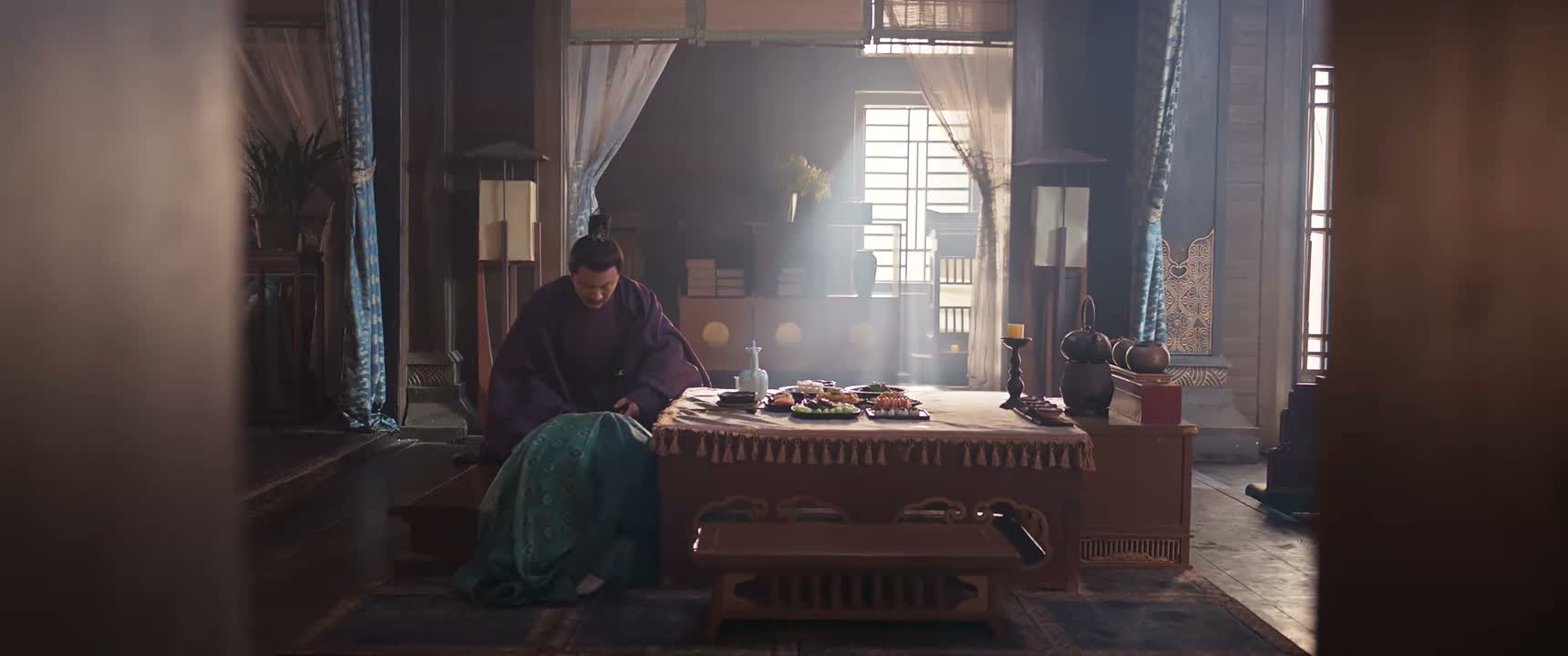
“I have wronged you.”

“So you do know you did wrong.”

“I feel I really sorry about all this.”
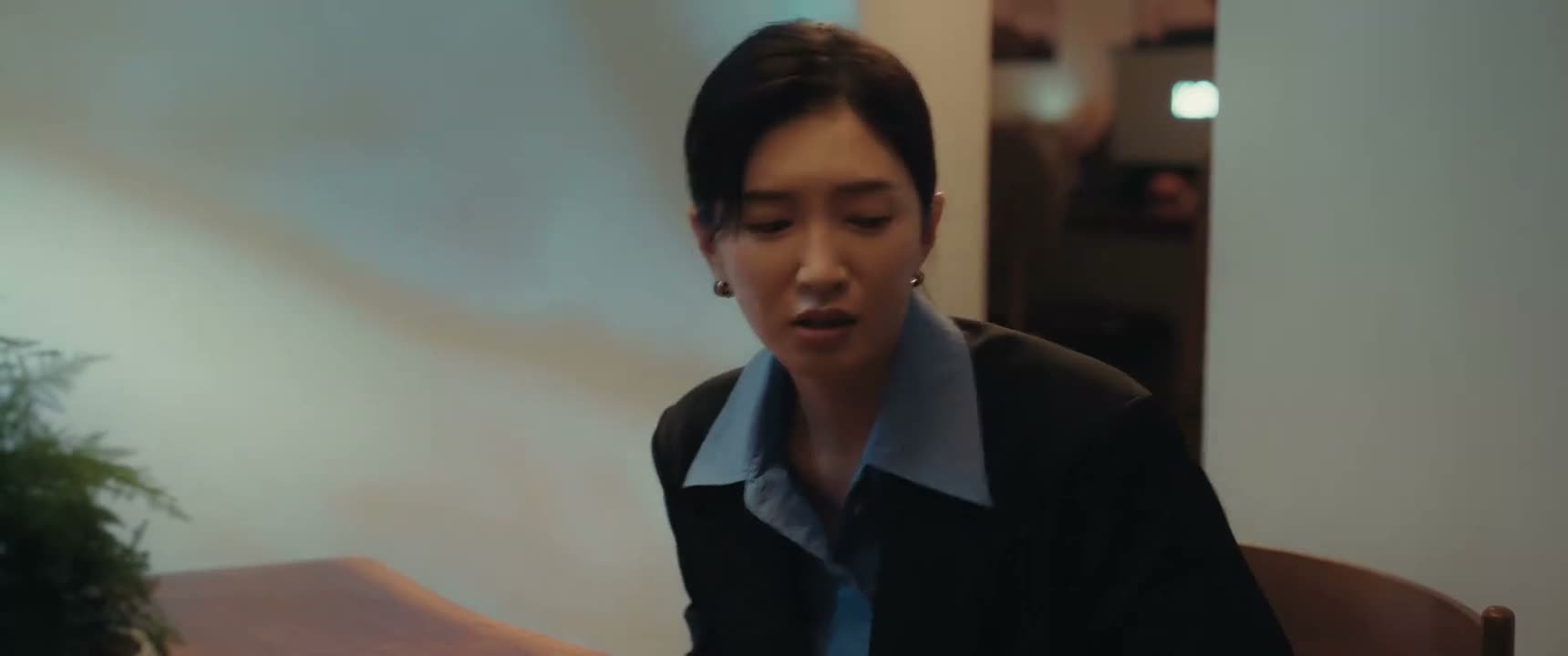
“What for? You didn't take the photo.”

“I'm sorry. Oh, so now you know?”

“I truly failed your painstaking efforts.”

“I let the Dragon Deity down.”

“I always feel sorry for you.”

“I'm sorry. I'm so sorry.”

“I did you wrong. I understand your anger.”

“I have failed her.”

“So I've always wanted to apologize to you.”

“I feel like I've let you down.”

“I'm really sorry. I thought she came looking for Zhangzhu,”

“I really am so sorry. It's all my fault. You should know”

“I'm truly sorry.”
“I… I'm sorry.”
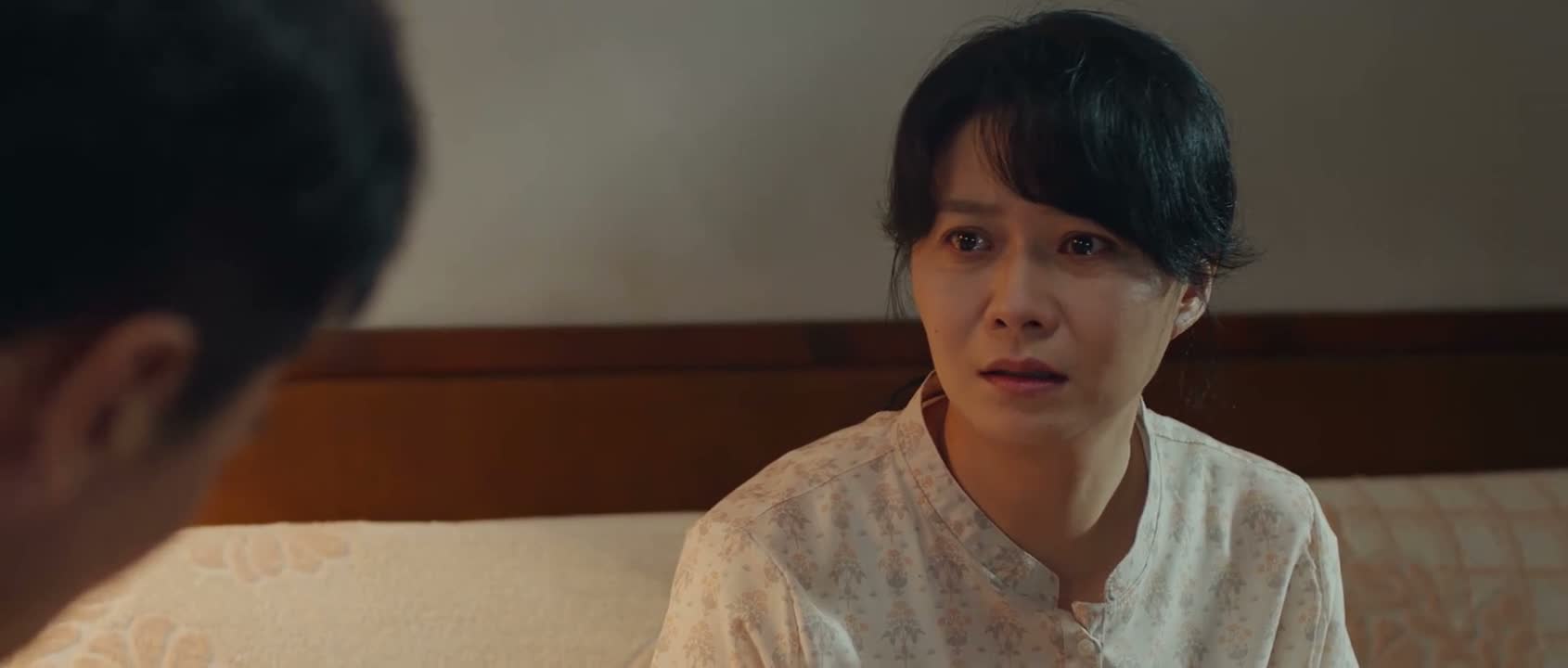
“I also know, all these years, the person I've wronged the most is you.”

“You've let yourself down!”

“I'm really sorry. It's okay. No need...”