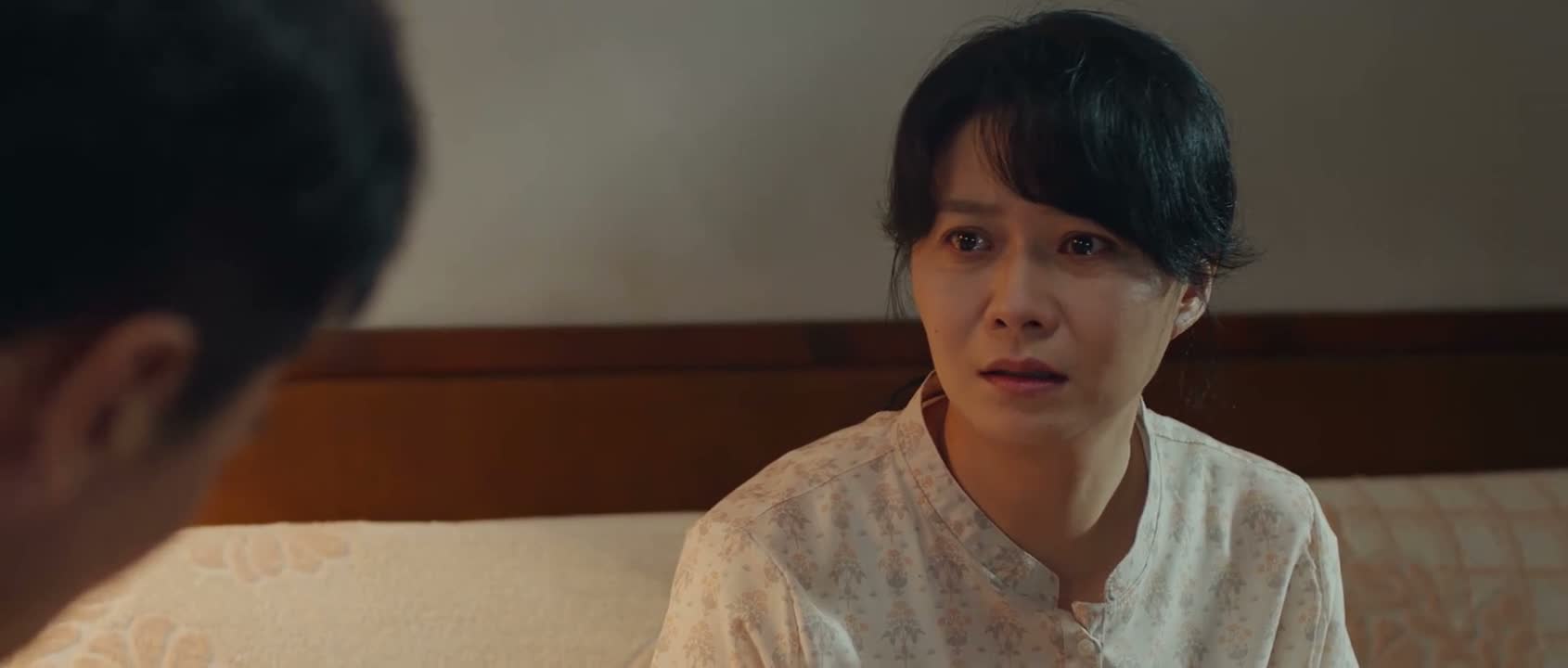
其实我一直 想跟你说对不起
“So I've always wanted to apologize to you.”
THE DIALOGUE REEL
对你动了歪心思
“had ulterior motives towards you.”
其实我一直 想跟你说 对不起
“So I've always wanted to apologize to you.”
都过去了
“It's all in the past.”
Direct spoken expression in this communicative setting.
Direct verbal apologies for personal boundaries crossed can be difficult in Chinese interactions; voicing '对不起' explicitly often serves to unburden the conscience and clear lingering awkwardness.
LEARNING CHUNKS & PARTICLES
have always wanted to
Expresses an enduring desire or intention held over an extended period.
to apologize to someone; say sorry to someone
A natural spoken frame for delivering an apology directly to an individual.
VOCABULARY & EXPRESSIONS
Parallel Spoken Cinema Scenes (语义近邻切片)

“I wanted to apologize.”

“I've always owed you an apology. Stop right there.”

“so I could apologize to you in person.”

“You're always apologizing to me.”

“So you do know you did wrong.”

“you just say sorry to coax me.”

“I feel I really sorry about all this.”

“I'm really sorry.”

“Don't apologize to me. If you'd act a little more ladylike, I'd be grateful.”

“I always feel sorry for you.”

“Why are you saying sorry? This is what I wanted to do.”

“Actually, I also owe you an apology.”

“I feel like I've let you down.”

“I told you to say "Mom, I'm sorry."”

“I'm the one who should say sorry.”
“I also know, all these years, the person I've wronged the most is you.”