我一直欠你一句对不起 打住啊
“I've always owed you an apology. Stop right there.”
THE DIALOGUE REEL
我是心疼阿姨
“I just feel sorry for her.”
我一直 欠你一句对不起 打住 啊
“I've always owed you an apology. Stop right there.”
如果这句对不起
“If you're apologizing”
“I feel deeply guilty for how I treated you, but please don't let me down easily.”
Chinese speakers often view unresolved guilt as an emotional debt ('欠'), where offering an apology serves as an attempt to clear one's psychological ledger.
LEARNING CHUNKS & PARTICLES
to owe you an apology
A poetic, emotional spoken formula used to express long-overdue remorse to someone close.
stop right there / halt
A sharp colloquial command used to cut off someone who is speaking before they cross an emotional or conversational line.
Follows the imperative command '打住' to give it forceful, urgent emphasis.
VOCABULARY & EXPRESSIONS
Parallel Spoken Cinema Scenes (语义近邻切片)

“so I could apologize to you in person.”

“We're so sorry! Captain Zhou!”

“So you do know you did wrong.”
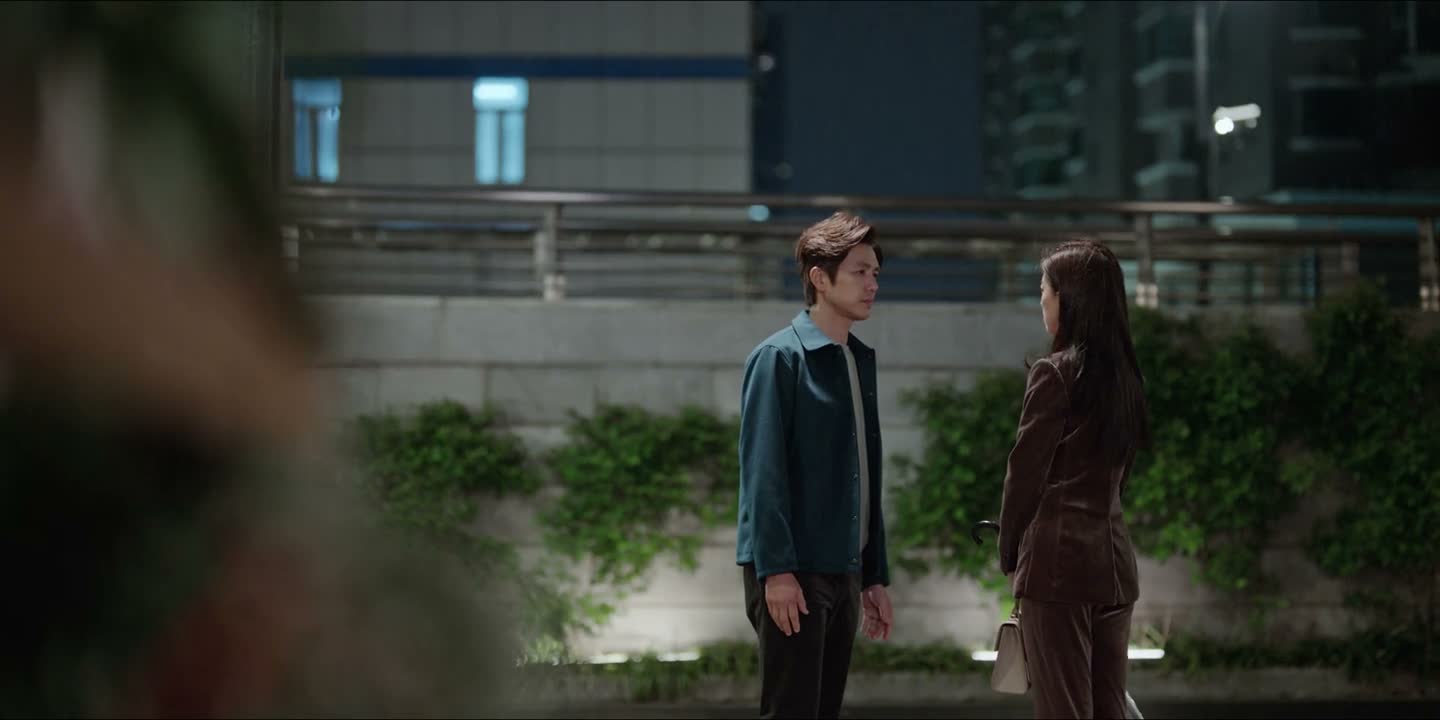
“you just say sorry to coax me.”
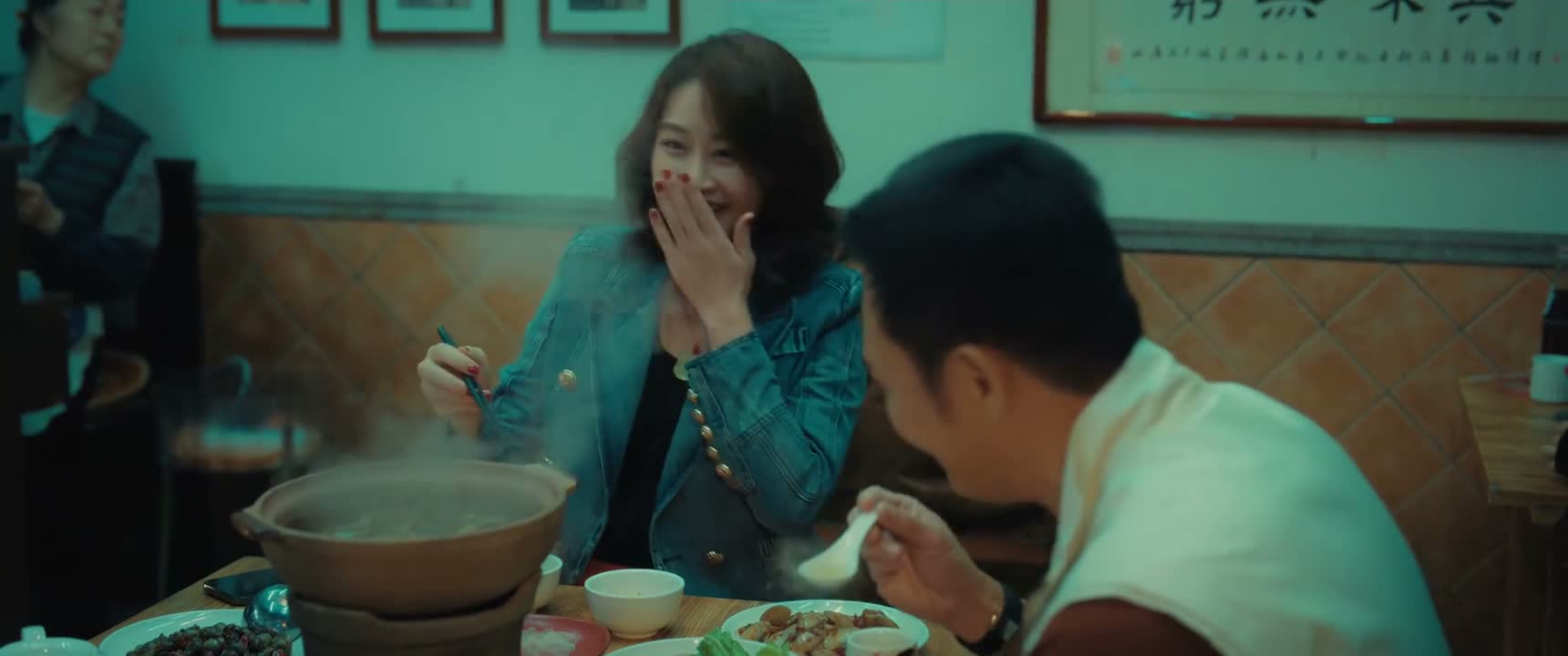
“Sorry. Pretend I didn't say that.”

“Sorry. Don't say sorry.”

“I always feel sorry for you.”

“I'm sorry. I'm so sorry.”

“will now... Sorry.”

“Why are you saying sorry? This is what I wanted to do.”

“So I've always wanted to apologize to you.”

“I feel like I've let you down.”

“The one who should be apologizing is me.”
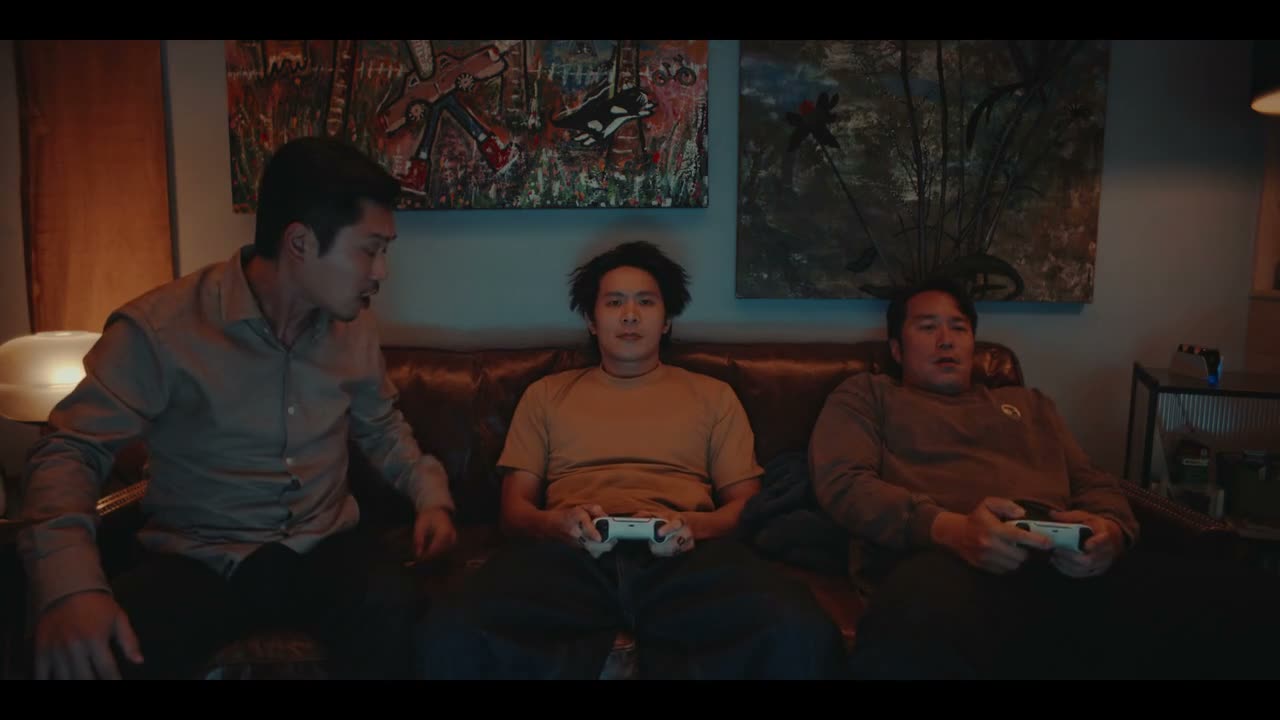
“Not even a real apology. And you're standing there laughing?”

“Apologizing to me is useless.”

“I owe you an apology.”