你总是在跟我说对不起
“You're always apologizing to me.”
THE DIALOGUE REEL
对不起
“"I'm sorry."”
你总是在 跟我说 对不起
“You're always apologizing to me.”
是我爱得太偏执
“I loved you too obsessively.”
“Saying sorry changes nothing; stop apologizing and actually fix what you are doing.”
In modern Chinese romantic relationships, repeatedly saying '对不起' without changing actions is seen as emotionally evasive rather than genuinely sincere.
LEARNING CHUNKS & PARTICLES
always / constantly (doing something)
Use this structure when emphasizing repetitive habits, often carrying a mild sense of complaint or exhaustion.
apologize to me / say sorry to me
A natural spoken phrase for describing someone apologizing to the speaker directly.
VOCABULARY & EXPRESSIONS
Parallel Spoken Cinema Scenes (语义近邻切片)

“I'm sorry, Mr. Xiao. I really can't recall anything.”

“so I could apologize to you in person.”

“you just say sorry to coax me.”

“I feel I really sorry about all this.”
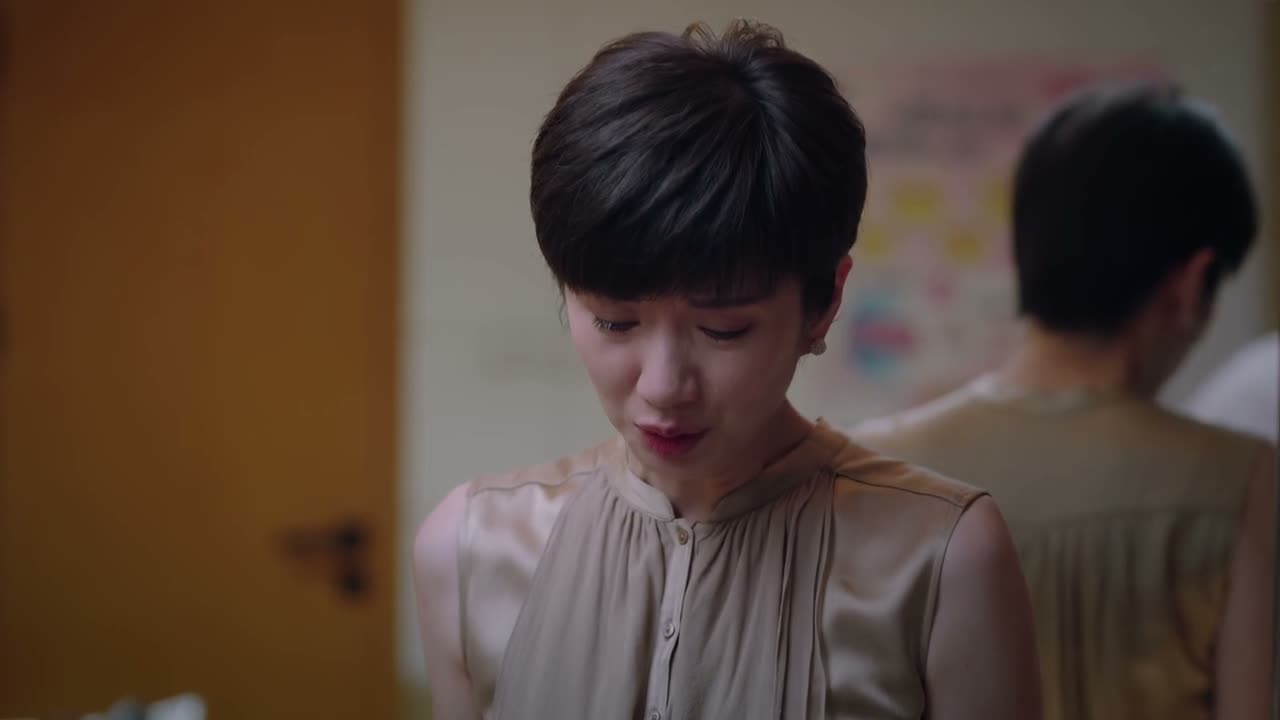
“Sorry. Don't say sorry.”

“I always feel sorry for you.”
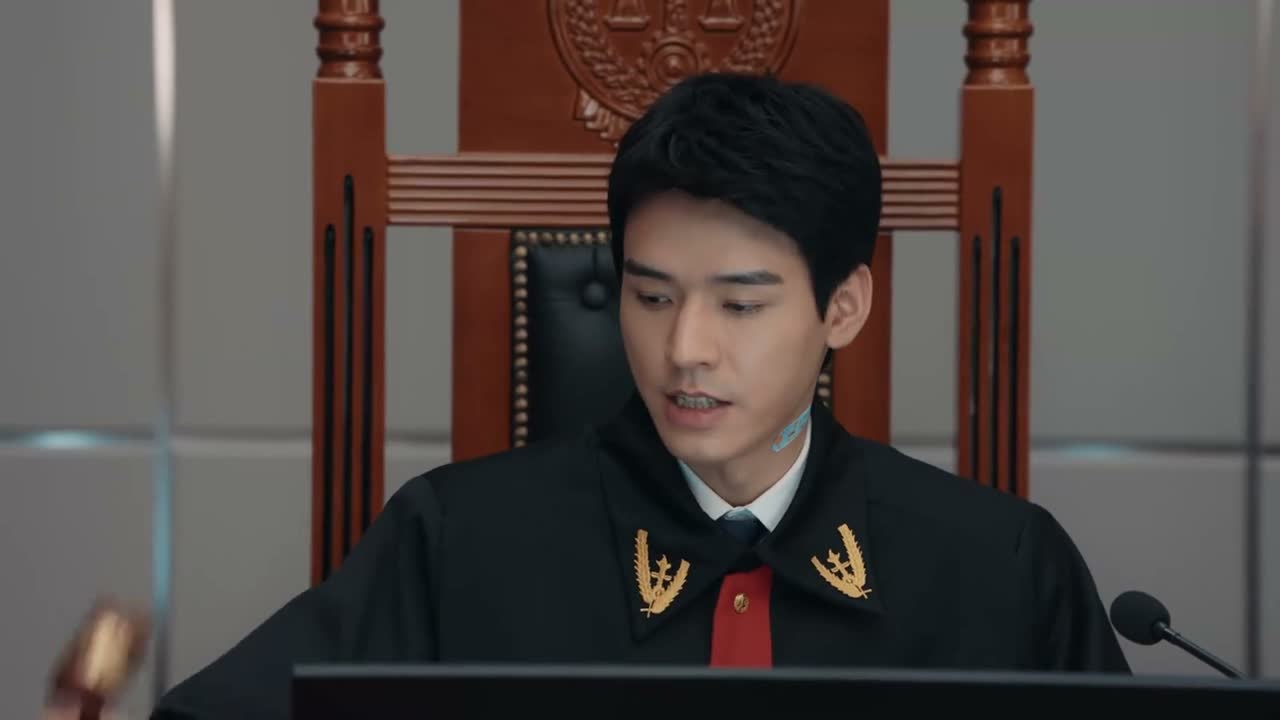
“will now... Sorry.”

“Why are you saying sorry? This is what I wanted to do.”

“I should apologize to you.”

“So I've always wanted to apologize to you.”

“I feel like I've let you down.”

“The one who should be apologizing is me.”

“I'm the one who should say sorry.”

“I'm truly sorry.”

“You always use snacks to apologize.”