宇总对不起 我是真想不起来了
“I'm sorry, Mr. Xiao. I really can't recall anything.”
THE DIALOGUE REEL
我打你了
“I hit you?”
宇总 对不起 我是 真 想不起来了
“I'm sorry, Mr. Xiao. I really can't recall anything.”
“If you're upset about it, you can hit me back if you want.”
“Please don't hold a grudge against me—I honestly don't remember hitting you.”
Addressing a manager by their surname plus 'Zong' (general manager/executive) reflects standard Chinese workplace hierarchy and professional deference.
LEARNING CHUNKS & PARTICLES
sorry; excuse me
A standard and direct apology used across formal and informal contexts.
cannot recall; cannot remember
A common potential complement construction indicating inability to retrieve a memory.
Indicates a newly realized state or emphasizes the finality of the speaker's inability to recall.
VOCABULARY & EXPRESSIONS
Parallel Spoken Cinema Scenes (语义近邻切片)

“Always "I'm sorry." Is saying sorry useful?”
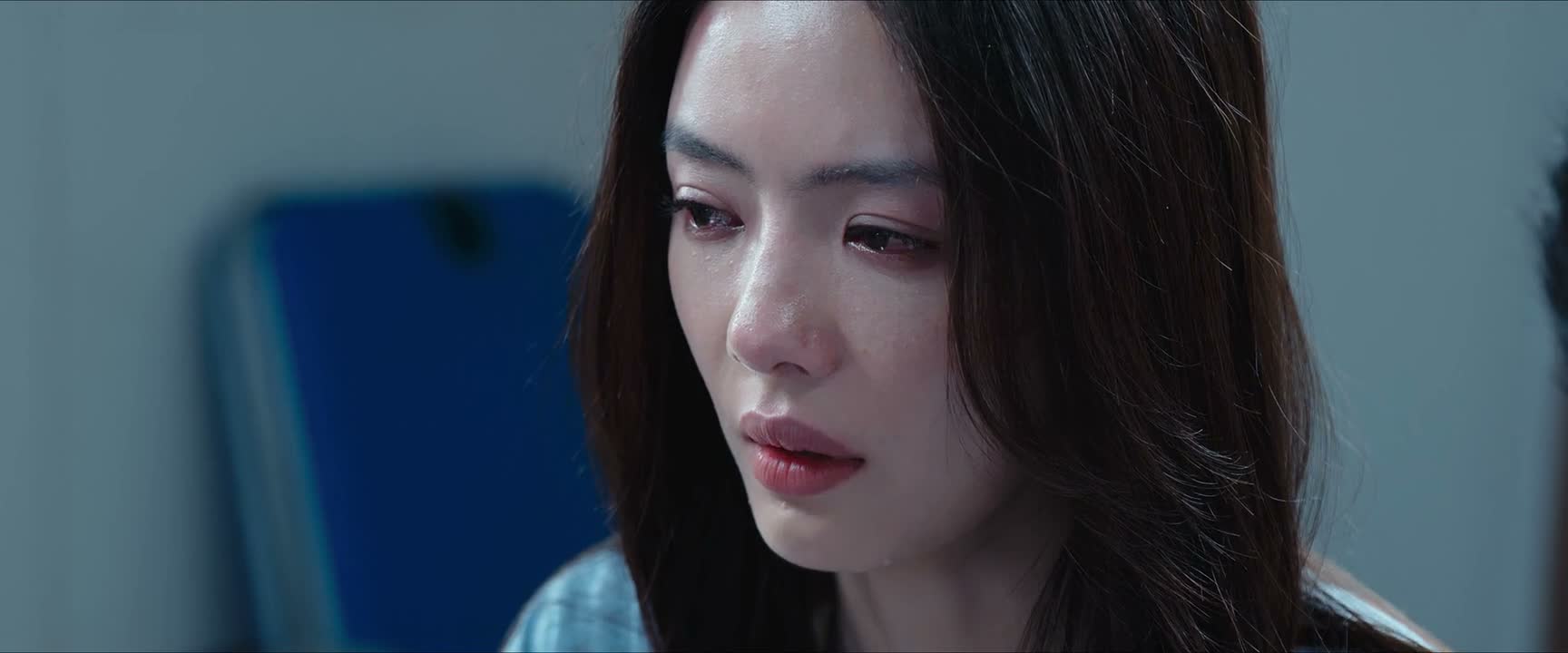
“You're always apologizing to me.”

“How did he let Mr. Rong down?”
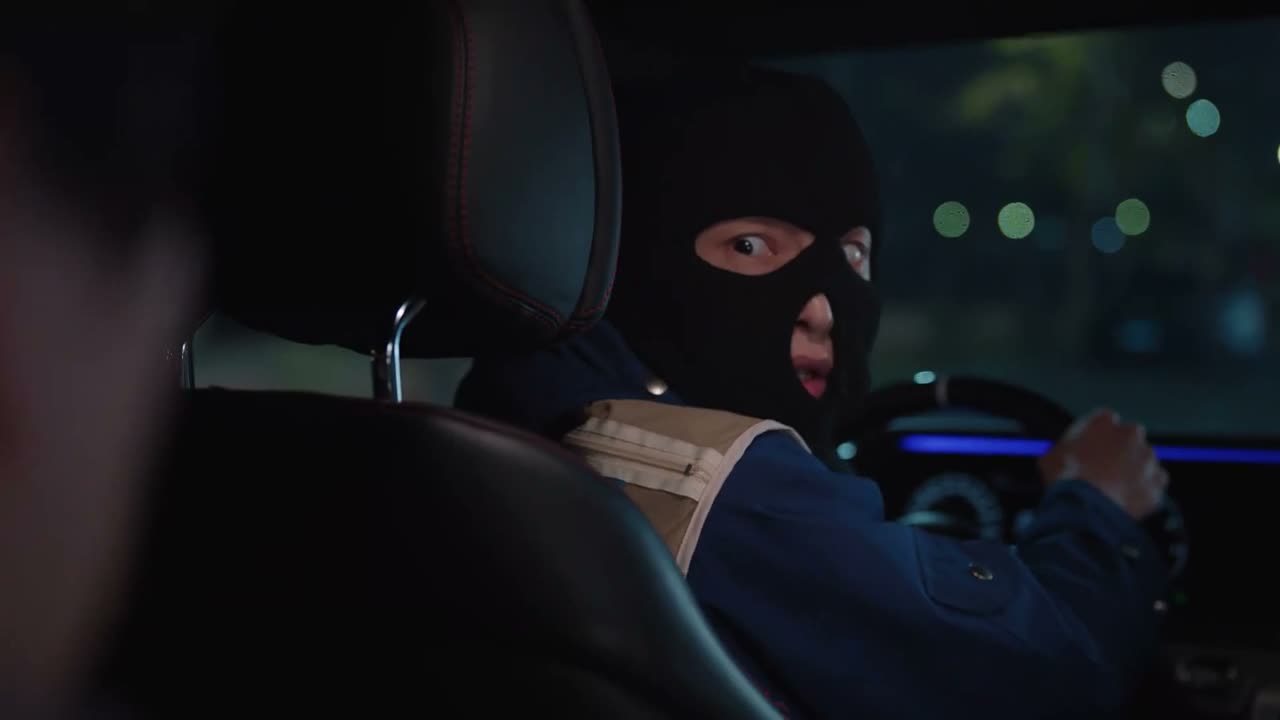
“Sorry. - Do you think apologizing helps? - Do you think apologizing helps?”

“I always feel sorry for you.”

“I'm sorry. I'm so sorry.”

“will now... Sorry.”

“Please also tell Uncle He that I'm sorry.”

“The one who should be apologizing is me.”

“I failed my parents too.”

“Mr. Ma, I'm sorry. I'm sorry, Mr. Ma.”
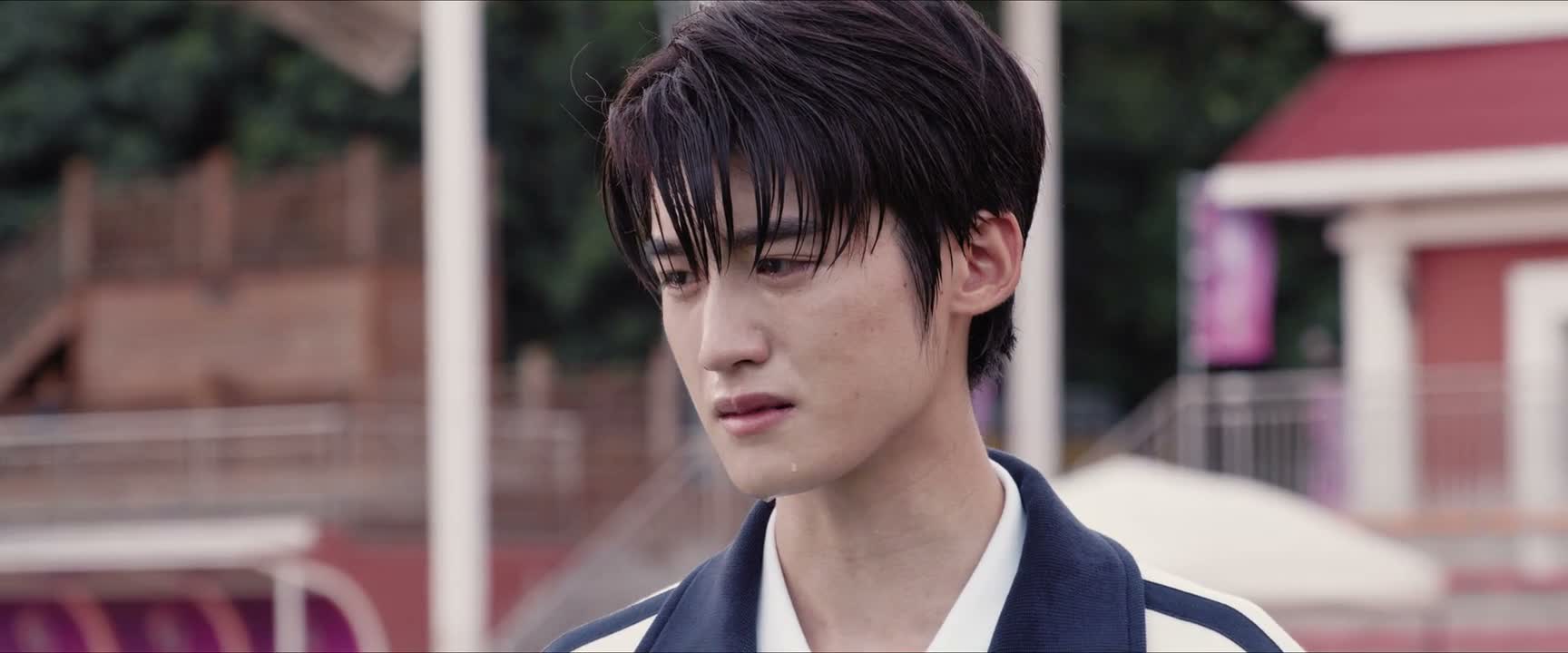
“I'm truly sorry.”

“I'm sorry. I'm sorry. It was really our oversight.”

“I'm really sorry. It's okay. No need...”