总对不起 对不起 对不起有用吗
“Always "I'm sorry." Is saying sorry useful?”
THE DIALOGUE REEL
“Yes, I'm sorry. I'm really sorry. You haven't improved at all.”
总 对不起 对不起 对不起有用吗
“Always "I'm sorry." Is saying sorry useful?”
让我看到你的价值
“Show me your value.”
“Stop apologizing. Apologies won't fix anything; show me results.”
A popular culture and workplace trope dismissing empty verbal apologies, emphasizing that professional environments demand tangible results and that simply admitting fault cannot make up for caused losses.
LEARNING CHUNKS & PARTICLES
Used in a rhetorical question to mean 'is ... of any use?' or 'does doing ... help at all?', implying complete futility or ineffectiveness.
A high-frequency spoken rhetorical pattern commonly used to criticize or blame someone for engaging in pointless actions, such as 'guang hou hui you yong ma?' ('is merely regretting it going to help?').
Placed at the end of a sentence to form a rhetorical question, intensifying the speaker's strong denial of the apology's effectiveness and adding a reproachful tone.
VOCABULARY & EXPRESSIONS
Parallel Spoken Cinema Scenes (语义近邻切片)

“Yes, I'm sorry. I'm really sorry. You haven't improved at all.”

“I'm sorry, Mr. Xiao. I really can't recall anything.”

“I'm so sorry. I'm sorry.”
“Sorry. Zixuan.”

“You don't need to apologize to anyone.”

“I'm sorry. To whom?”
“Sorry. - Do you think apologizing helps? - Do you think apologizing helps?”
“I'm sorry. I'm sorry.”
“Sorry! Are you okay?”

“I'm sorry. I'm sorry.”

“I'm sorry. I'm sorry.”

“anyone in this life... it's you...”
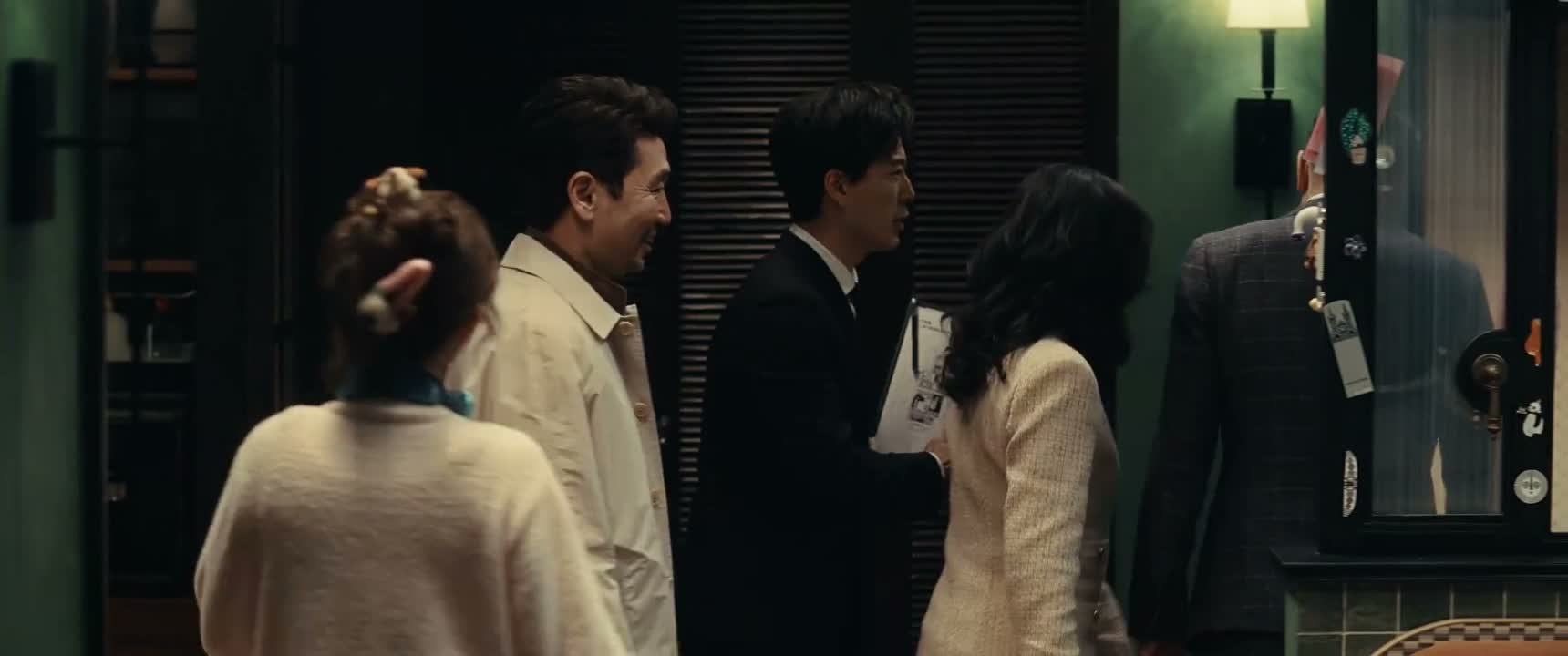
“- Jeez. - I'm so sorry. - What is this all about? - Let's go.”

“Sorry for what? Is sorry useful? What are you sorry for?”

“Sorry. I'm really sorry.”

“will now... Sorry.”
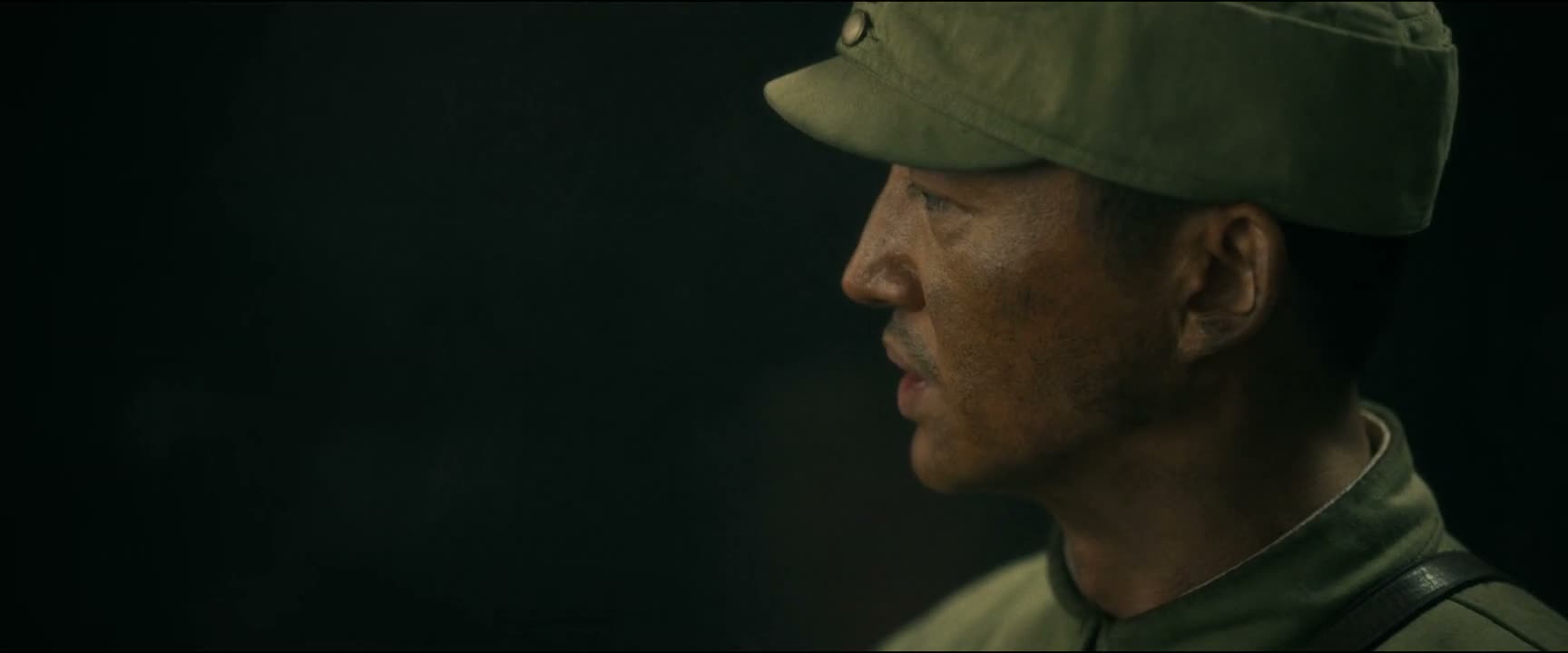
“But I'm sorry. I broke my promise again.”
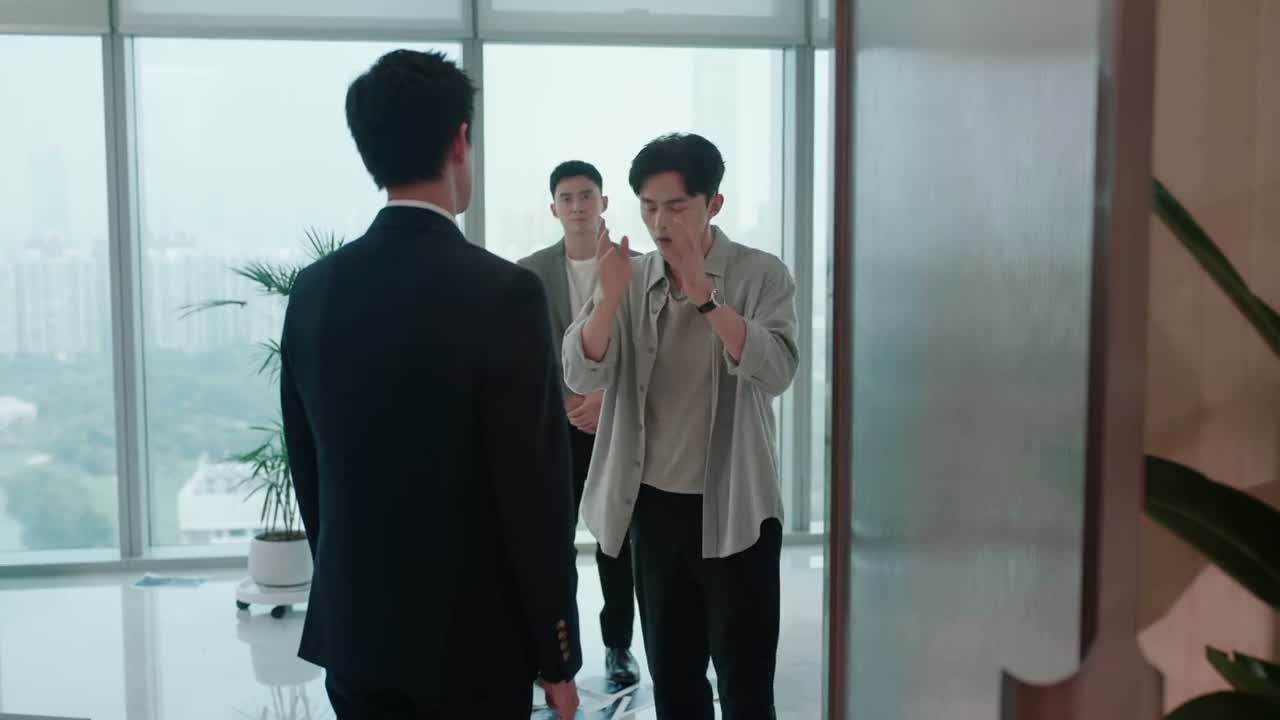
“Sorry. I'm sorry.”

“You don't need to feel sorry.”

“I am so sorry. Wan is dead.”

“I forgot about it. -I’m sorry. -You… I'll definitely remember next time.”
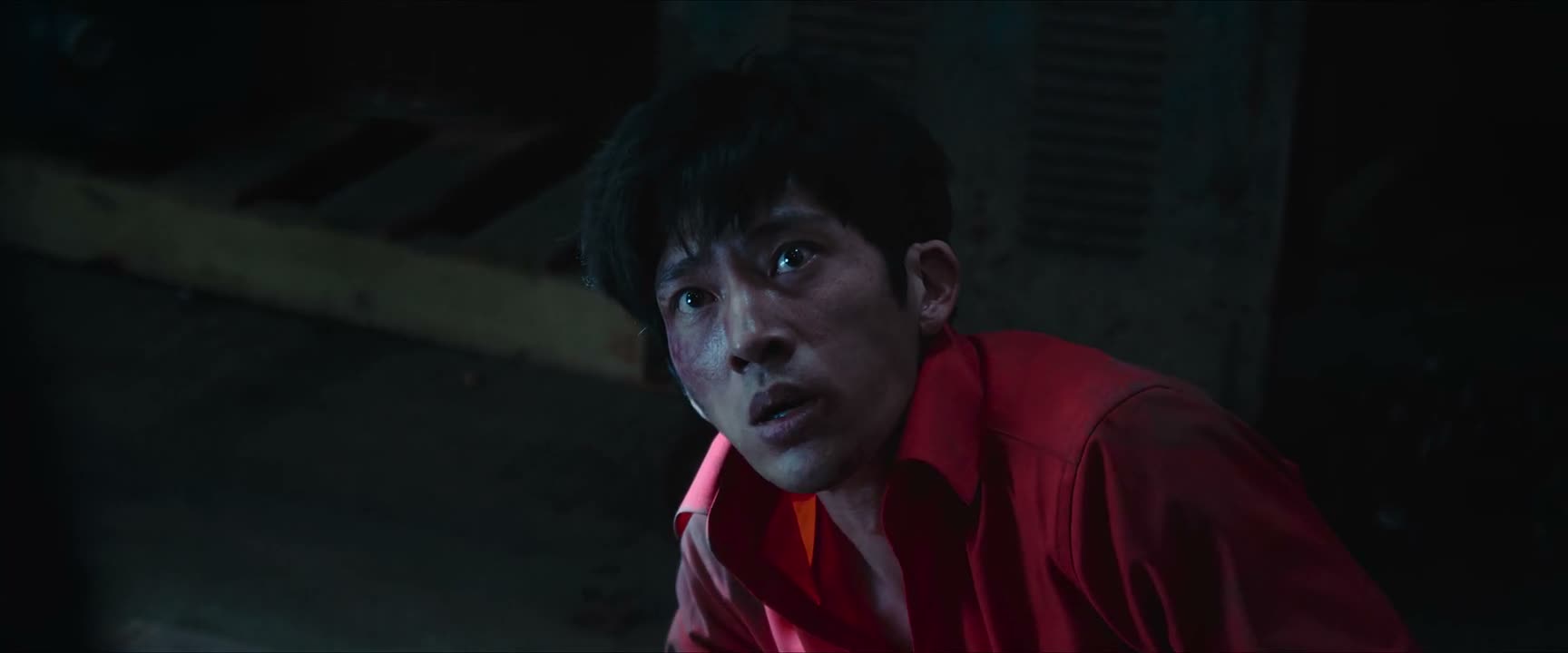
“I'm sorry. I'm sorry. I'm really sorry.”

“I failed my parents too.”

“it would be unfair to what he suffered.”

“How can it get to the point of saying sorry?”

“I really am so sorry. It's all my fault. You should know”

“the two people I owe the most”
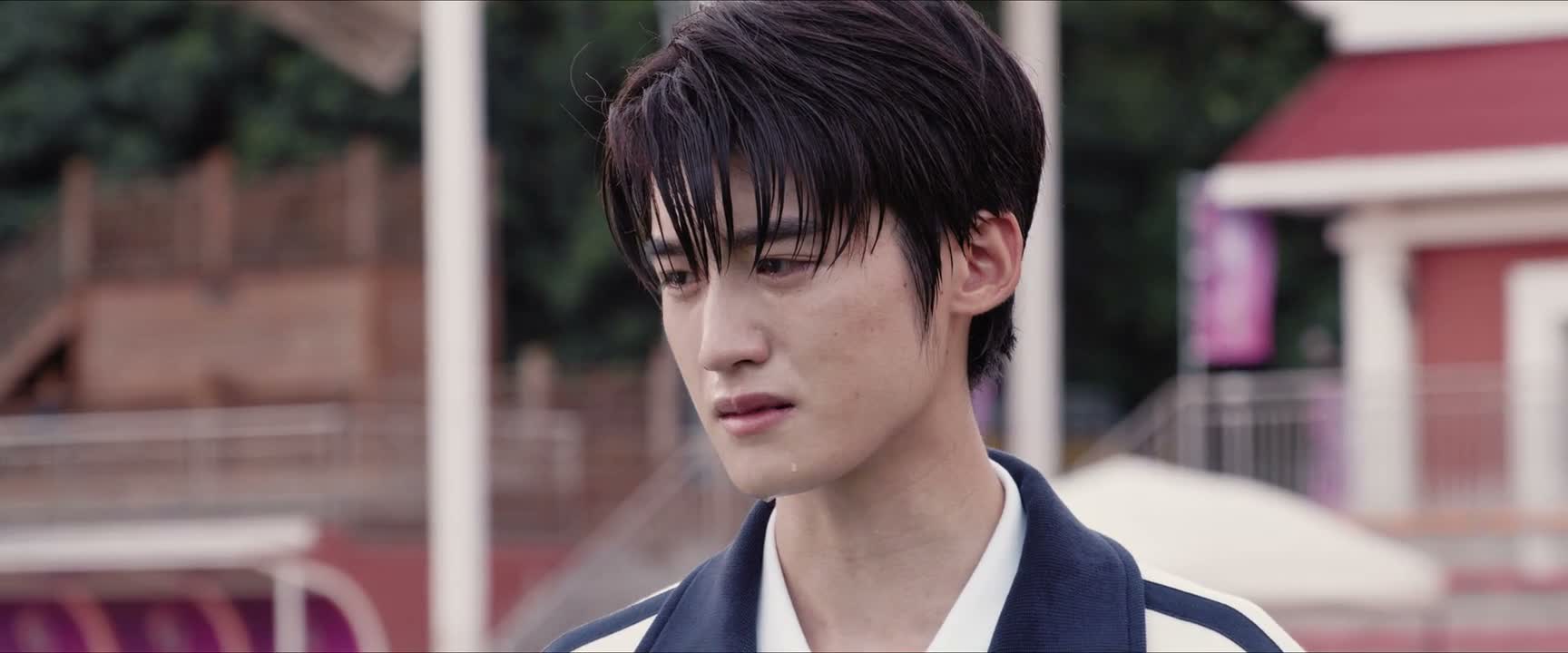
“I'm truly sorry.”

“Sorry. Sorry. I didn't mean to.”

“I'm sorry. I'm sorry. It was really our oversight.”

“I'm really sorry. It's okay. No need...”