对不起嘛 对不起
“I'm so sorry. I'm sorry.”
THE DIALOGUE REEL
我知道错了 我下次一定改 对不起 对不起
“I know I was wrong! I'll definitely change next time, I swear! I'm so sorry.”
对不起嘛 对不起
“I'm so sorry. I'm sorry.”
“I promise I'll never do this again.”
“Please don't stay mad at me, I'm begging you to let this go.”
Using the particle '嘛' turns a formal apology into an affectionate appeal to soften interpersonal conflict between lovers or close intimates.
LEARNING CHUNKS & PARTICLES
sorry; I apologize
The standard Chinese expression for apologizing, repeated here for emotional emphasis.
Softens the apology into a persuasive, slightly whining or coaxing plea (撒娇).
VOCABULARY & EXPRESSIONS
Parallel Spoken Cinema Scenes (语义近邻切片)
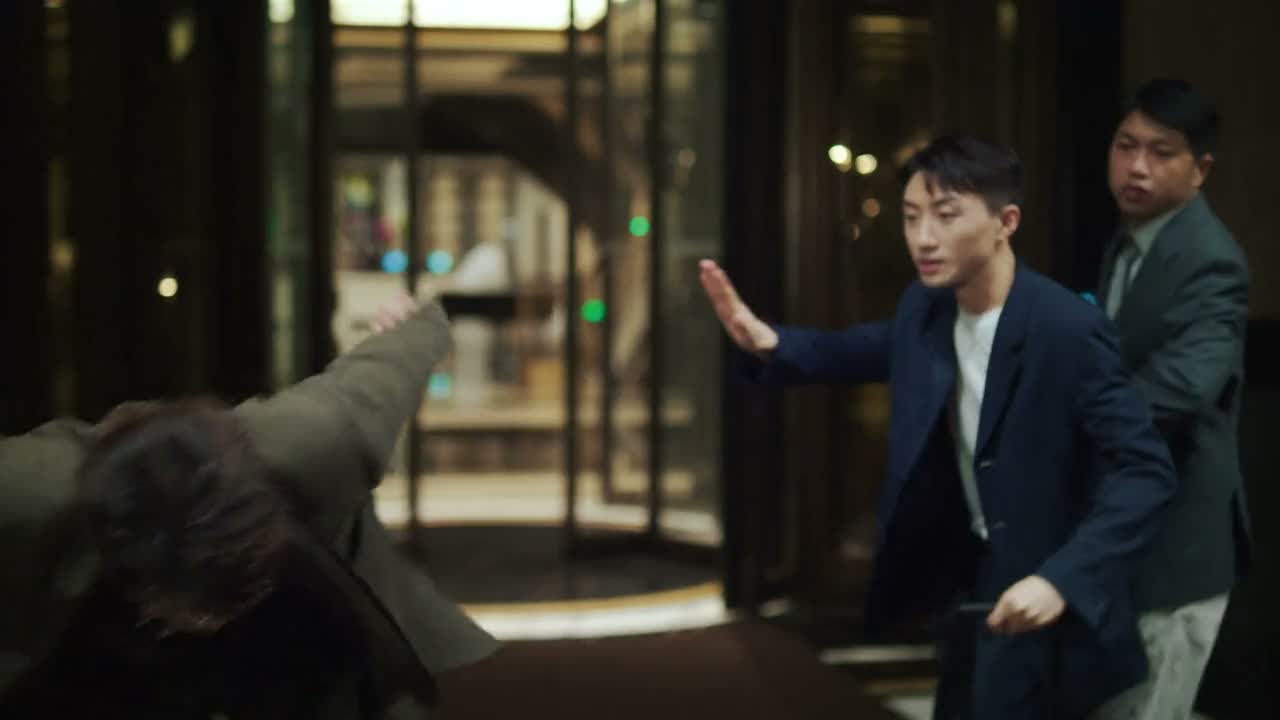
“I'm sorry. I'm sorry. Sorry.”

“Yes, I'm sorry. I'm really sorry. You haven't improved at all.”

“Always "I'm sorry." Is saying sorry useful?”

“I'm sorry. I shouldn't have hidden”

“I... I'm sorry, sir.”

“I broke the vow I made under the national emblem.”

“You don't need to apologize to anyone.”

“I'm sorry. To whom?”
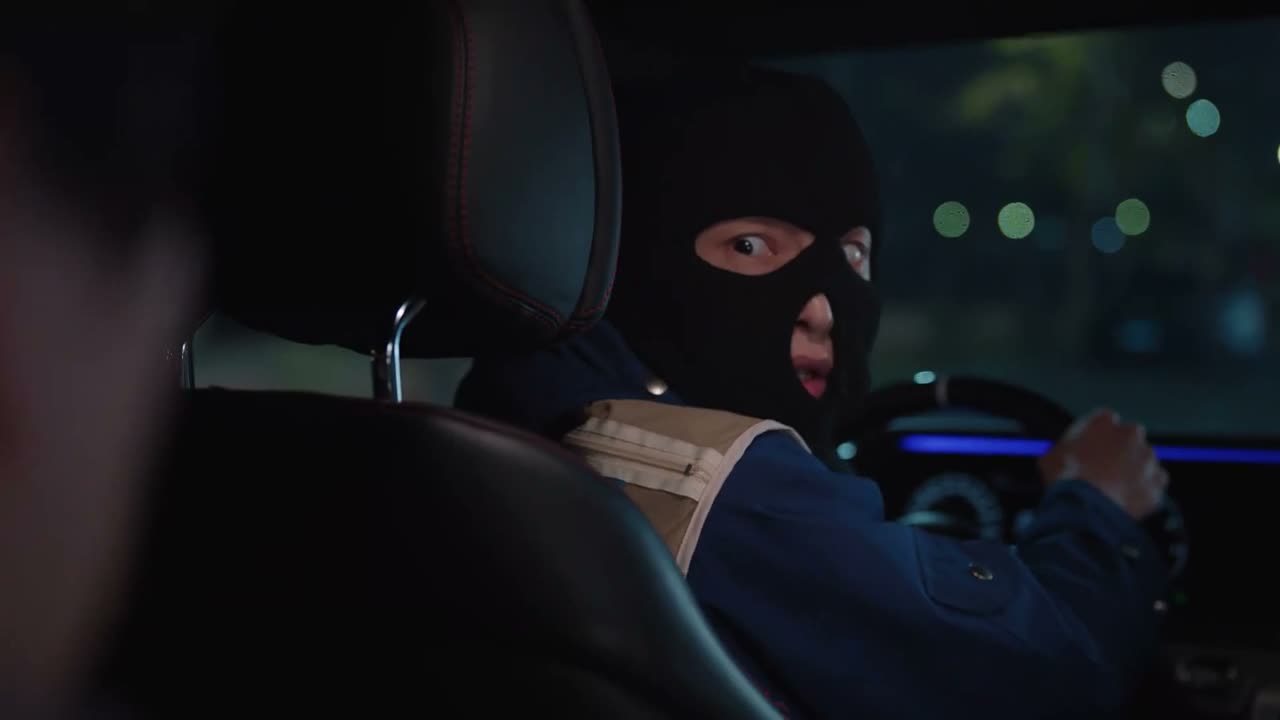
“Sorry. - Do you think apologizing helps? - Do you think apologizing helps?”

“I'm sorry. I'm sorry.”
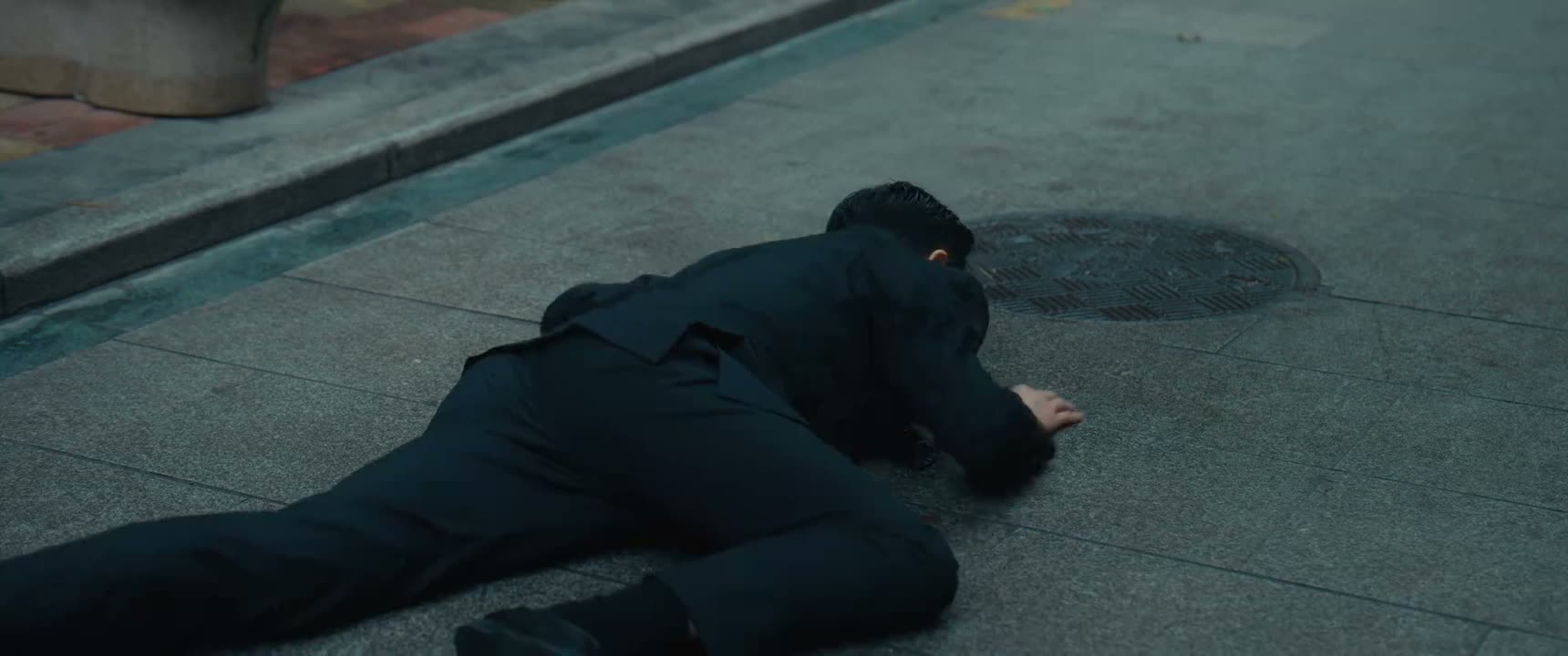
“Sorry! Are you okay?”

“I'm sorry. I'm sorry.”

“I'm sorry. I'm sorry.”

“Teacher, sorry. Sorry. But you still need to”
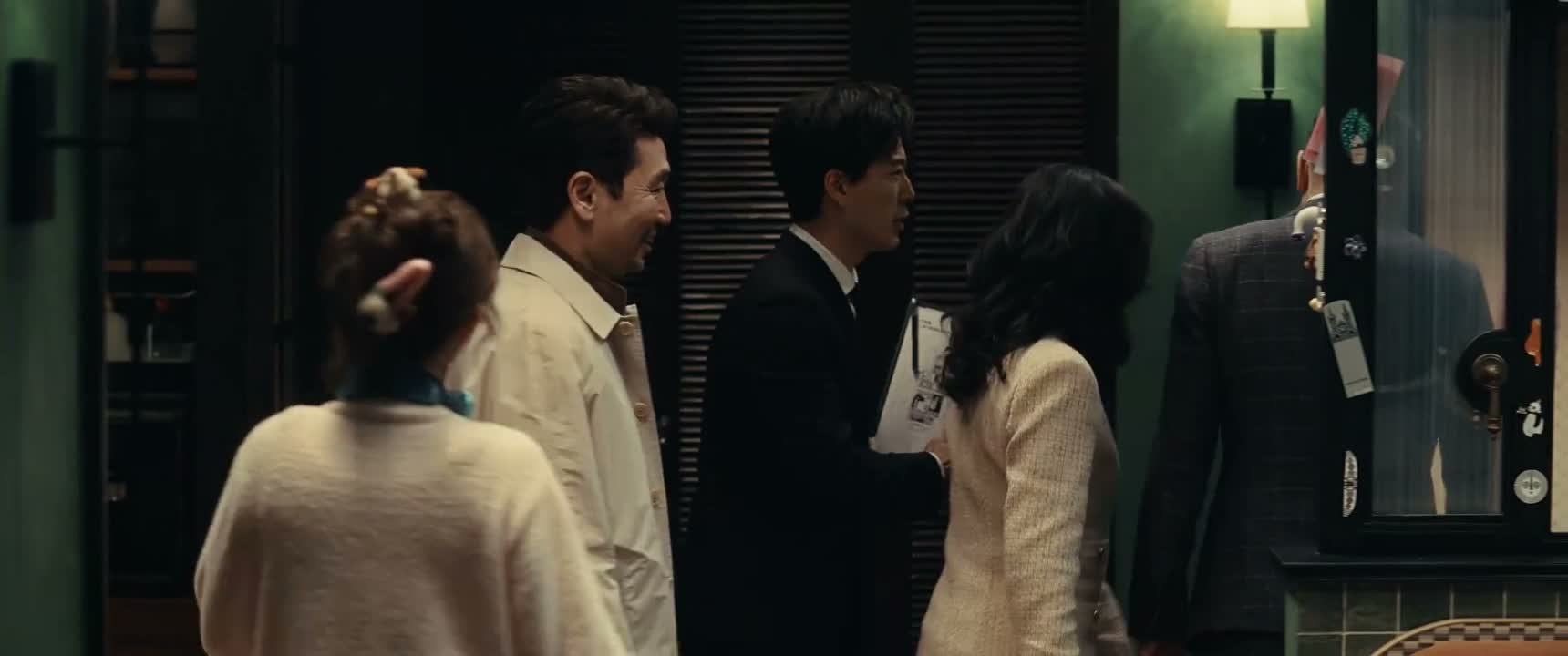
“- Jeez. - I'm so sorry. - What is this all about? - Let's go.”

“Sorry for what? Is sorry useful? What are you sorry for?”

“Sorry. I'm really sorry.”

“I'm sorry. I spoke too harshly just now.”

“Get lost. Sorry, my apologies to you guys. Let's go.”
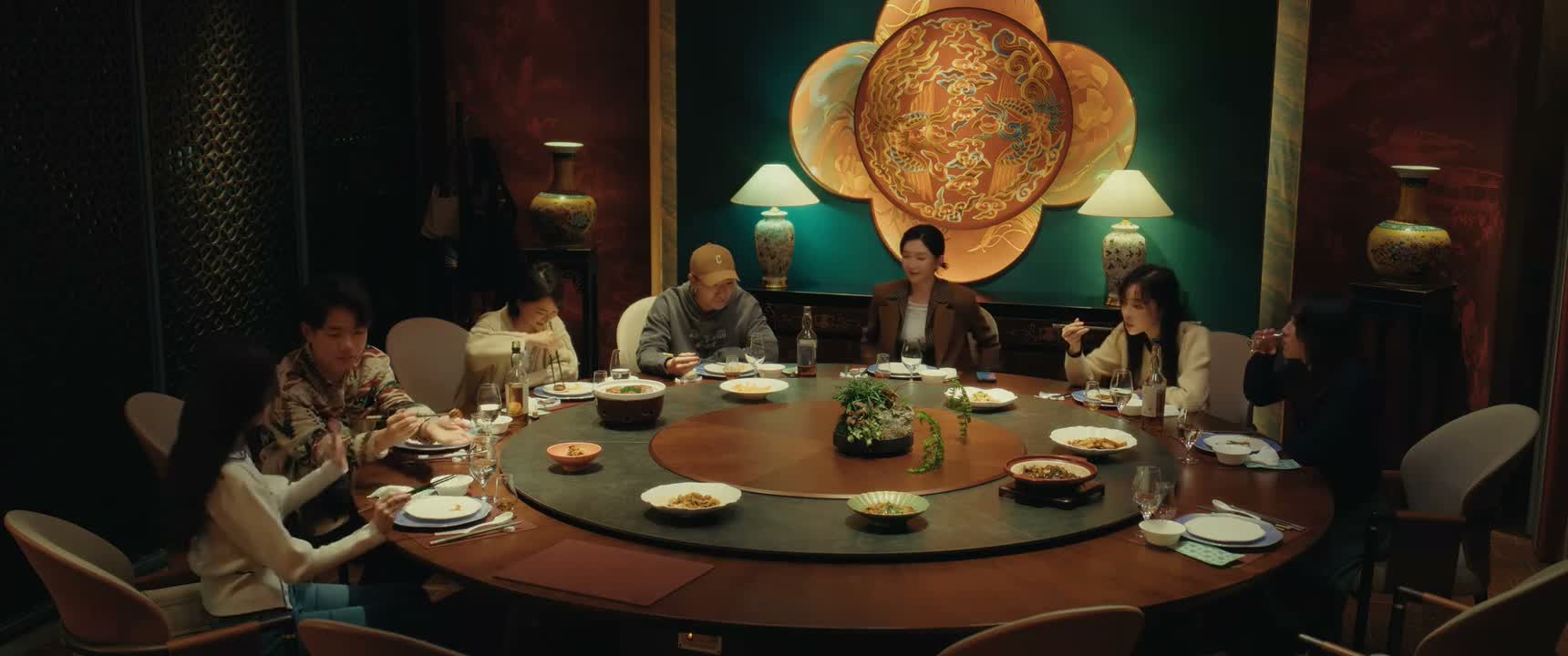
“I'm sorry. Hao, I'm late.”

“will now... Sorry.”
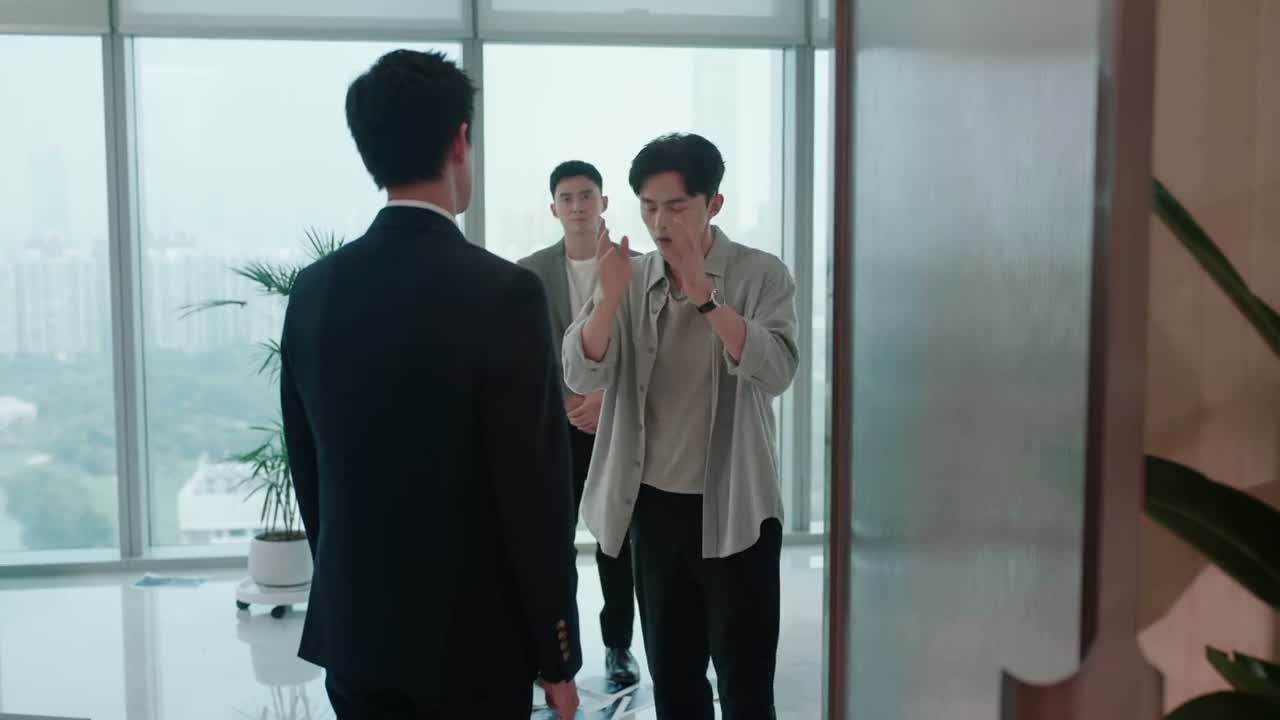
“Sorry. I'm sorry.”

“Don't make excuses. I'm sorry.”

“Sorry. This old lady won't play along.”

“I am so sorry. Wan is dead.”

“I forgot about it. -I’m sorry. -You… I'll definitely remember next time.”
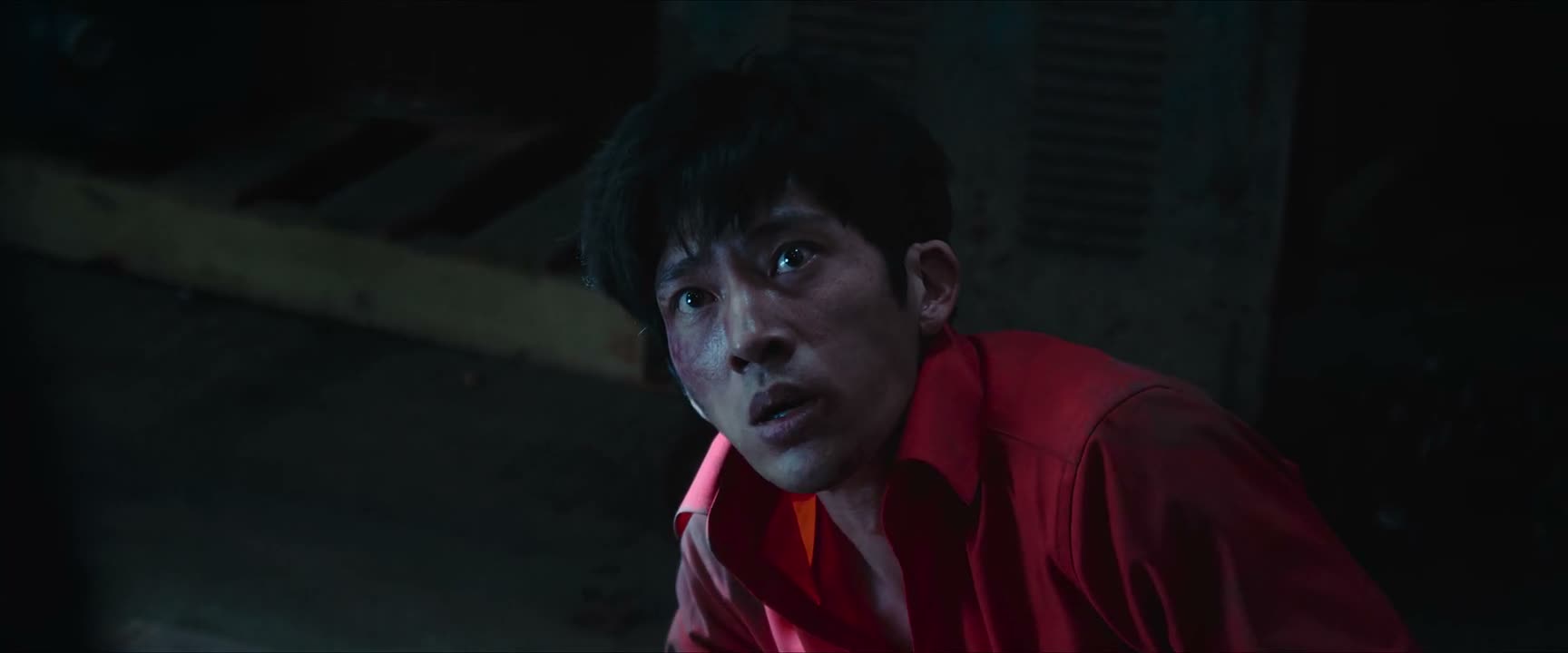
“I'm sorry. I'm sorry. I'm really sorry.”

“Say "Mom, I'm sorry."”

“Sorry, I shouldn't have joked. Then tell me,”

“I... I'm sorry.”

“Sorry. Sorry. I didn't mean to.”