对不起 对不起 您没事吧
“Sorry! Are you okay?”
THE DIALOGUE REEL
“Move! Brakes failed! Move!”
对不起 对不起 您没事吧
“Sorry! Are you okay?”
怎么开车的你
“Watch the road!”
Direct spoken expression in this communicative setting.
Using the respectful second-person pronoun 'nin' during an accident helps de-escalate tension by showing humility and deference.
LEARNING CHUNKS & PARTICLES
sorry / excuse me
The standard, universally recognized apology in Mandarin for causing trouble or accidents.
Are you okay? / Are you hurt?
A polite and concerned question to ask when someone experiences a fall, collision, or shock.
Softens the inquiry, seeking confirmation with an underlying hope that the person is unharmed.
VOCABULARY & EXPRESSIONS
Parallel Spoken Cinema Scenes (语义近邻切片)

“I'm sorry. I'm sorry. Sorry.”

“Always "I'm sorry." Is saying sorry useful?”

“(I'm sorry.) (I can't take you with me right now.)”

“I'm so sorry. I'm sorry.”

“Sorry. Zixuan.”

“Sorry, sorry. A grown man though he is, he surely acts like a child.”

“I'm sorry. I'm on a business trip.”

“Sorry! So sorry, Ms. Yan. My mistake.”

“You don't need to apologize to anyone.”

“I'm sorry. To whom?”
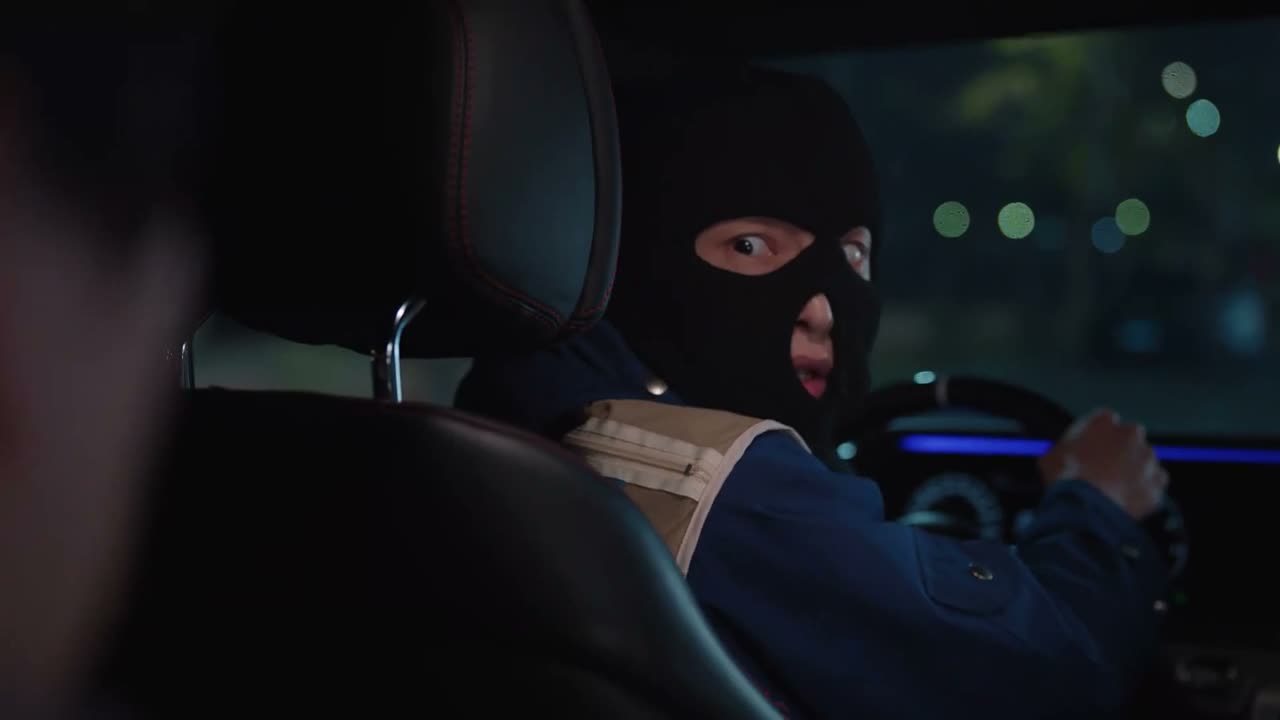
“Sorry. - Do you think apologizing helps? - Do you think apologizing helps?”

“I'm sorry. I'm sorry.”

“I'm sorry. I'm sorry.”

“I'm sorry. I'm sorry.”

“Sorry. Go ahead.”

“- Jeez. - I'm so sorry. - What is this all about? - Let's go.”

“Sorry for what? Is sorry useful? What are you sorry for?”

“Sorry. I'm really sorry.”

“I'm sorry. I'm sorry. S-Something suddenly cropped up.”
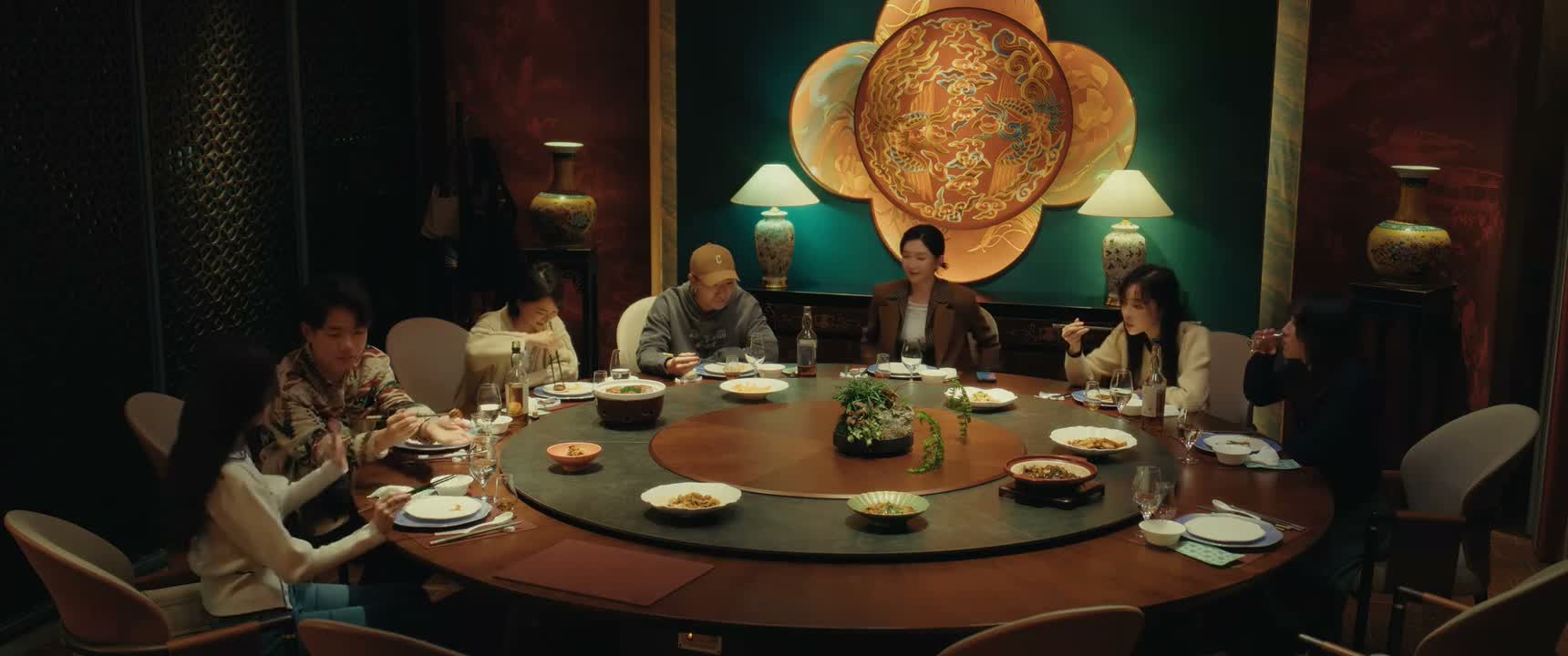
“I'm sorry. Hao, I'm late.”

“Sorry. I'm sorry.”

“I'm so sorry. Um, are you OK? I'm fine.”

“I'm sorry. I'm sorry. I'm really sorry.”

“Sorry, I shouldn't have joked. Then tell me,”

“Sorry. Sorry. I didn't mean to.”

“I'm sorry. I'm sorry. It was really our oversight.”

“I'm sorry for that. Just keep quiet.”