对不起 对不起 我现在没办法带你走
“(I'm sorry.) (I can't take you with me right now.)”
THE DIALOGUE REEL
走
“Move!”
对不起 对不起 我现在 没办法 带你走
“(I'm sorry.) (I can't take you with me right now.)”
但我保证
“(But I promise.)”
Direct spoken expression in this communicative setting.
Expressing deep regret while being bound by external constraints is a frequent dramatic trope reflecting the conflict between personal devotion and duty.
LEARNING CHUNKS & PARTICLES
have no way to; powerless to
Extremely frequent expression denoting complete lack of alternatives or power under circumstances.
take you away; bring you with me
Commonly used in romantic or dramatic rescue contexts indicating escaping together.
VOCABULARY & EXPRESSIONS
Parallel Spoken Cinema Scenes (语义近邻切片)
“Sorry, did I step on you?”

“Sorry, sorry. A grown man though he is, he surely acts like a child.”
“I'm sorry. I'm on a business trip.”

“I'm sorry. To whom?”
“Sorry. - Do you think apologizing helps? - Do you think apologizing helps?”
“I'm sorry. I'm sorry.”
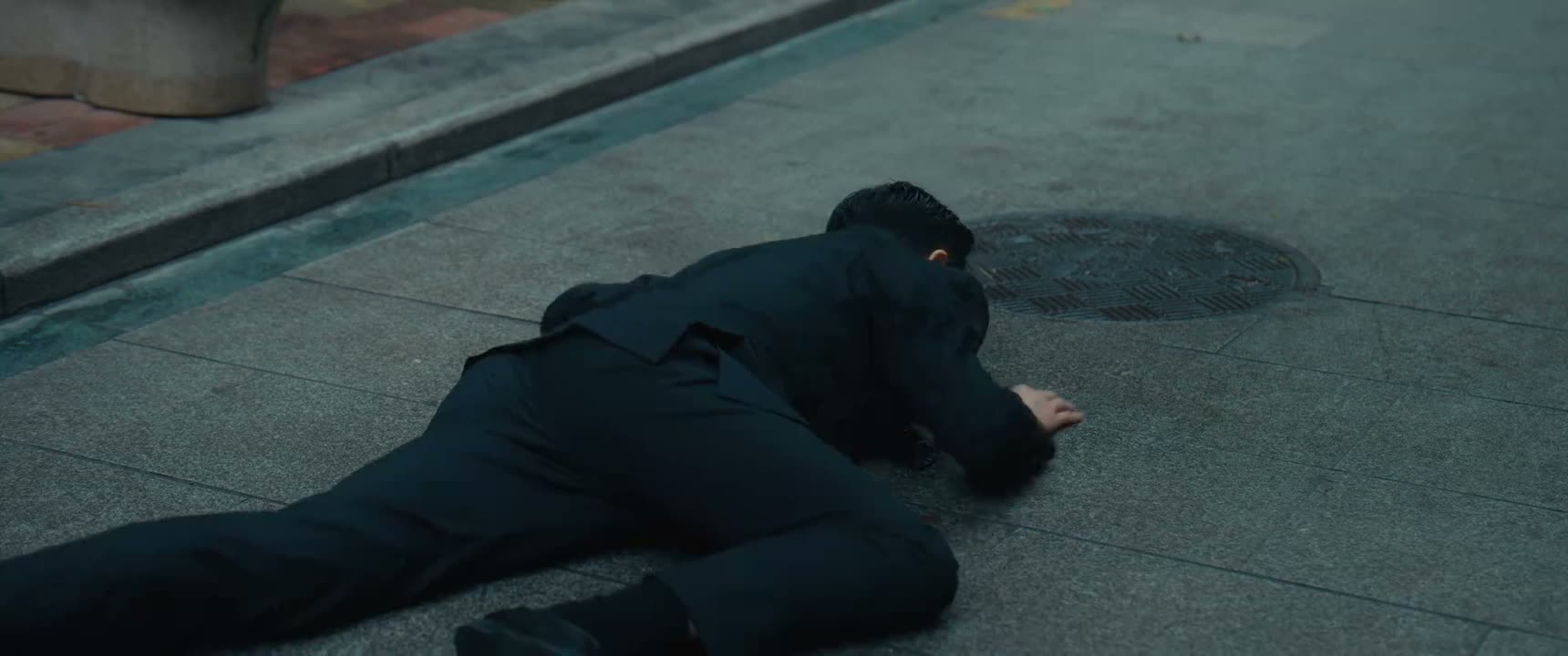
“Sorry! Are you okay?”

“I'm sorry. I'm sorry.”

“I'm sorry. I'm sorry.”
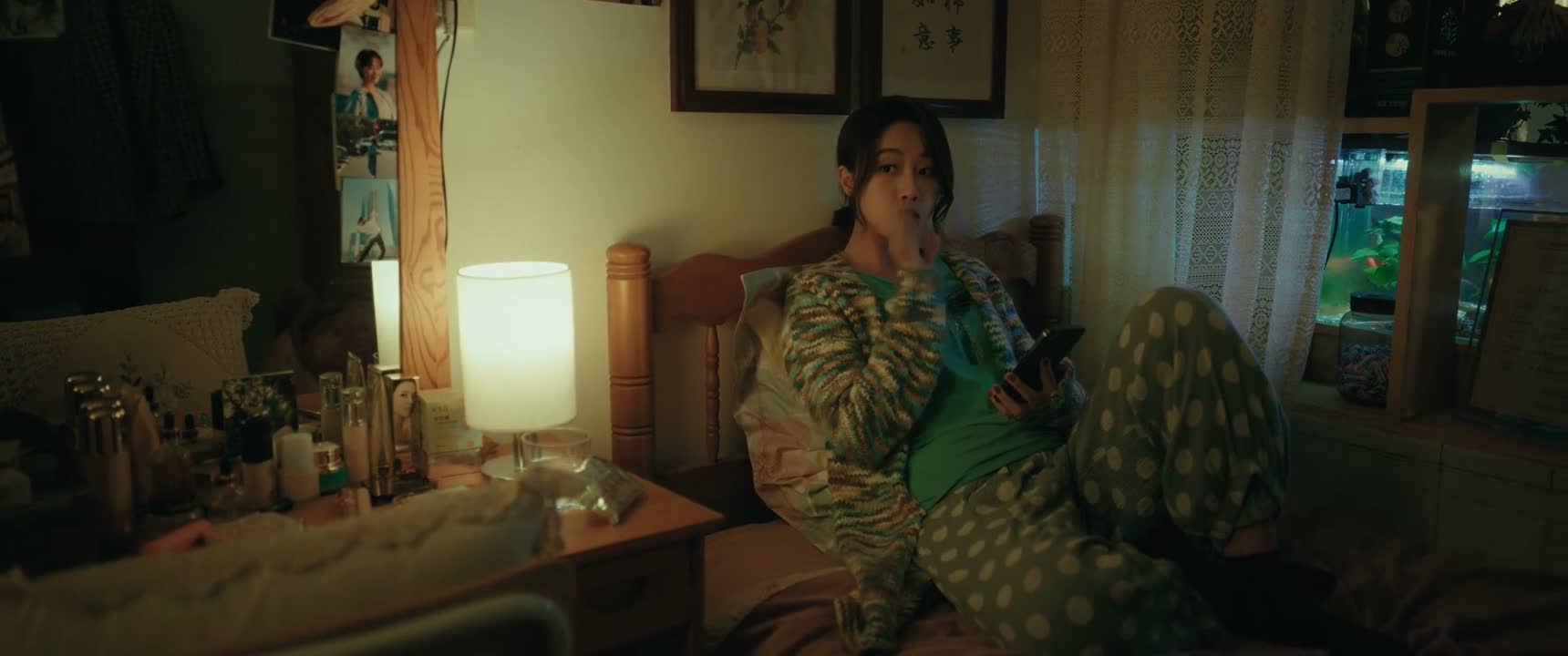
“Sorry. Go ahead.”

“Sorry. I'm really sorry.”

“I'm sorry. I'm sorry. S-Something suddenly cropped up.”
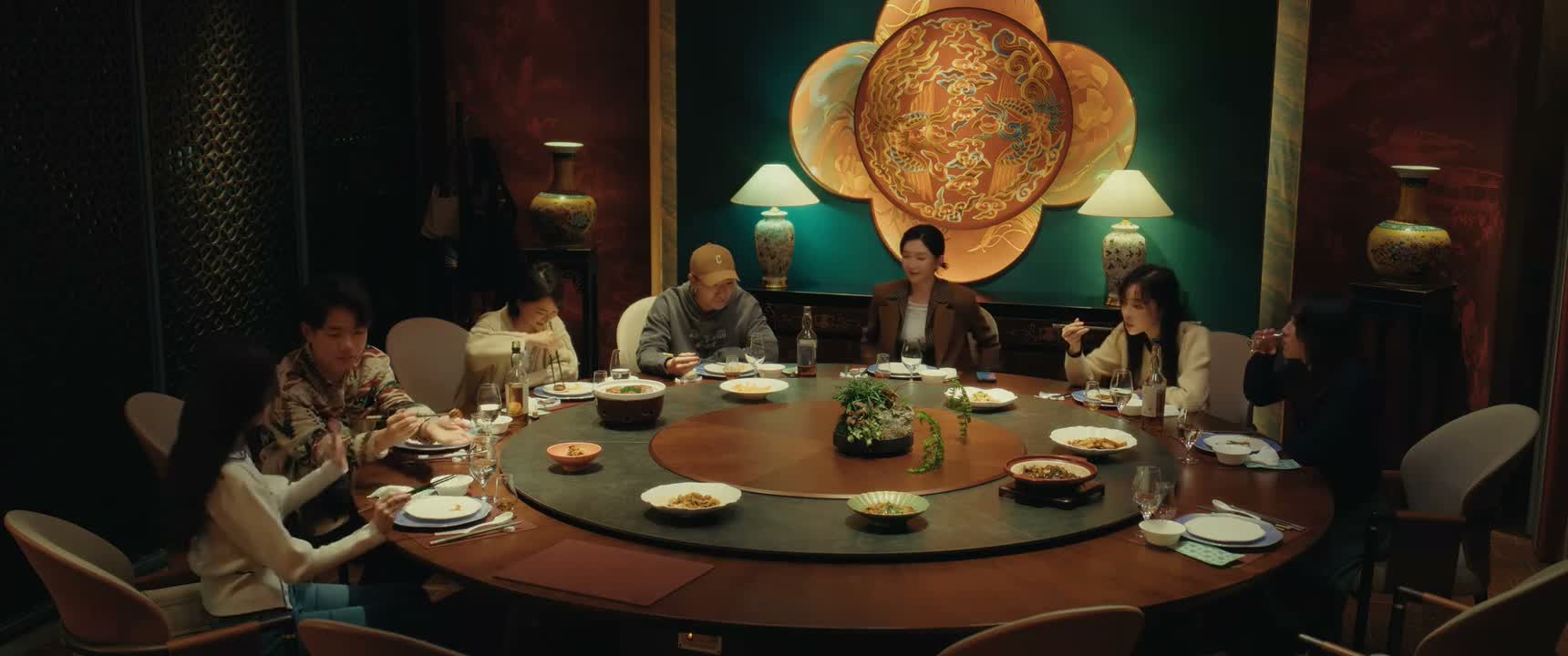
“I'm sorry. Hao, I'm late.”

“will now... Sorry.”
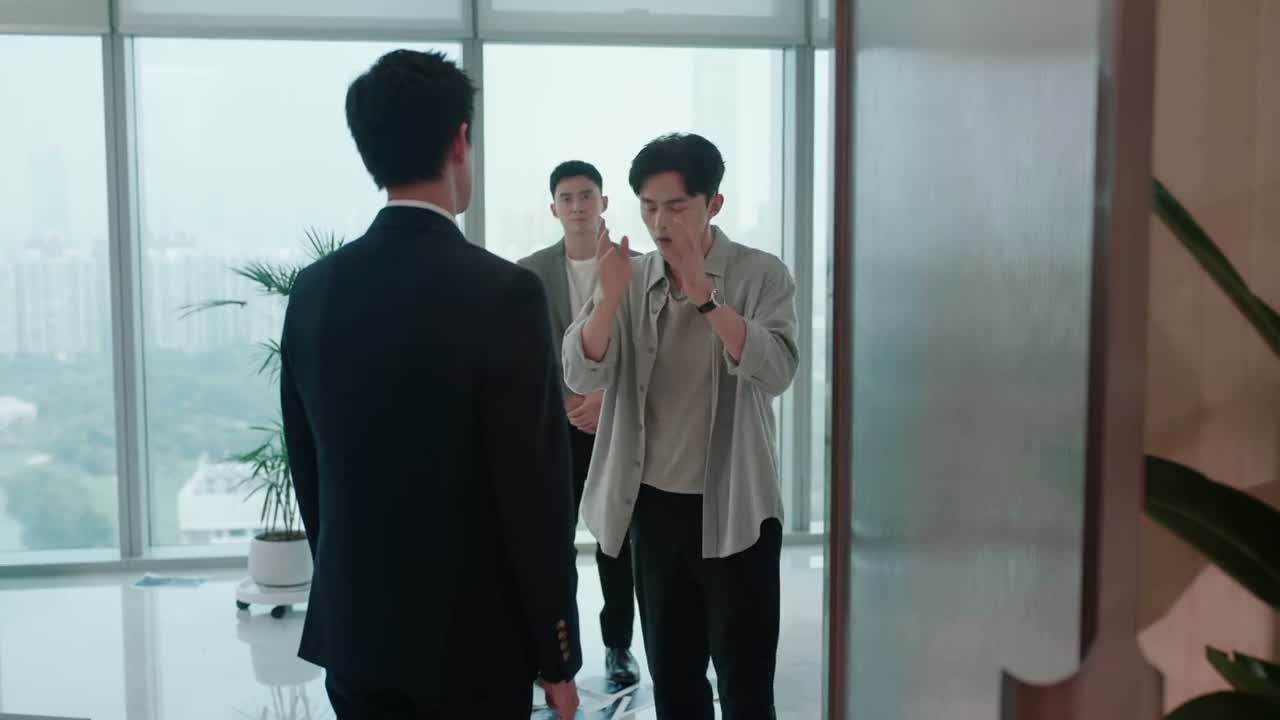
“Sorry. I'm sorry.”

“Sorry, I shouldn't have joked. Then tell me,”

“Sorry. Sorry. I didn't mean to.”

“I'm sorry. I'm sorry. It was really our oversight.”