对不起 对不起 这么大个人了也没个正形
“Sorry, sorry. A grown man though he is, he surely acts like a child.”
THE DIALOGUE REEL
“I'll make you pay. You heard me? Silly kid.”
对不起 对不起 这么大个人了 也 没个正形
“Sorry, sorry. A grown man though he is, he surely acts like a child.”
不好意思 不好意思
“I'm sorry for that.”
“I am so embarrassed by you, behave yourself before you get us into real trouble.”
In Chinese social interactions, reprimanding one's own child or junior companion publicly demonstrates moral responsibility and pre-empts harsh criticism from the offended party.
LEARNING CHUNKS & PARTICLES
lacking seriousness or decorum; behaving improperly
A colloquial northern expression frequently used by elders or peers to criticize someone acting clownish or undignified.
already such a grown adult
Used to scold someone whose immature behavior does not match their age.
Marks the completed state of growing up to emphasize the discrepancy with their childish behavior.
VOCABULARY & EXPRESSIONS
Parallel Spoken Cinema Scenes (语义近邻切片)

“Yes, I'm sorry. I'm really sorry. You haven't improved at all.”

“(I'm sorry.) (I can't take you with me right now.)”
“Sorry. Zixuan.”
“I'm sorry. I'm on a business trip.”

“Sorry! So sorry, Ms. Yan. My mistake.”

“I'm sorry. To whom?”
“Sorry. - Do you think apologizing helps? - Do you think apologizing helps?”
“I'm sorry. I'm sorry.”
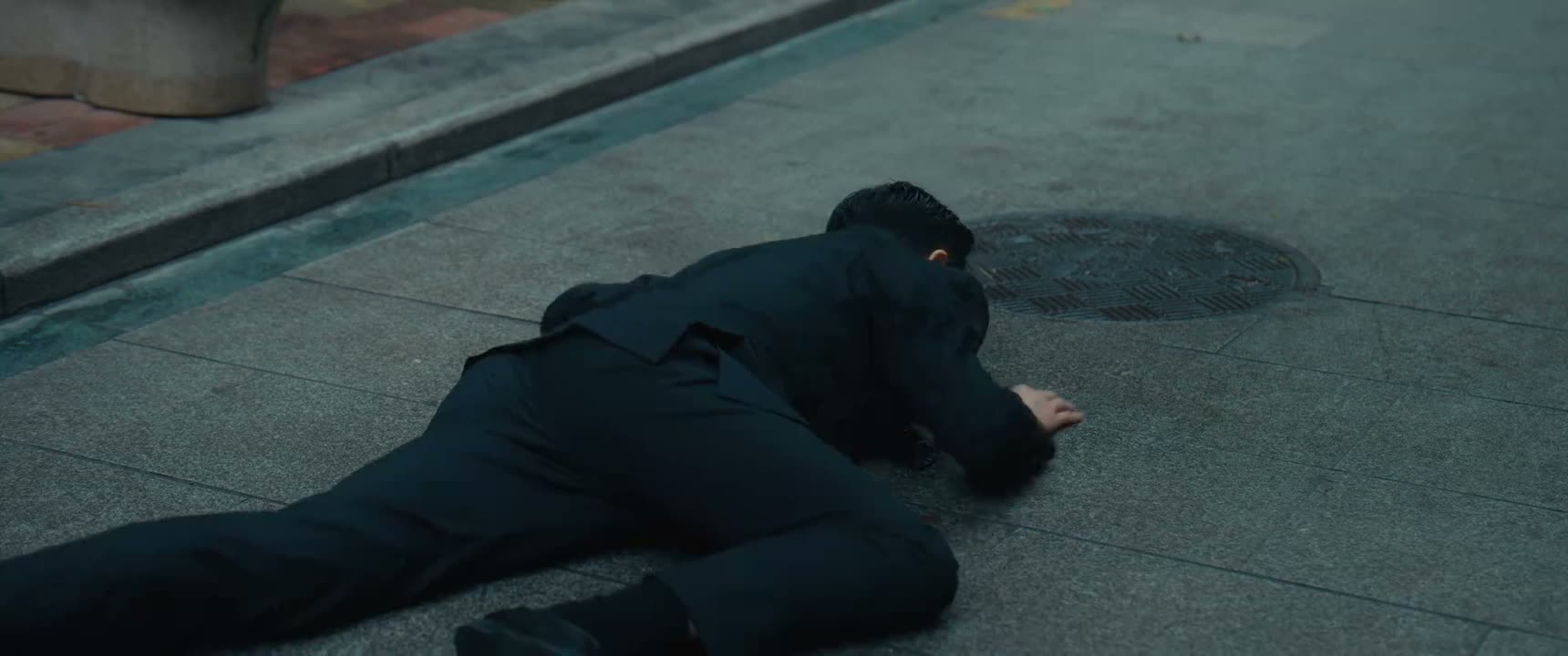
“Sorry! Are you okay?”

“I'm sorry. I'm sorry.”

“I'm sorry. I'm sorry.”
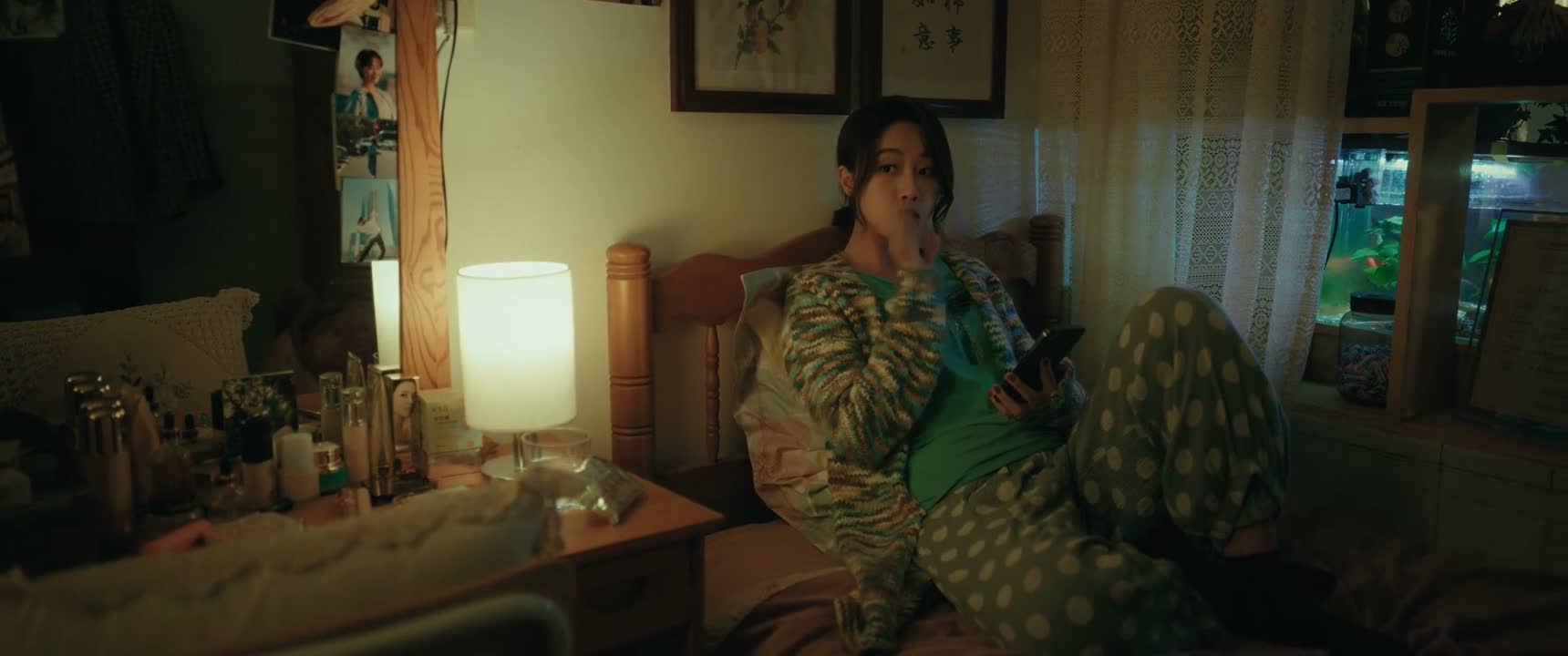
“Sorry. Go ahead.”
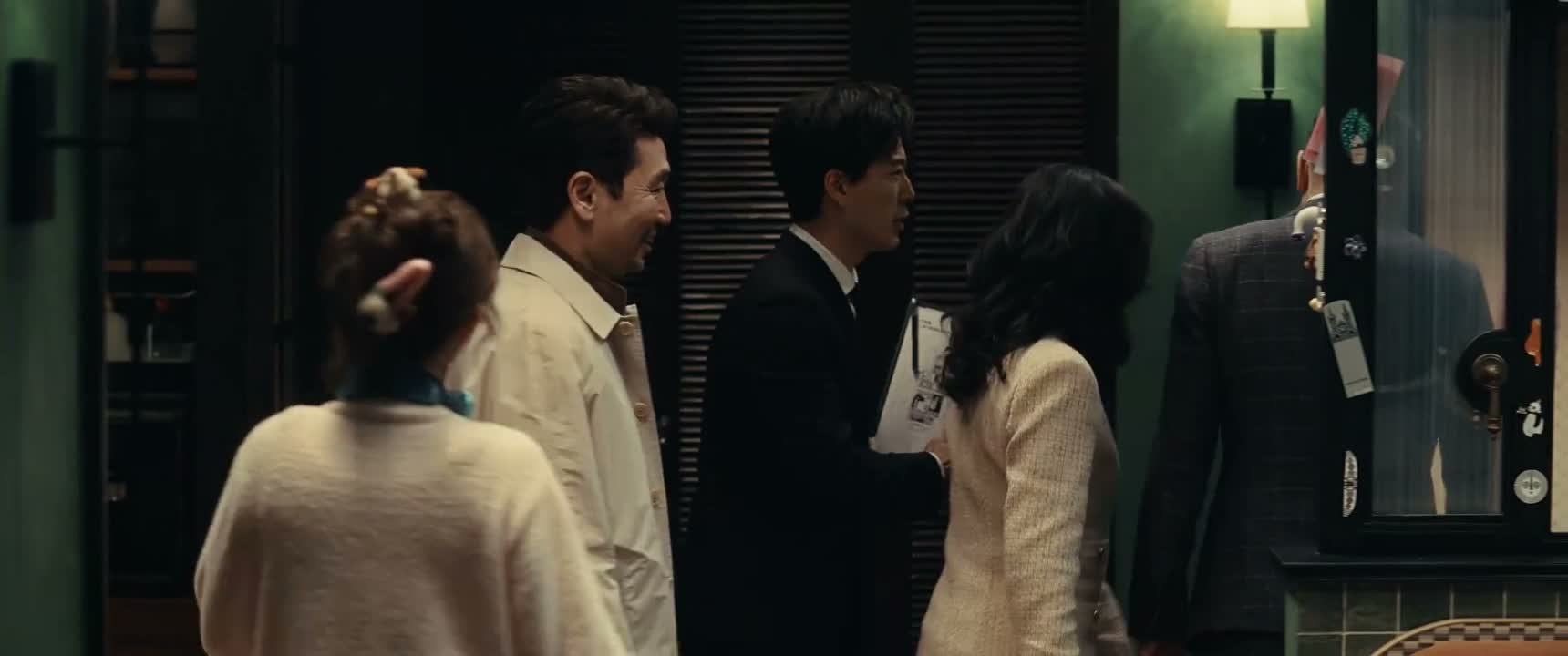
“- Jeez. - I'm so sorry. - What is this all about? - Let's go.”

“Sorry. I'm really sorry.”

“I'm sorry. I'm sorry. S-Something suddenly cropped up.”
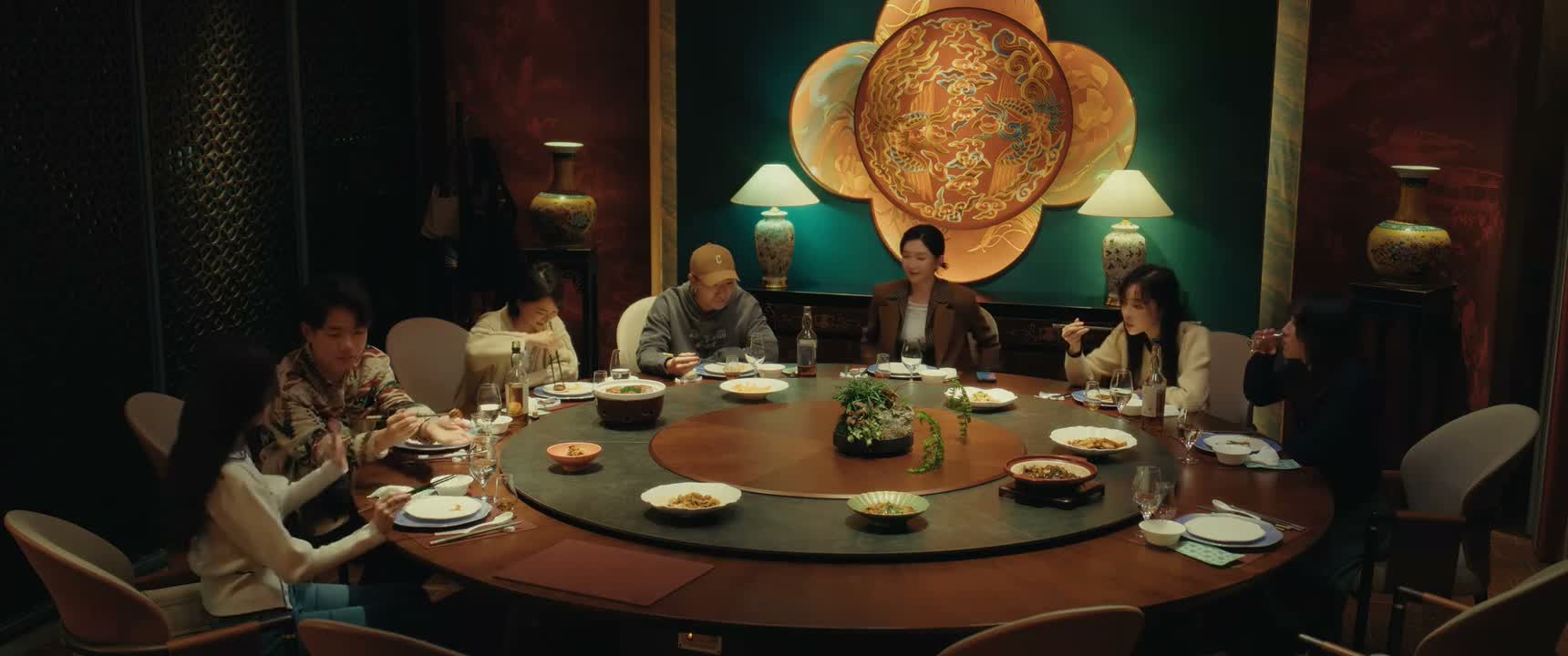
“I'm sorry. Hao, I'm late.”

“will now... Sorry.”
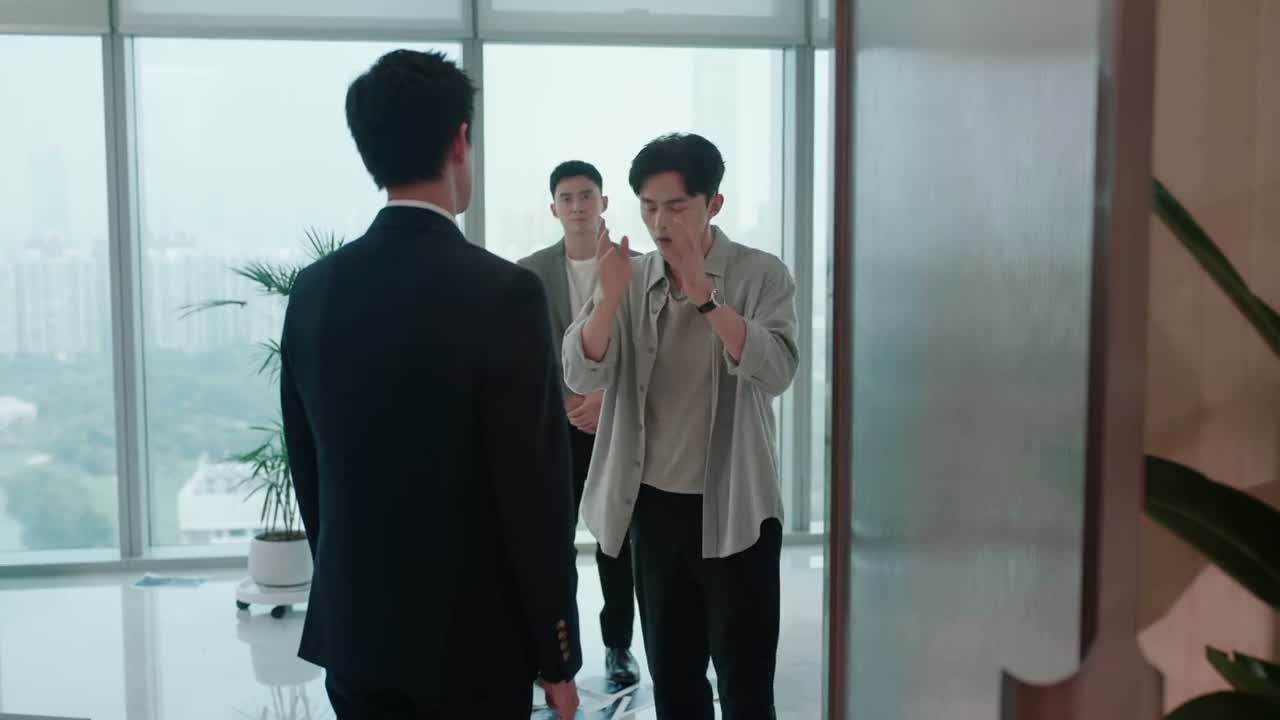
“Sorry. I'm sorry.”
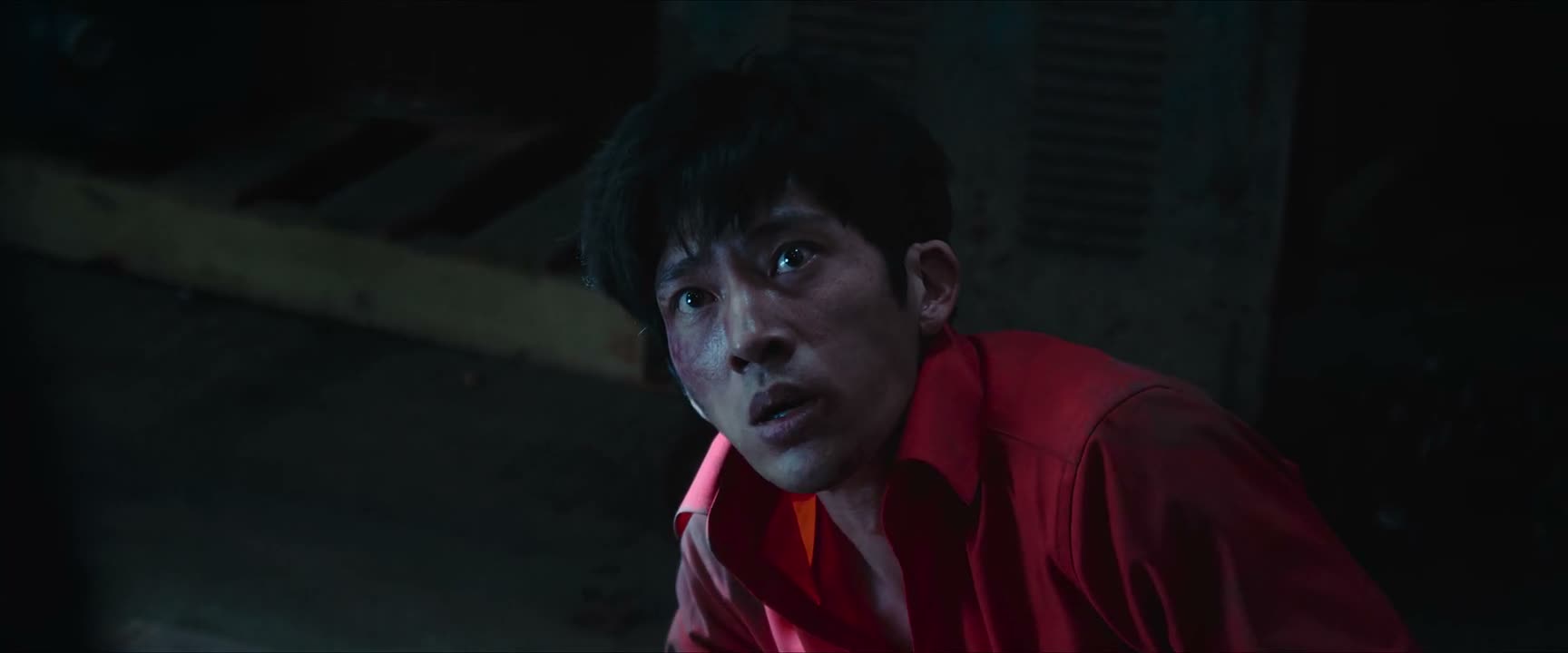
“I'm sorry. I'm sorry. I'm really sorry.”

“Sorry, I shouldn't have joked. Then tell me,”

“Sorry. Sorry. I didn't mean to.”

“I'm sorry. I'm sorry. It was really our oversight.”

“I'm sorry for that. Just keep quiet.”