对不起 对不起 子漩
“Sorry. Zixuan.”
THE DIALOGUE REEL
你谁呀
“Who are you?”
对不起 对不起 子漩
“Sorry. Zixuan.”
阿芳姐
“Fang.”
Direct spoken expression in this communicative setting.
Immediately calling out the other person's given name after a collision or sudden encounter helps re-establish familiarity and disarms hostility.
LEARNING CHUNKS & PARTICLES
I am sorry; excuse me
The standard Chinese apology; repeating it twice softens the shock and emphasizes sincere regret or urgent pacification.
VOCABULARY & EXPRESSIONS
Parallel Spoken Cinema Scenes (语义近邻切片)

“Always "I'm sorry." Is saying sorry useful?”

“Sorry, sorry. A grown man though he is, he surely acts like a child.”

“I'm sorry. To whom?”

“Sorry, sorry. Get lost.”
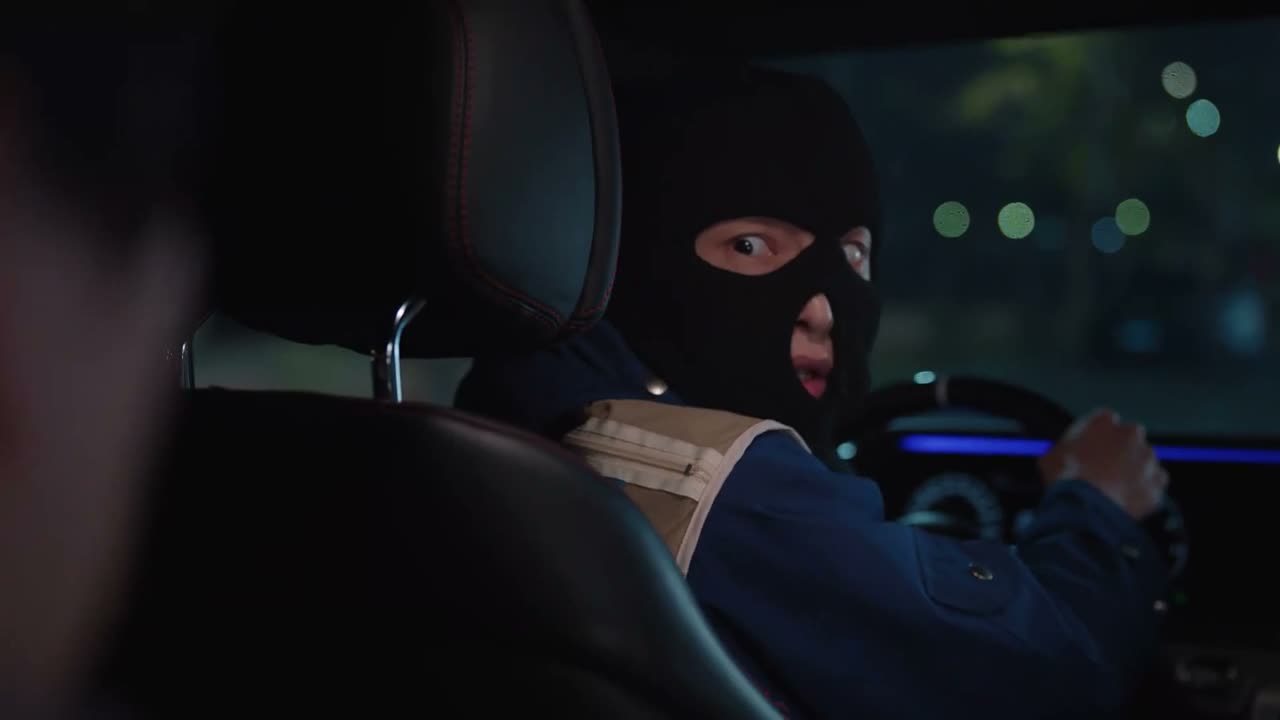
“Sorry. - Do you think apologizing helps? - Do you think apologizing helps?”
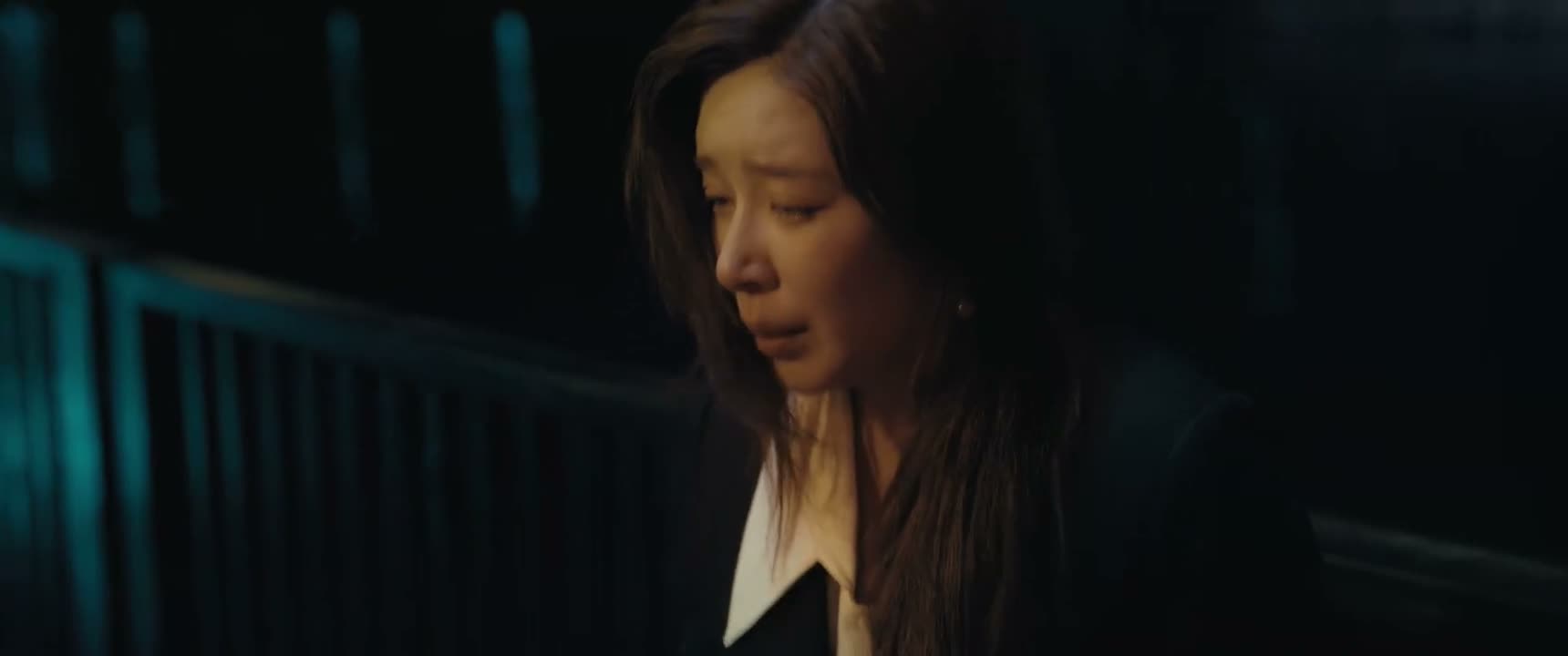
“I'm sorry. I'm sorry.”
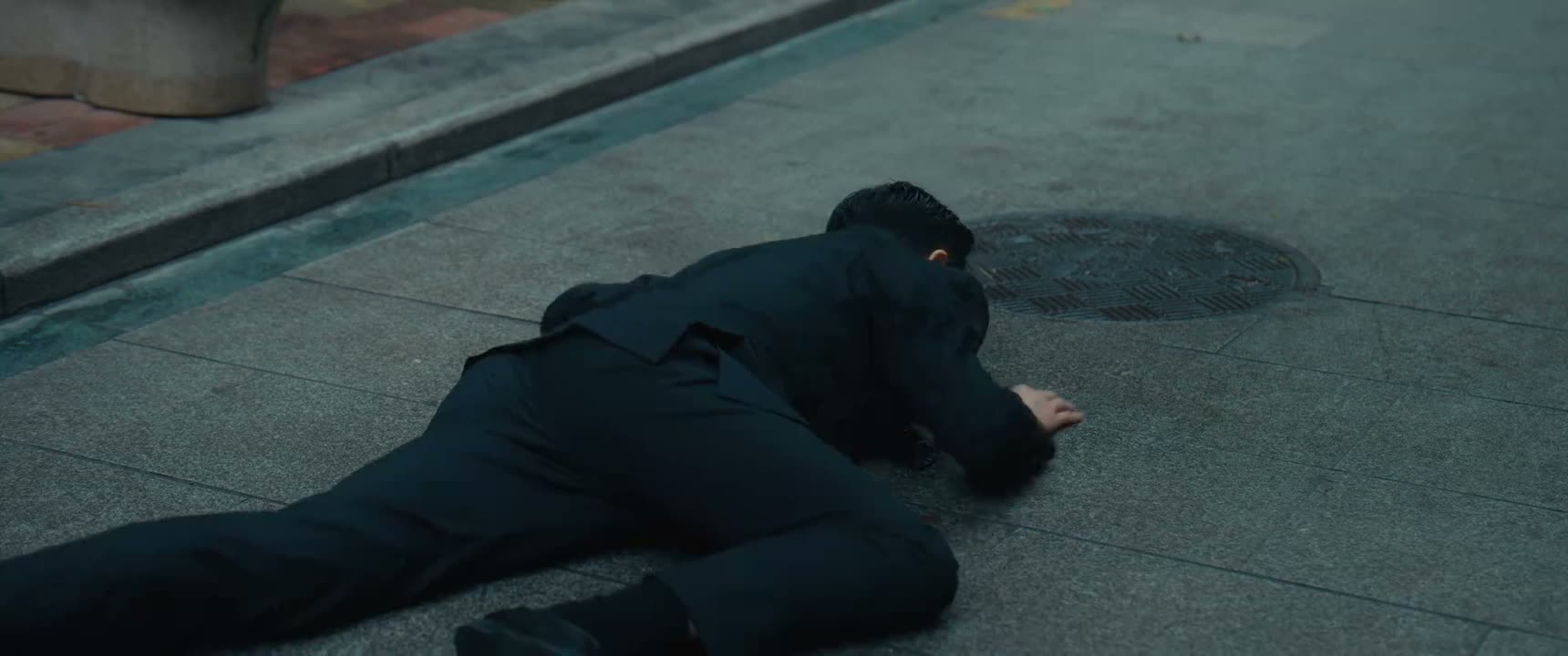
“Sorry! Are you okay?”

“I'm sorry. I'm sorry.”

“I'm sorry. I'm sorry.”

“Sorry. I'm really sorry.”
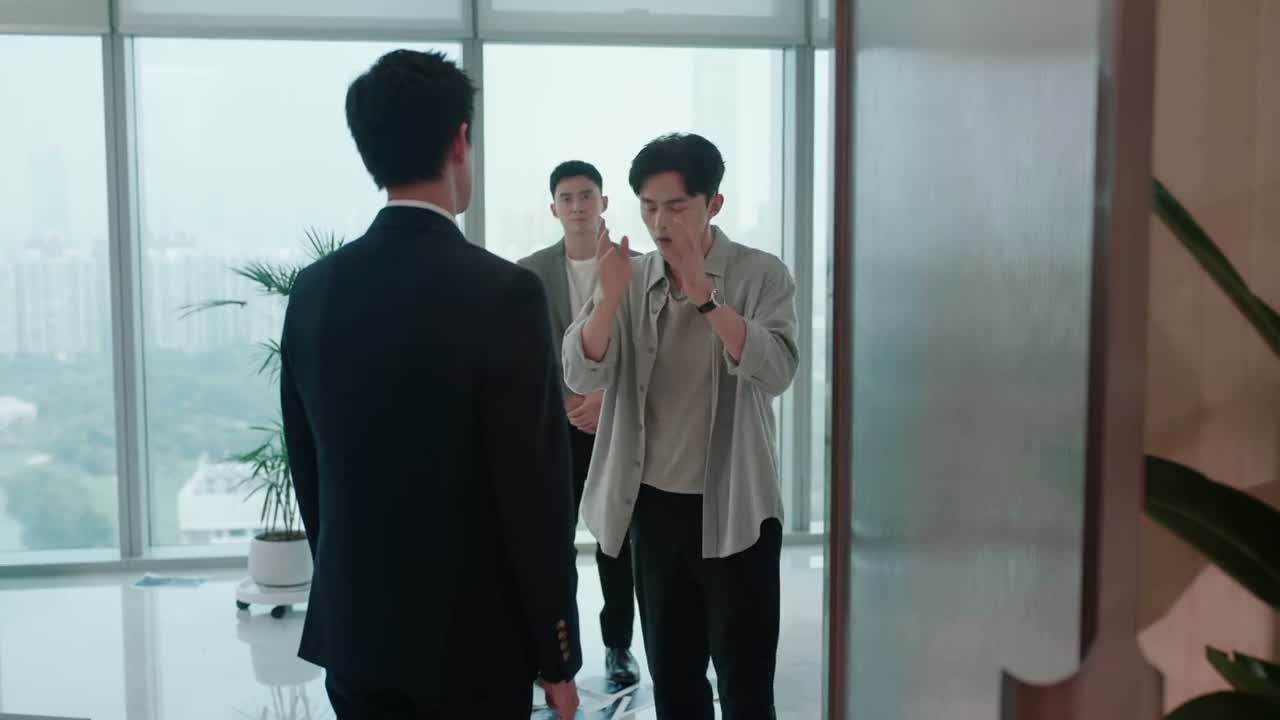
“Sorry. I'm sorry.”
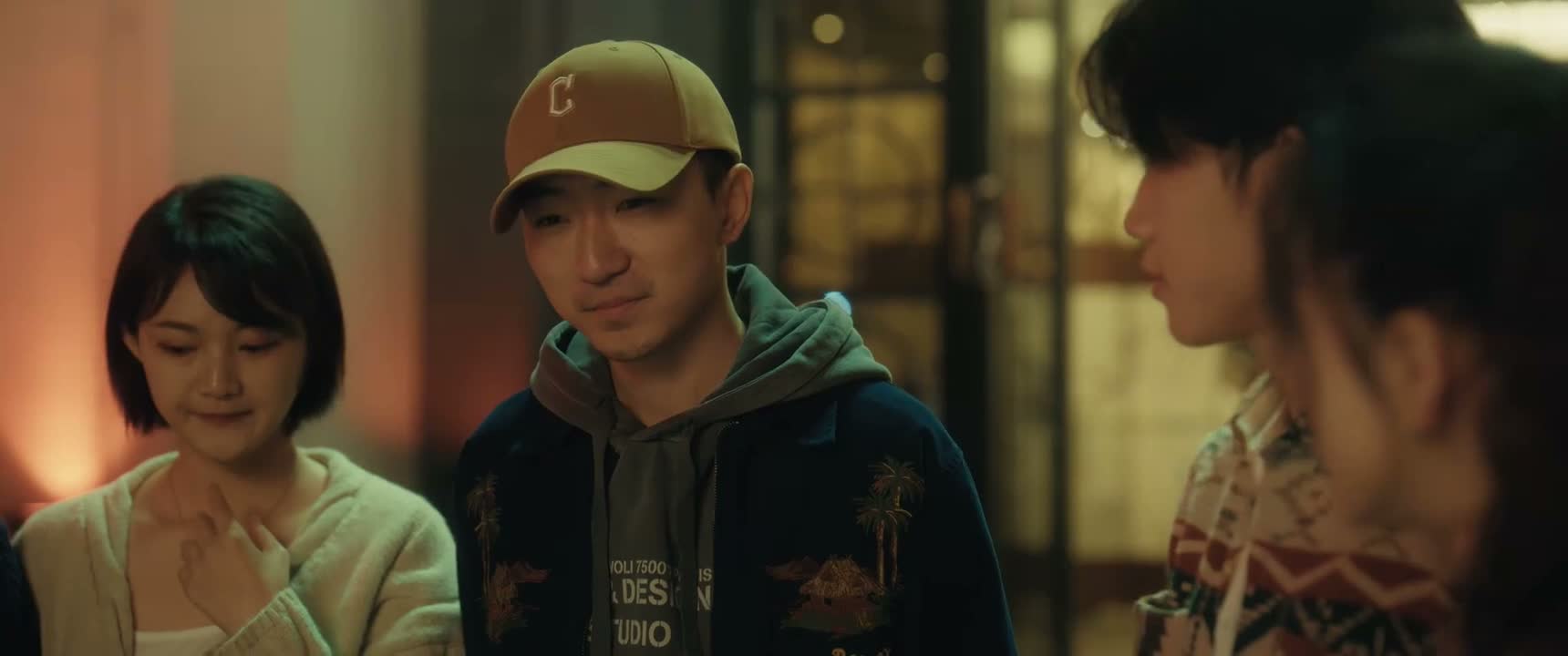
“Sorry, Zeng Zixuan.”
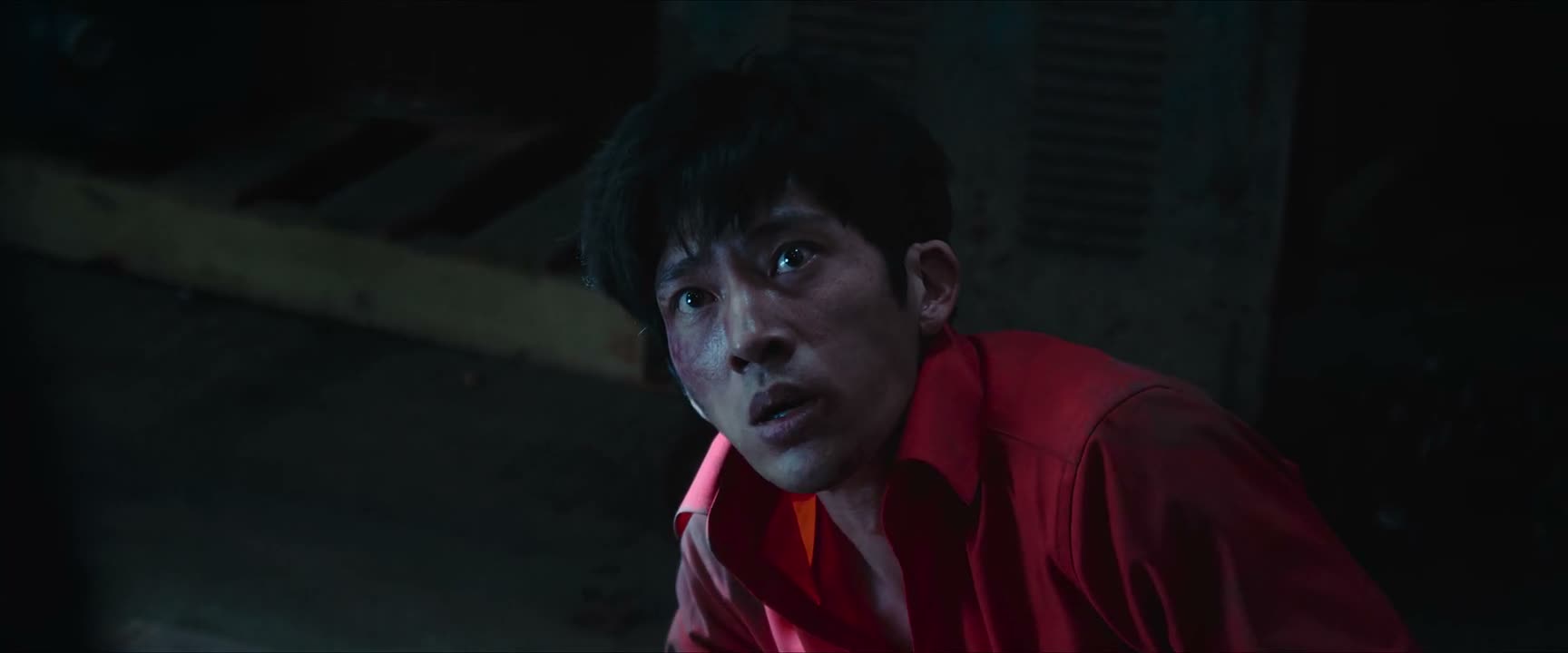
“I'm sorry. I'm sorry. I'm really sorry.”

“Sorry, I shouldn't have joked. Then tell me,”

“Sorry. Sorry. I didn't mean to.”

“I'm sorry. I'm sorry. It was really our oversight.”

“I'm sorry for that. Just keep quiet.”