对不起 对不起 我不该乱开玩笑 那你说说
“Sorry, I shouldn't have joked. Then tell me,”
THE DIALOGUE REEL
“why are you as vulgar as my mom? I won't talk to you.”
对不起 对不起 我 不该 乱开玩笑 那你说说
“Sorry, I shouldn't have joked. Then tell me,”
你怎么看爱情
“any thoughts on love?”
“Please do not be mad at me; let's move past it and hear your thoughts.”
Quick, repeated apologies paired with shifting attention back to the partner are standard ways to soothe petulant or playful anger without escalating tension.
LEARNING CHUNKS & PARTICLES
make reckless or inappropriate jokes
Used when self-critiquing or acknowledging that a joke crossed personal boundaries.
tell me your view / let's hear it
A conversational prompt inviting the other party to share opinions or feelings openly.
VOCABULARY & EXPRESSIONS
Parallel Spoken Cinema Scenes (语义近邻切片)

“Okay, I'm sorry. I admit I was asking something I already knew just now.”

“(I'm sorry.) (I can't take you with me right now.)”

“I'm so sorry. I'm sorry.”
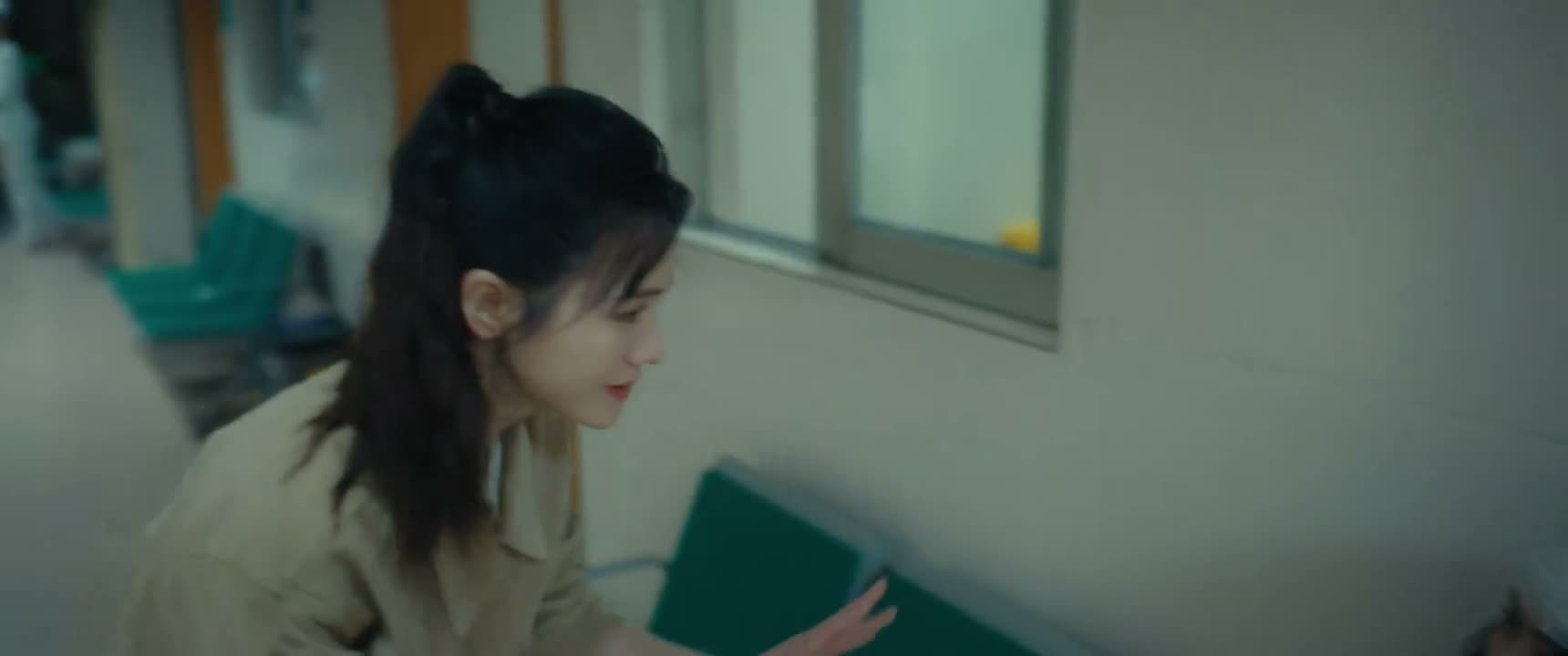
“Sorry. Zixuan.”

“Sorry, sorry. A grown man though he is, he surely acts like a child.”

“Sorry! So sorry, Ms. Yan. My mistake.”

“I'm sorry. To whom?”
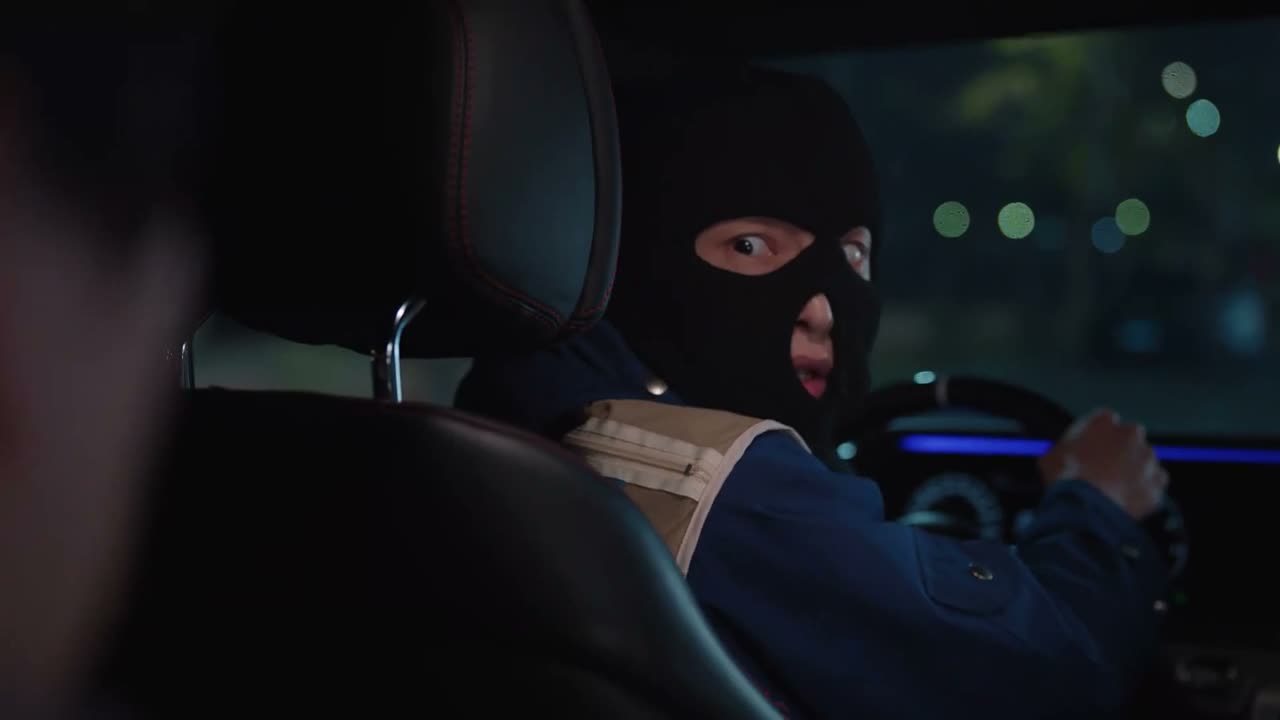
“Sorry. - Do you think apologizing helps? - Do you think apologizing helps?”
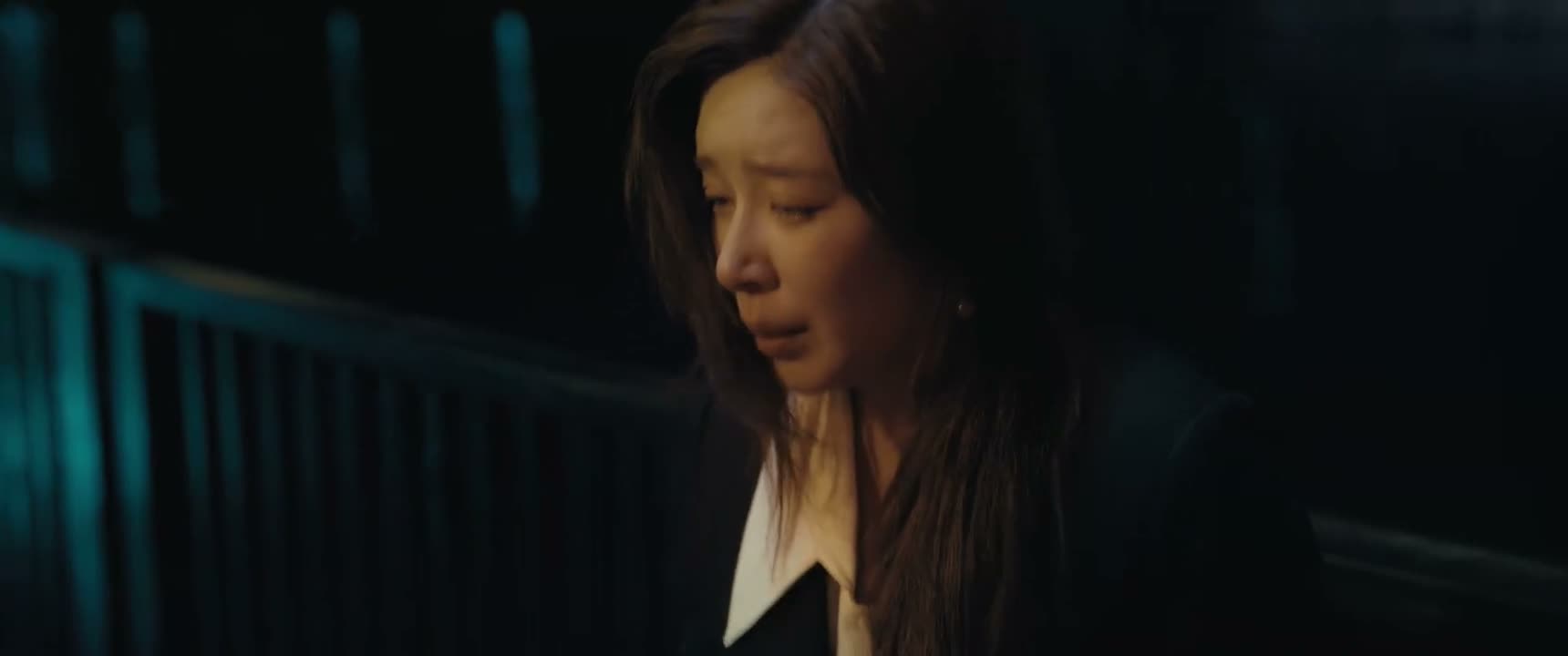
“I'm sorry. I'm sorry.”
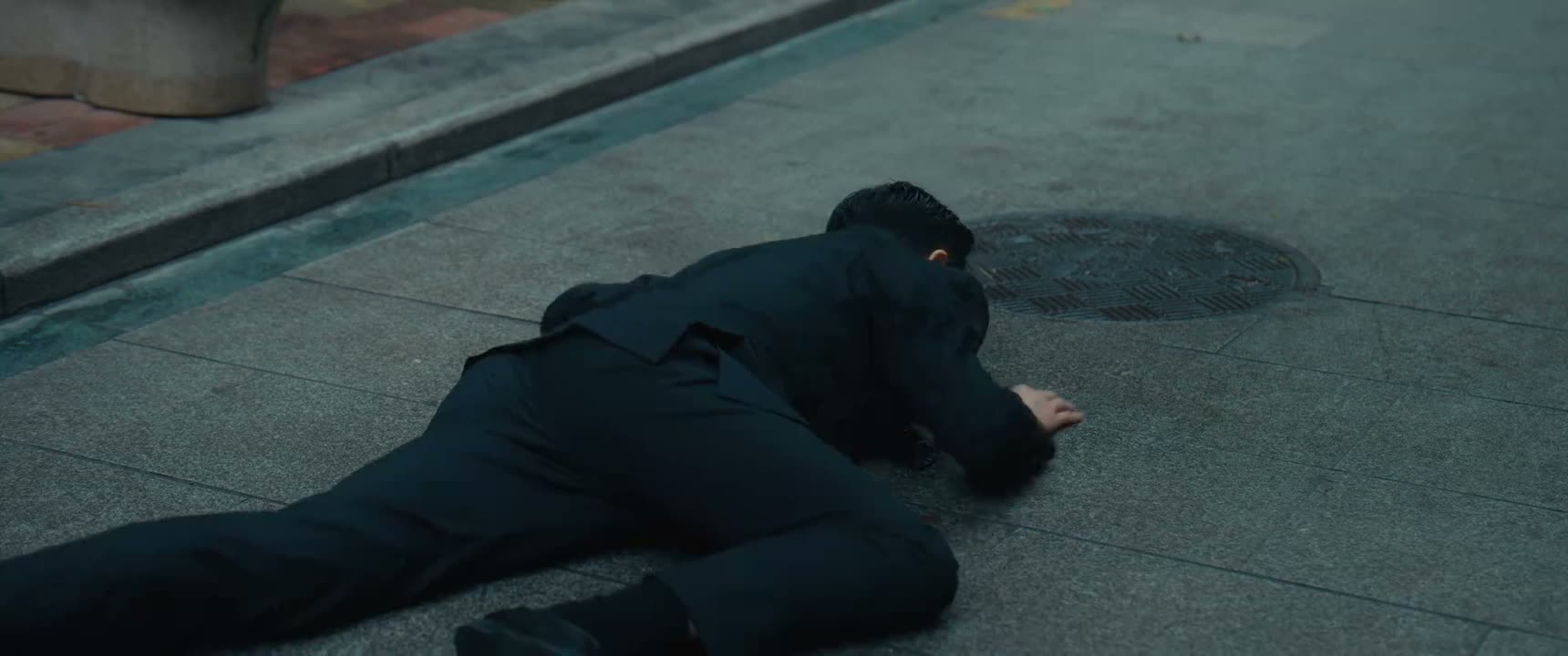
“Sorry! Are you okay?”

“I'm sorry. I'm sorry.”

“I'm sorry. I'm sorry.”

“Sorry. I'm really sorry.”

“I'm sorry. I'm sorry. S-Something suddenly cropped up.”
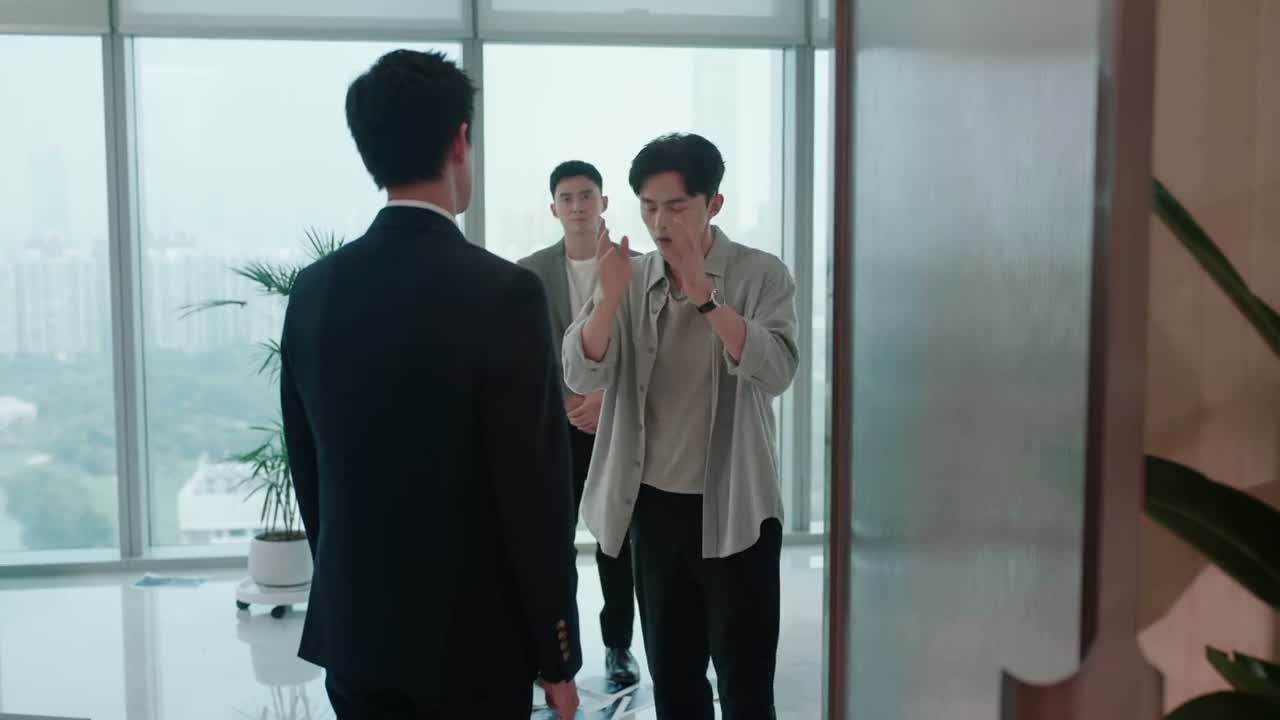
“Sorry. I'm sorry.”

“I'm so sorry. Um, are you OK? I'm fine.”

“I'm sorry. I had no choice then.”

“Sorry. Sorry. I didn't mean to.”

“I'm sorry. I'm sorry. It was really our oversight.”

“I'm sorry for that. Just keep quiet.”