对不起 对不起 那个 没给你撞坏吧 没事 没事
“I'm so sorry. Um, are you OK? I'm fine.”
THE DIALOGUE REEL
对不起 对不起 那个 没 给你 撞坏吧 没事 没事
“I'm so sorry. Um, are you OK? I'm fine.”
你叫简蕾蕾
“Your name is Jian Leilei?”
Direct spoken expression in this communicative setting.
In spoken Chinese, doubling phrases like 'sorry' or 'it's fine' is a natural way to show sincere urgency and quickly defuse awkwardness after a minor physical accident.
LEARNING CHUNKS & PARTICLES
I'm sorry; excuse me
Repeating it rapidly twice is the standard natural reaction when accidentally bumping into someone on the street.
to damage or hurt by colliding/bumping into
A verb-complement structure combining 'collide' and 'broken/bad', used for both physical injury and damaged items.
it's nothing; never mind; I'm fine
The universal response to an apology or accident, meaning 'no harm done'.
Turns the negative statement into a hopeful confirmation check ('I didn't hurt you, right?').
VOCABULARY & EXPRESSIONS
Parallel Spoken Cinema Scenes (语义近邻切片)

“Sorry, I bumped into you just now.”

“I'm sorry. To whom?”
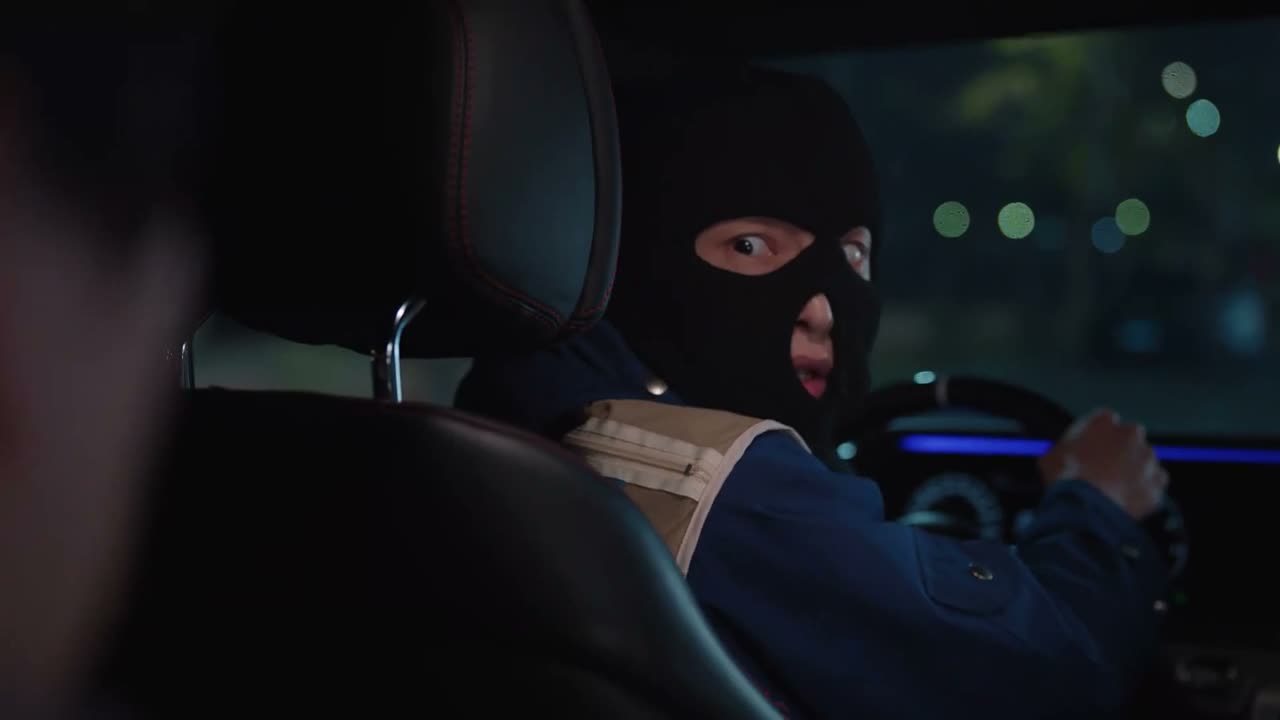
“Sorry. - Do you think apologizing helps? - Do you think apologizing helps?”

“I'm sorry. I'm sorry.”
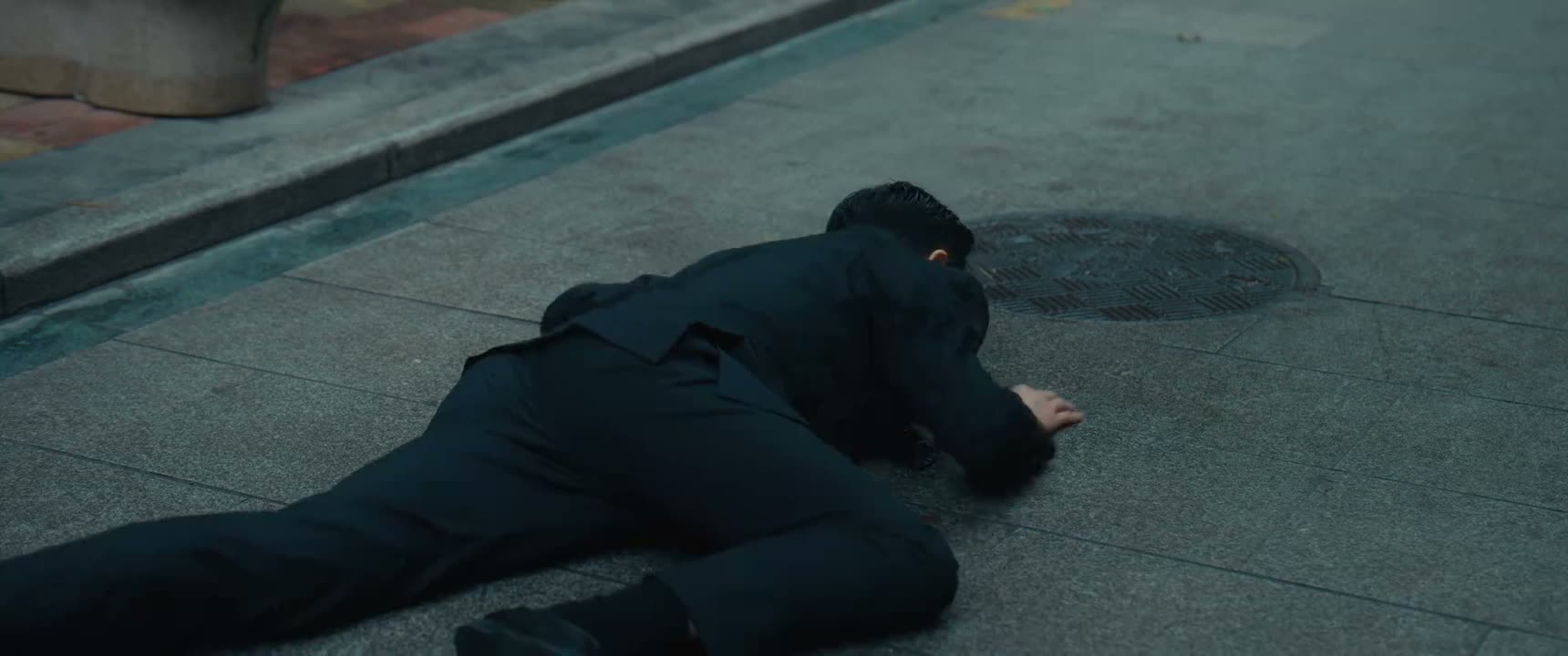
“Sorry! Are you okay?”
“I'm sorry. I'm sorry.”
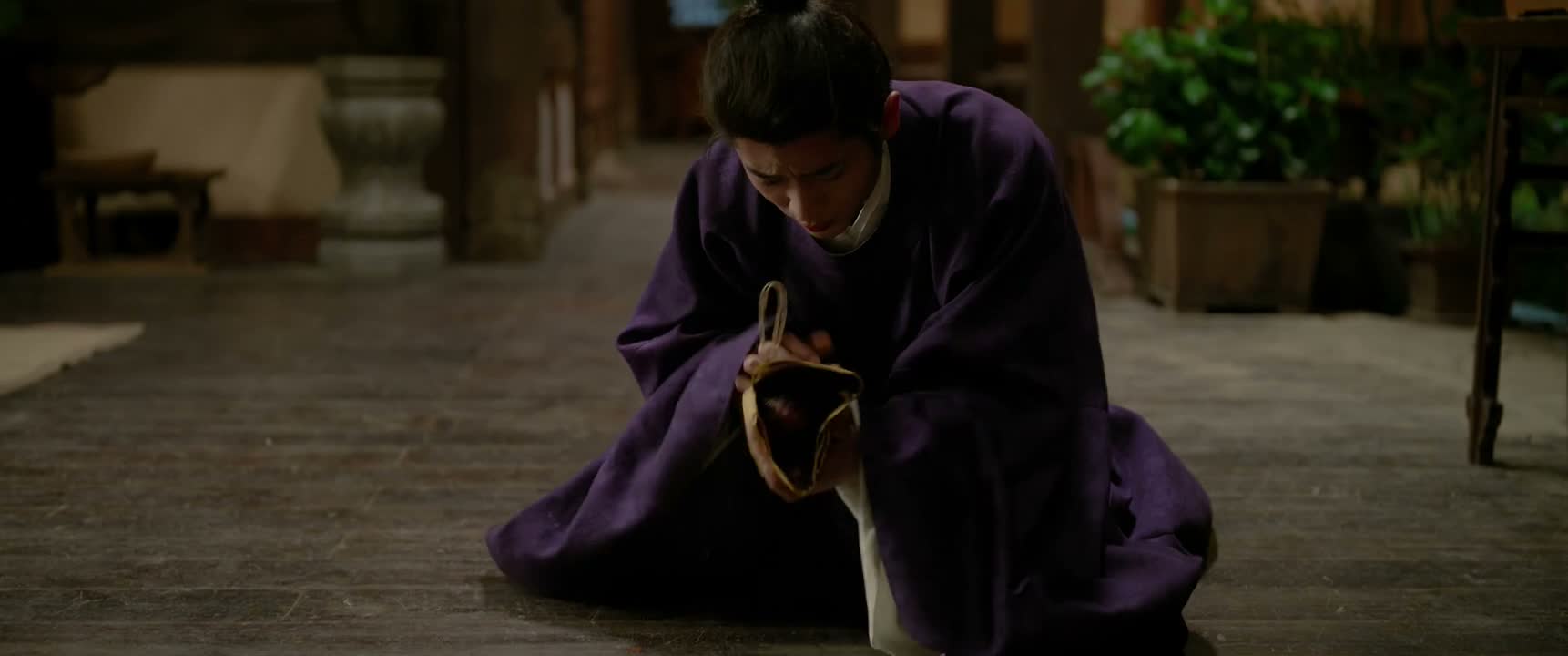
“I'm sorry. I'm sorry.”

“Sorry. I'm really sorry.”

“I'm sorry. I'm sorry. S-Something suddenly cropped up.”
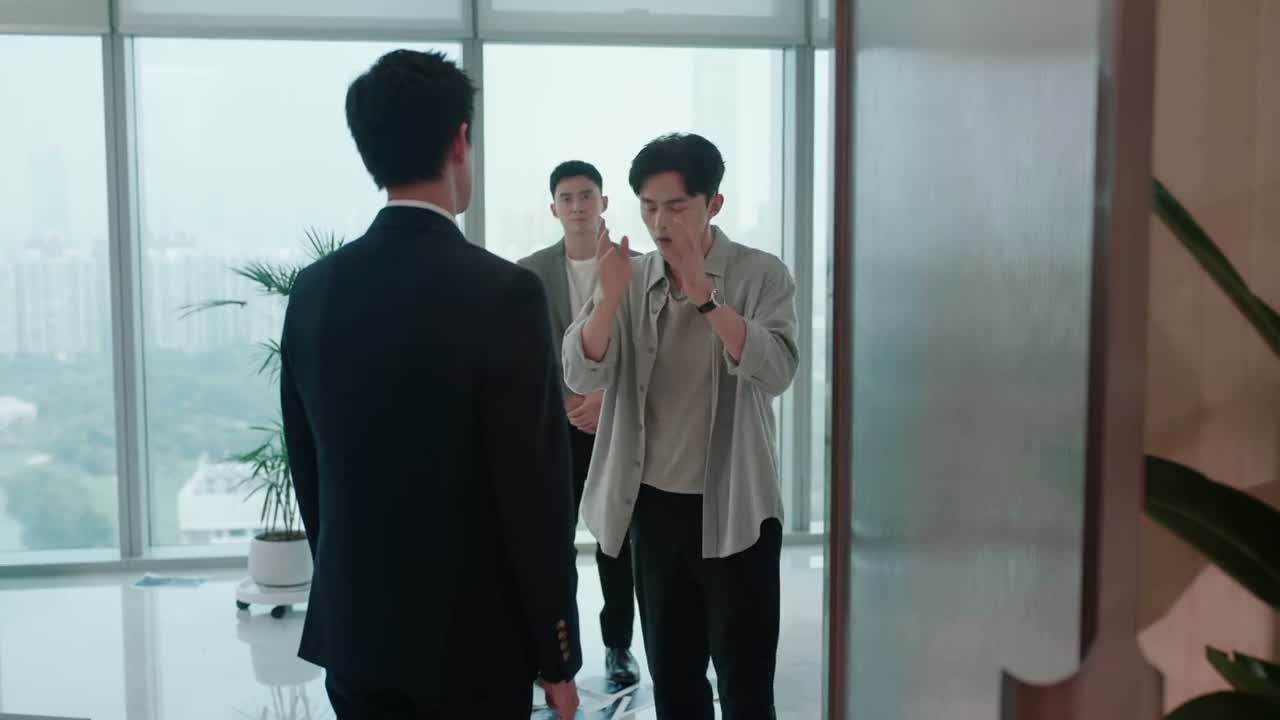
“Sorry. I'm sorry.”

“Sorry, I shouldn't have joked. Then tell me,”
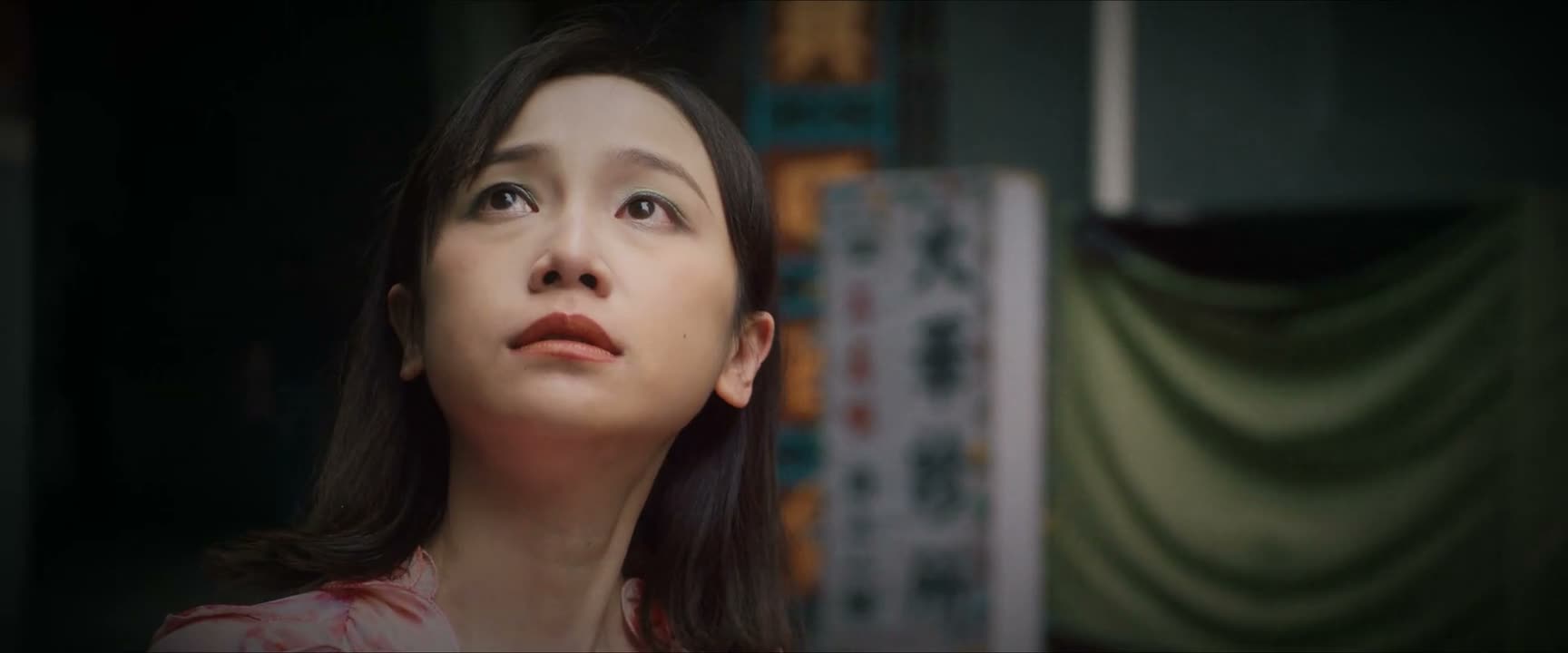
“Sorry. Sorry. I didn't mean to.”

“I'm sorry. I'm sorry. It was really our oversight.”
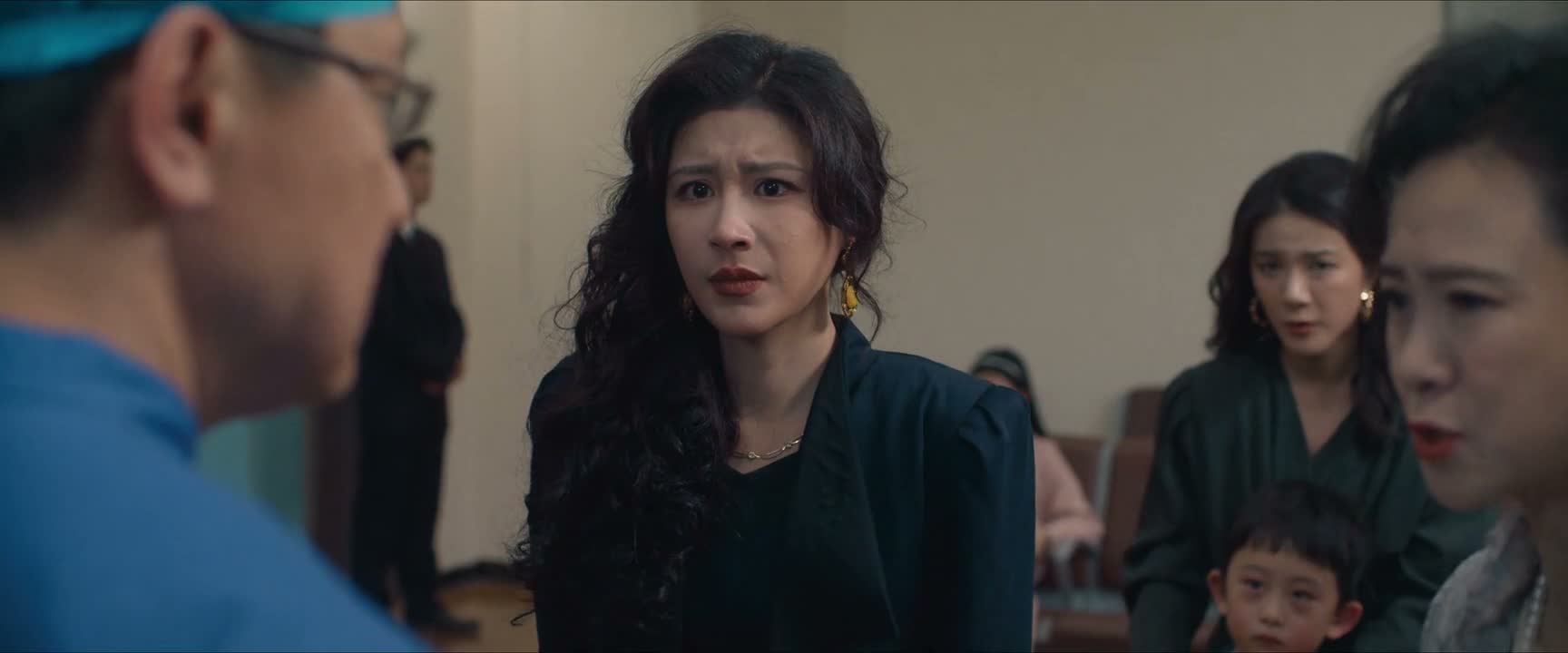
“I'm sorry for that. Just keep quiet.”

“I'm sorry. I really am. Y-You know”