对不起 对不起 这真对不起 对不起
“Sorry. I'm really sorry.”
THE DIALOGUE REEL
“What's going on? Sorry, Doctor.”
对不起 对不起 这 真对不起 对不起
“Sorry. I'm really sorry.”
“W-Wear the mask. Okay. Thank you.”
Direct spoken expression in this communicative setting.
Patients and family members frequently use rapid, repetitive apologies when breaching clinical protocols to defuse tension and demonstrate compliance with medical staff.
LEARNING CHUNKS & PARTICLES
truly sorry / sincere apologies
Adding 真 intensifies the standard apology, demonstrating genuine contrition in public or service interactions.
VOCABULARY & EXPRESSIONS
Parallel Spoken Cinema Scenes (语义近邻切片)
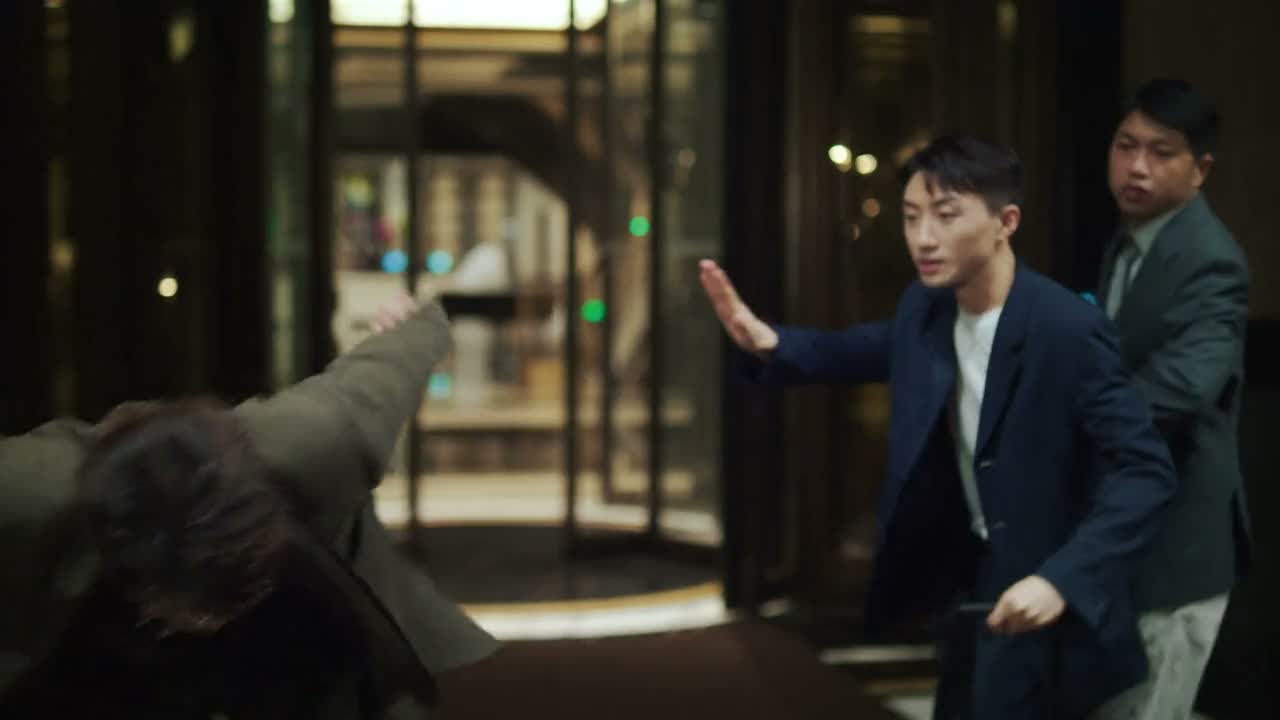
“I'm sorry. I'm sorry. Sorry.”

“Okay, I'm sorry. I admit I was asking something I already knew just now.”

“Yes, I'm sorry. I'm really sorry. You haven't improved at all.”

“Always "I'm sorry." Is saying sorry useful?”

“(I'm sorry.) (I can't take you with me right now.)”

“I'm so sorry. I'm sorry.”
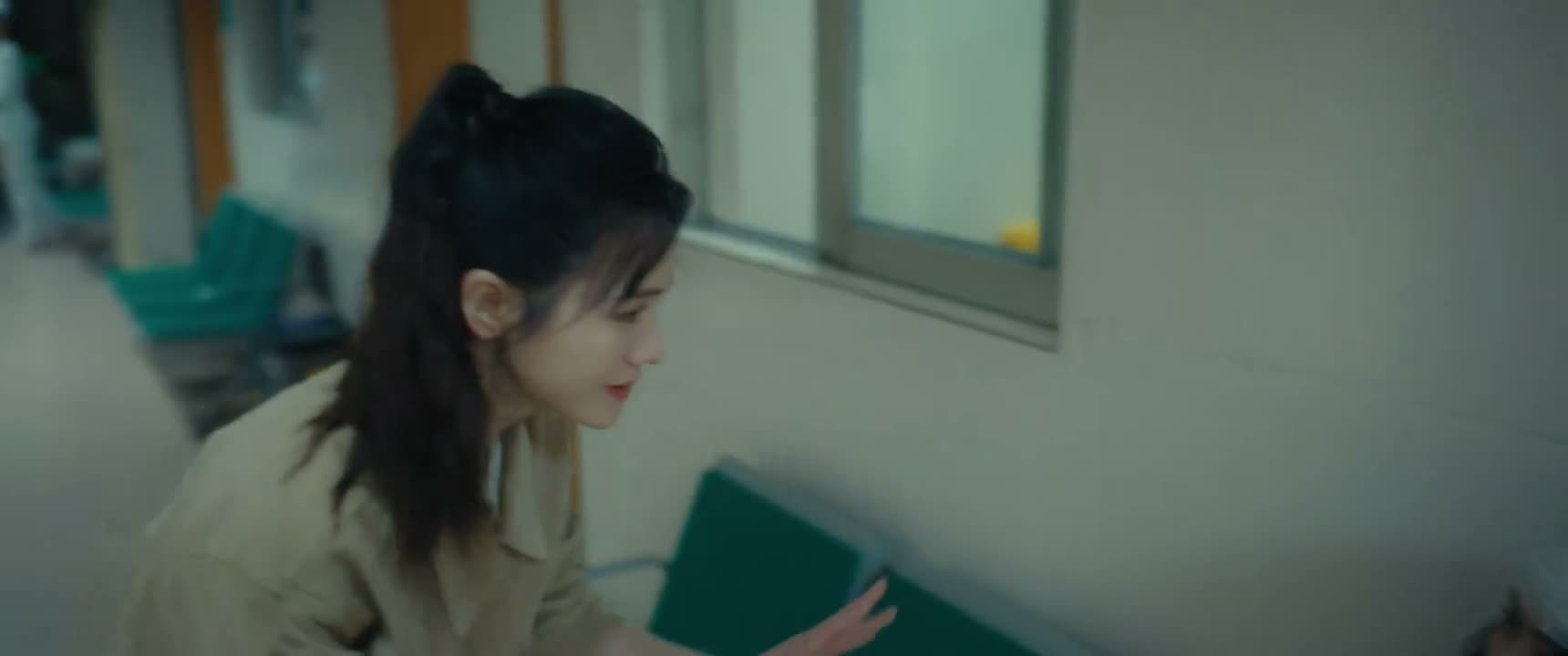
“Sorry. Zixuan.”

“Sorry, sorry. A grown man though he is, he surely acts like a child.”
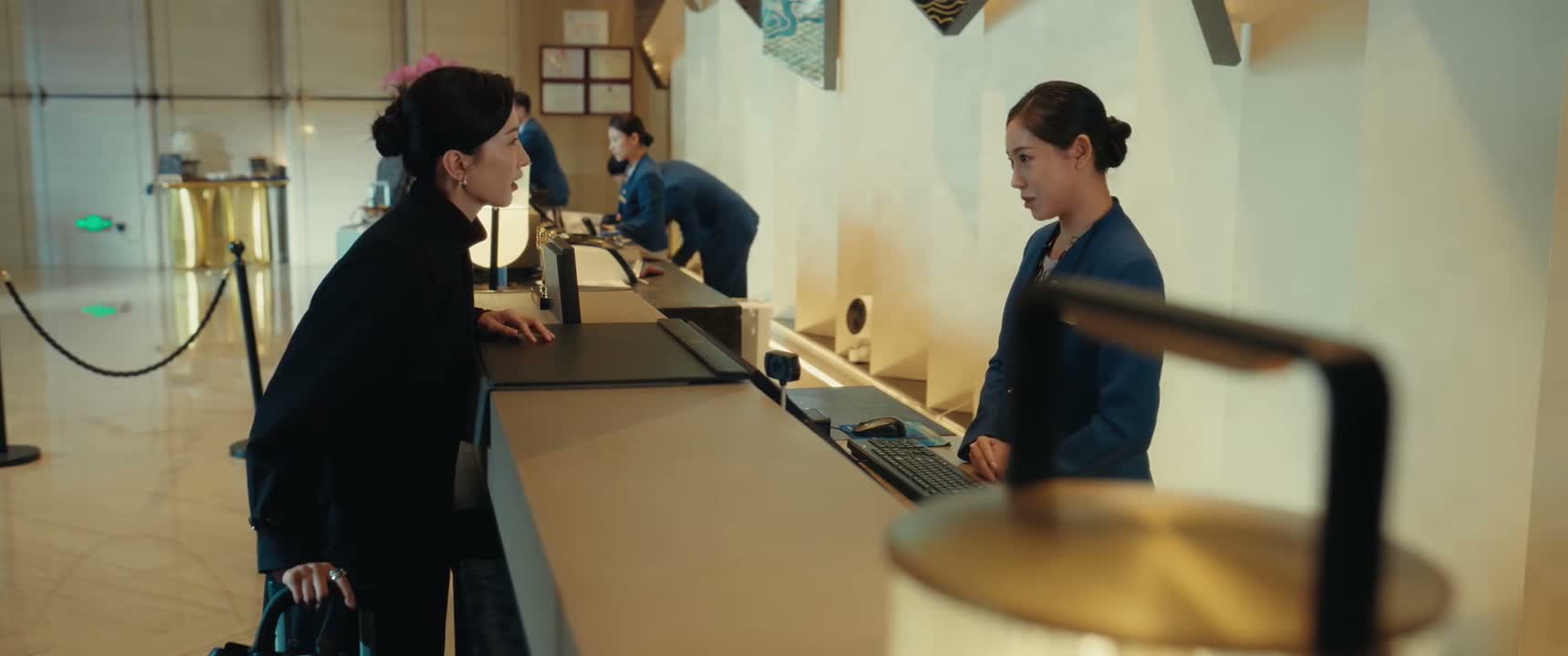
“I'm sorry. I'm on a business trip.”

“Sorry! So sorry, Ms. Yan. My mistake.”

“You don't need to apologize to anyone.”

“I'm sorry. To whom?”
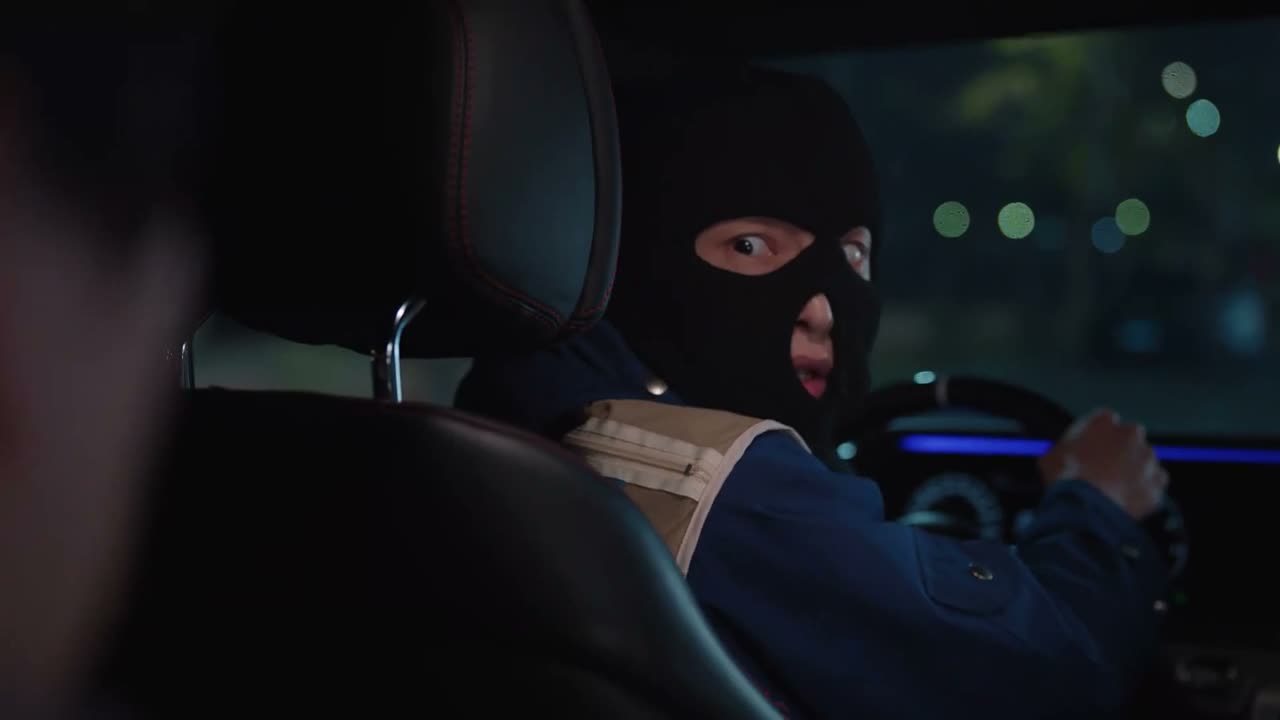
“Sorry. - Do you think apologizing helps? - Do you think apologizing helps?”
“I'm sorry. I'm sorry.”
“Sorry! Are you okay?”

“I'm sorry. I'm sorry.”

“I'm sorry. I'm sorry.”
“Sorry. Go ahead.”

“Teacher, sorry. Sorry. But you still need to”
“- Jeez. - I'm so sorry. - What is this all about? - Let's go.”

“Sorry for what? Is sorry useful? What are you sorry for?”

“Sorry. Don't say sorry.”

“I'm sorry. I'm sorry. S-Something suddenly cropped up.”
“I'm sorry. Hao, I'm late.”

“will now... Sorry.”
“Sorry. I'm sorry.”

“Don't make excuses. I'm sorry.”

“I'm so sorry. Um, are you OK? I'm fine.”
“I'm sorry. I'm sorry. I'm really sorry.”

“Sorry, I shouldn't have joked. Then tell me,”

“I really am so sorry. It's all my fault. You should know”

“Sorry. Sorry. I didn't mean to.”

“I'm sorry. I'm sorry. It was really our oversight.”