好吧 对不起 我承认我刚才是明知故问
“Okay, I'm sorry. I admit I was asking something I already knew just now.”
THE DIALOGUE REEL
好的 谢谢 没事
“All right, thank you. No problem.”
好吧 对不起 我承 认我 刚 才是 明知故问
“Okay, I'm sorry. I admit I was asking something I already knew just now.”
“Because I really couldn't control the impulse in my heart”
“Alright, I'm sorry. I just couldn't help asking because I wanted to see your reaction and show you how I feel.”
In Chinese romantic and interpersonal communication, people often use roundabout ways like 'ming zhi gu wen' (asking while already knowing the answer) to probe the other's feelings before finally breaking the tension and confessing their true emotions.
LEARNING CHUNKS & PARTICLES
to ask while already knowing the answer; feigning ignorance
An idiom and high-frequency spoken phrase, often used to playfully call someone out for teasing, probing, or self-deprecation.
all right; okay (expressing concession or reluctant acceptance)
When placed at the beginning of a sentence, it functions as a discourse marker introducing a compromise or confession.
Used within the sentence-initial word 'hao ba' to convey reluctant acceptance or resolve to come clean.
VOCABULARY & EXPRESSIONS
Parallel Spoken Cinema Scenes (语义近邻切片)

“Sorry. Sorry. I didn't mean to.”
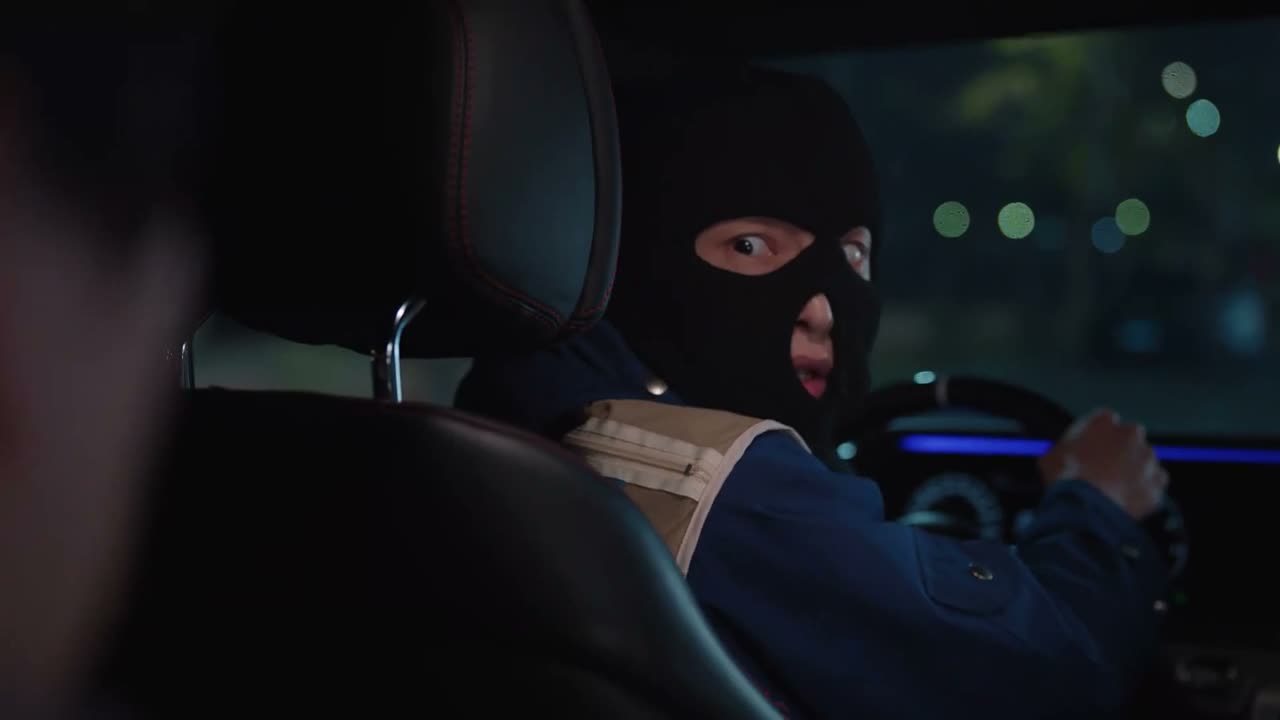
“Sorry. - Do you think apologizing helps? - Do you think apologizing helps?”

“I'm sorry. I'm sorry.”

“I'm sorry. I'm sorry.”

“I'm sorry. I'm sorry.”

“Sorry. I'm really sorry.”

“I'm sorry. I'm sorry. S-Something suddenly cropped up.”

“Sorry. I'm sorry.”

“Don't make excuses. I'm sorry.”

“Sorry, I shouldn't have joked. Then tell me,”

“I'm sorry. I'm sorry. It was really our oversight.”

“I'm sorry for that. Just keep quiet.”

“I'm sorry. I really am. Y-You know”