不要狡辩 对不起
“Don't make excuses. I'm sorry.”
THE DIALOGUE REEL
我没有
“I didn't.”
不要狡辩 对不起
“Don't make excuses. I'm sorry.”
要说对不起
“You should say, "I'm sorry,”
“Shut up, drop your excuses, and admit you messed up right now.”
Demanding '对不起' directly cuts off reasoned debate and establishes moral or hierarchical dominance over the other party.
LEARNING CHUNKS & PARTICLES
stop making excuses / do not quibble
A stern directive used when one person believes the other is dishonesty deflecting blame.
sorry (used here as the required phrase to utter)
Here, it is used imperatively to dictate the exact words the other person must say.
VOCABULARY & EXPRESSIONS
Parallel Spoken Cinema Scenes (语义近邻切片)

“Okay, I'm sorry. I admit I was asking something I already knew just now.”

“Yes, I'm sorry. I'm really sorry. You haven't improved at all.”

“I'm so sorry. I'm sorry.”
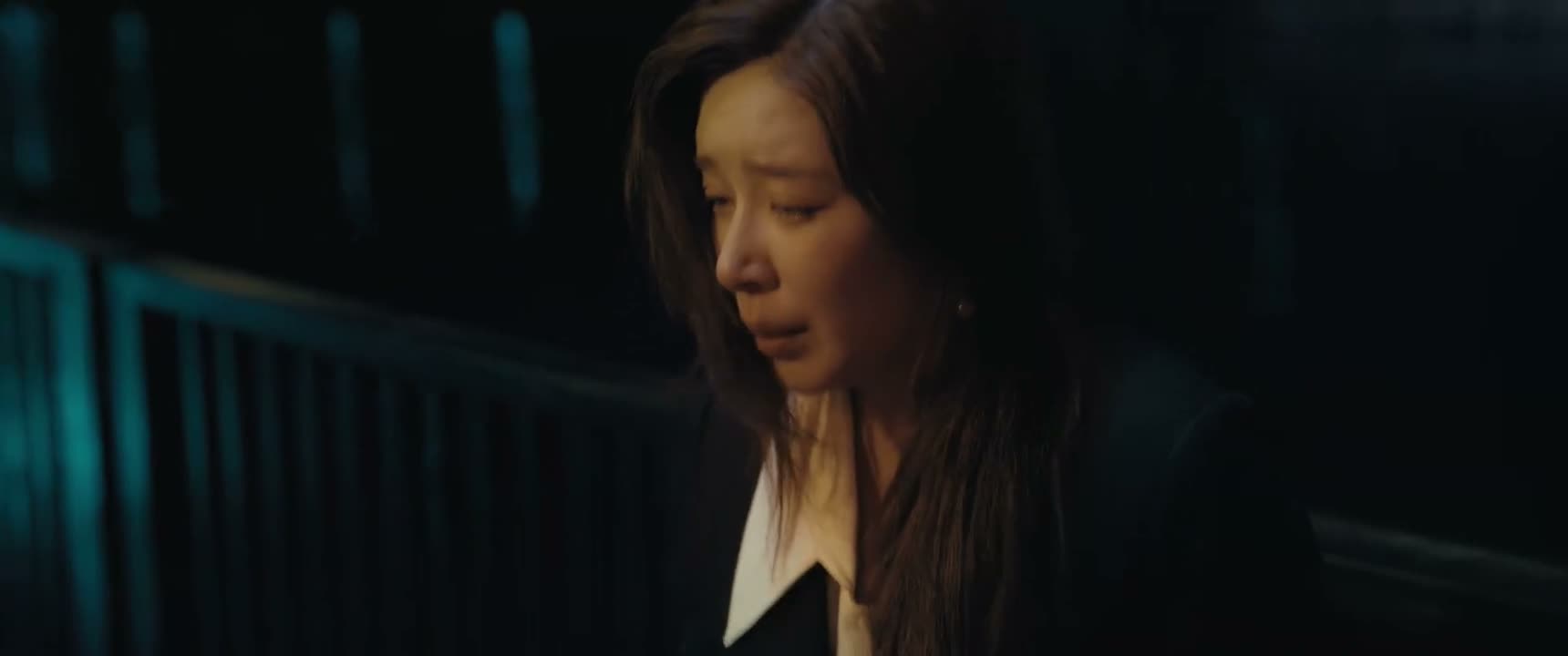
“I'm sorry. I'm sorry.”

“I'm sorry. I'm sorry.”

“I'm sorry. I'm sorry.”

“Sorry. I'm really sorry.”

“will now... Sorry.”
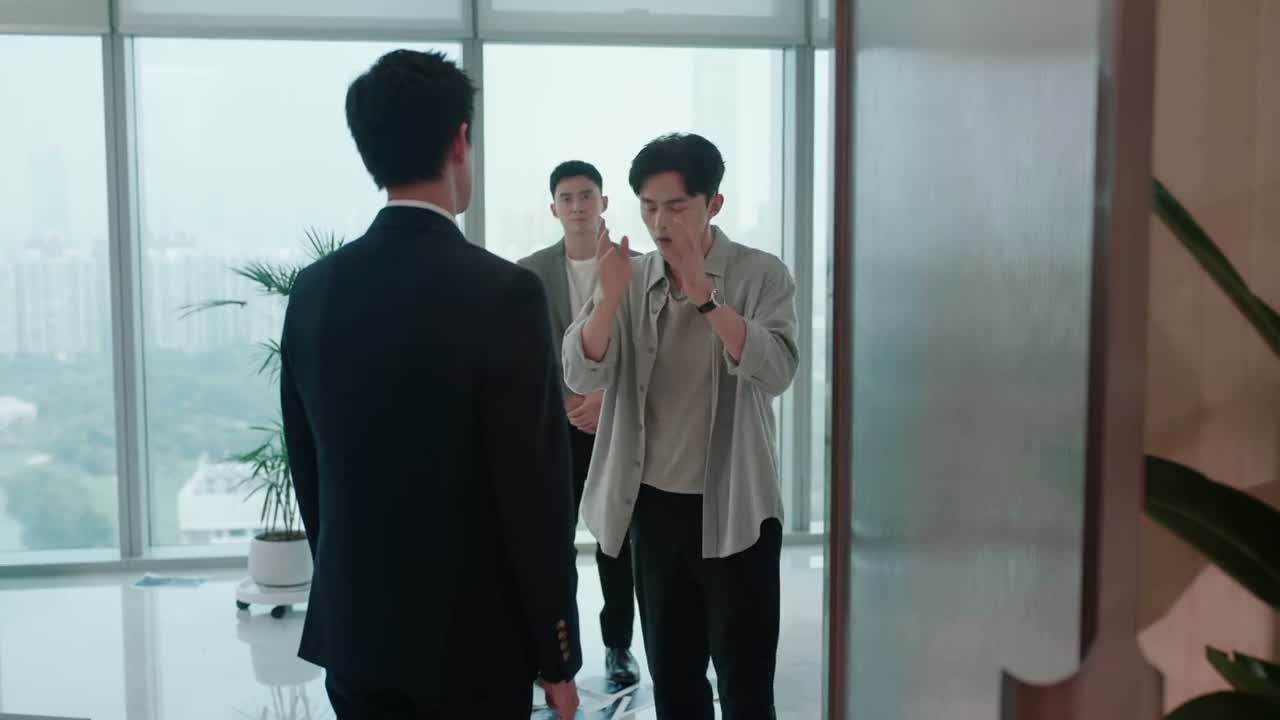
“Sorry. I'm sorry.”
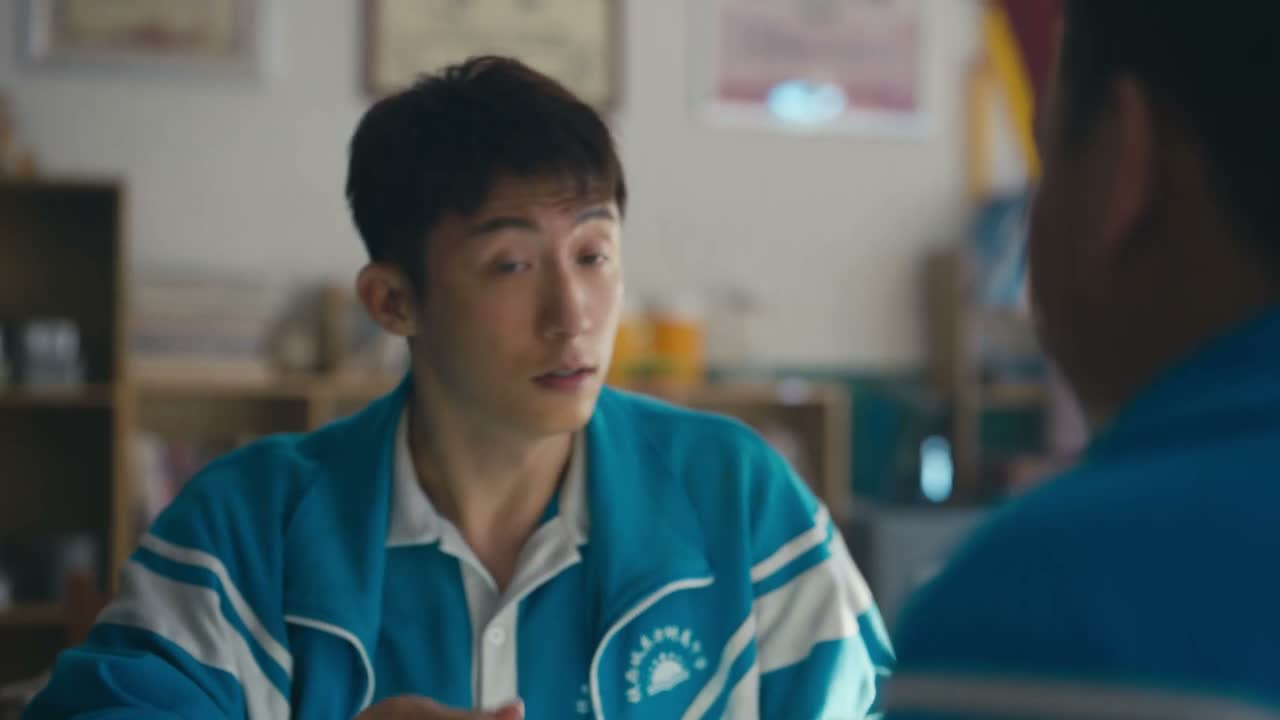
“Just say sorry and be done with it.”

“Sorry. Sorry. I didn't mean to.”