是 对不起 真的对不起 一点长进都没有
“Yes, I'm sorry. I'm really sorry. You haven't improved at all.”
THE DIALOGUE REEL
你知道吗
“Do you know that?”
是 对不起 真的 对不起 一点长进都没有
“Yes, I'm sorry. I'm really sorry. You haven't improved at all.”
“Always "I'm sorry." Is saying sorry useful?”
“I'm so sorry, I feel completely hopeless and hate that I haven't changed at all.”
In traditional Chinese family and social values, whether an individual demonstrates the drive to continuously grow and learn from mistakes ('zhangjin') is an essential measure of their character and sense of responsibility. Calling someone 'mei zhangjin' (showing no improvement) conveys strong disappointment and disapproval.
LEARNING CHUNKS & PARTICLES
not at all; none whatsoever; completely lacking
A very high-frequency spoken pattern for emphatic negation, commonly used to stress a total lack of change or an extreme degree.
progress or improvement in studies, conduct, or competence
Commonly used by elders judging juniors or superiors evaluating subordinates, as well as in self-reproach or self-deprecation.
VOCABULARY & EXPRESSIONS
Parallel Spoken Cinema Scenes (语义近邻切片)

“I'm sorry. I'm sorry. It was really our oversight.”

“Always "I'm sorry." Is saying sorry useful?”

“I'm so sorry. I'm sorry.”

“Sorry, sorry. A grown man though he is, he surely acts like a child.”

“You don't need to apologize to anyone.”
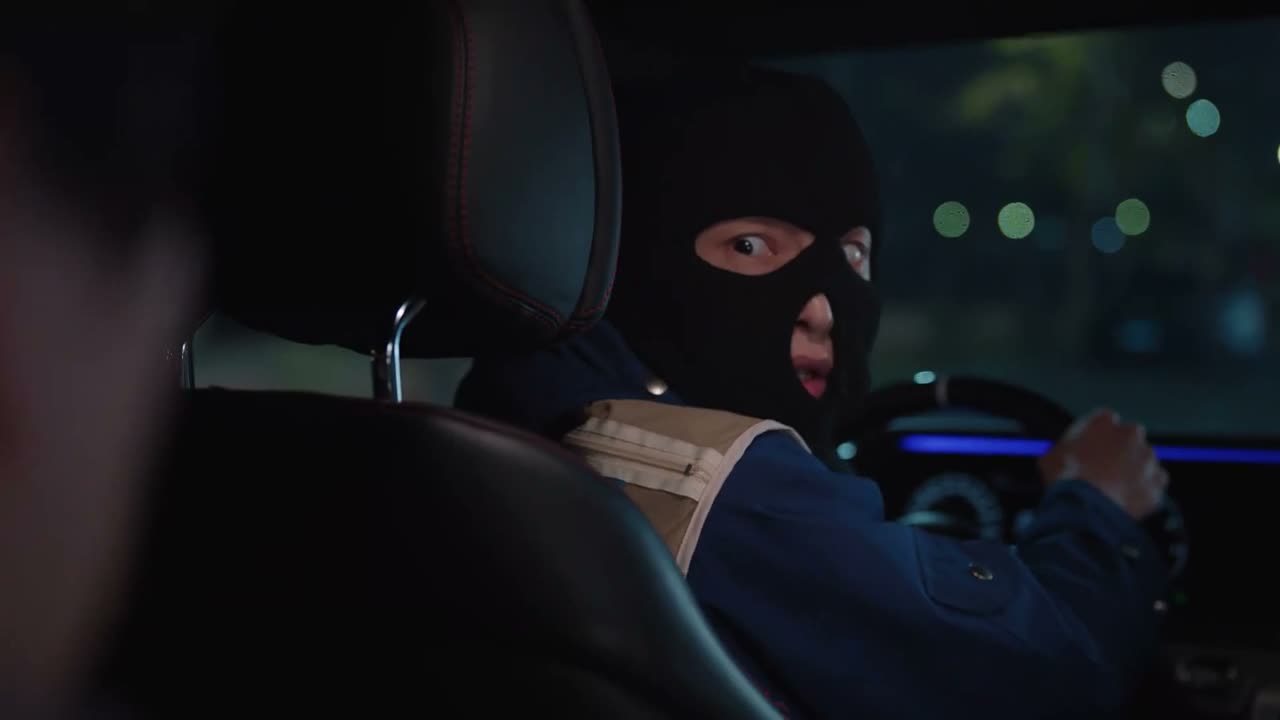
“Sorry. - Do you think apologizing helps? - Do you think apologizing helps?”

“I'm sorry. I'm sorry.”

“I'm sorry. I'm sorry.”

“I'm sorry. I'm sorry.”

“Teacher, sorry. Sorry. But you still need to”

“Sorry for what? Is sorry useful? What are you sorry for?”

“Sorry. I'm really sorry.”

“will now... Sorry.”

“Sorry. I'm sorry.”

“Don't make excuses. I'm sorry.”
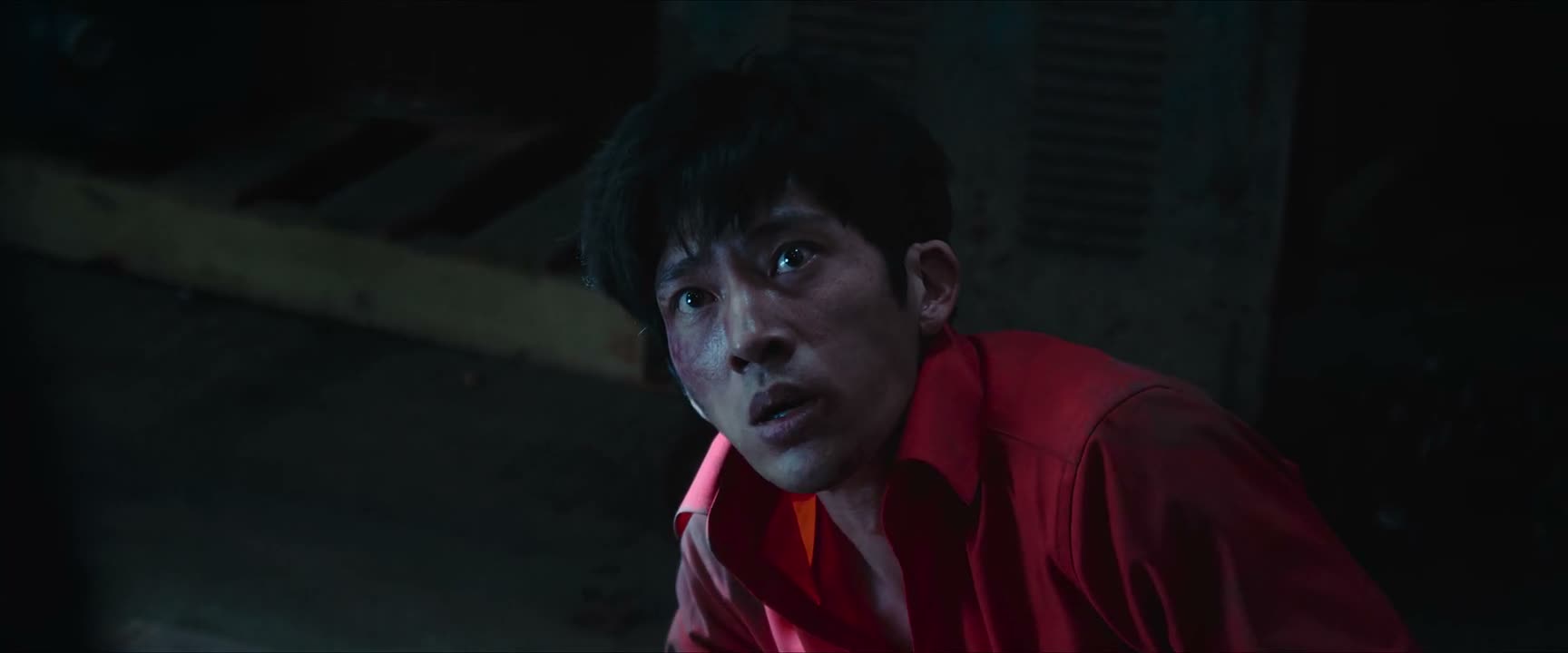
“I'm sorry. I'm sorry. I'm really sorry.”

“How can it get to the point of saying sorry?”

“Just say sorry and be done with it.”

“I'm the one who should say sorry.”
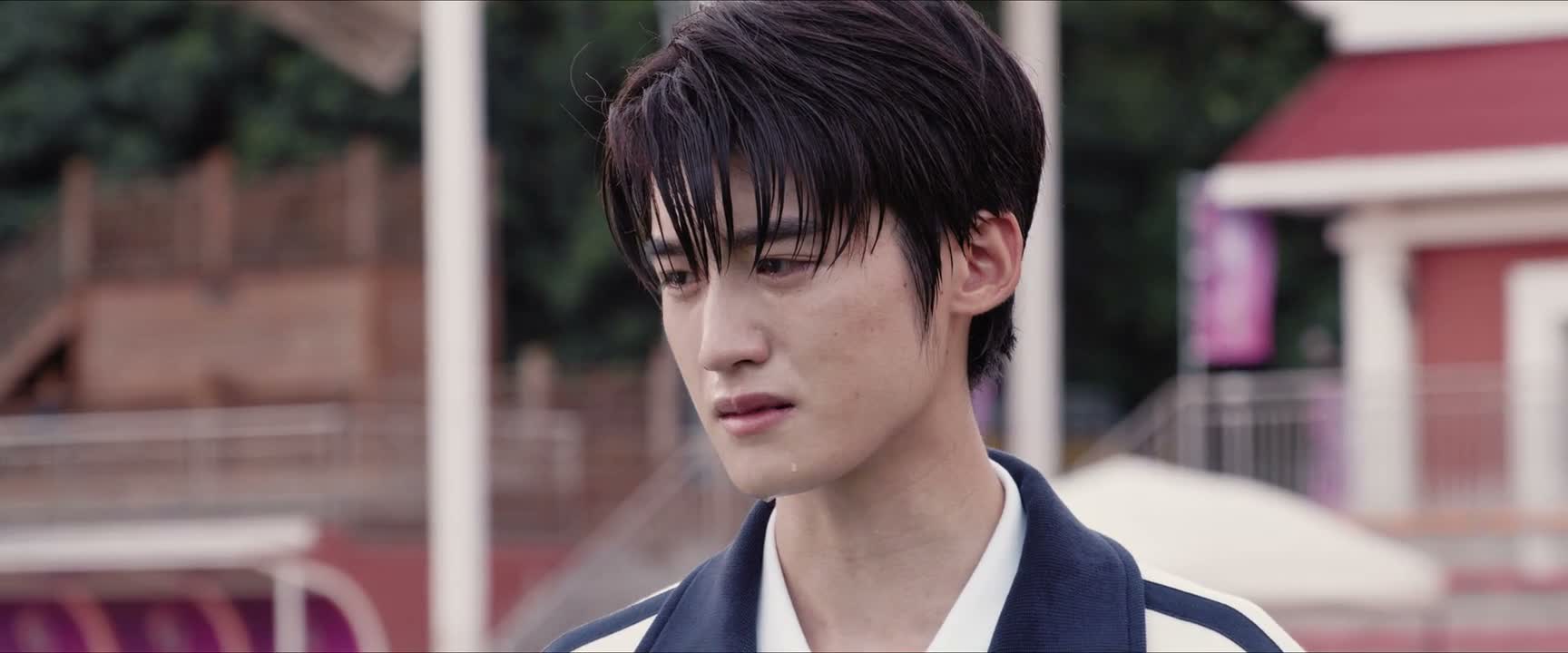
“I'm truly sorry.”

“Sorry. Sorry. I didn't mean to.”

“I'm really sorry. It's okay. No need...”