对不起什么 对不起有用吗 对不起什么呀
“Sorry for what? Is sorry useful? What are you sorry for?”
THE DIALOGUE REEL
对不起
“I'm sorry.”
对不起 什么 对不起有用吗 对不起 什么呀
“Sorry for what? Is sorry useful? What are you sorry for?”
我之前没这么想 我之前我真的没这么想过
“I didn't think that before. I really didn't think that way.”
“An apology is totally useless; you caused serious harm and saying 'sorry' won't fix it.”
In Chinese emotional conflicts, saying 'dui bu qi' can backfire if the aggrieved party perceives it as a perfunctory attempt to evade actual responsibility.
LEARNING CHUNKS & PARTICLES
Is saying sorry going to help anything?
A standard rhetorical formula used when angry to reject an apology as meaningless compared to the harm done.
Forms a biting rhetorical question that strongly implies 'it is completely useless'.
Accentuates the exasperation and emotional intensity of the repeated demand.
VOCABULARY & EXPRESSIONS
Parallel Spoken Cinema Scenes (语义近邻切片)
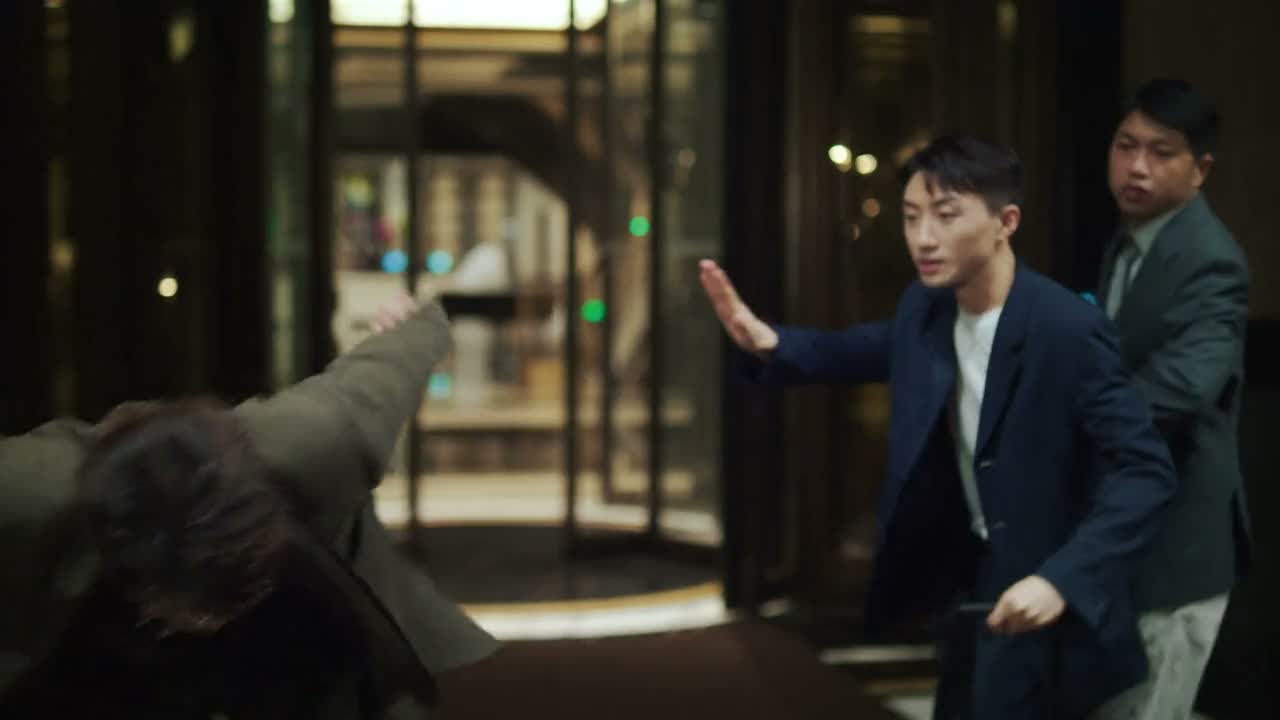
“I'm sorry. I'm sorry. Sorry.”

“Yes, I'm sorry. I'm really sorry. You haven't improved at all.”

“Always "I'm sorry." Is saying sorry useful?”

“I'm so sorry. I'm sorry.”

“I... I'm sorry, sir.”

“You don't need to apologize to anyone.”

“I'm sorry. To whom?”
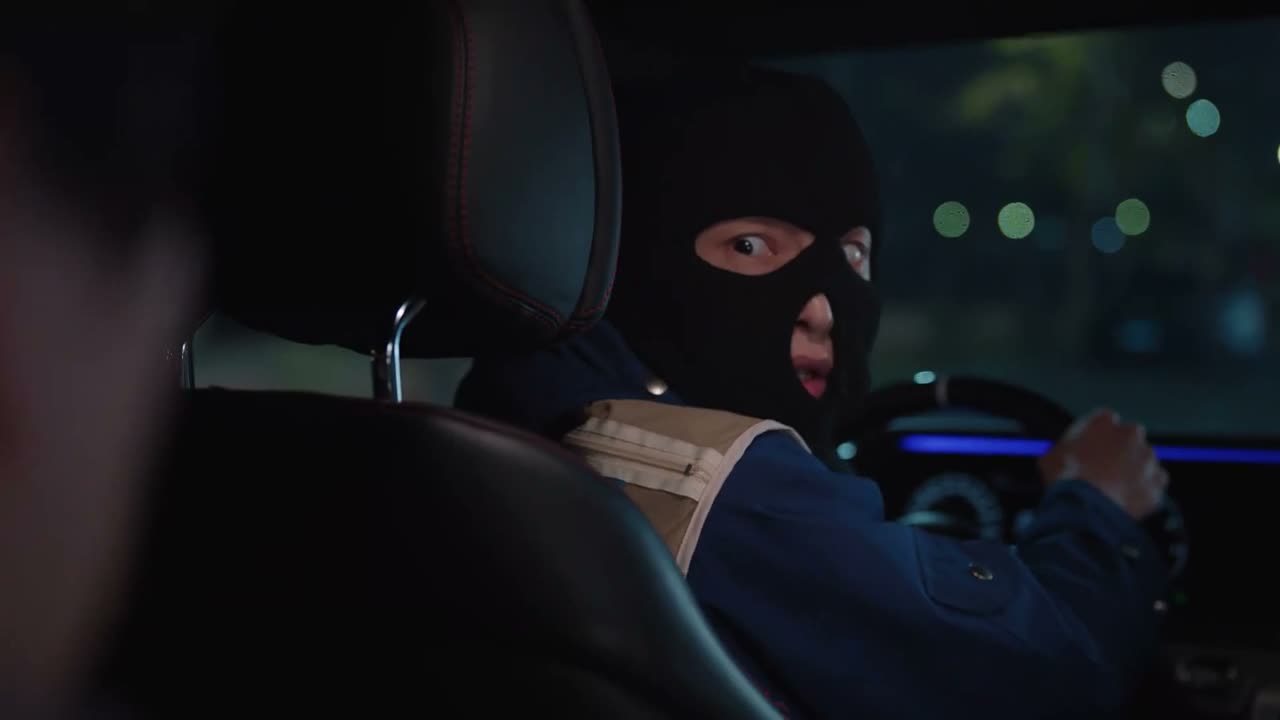
“Sorry. - Do you think apologizing helps? - Do you think apologizing helps?”

“I'm sorry. I'm sorry.”
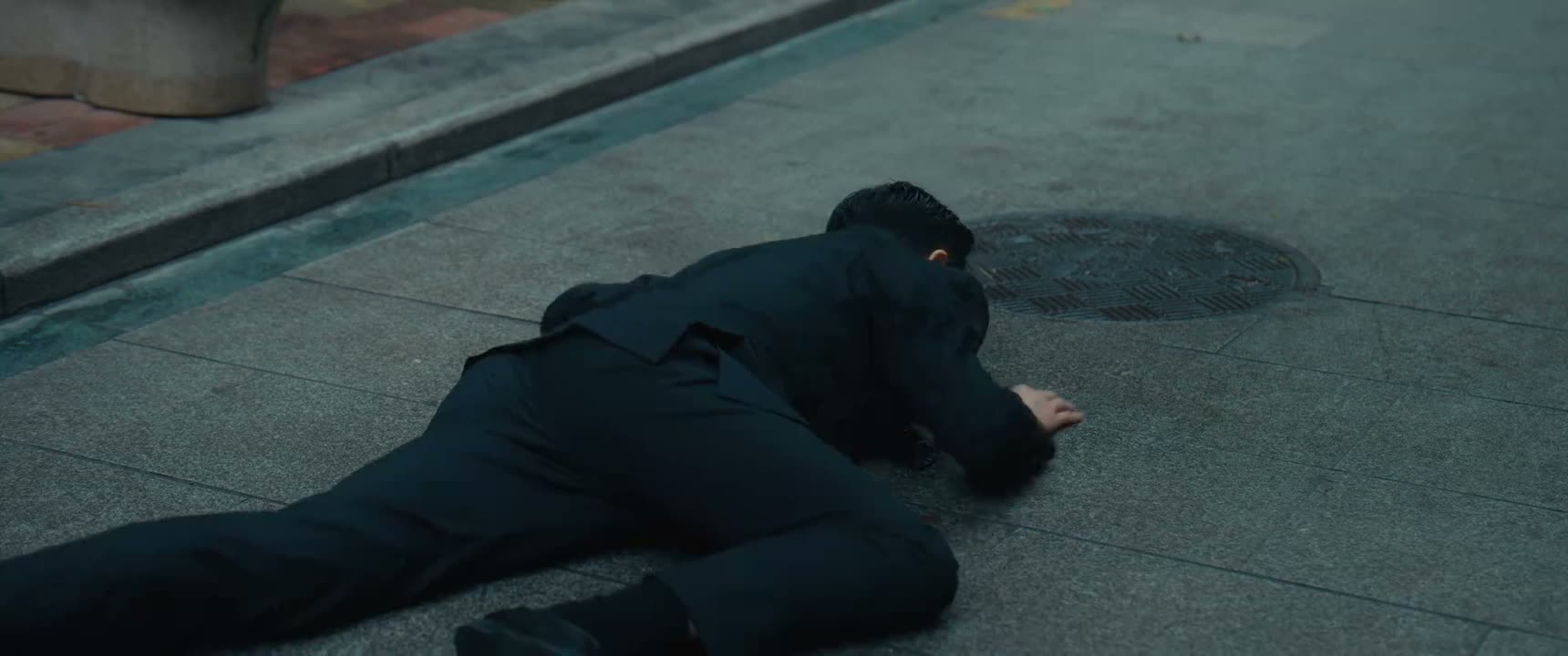
“Sorry! Are you okay?”

“I'm sorry. I'm sorry.”

“I'm sorry. I'm sorry.”
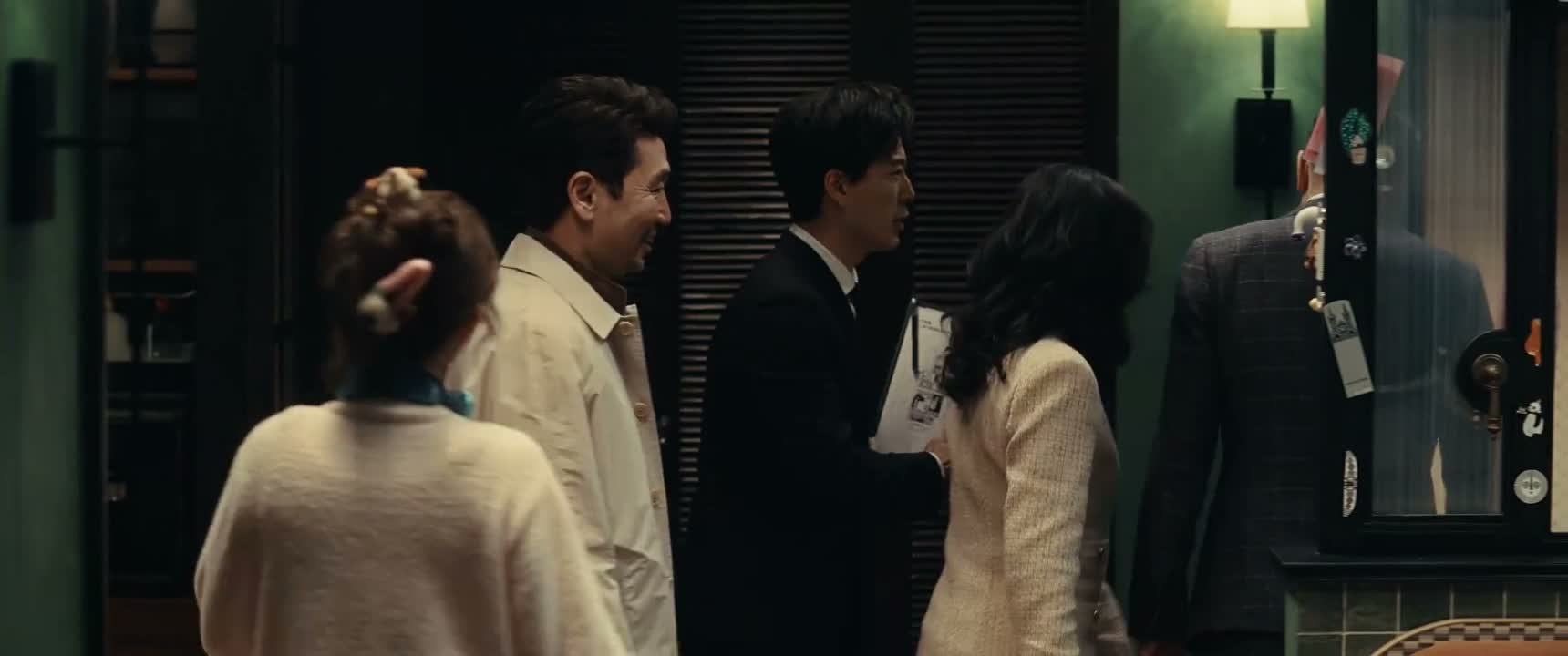
“- Jeez. - I'm so sorry. - What is this all about? - Let's go.”

“What are you sorry for?”

“To apologize, you should say, "I'm sorry."”

“Sorry. I'm really sorry.”

“will now... Sorry.”

“Sorry. I'm sorry.”

“I am so sorry. Wan is dead.”

“Sorry. Sorry. I didn't mean to.”