二位 对不起 对不起 办的什么事啊真的是
“- Jeez. - I'm so sorry. - What is this all about? - Let's go.”
THE DIALOGUE REEL
“- He's buying this place. - You're wasting our time. - Jeez. - I'm so sorry.”
二位 对不起 对不起 办的什么事啊 真的是
“- Jeez. - I'm so sorry. - What is this all about? - Let's go.”
不好意思啊
“I'm so sorry.”
“Please do not get mad at me; I already know how badly this was handled.”
Exaggerating one's own mistake in front of irritated patrons is a standard Chinese politeness tactic to restore harmony and save face.
LEARNING CHUNKS & PARTICLES
what a terrible mess was made / what a poor job was done
A rhetorical self-deprecating or scolding phrase used to acknowledge that an errand was handled miserably.
honestly / really (expressing frustration or exasperation)
Placed at the end of an utterance to reinforce annoyance, exasperation, or genuine embarrassment.
Adds emotional intensity and exasperation to the self-directed rhetorical complaint.
VOCABULARY & EXPRESSIONS
Parallel Spoken Cinema Scenes (语义近邻切片)

“I'm sorry. I'm sorry. It was really our oversight.”

“Always "I'm sorry." Is saying sorry useful?”

“I'm so sorry. I'm sorry.”

“Sorry, sorry. A grown man though he is, he surely acts like a child.”

“You don't need to apologize to anyone.”

“I'm sorry. To whom?”
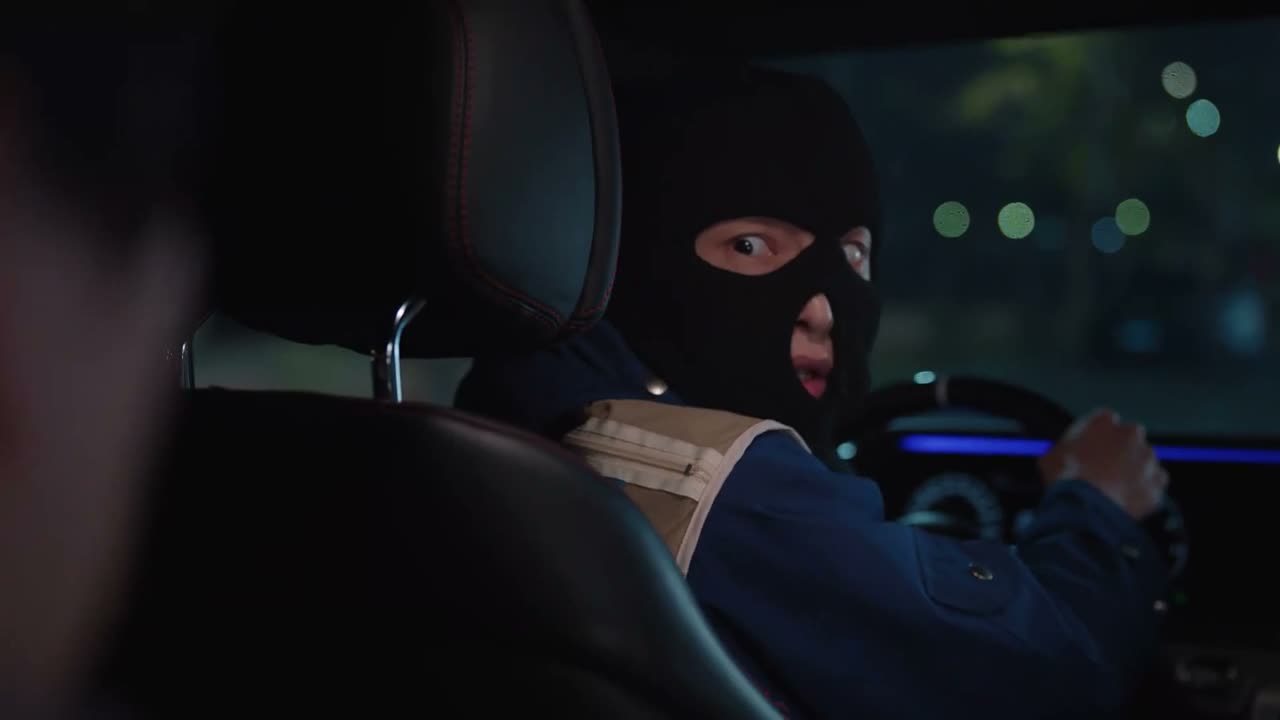
“Sorry. - Do you think apologizing helps? - Do you think apologizing helps?”

“I'm sorry. I'm sorry.”
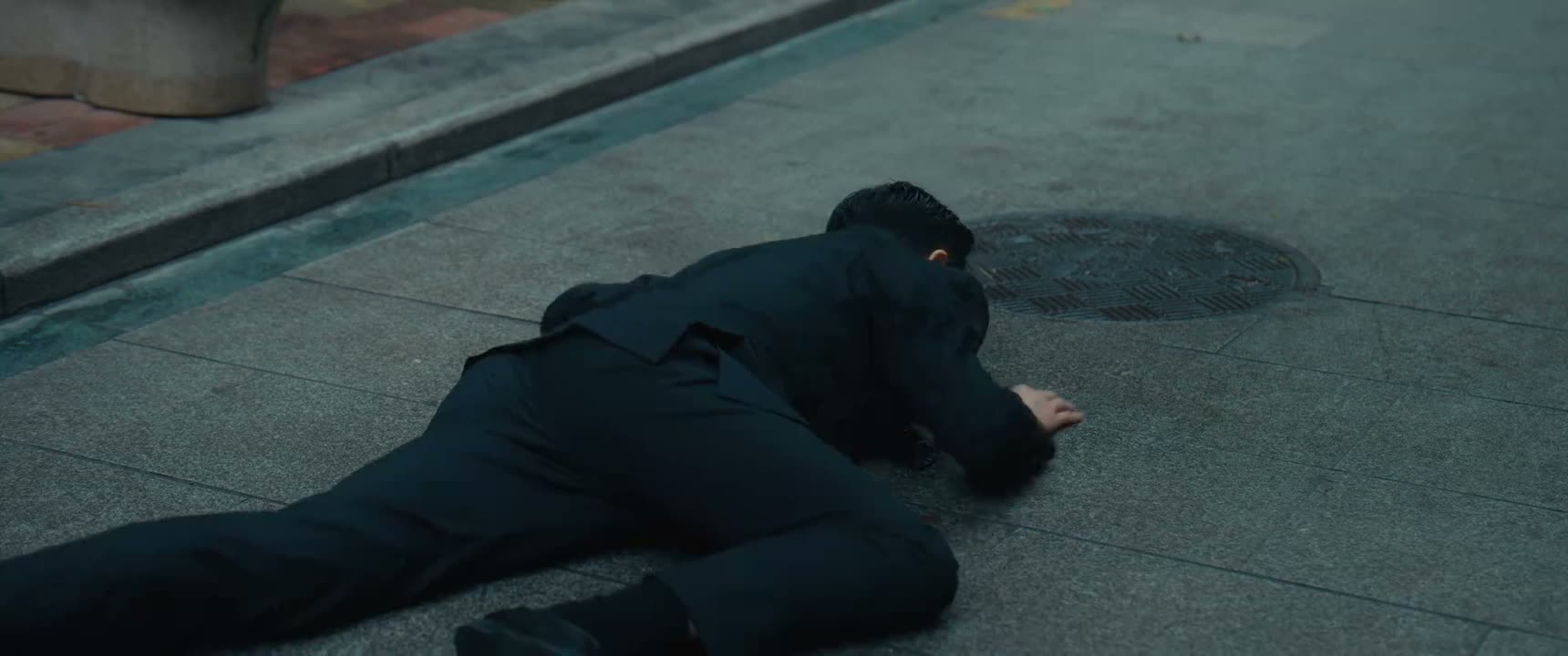
“Sorry! Are you okay?”

“I'm sorry. I'm sorry.”

“I'm sorry. I'm sorry.”

“Sorry for what? Is sorry useful? What are you sorry for?”

“Sorry. I'm really sorry.”

“will now... Sorry.”
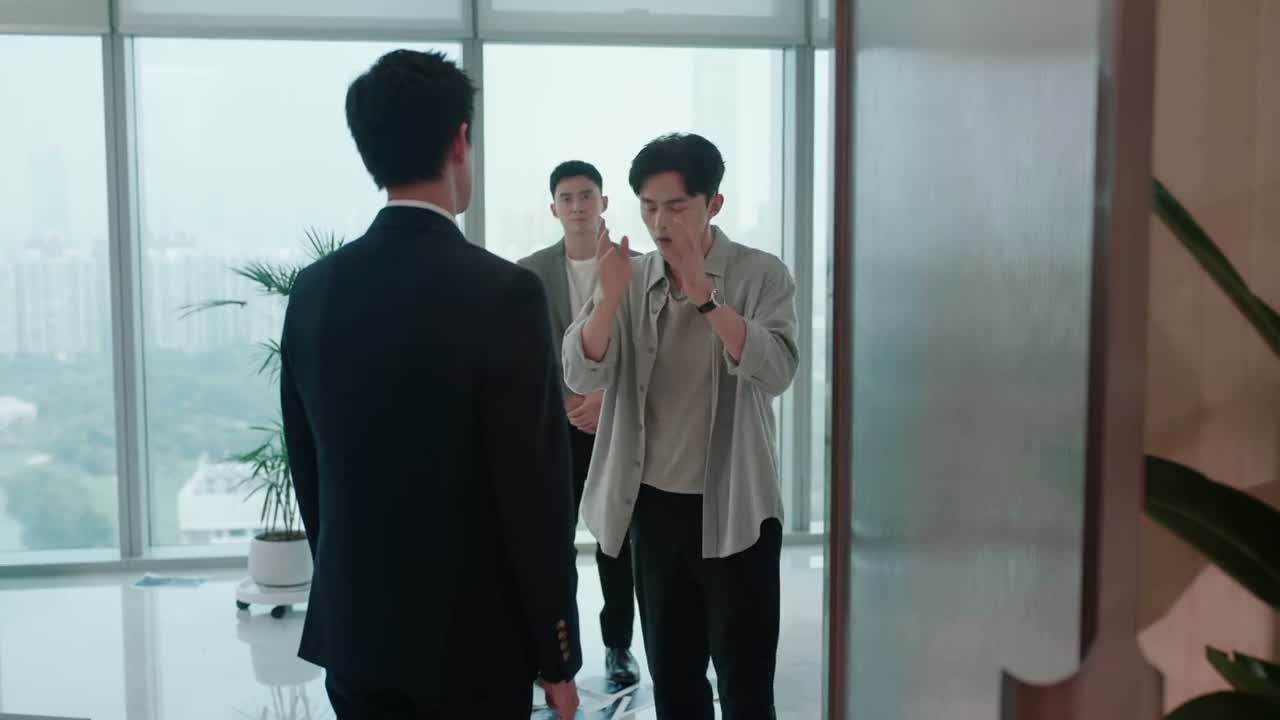
“Sorry. I'm sorry.”

“I... I'm sorry.”

“Sorry. Sorry. I didn't mean to.”