对 对不起啊
“I... I'm sorry.”
THE DIALOGUE REEL
就能做的手术
“Any surgeon could've performed the surgery.”
对 对不起啊
“I... I'm sorry.”
没事
“It's fine.”
Direct spoken expression in this communicative setting.
Chinese speakers frequently use duplicated affirmations followed by softened apologies to quickly restore harmony and display modesty.
LEARNING CHUNKS & PARTICLES
I'm really sorry
A very common colloquial apology; adding the sentence-final particle softens the tone, making it sound warmer and less formal than a bare apology.
Softens the bluntness of the apology and conveys personal warmth or earnest regret.
VOCABULARY & EXPRESSIONS
Parallel Spoken Cinema Scenes (语义近邻切片)

“Please make some space for me. Thank you.”
“Sorry.”

“Excuse me. Sorry.”
“Sorry about that just now.”
“I'm truly sorry.”
“I'm sorry. I'm sorry. Sorry.”

“I'm sorry for bothering you.”

“I'm so sorry. I'm sorry.”

“I... I'm sorry, sir.”

“- You've stained my manuscript! - I'm sorry. I forgot my hands were covered in grease. Don't worry…”

“I'm sorry. I know. It's not your fault.”
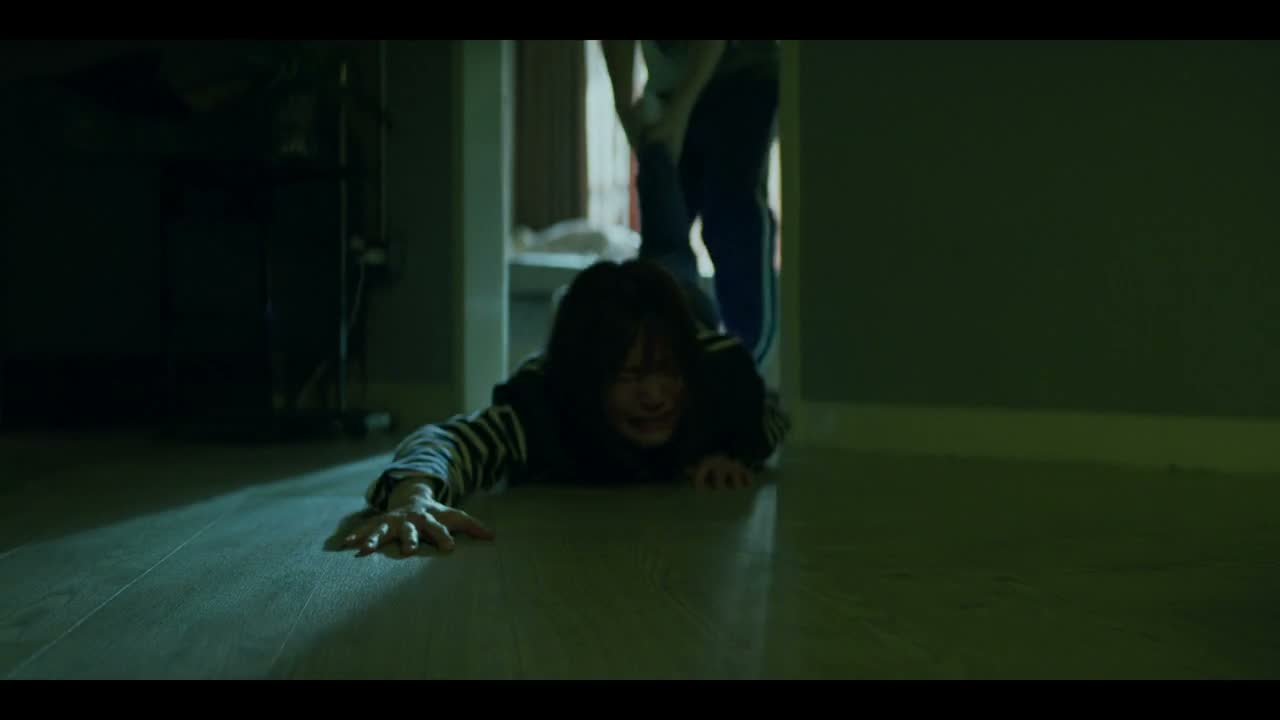
“- [Pin-hsuan crying] I'm sorry! I'm sorry! - Huh?!”

“You don't need to apologize to anyone.”

“I... I'm sorry, Commander! Alright, alright. Clean this up immediately.”
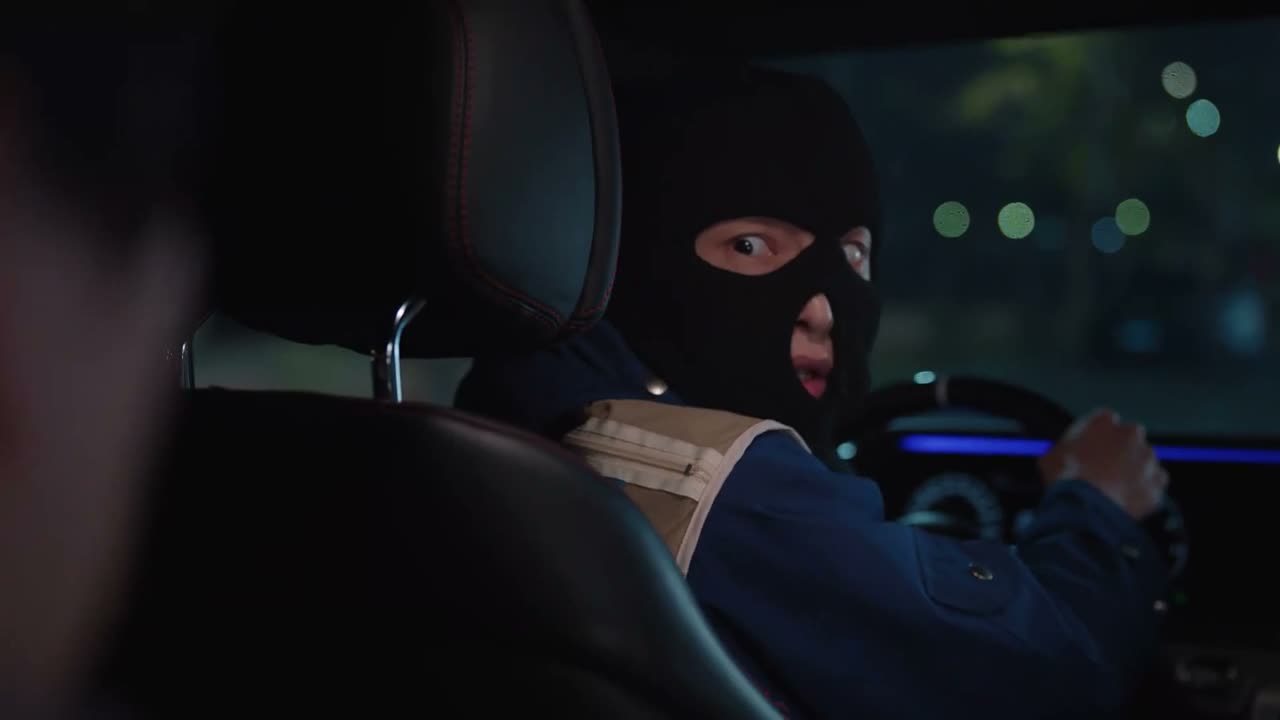
“Sorry. - Do you think apologizing helps? - Do you think apologizing helps?”
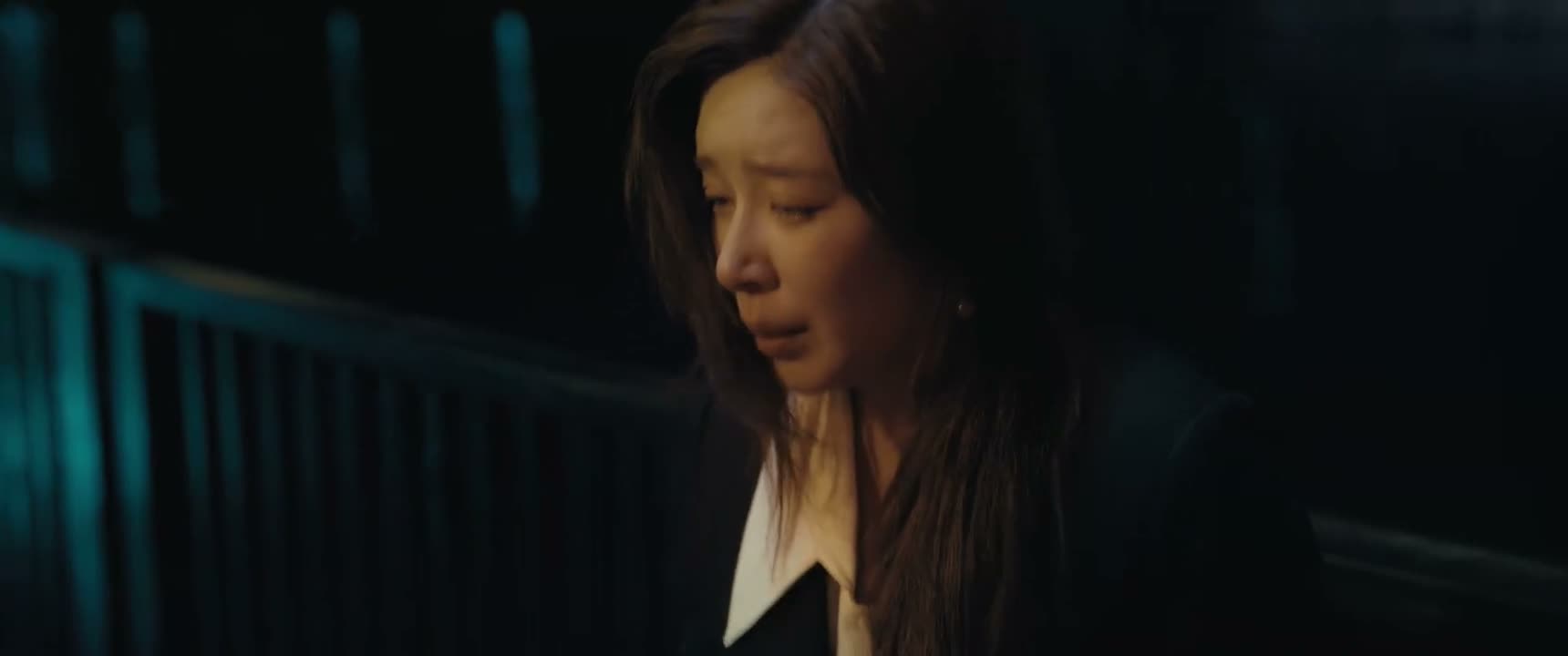
“I'm sorry. I'm sorry.”

“I'm sorry. I'm sorry.”

“I'm sorry. I'm sorry.”
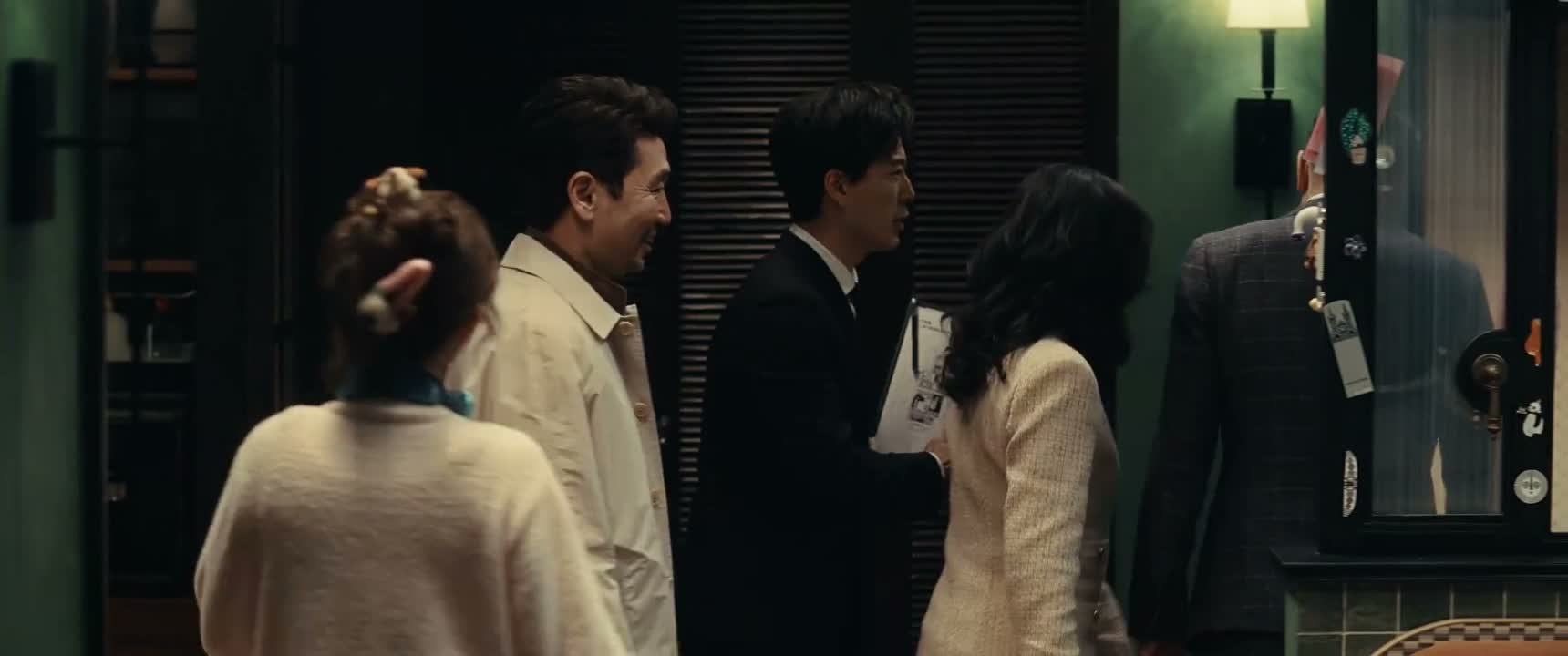
“- Jeez. - I'm so sorry. - What is this all about? - Let's go.”

“Get lost. Sorry, my apologies to you guys. Let's go.”

“I'm sorry.”
“Sir, I'm sorry.”

“I'm sorry.”

“I'm sorry.”

“will now... Sorry.”
“Sorry. I'm sorry.”
“I'm sorry.”

“I am sorry.”

“Why apologize all of a sudden?”

“Sorry. This old lady won't play along.”

“Say "Mom, I'm sorry."”

“I'm sorry.”

“Sorry. Sorry. I didn't mean to.”