对不起 打扰了
“I'm sorry for bothering you.”
THE DIALOGUE REEL
今天 周日啊 你怎么过来了
“It's Sunday today. What brings you here?”
对不起 打扰了
“I'm sorry for bothering you.”
你没跟燃约会吗
“Don't you have a date with Shuran?”
“Sorry, looks like I came at a bad time, I'll see myself out.”
In social interactions, when unintentionally intruding upon someone's private plans or personal space (such as a private date), Chinese people typically offer a prompt apology using 'da rao le' (sorry to disturb) and tactfully excuse themselves, demonstrating a sense of boundaries and social awareness.
LEARNING CHUNKS & PARTICLES
Sorry to have bothered you; excuse me for interrupting
Commonly used when accidentally intruding, knocking on the wrong door, or realizing one is interrupting or in the way, expressing a polite apology while stepping away.
Indicates a completed action or change of state; here paired with 'da rao' (to disturb) to form a polite apology acknowledging the completed interruption.
VOCABULARY & EXPRESSIONS
Parallel Spoken Cinema Scenes (语义近邻切片)

“S-Sorry for intruding.”

“I'm really sorry. Sorry.”

“Excuse me, sorry to bother you. I wanted to ask,”

“Excuse me. Sorry.”

“Sorry, you don't get to decide that.”

“Sorry, sorry. Get lost.”
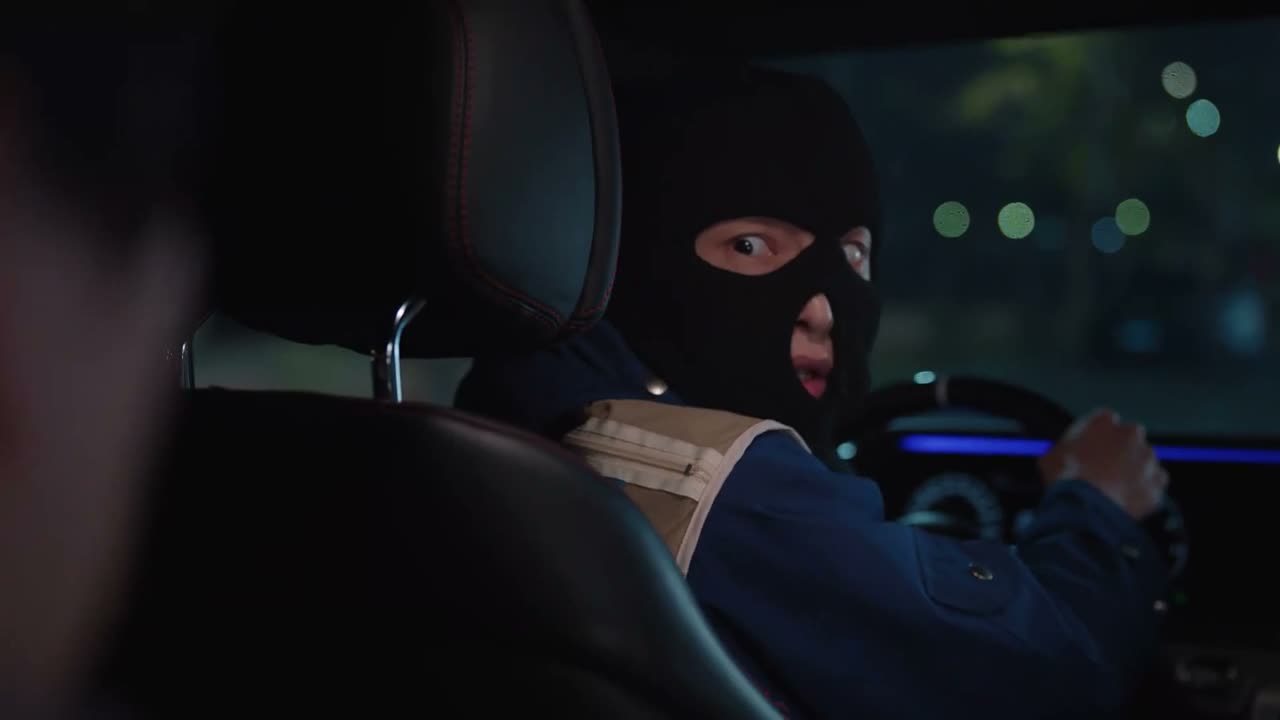
“Sorry. - Do you think apologizing helps? - Do you think apologizing helps?”
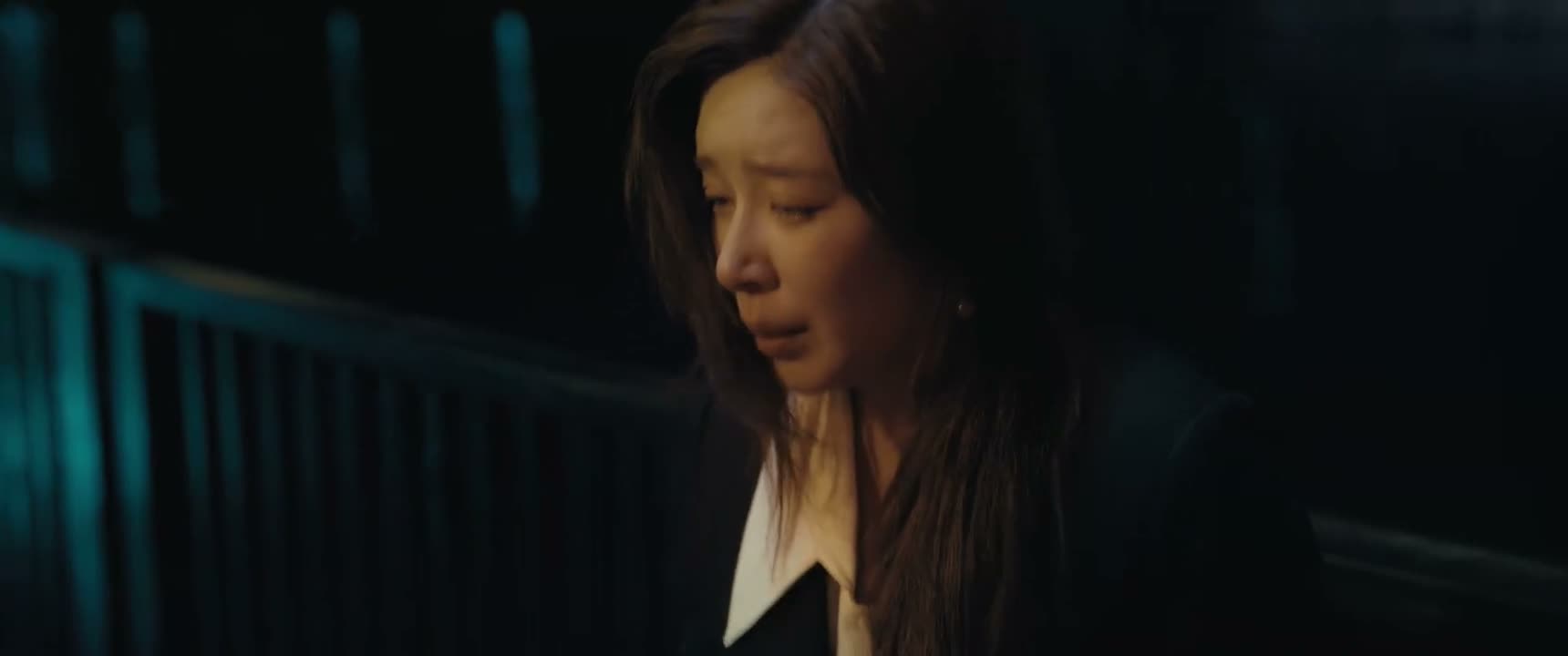
“I'm sorry. I'm sorry.”

“I'm sorry. I'm sorry.”

“I'm sorry. I'm sorry.”
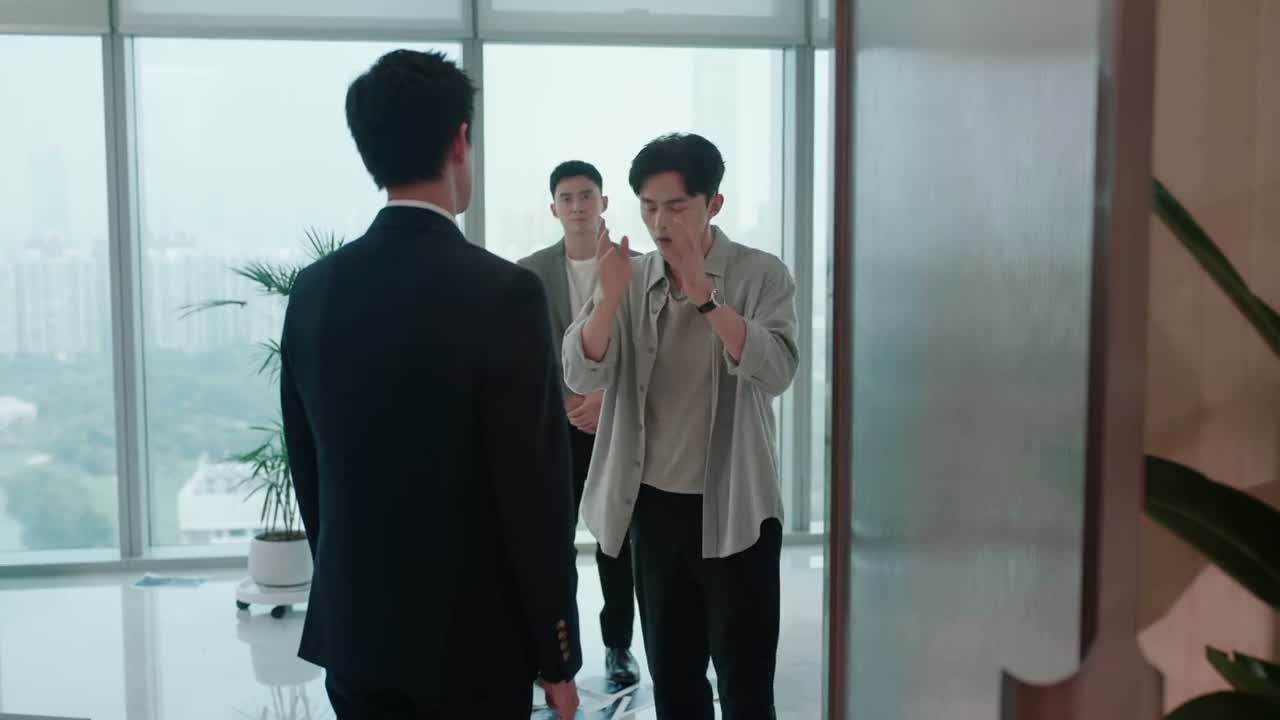
“Sorry. I'm sorry.”

“Sorry, a moment.”

“I... I'm sorry.”

“Sorry. Sorry. I didn't mean to.”

“I understand. I'm sorry. I bothered you. No, no, no.”

“I'm sorry. I'm sorry. It was really our oversight.”

“I'm sorry for that. Just keep quiet.”