打扰了
dǎ rǎo leCommon spoken expression used by native Chinese speakers in daily life.
[Scene: 社交聚会]
(7 clips) 00:02
 00:02
 00:02
(有急事 她可能饿了 对不起 对不起 下次不会了) ── Previous context
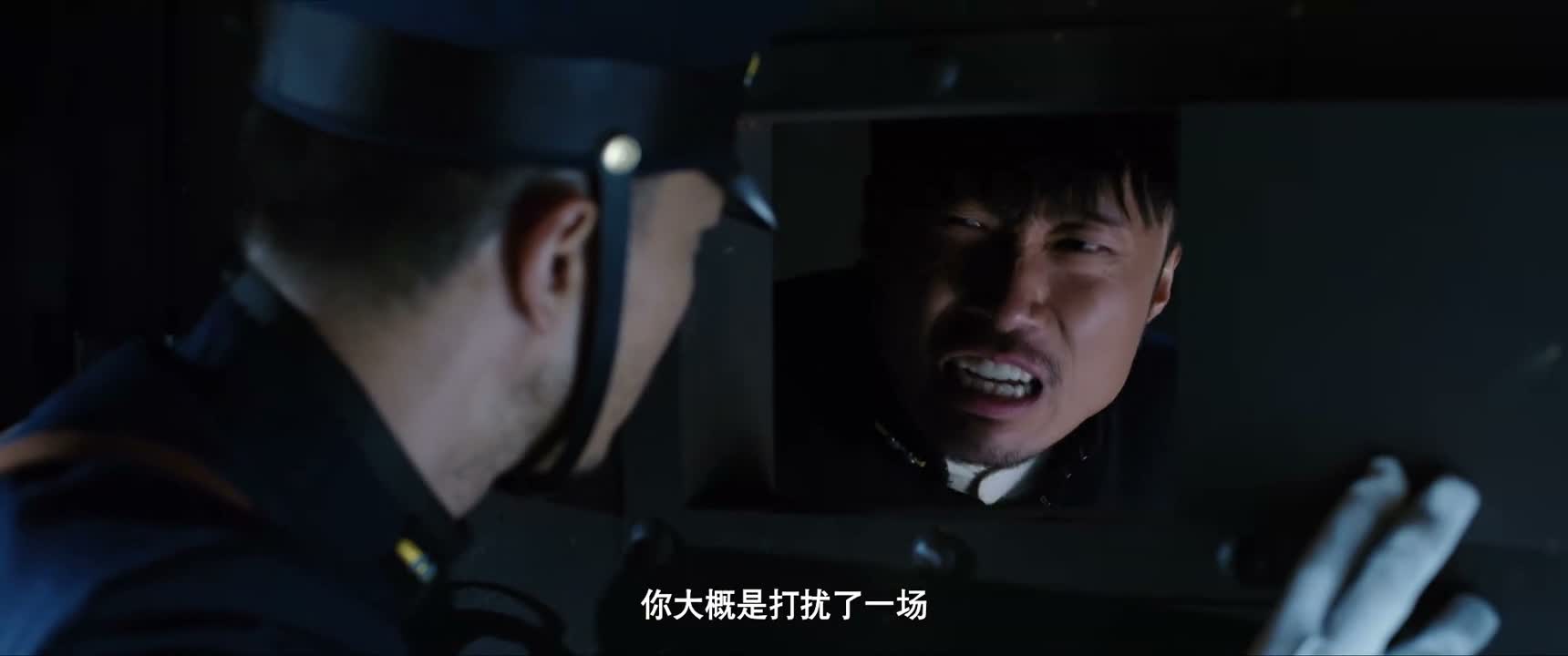
“Sorry for the disturbance. Please go home.”
 00:02
 00:03
 00:02
 00:02
[Scene: 职场工作]
(7 clips) 00:02
 00:02
(绝对不像一个 二十岁的人哪) ── Previous context
“Thanks for the compliment. I'll take my leave then.”
 00:02
 00:02
(阿姨 我还有事先走了) ── Previous context
“Mr. Xiao, I'm here to get my laptop. Please excuse me.”
 00:02
 00:02
 00:02
[Scene: 其他场景]
(4 clips) 00:02
(打扰别人工作不好吧) ── Previous context
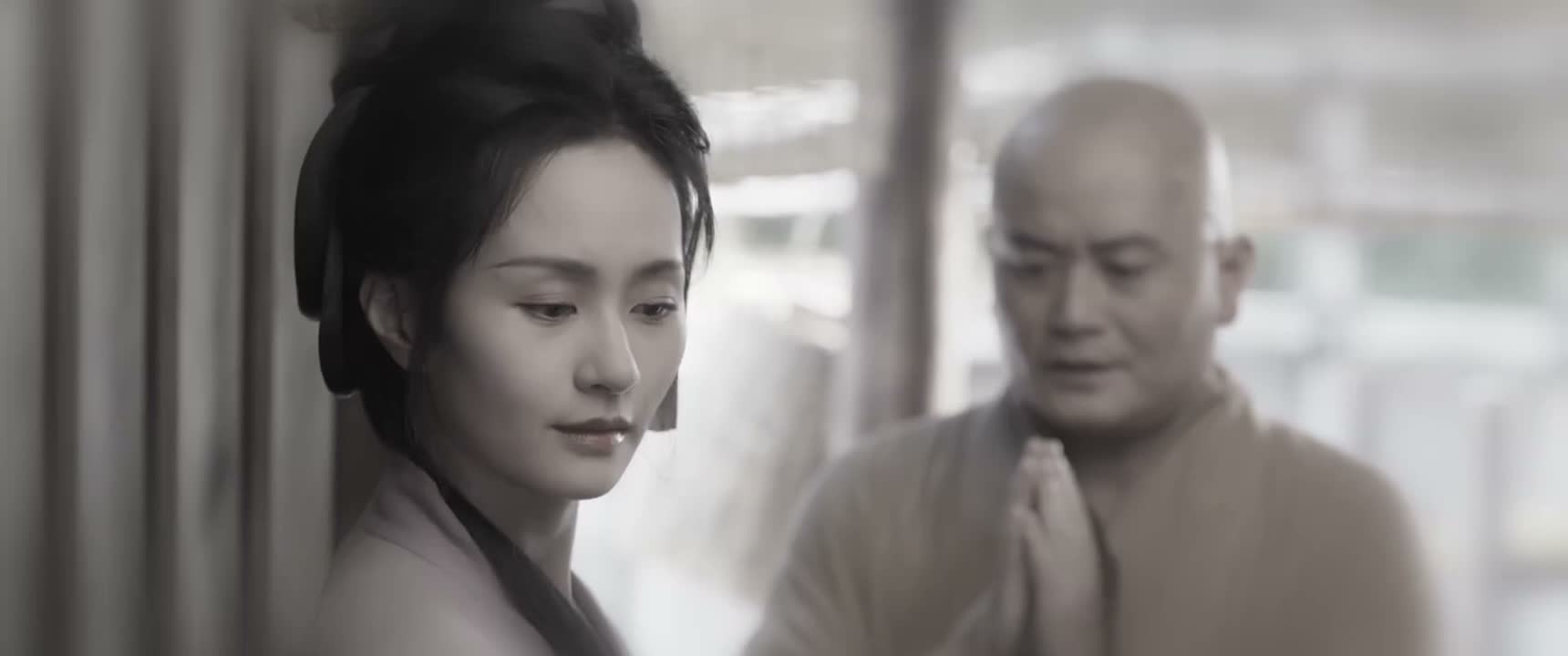
“How is saying hi bothering her? You'll never end up like that.”
 00:02
 00:03
(坐这坐这 坐) ── Previous context
“Then you... You two take your time, I won't interrupt.”
 00:02
[Scene: 历史宫廷]
(3 clips) 00:02
 00:03
 00:03
(这几日太后都拘着绥哥儿读书 怕是) ── Previous context
“Then I won't bother him. I'll come back in a few days to pay my respects to Grandmother.”
[Scene: 商务沟通]
(1 clips) 00:02
(我离开徽州数日 没收到你寄给我的东西) ── Previous context
“Alright then. I won't bother you anymore. Go ahead and get back to your work.”
[Scene: 其他场景]
(1 clips) 00:02
[Scene: 餐饮美食]
(1 clips) 00:02
[Scene: 其他场景]
(1 clips)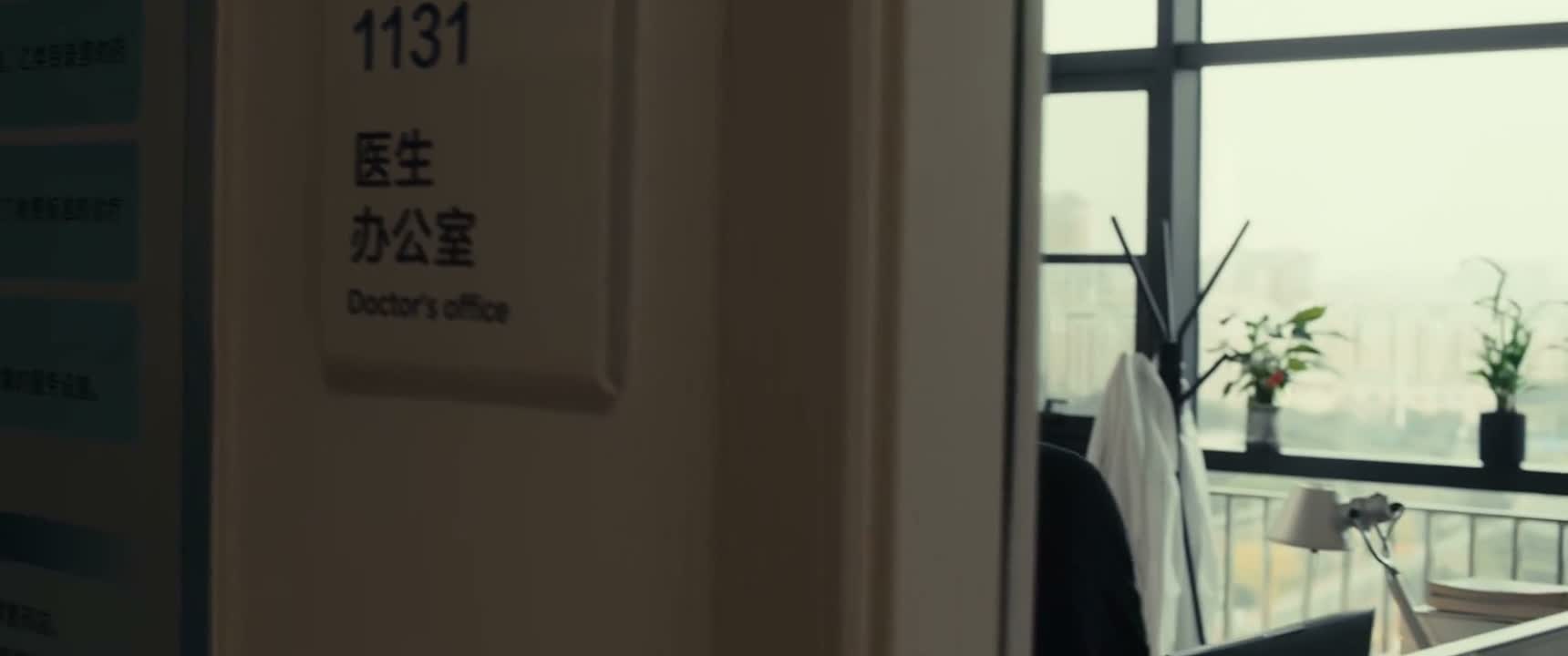 00:02
(林总) ── Previous context
“(Doctor's Office) Alright, thank you. Thank you. Sorry to trouble you.”
📌 没事
→Nuance: 交际意图一致,均表解散离开
📌 那行
→Nuance: 告别意图一致,可直接互换
📌 好嘞
→Nuance: 同为告辞不打扰,现代口语
📌 好嘞
→Nuance: 辞行客套交际意图完全相同
📌 行吧
→Nuance: 告别意图一致,可直接互换
📌 急事
→Nuance: 同向近义词根配对: [对不起 ↔ 不好意思]
📌 对不起
→Nuance: 道歉用语可完全互换
📌 过分
→Nuance: 均认为打招呼合情合理
📌 不好意思
→Nuance: 更口语化、平民化的打扰表达
📌 不好意思
→Nuance: 同向近义词根配对: [对不起 ↔ 不好意思]