好嘞 谢谢啊 谢谢医生 不好意思 打扰了
“(Doctor's Office) Alright, thank you. Thank you. Sorry to trouble you.”
THE DIALOGUE REEL
林总
“Ms. Lin.”
好嘞 谢谢啊 谢谢医生 不好意思 打扰了
“(Doctor's Office) Alright, thank you. Thank you. Sorry to trouble you.”
应该的
“It's no trouble.”
Direct spoken expression in this communicative setting.
Chinese patients routinely express deference and apologize for 'disturbing' (打扰) busy medical professionals as an acknowledgment of the doctor's scarce time.
LEARNING CHUNKS & PARTICLES
alright; okie-doke; will do
A friendly, upbeat northern Chinese colloquialism used to signal quick agreement or acknowledgment.
sorry to have bothered you; excuse me
A standard polite exit phrase used when leaving someone's office, consultation room, or home.
Softens the gratitude to make the speaker sound warmer, friendlier, and more approachable.
VOCABULARY & EXPRESSIONS
Parallel Spoken Cinema Scenes (语义近邻切片)

“Okay. Thank you, doctor. Thanks.”

“Sorry, there's an emergency at home. Please arrange the patient to see another doctor.”
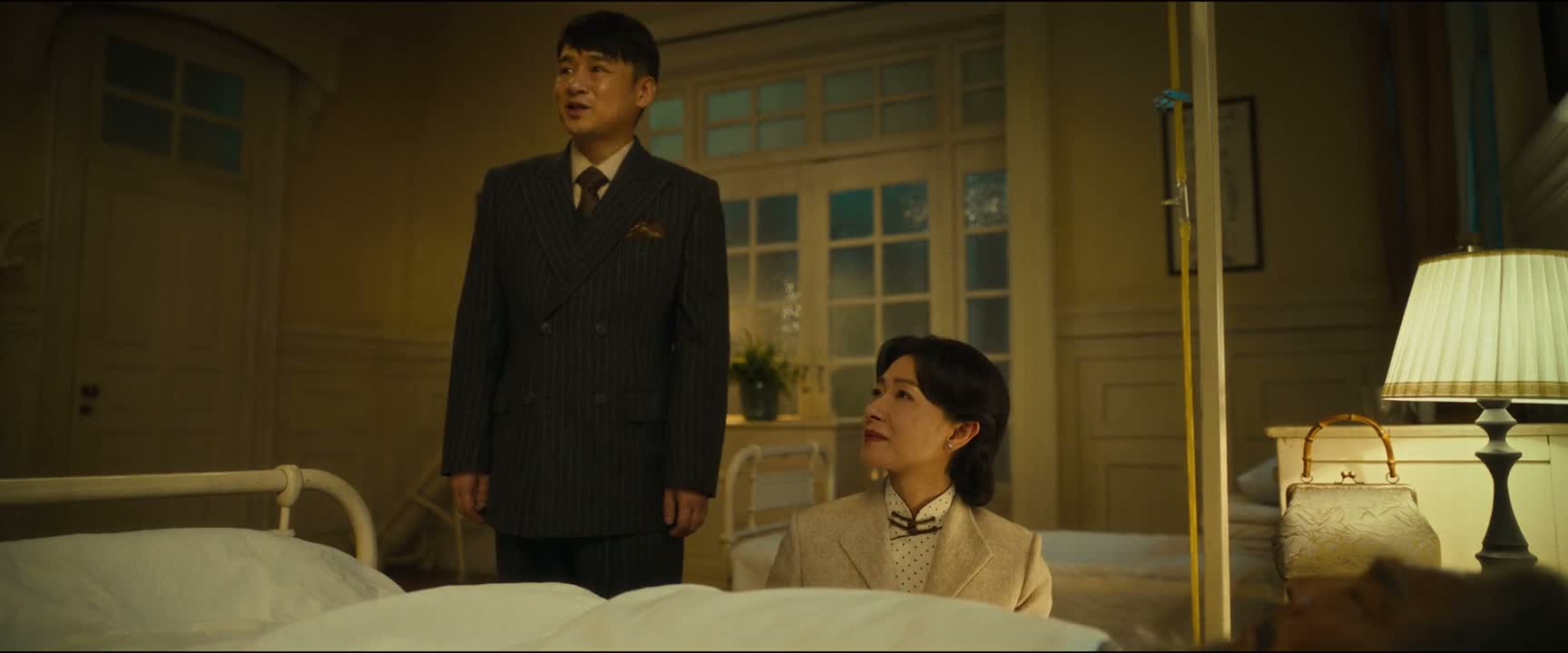
“That's great. Thank you, doctor. Don't thank me yet.”
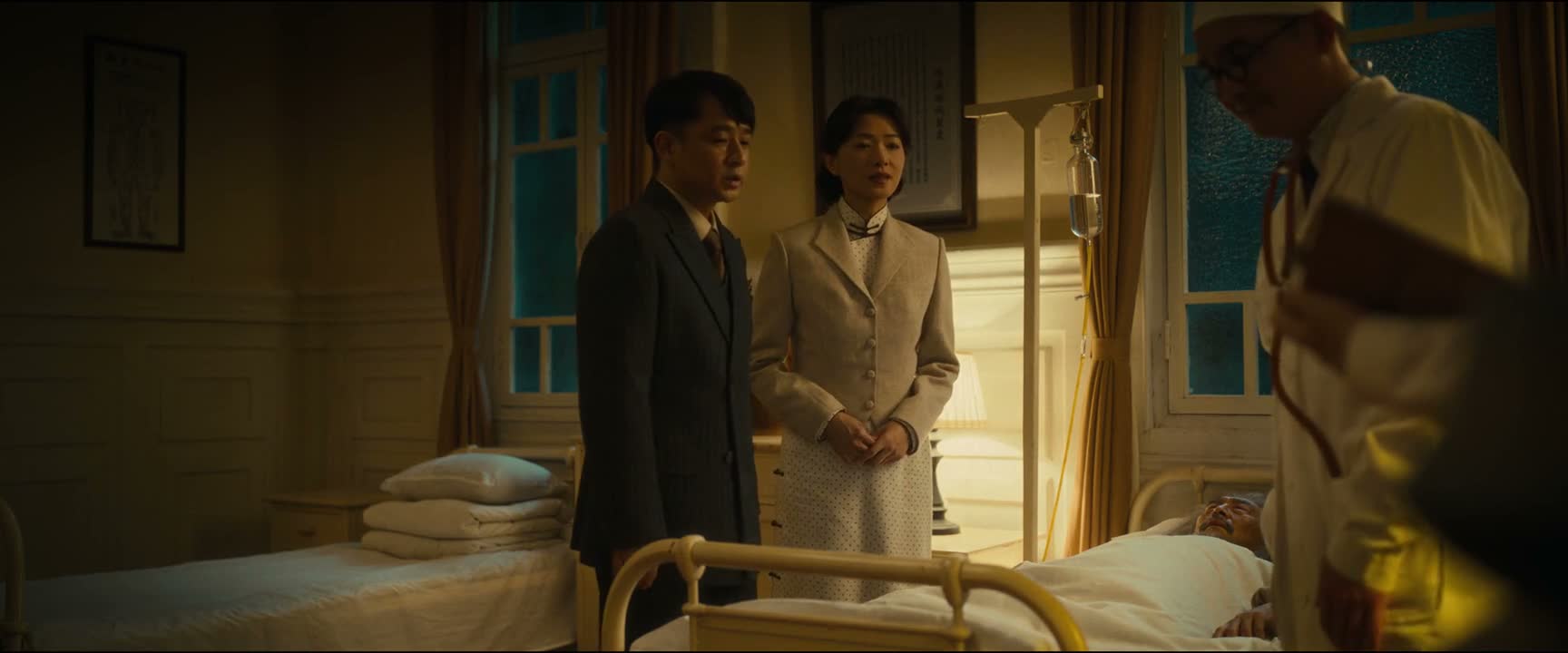
“Thank you, doctor. You're welcome.”
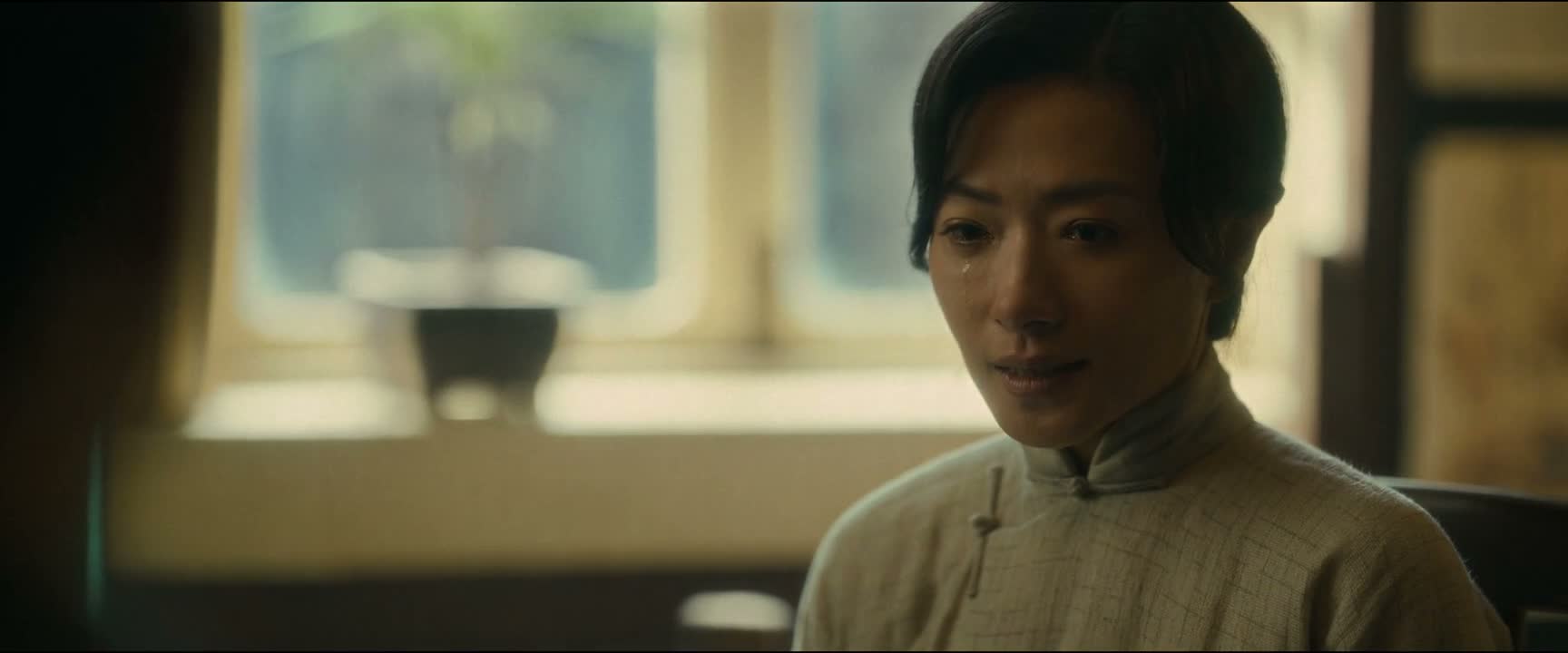
“First of all, thank you, Dr. Chen,”

“I'll head out now. Thank you. It's okay.”