对不起了 本老太太恕不奉陪
“Sorry. This old lady won't play along.”
THE DIALOGUE REEL
疯了你
“Have you gone crazy?”
对不起了 本老 太 太 恕不奉陪
“Sorry. This old lady won't play along.”
于奶奶 所以啊 你可千万别跟我客气 赶紧开个价
“Granny Yu... Given the workload, you must be straightforward and name a price.”
“I'm done listening to your nonsense, get out of my sight.”
Using high-register formal phrases like '恕不奉陪' and '对不起' in a conflict serves as sharp sarcasm to enforce distance and dismiss an unwelcome petitioner.
LEARNING CHUNKS & PARTICLES
beg to be excused / cannot keep you company any longer
A formal idiom used sarcastically in modern spoken Chinese to refuse to deal with someone.
this old lady here (referring to oneself)
A self-referential term used by elderly women to assert seniority or express annoyance.
Attached to '对不起了' to signal a decisive, dismissive conclusion rather than a genuine apology.
VOCABULARY & EXPRESSIONS
Parallel Spoken Cinema Scenes (语义近邻切片)

“I'm so sorry. I'm sorry.”
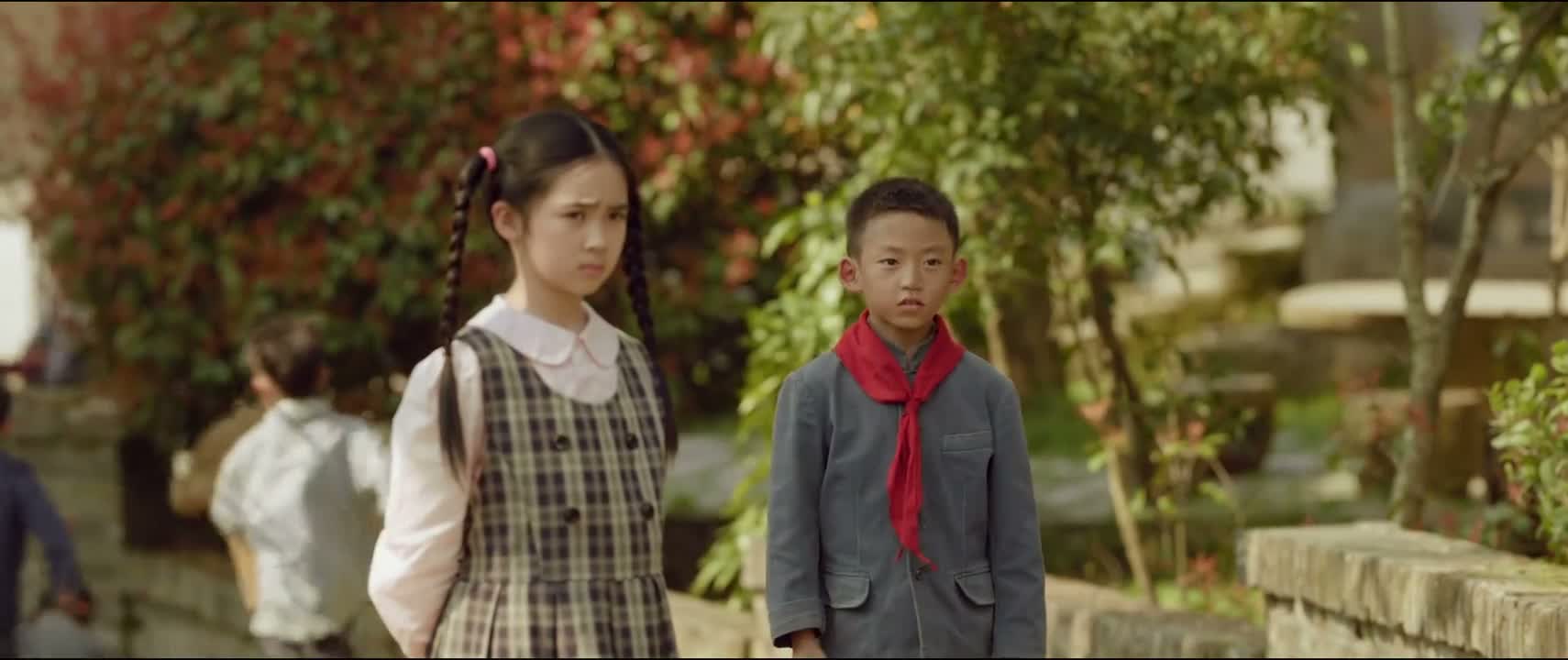
“I... I'm sorry, sir.”

“I'm sorry. I know. It's not your fault.”
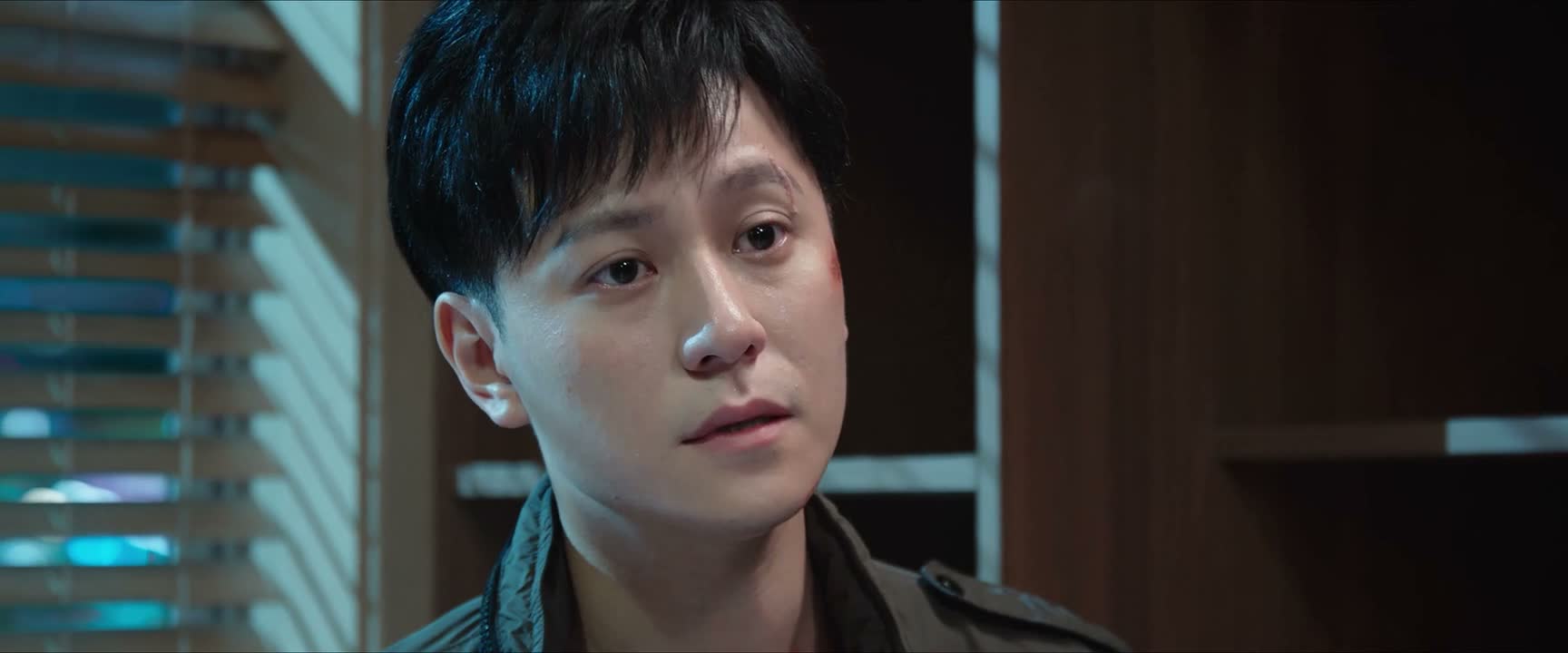
“between us is "sorry" now,”
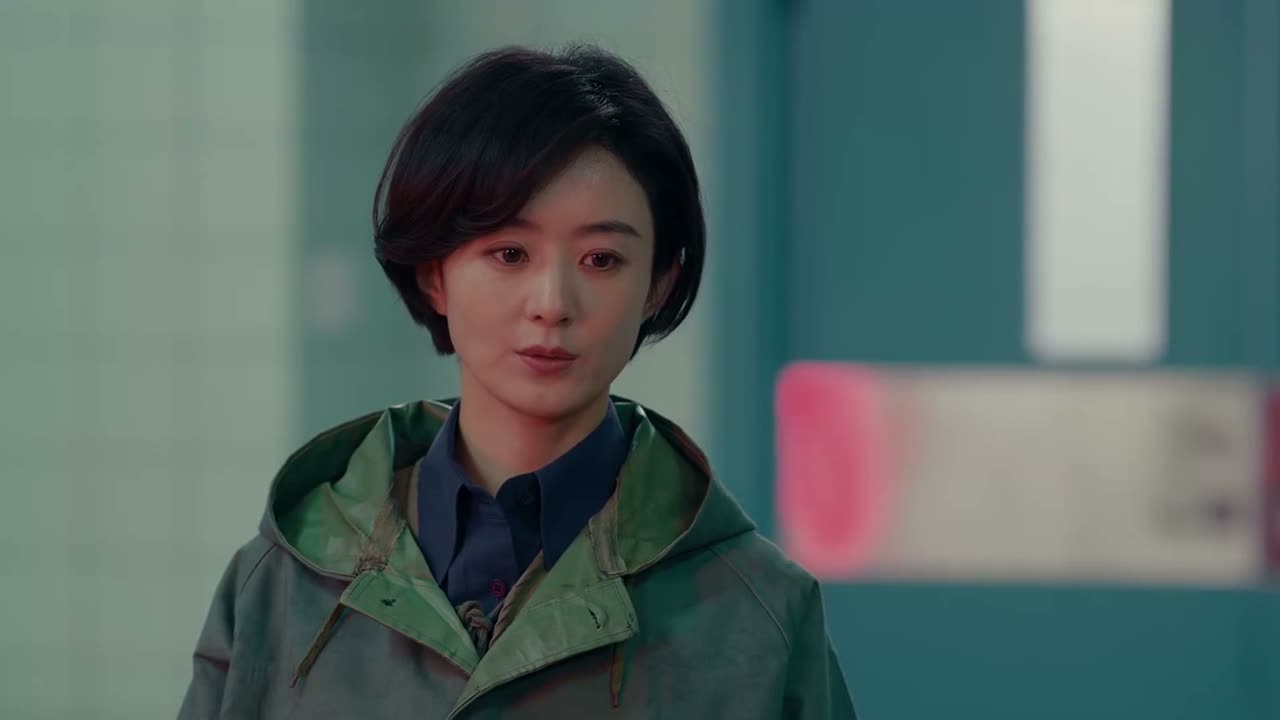
“I... I'm sorry.”