对不起啊
duì bù qǐ aCommon spoken expression used by native Chinese speakers in daily life.
[Scene: 社交聚会]
(11 clips) 00:02
 00:02
 00:02
 00:02
 00:02
 00:03
(好) ── Previous context
“Fei Ni, I'm truly sorry about this. I didn't know that Ling Yi would be coming.”
 00:02
 00:03
(对不住马总 不是 夏雪你干嘛呀) ── Previous context
“-Mr. Ma, sorry. -Are you alright, Kai? Get tissues. Hurry, get tissues.”
 00:03
 00:02
 00:02
[Scene: 其他场景]
(7 clips) 00:03
 00:03
(先拿这个冰一下 回家我们拿冰敷) ── Previous context
“I'm sorry for causing you trouble today. I'm fine.”
 00:02
(谢谢啊) ── Previous context
“I'm sorry. I'm late since I had something to do in the police station.”
 00:02
(不回来 以后) ── Previous context
“I won't be able to cook for you all anymore. I'm sorry.”
 00:02
(我会好好照顾你的) ── Previous context
“Sorry, Mr. Xia. Sorry, I'm sorry. I'm leaving now.”
 00:03
(和激烈的冲突) ── Previous context
“I'm really sorry. I thought she came looking for Zhangzhu,”
 00:02
[Scene: 其他场景]
(3 clips) 00:02
 00:03
(在病房呢 白椿陪着苓苓) ── Previous context
“I'm sorry. I really... No, it's me. It was my negligence. Let go of me.”
 00:02
[Scene: 其他场景]
(2 clips) 00:03
(马科) ── Previous context
“We were wrong. We were really wrong. It was a misunderstanding. Sorry.”
 00:02
(不好意思 不好意思 真的不好意思 出去) ── Previous context
“See you. - So sorry. - Sorry. Are you insane?”
[Scene: 餐饮美食]
(2 clips) 00:02
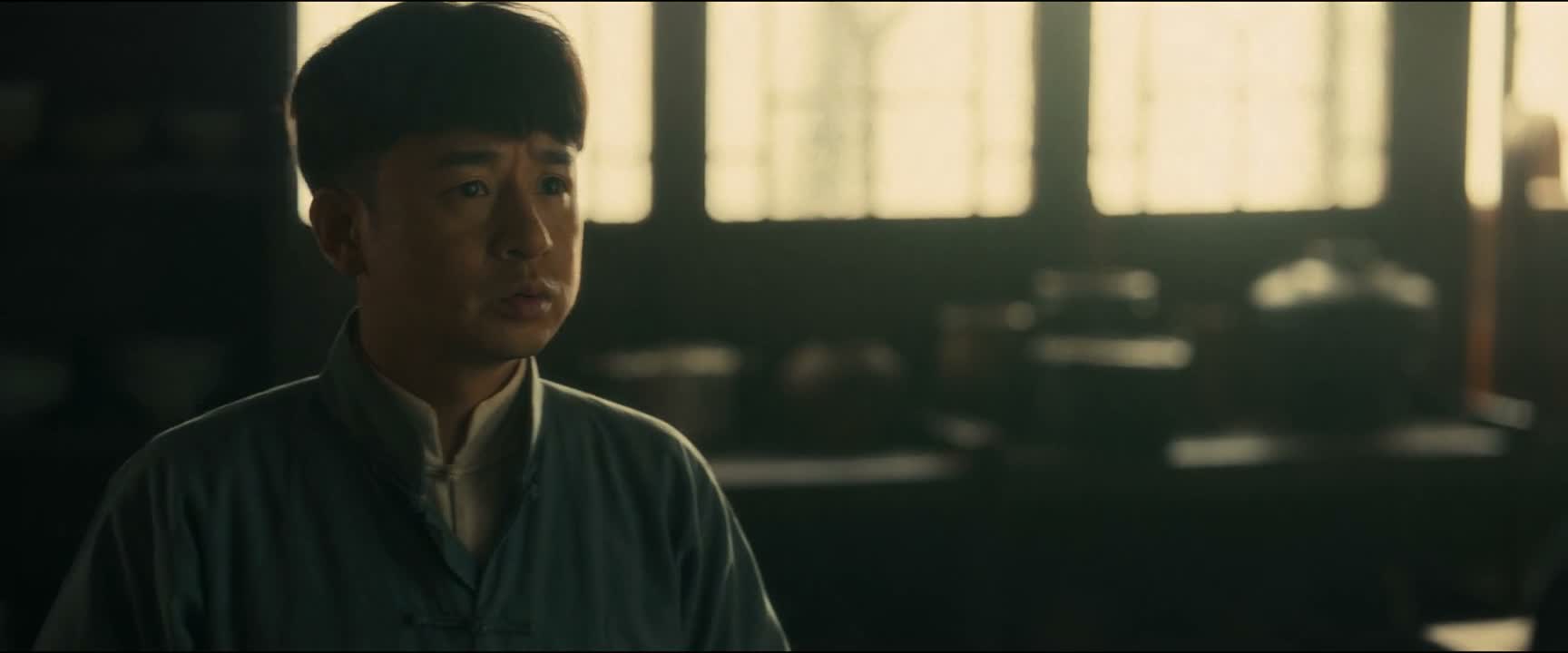 00:03
(七哥 您怎么来了) ── Previous context
“Sorry. Is Mr. Tian getting impatient? Our Baozi isn't ready yet.”
[Scene: 家庭日常]
(1 clips) 00:03
(真不知道 他会惹出什么祸事来) ── Previous context
“I'm sorry, Zhao. I didn't mean to pressure you.”
[Scene: 其他场景]
(1 clips) 00:02
[Scene: 出行交通]
(1 clips) 00:03
(那你可以排到我后面了吗) ── Previous context
“Sorry. I'm flying business class. We're not even at the same counter.”
📌 别生气了
→Nuance: 同为道歉安抚,劝对方别生气
📌 没事
→Nuance: 同向近义词根配对: [对不起 ↔ 不好意思]
📌 来来来
→Nuance: 共享核心口语谓词: [对不起]
📌 行行行
→Nuance: 共享核心口语谓词: [对不起]
📌 放心
→Nuance: 共享核心口语谓词: [对不起]
📌 添麻烦
→Nuance: 同向近义词根配对: [对不起 ↔ 不好意思]
📌 我告诉你
→Nuance: 共享核心口语谓词: [对不起]