对不起啊叔 对不起 对不起 你忙着 你忙着
“Sorry, Mr. Xia. Sorry, I'm sorry. I'm leaving now.”
THE DIALOGUE REEL
对不起啊 叔 对不起 对不起 你忙着 你忙着
“Sorry, Mr. Xia. Sorry, I'm sorry. I'm leaving now.”
“Pretend I wasn't here, I'm leaving right now!”
Addressing an older man as 'Uncle' shows respect and familiarity in Chinese society, even if there is no actual blood relation.
Telling someone to 'stay busy' is a common Chinese social lubricant used to excuse oneself without forcing the other person to play host.
LEARNING CHUNKS & PARTICLES
I'm sorry / Excuse me
Standard apology used here in rapid repetition to show flustered embarrassment.
Carry on with what you're doing / Don't mind me
Used as a polite exit line when interrupting someone, telling them not to stop on your account.
Softens the apology and makes it sound more natural and urgent in spoken interaction.
VOCABULARY & EXPRESSIONS
Parallel Spoken Cinema Scenes (语义近邻切片)

“Sorry, sir. Sorry. Sorry.”
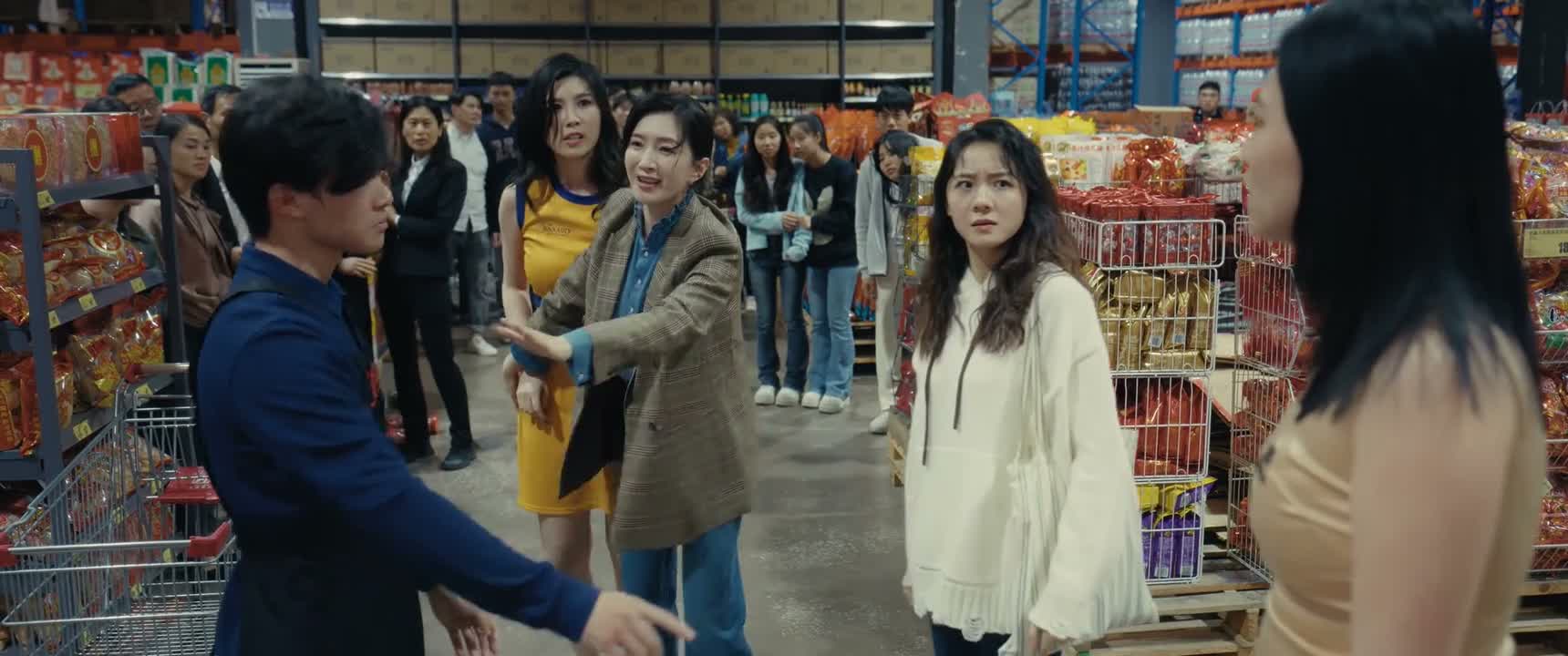
“Sorry about this. You just wait. What?”
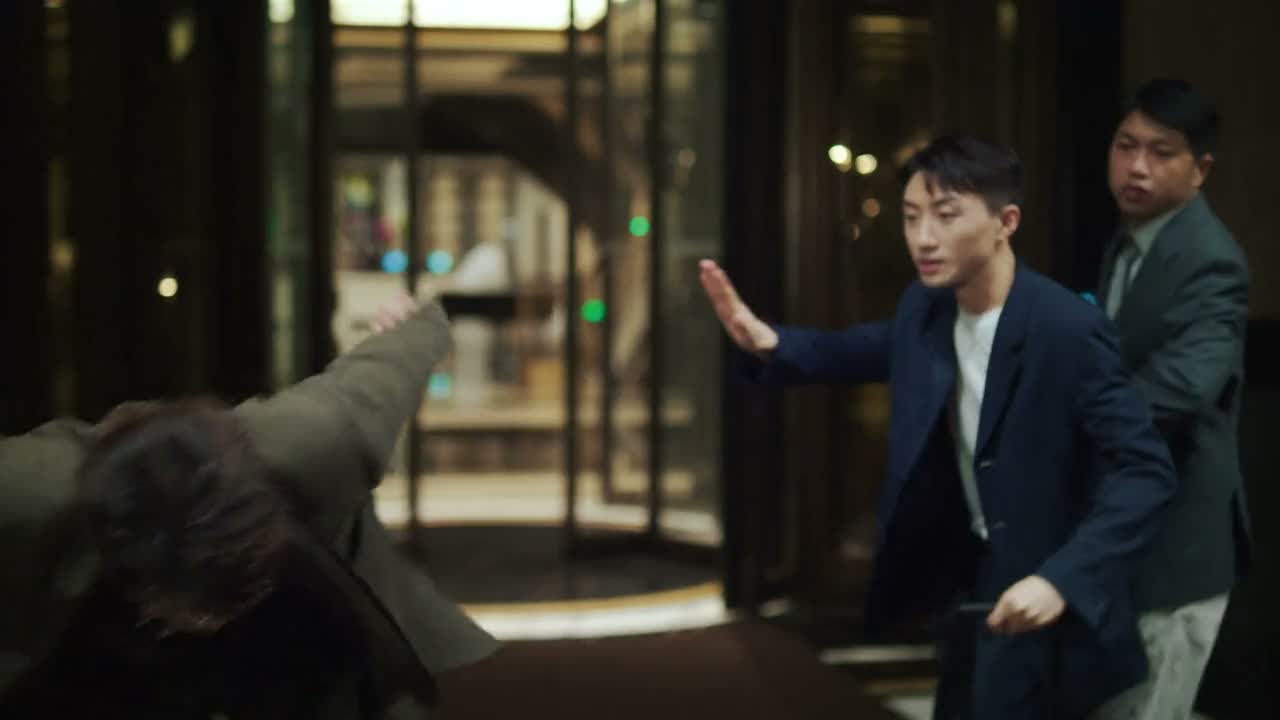
“I'm sorry. I'm sorry. Sorry.”

“[Nanping Station] Excuse me. Sorry. Excuse me. I'm in a real hurry.”

“I... I'm sorry, sir.”
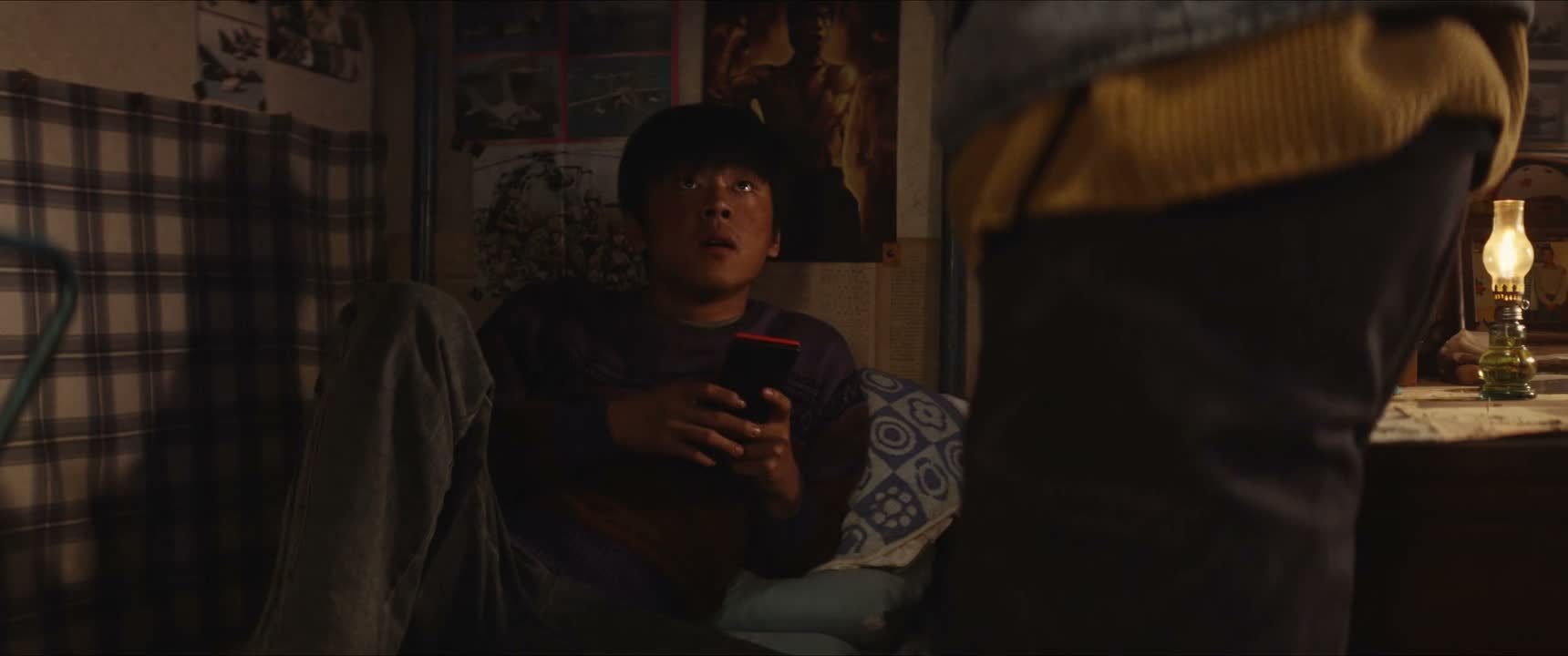
“I'm sorry. It's okay, Guo.”

“Sorry, hope I didn't cause you any trouble.”

“Sorry! So sorry, Ms. Yan. My mistake.”

“Sorry, Sibo. It's my fault. It's all my fault.”

“I'm sorry for causing you trouble today. I'm fine.”

“Please also tell Uncle He that I'm sorry.”
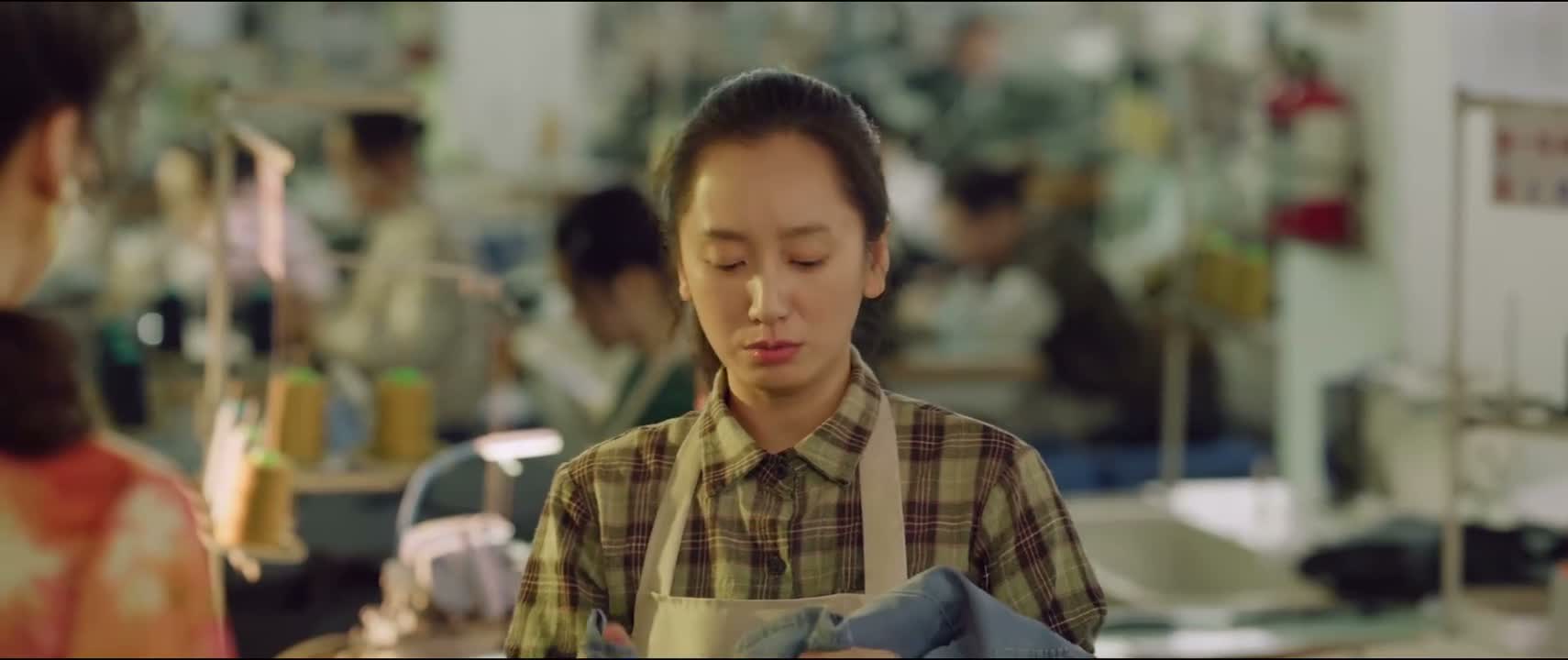
“I'm sorry. I'll re-sew it.”