对不起啊 哥 赖我了 赖老弟了啊
“Sorry, Sibo. It's my fault. It's all my fault.”
THE DIALOGUE REEL
我
“I...”
对不起啊 哥 赖我了 赖老弟了啊
“Sorry, Sibo. It's my fault. It's all my fault.”
“It has nothing to do with you. Let's talk about them.”
“Please don't be mad; put all the blame on me so we can move past this.”
Calling someone '哥' (older brother) while referring to oneself as '老弟' (little brother) uses fictive kinship to express deference, lower one's posture, and smoothly defuse conflict.
LEARNING CHUNKS & PARTICLES
I'm sorry
A polite and empathetic way to offer an apology in informal Chinese.
blame me; it's my fault
Colloquial northern expression used to shoulder blame or admit responsibility directly.
Softens the directness of the apology and plea, conveying warmth and seeking empathy.
Marks the completed attribution of fault to oneself.
VOCABULARY & EXPRESSIONS
Parallel Spoken Cinema Scenes (语义近邻切片)
“I'm sorry. It's okay, Guo.”

“Sorry, hope I didn't cause you any trouble.”

“Sorry, it's my fault.”

“Sorry, Bai Shao. Don't apologize.”

“I'm sorry for causing you trouble today. I'm fine.”
“I'm sorry. I'm late since I had something to do in the police station.”

“I'm sorry, Zhao. I didn't mean to pressure you.”

“I'm so sorry. You didn't answer my calls.”
“Sorry for making a fool of myself.”

“Sorry, Mr. Xia. Sorry, I'm sorry. I'm leaving now.”

“I'm sorry, Ms. Fang. I... Let me tell you,”
“Sorry, that was a total rejection.”

“Did Chuan let you down,”

“I'm sorry. I really... No, it's me. It was my negligence. Let go of me.”
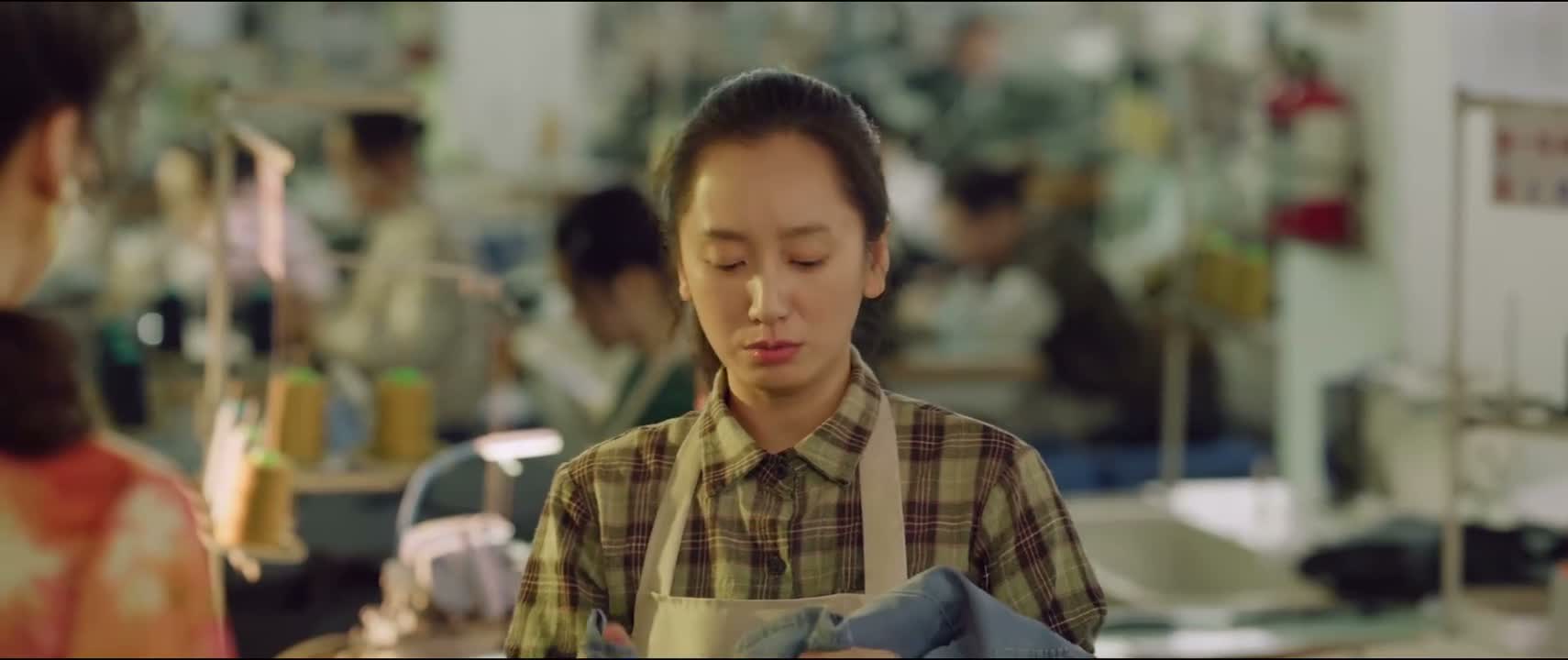
“I'm sorry. I'll re-sew it.”

“Sorry. Don't worry. I won't tell anyone about this.”
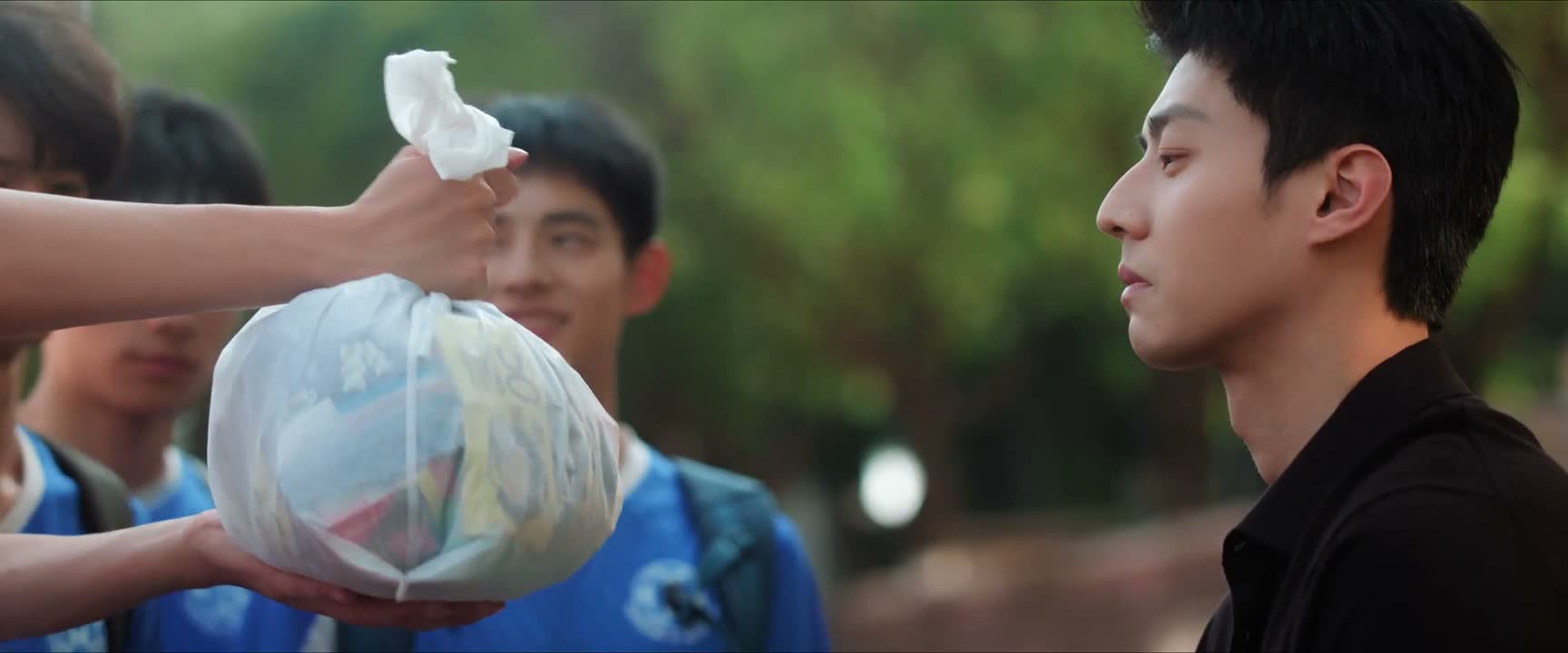
“Sorry. We were a bit loud yesterday. We apologize.”

“Sorry about that, Officer Qu. I caused you trouble.”