对不起啊 让你笑话了
“Sorry for making a fool of myself.”
THE DIALOGUE REEL
我能接什么呀
“so what am I supposed to say?”
对不起啊 让你笑话了
“Sorry for making a fool of myself.”
说得好像我一不小心说错话 就把你逼上绝路了
“You make it sound like if I say the wrong thing, I'll push you over the edge.”
“Please excuse my breakdown; let's pretend you didn't see me like this.”
Chinese social norms place high value on emotional restraint. Preemptively saying '让你笑话了' repairs face by demonstrating self-awareness before the other party can judge.
LEARNING CHUNKS & PARTICLES
I made a fool of myself in front of you / sorry for the embarrassing display
A classic idiomatic politeness formula used after showing weakness, making a blunder, or breaking down emotionally.
Softens the directness of the apology to make it sound warm and sincere.
Indicates a completed action and marks the state of having made an awkward impression.
VOCABULARY & EXPRESSIONS
Parallel Spoken Cinema Scenes (语义近邻切片)
“I'm sorry. I'm sorry. Sorry.”

“We're so sorry! Captain Zhou!”
“I'm sorry. It's okay, Guo.”
“Sorry, hope I didn't cause you any trouble.”

“- You've stained my manuscript! - I'm sorry. I forgot my hands were covered in grease. Don't worry…”

“Sorry, Bai Shao. Don't apologize.”
“Sorry, Sibo. It's my fault. It's all my fault.”

“I'm sorry for causing you trouble today. I'm fine.”
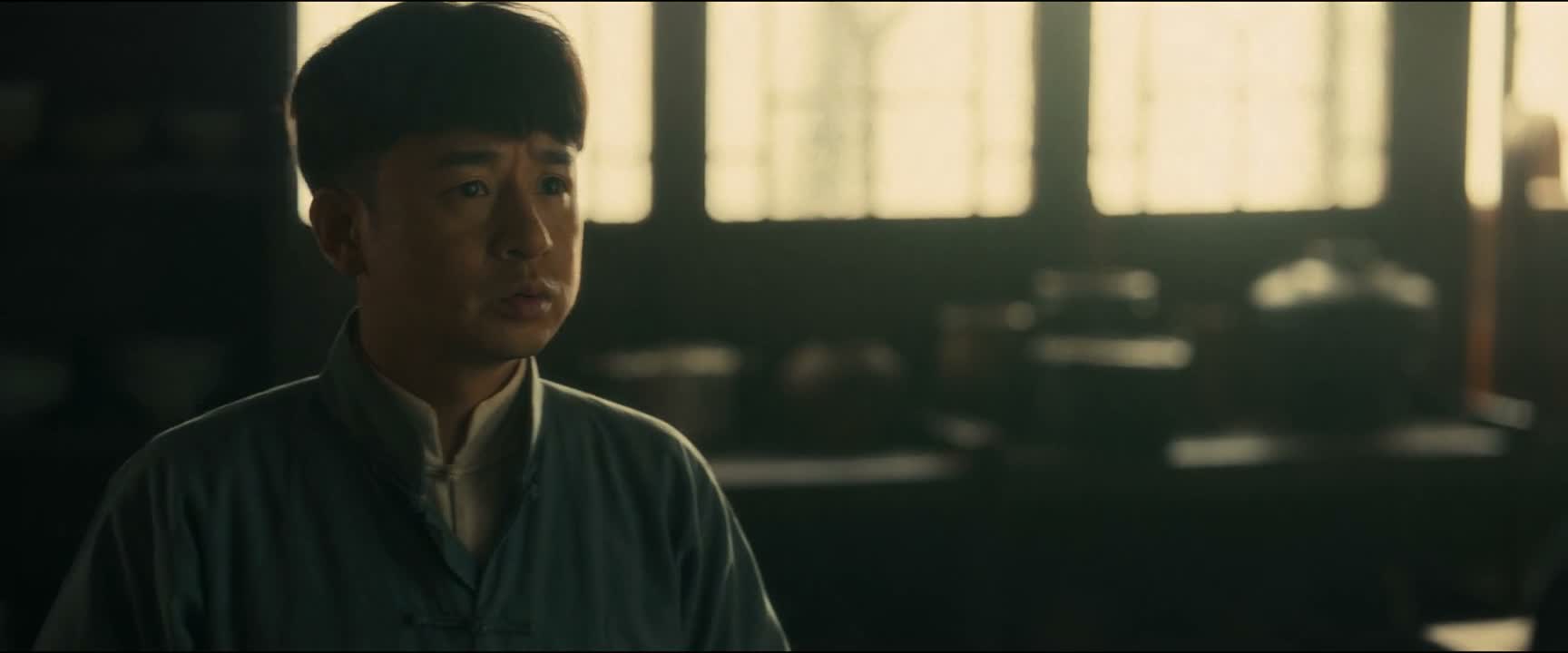
“Sorry. Is Mr. Tian getting impatient? Our Baozi isn't ready yet.”
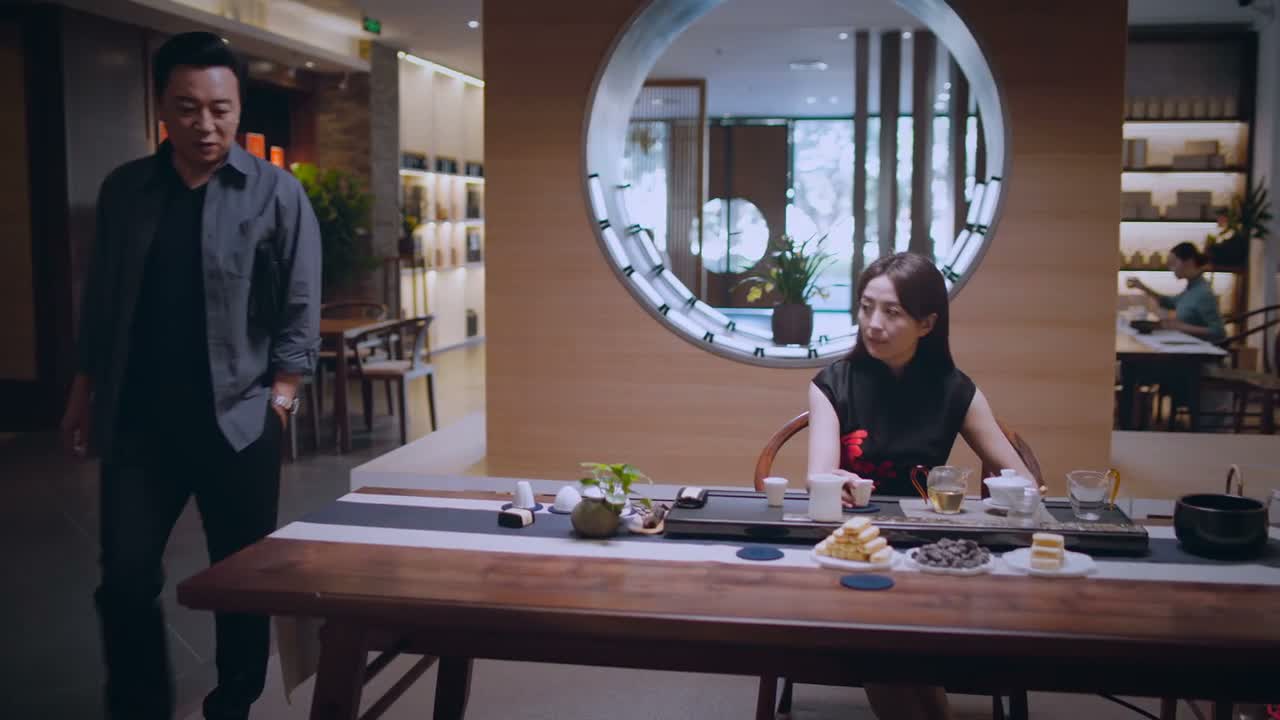
“I'm sorry. I'm late since I had something to do in the police station.”

“I'm sorry, Zhao. I didn't mean to pressure you.”

“I'm sorry. I spoke too harshly just now.”

“I'm so sorry. You didn't answer my calls.”

“I'm sorry, Ms. Fang. I... Let me tell you,”
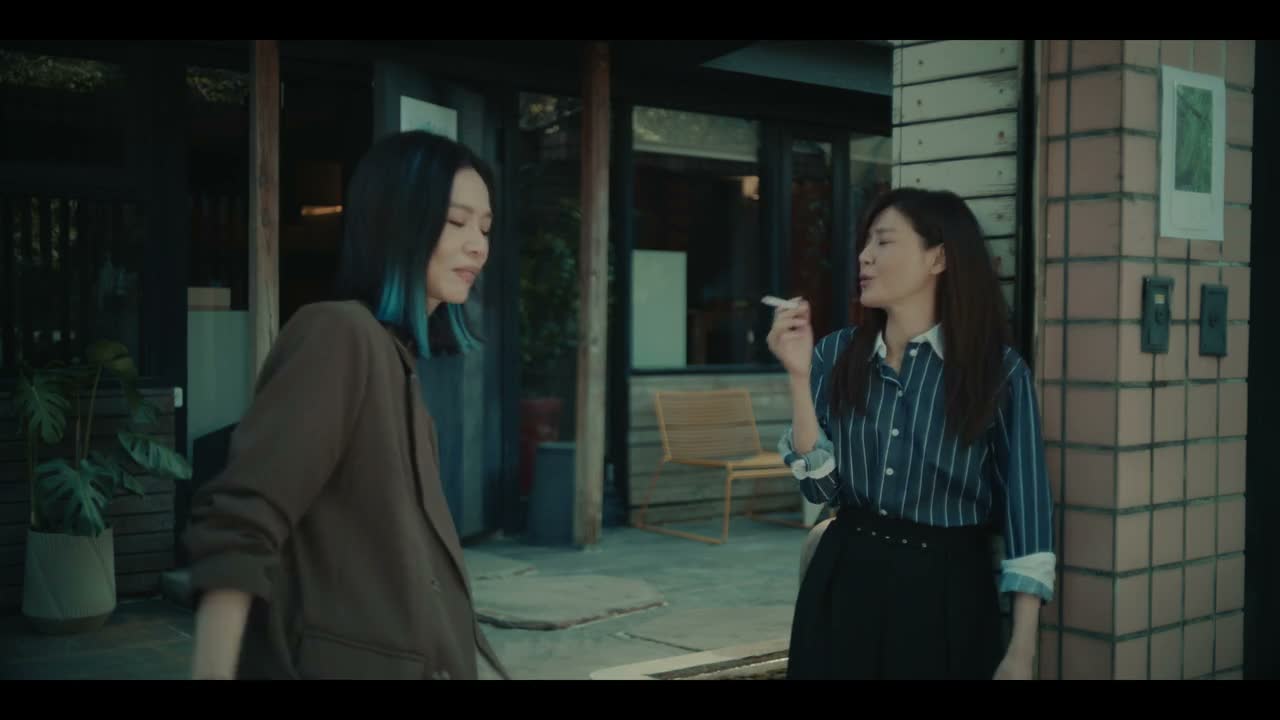
“Sorry, that was a total rejection.”

“I'm sorry. I had no choice then.”

“I'm sorry. I really... No, it's me. It was my negligence. Let go of me.”
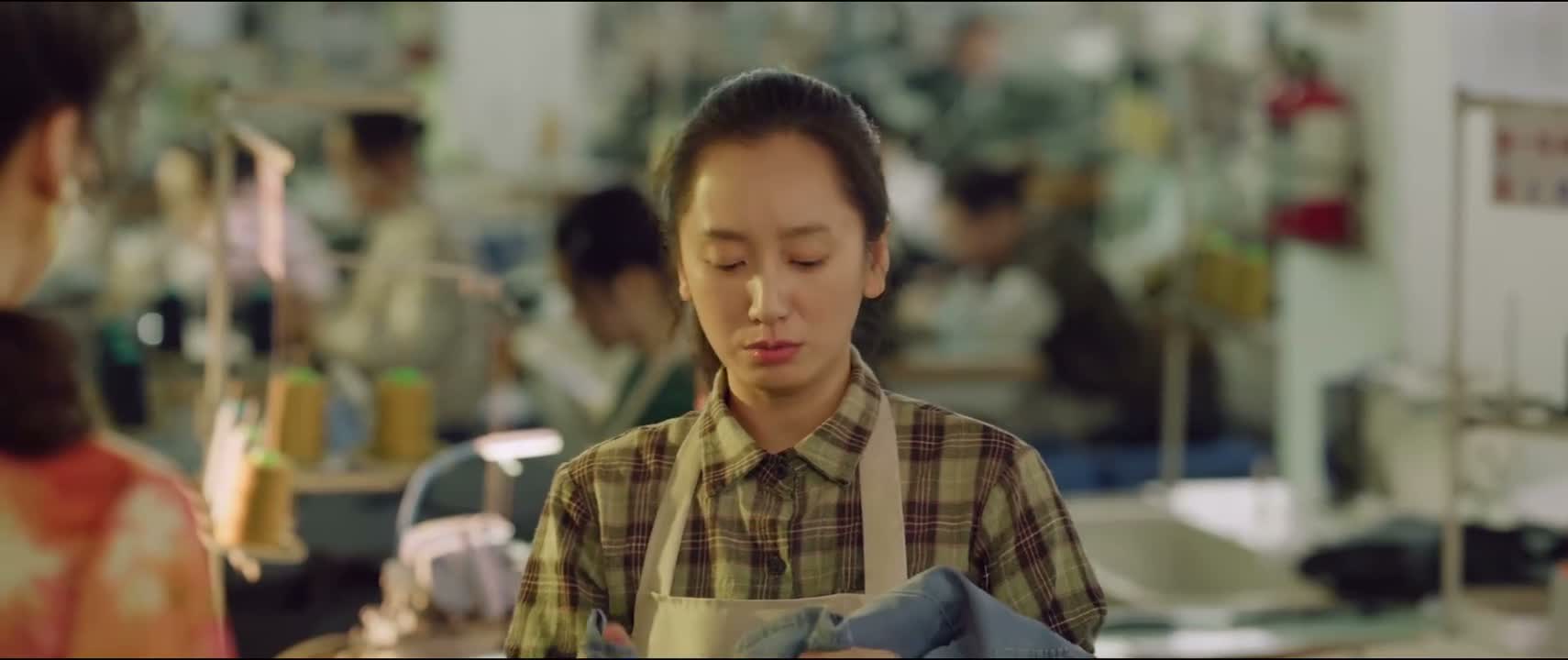
“I'm sorry. I'll re-sew it.”
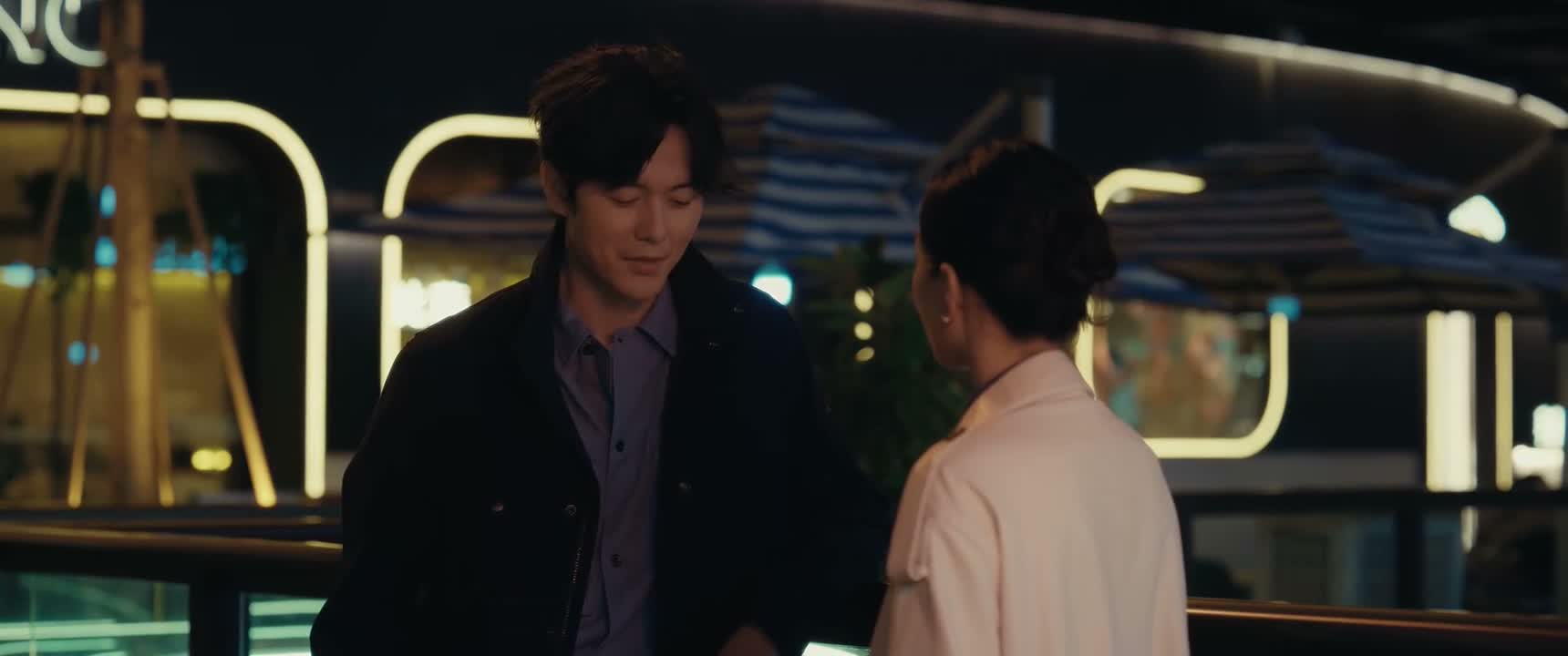
“Sorry. Don't worry. I won't tell anyone about this.”
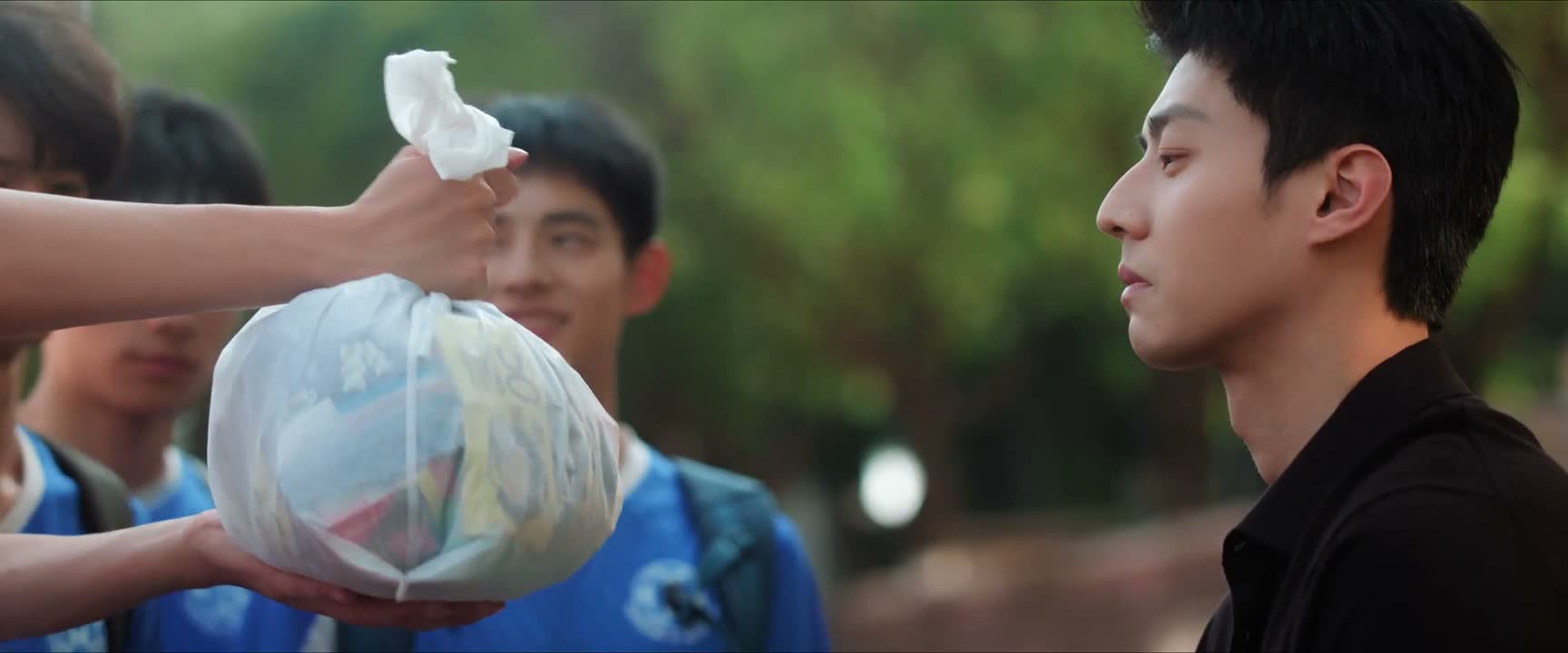
“Sorry. We were a bit loud yesterday. We apologize.”

“Sorry about that, Officer Qu. I caused you trouble.”