对不起 当时我也是被逼无奈
“I'm sorry. I had no choice then.”
THE DIALOGUE REEL
小静
“Jing.”
对不起 当时我 也是 被逼无奈
“I'm sorry. I had no choice then.”
“There was no other option. I believe if it were you,”
“Don't blame me entirely; I had my back against the wall.”
Appealing to external helplessness (无奈) is a classic rhetorical strategy in Chinese culture to preserve relational face while mitigating moral responsibility.
LEARNING CHUNKS & PARTICLES
forced into a corner with no other choice
A powerful set phrase used to excuse one's actions by claiming extreme external pressure.
I'm sorry
Standard apology used across formal and informal spoken registers.
VOCABULARY & EXPRESSIONS
Parallel Spoken Cinema Scenes (语义近邻切片)
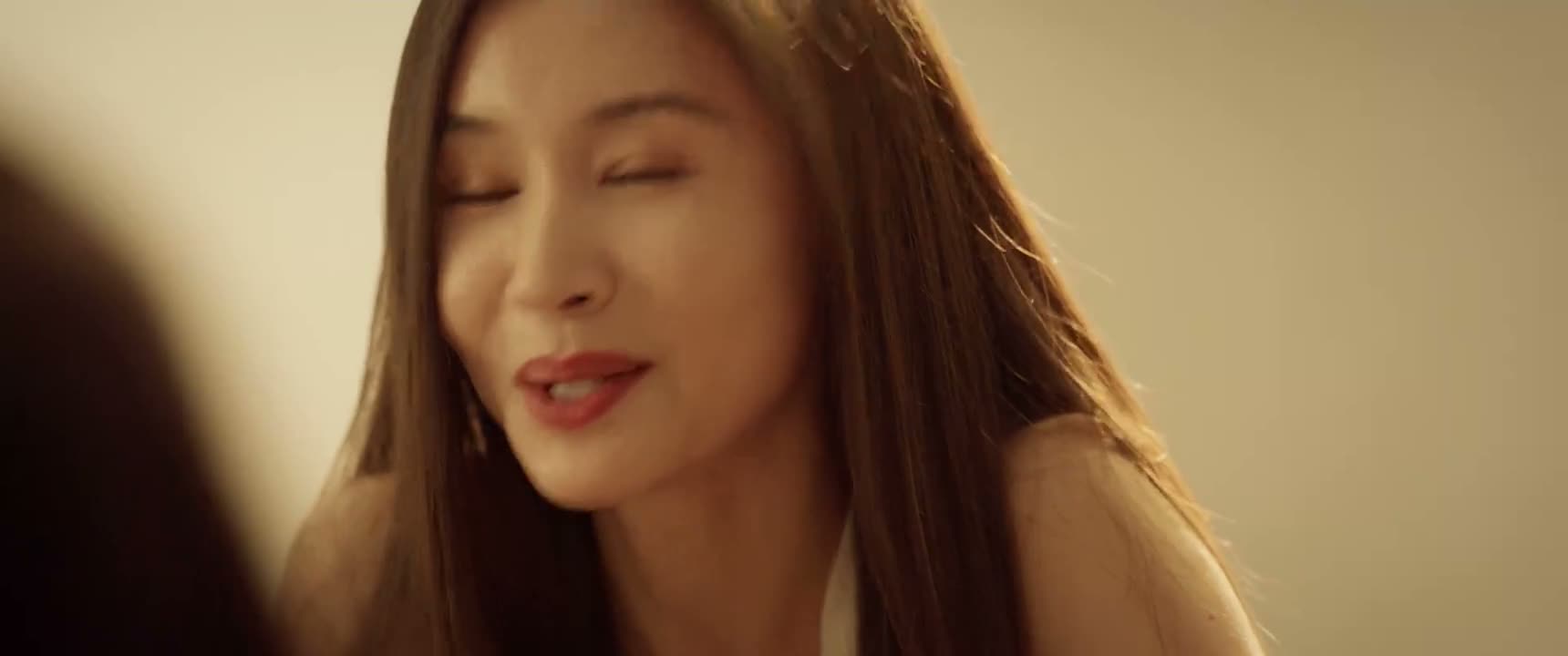
“Sorry, hope I didn't cause you any trouble.”

“Sorry, you don't get to decide that.”
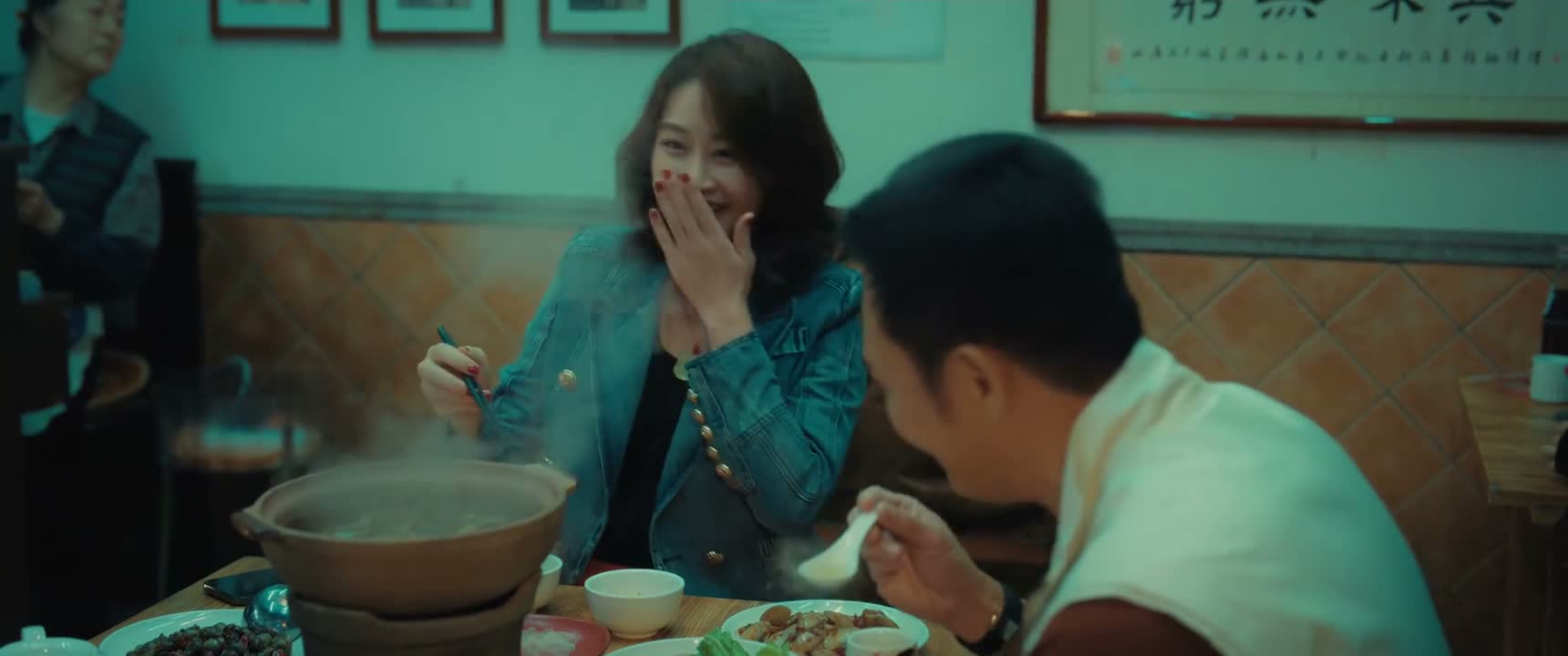
“Sorry. Pretend I didn't say that.”

“I'm sorry, Zhao. I didn't mean to pressure you.”
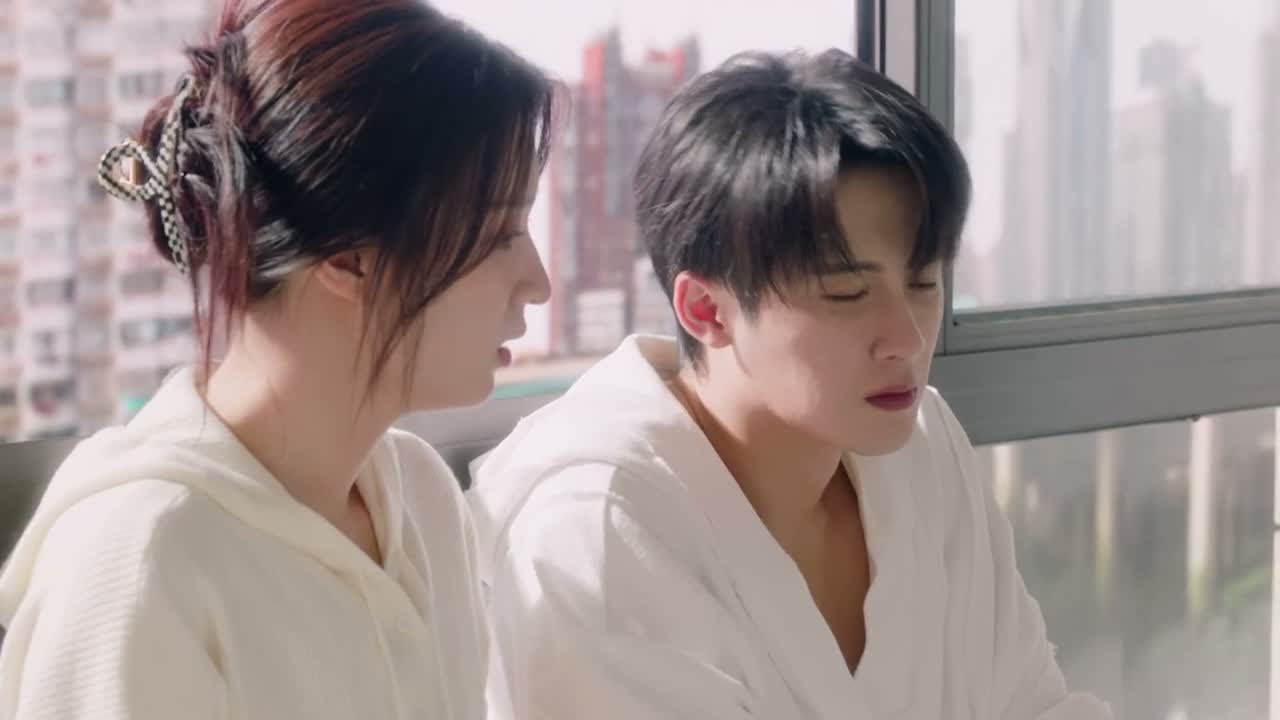
“Sorry for making a fool of myself.”
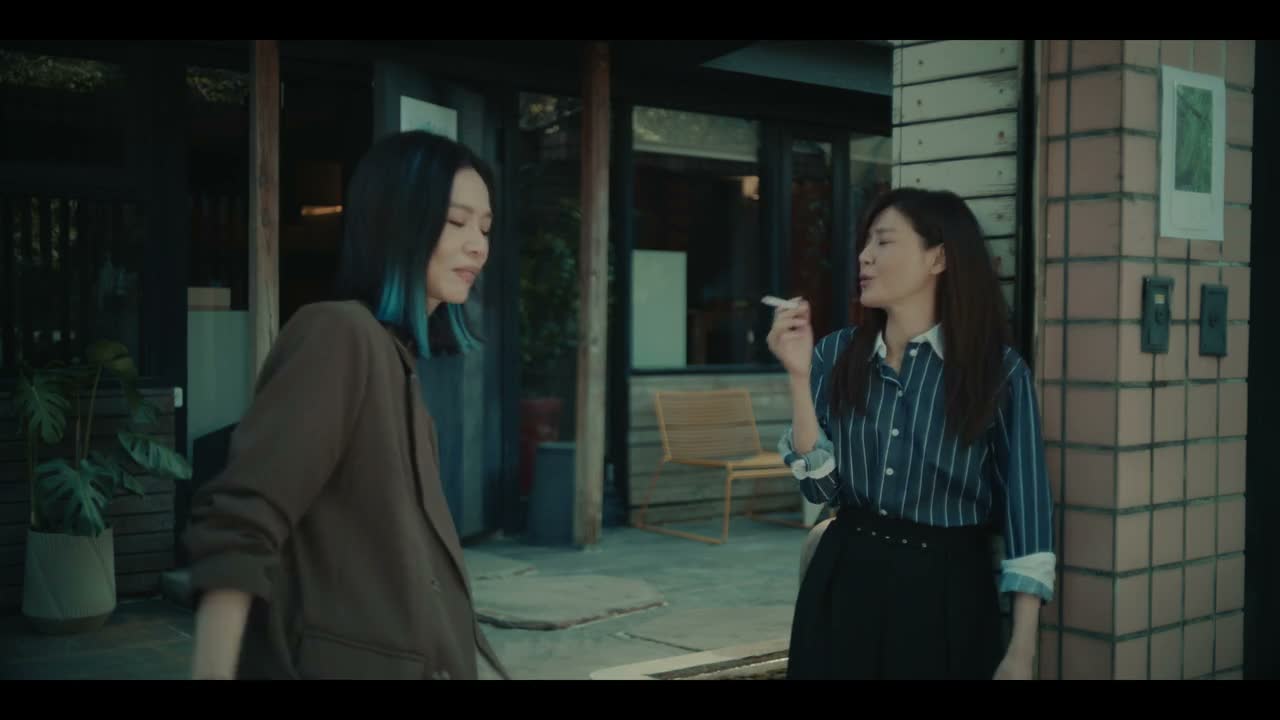
“Sorry, that was a total rejection.”
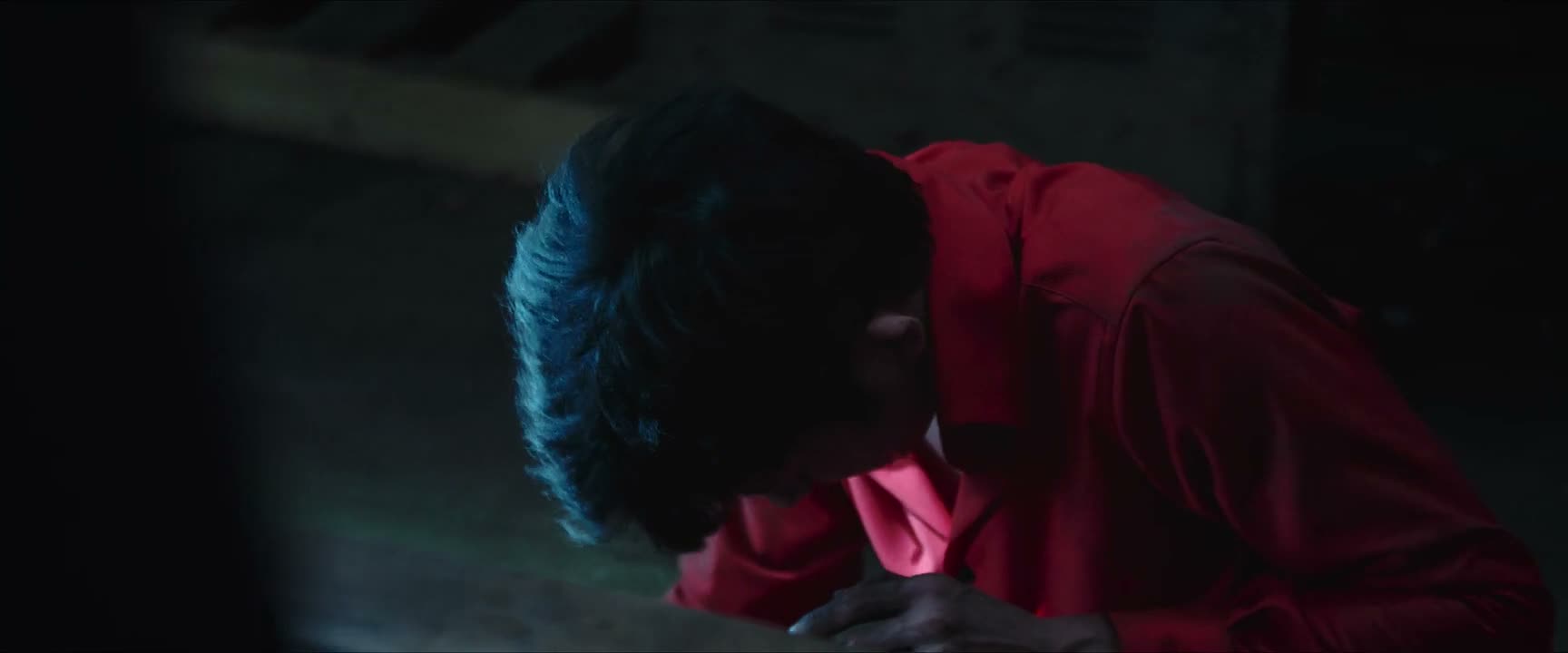
“I'm really sorry. I didn't do it on purpose.”

“Sorry, I shouldn't have joked. Then tell me,”
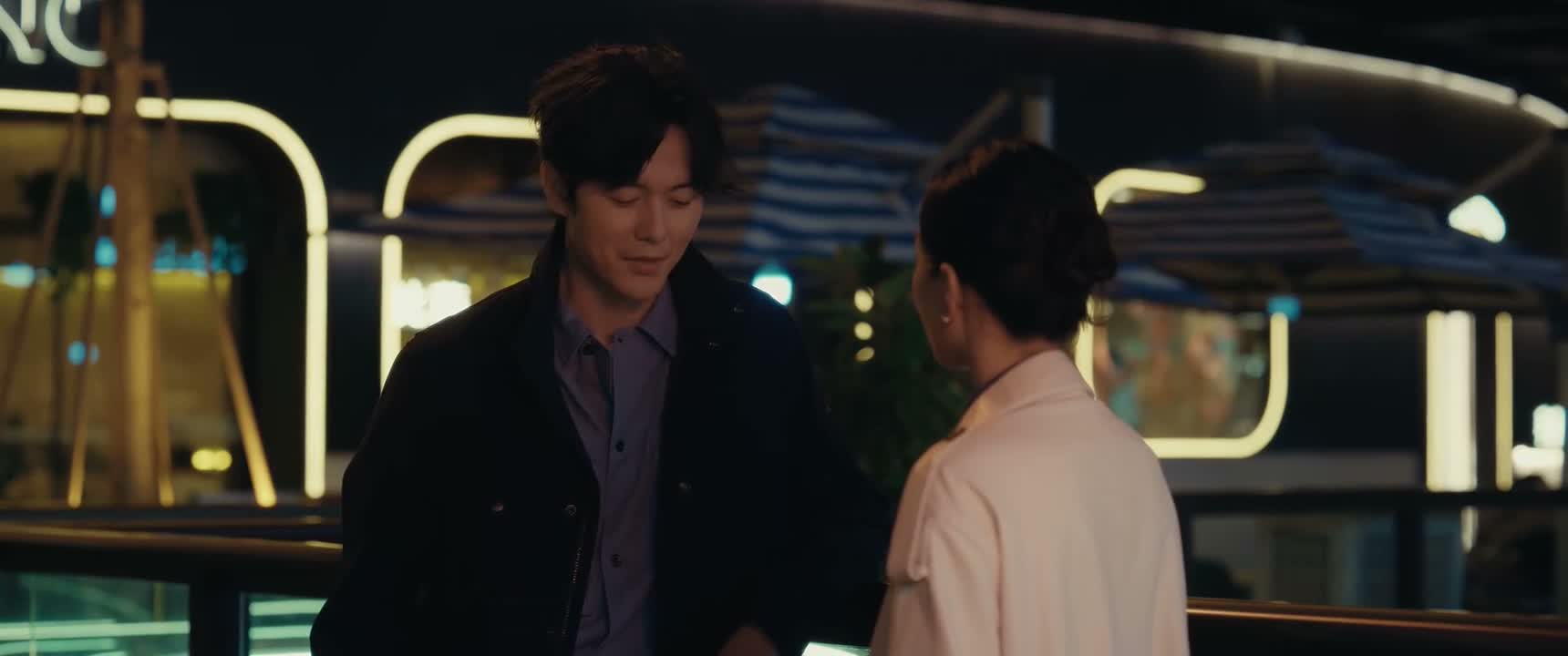
“Sorry. Don't worry. I won't tell anyone about this.”

“Sorry. Sorry. I didn't mean to.”

“I'm really sorry.”